
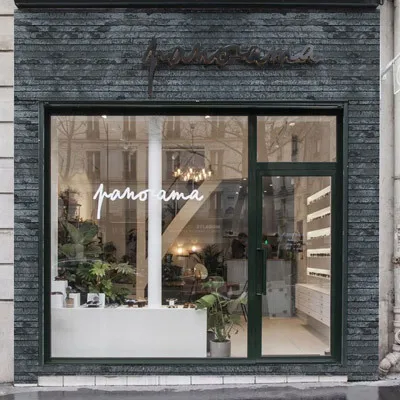
Picture this: You're standing in front of a building you helped design five years ago. The facade, once crisp and vibrant, now has hairline cracks snaking across its surface. The color has faded in the sun, and a section near the roof is starting to peel away. It's a sinking feeling—one that architects, builders, and homeowners know all too well. Durability isn't just a technical checkbox; it's the promise that the spaces we create will stand the test of time, weather, and wear. In a market flooded with materials that prioritize looks over longevity, finding a product that delivers both is like striking gold. Enter Dark Grey Muretto Stone—a material that's been turning heads not just for its moody, sophisticated aesthetic, but for its remarkable ability to stay strong, even in the harshest conditions. Let's dive into what makes this stone a standout in the world of building materials, and why it's becoming a go-to for those who refuse to compromise on durability.
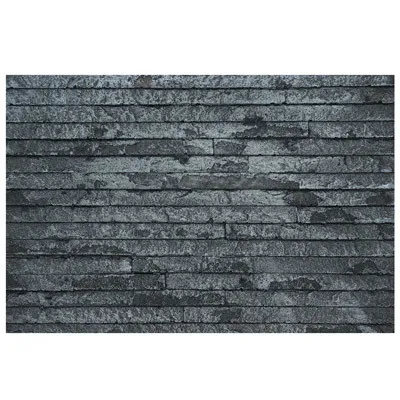
Before we unpack its durability, let's get to know the star of the show. Dark Grey Muretto Stone is part of the broader Muretto Stone series, a line of cladding materials designed to blend the timeless beauty of natural stone with the practicality of modern engineering. If you've ever walked through a European village and admired the weathered, textured walls of old stone cottages, you'll recognize the inspiration here—"muretto" even translates to "small wall" in Italian, nodding to that rustic, authentic charm. But don't let the traditional vibe fool you: This isn't your grandmother's stone. Dark Grey Muretto Stone (and its siblings, muretto stone (light grey) and muretto stone (beige)) is a product of cutting-edge material science, crafted to meet the demands of 21st-century architecture.
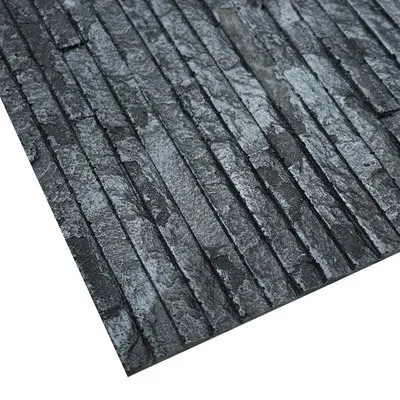
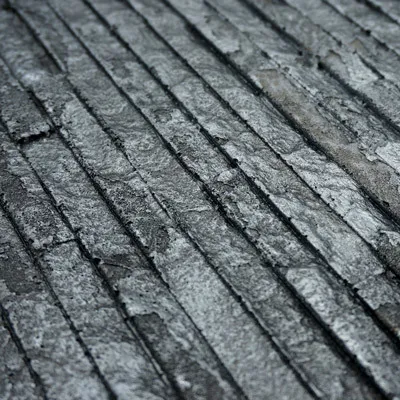
What sets the dark grey variant apart? Its color, for starters. Imagine a stormy sky just before dusk—deep, moody, with subtle undertones that shift in different lights. It's a hue that adds depth to exteriors, grounding modern buildings with a touch of earthiness, while complementing everything from sleek glass facades to warm wooden accents. But beauty is only skin deep, right? What lies beneath that rich surface is what truly makes Dark Grey Muretto Stone special.
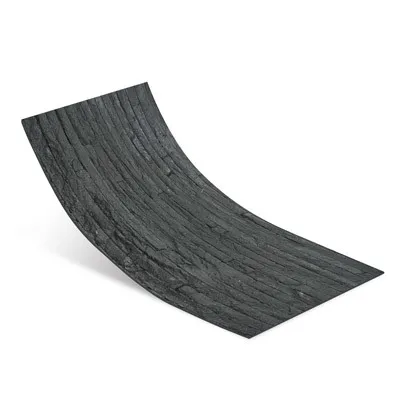
At its core, Dark Grey Muretto Stone is a modified composite material, part of the larger family of MCM (Modified Composite Material) products—a category that includes fan favorites like mcm flexible stone. MCM technology revolutionized the building industry by taking the best parts of natural stone (its texture, color, and character) and pairing them with a lightweight, flexible base. So, what exactly goes into making Dark Grey Muretto Stone so tough?
Natural stone is durable, but it's also heavy and prone to cracking under stress. Dark Grey Muretto Stone sidesteps this by starting with a blend of crushed natural minerals—think quartz, feldspar, and marble dust—mixed with a polymer binder. This isn't just a random cocktail; the minerals are selected for their hardness and resistance to abrasion, while the polymer acts like a "glue" that holds everything together without adding brittleness. The result? A material that's 30% lighter than traditional stone but twice as strong when it comes to impact resistance. Ever seen a hailstorm dent a metal roof or chip a brick wall? Dark Grey Muretto Stone laughs that off—it's designed to take a beating without showing a scratch.
Here's where mcm flexible stone technology shines: Unlike rigid materials like fair-faced concrete, which can crack when buildings settle or temperatures fluctuate, Dark Grey Muretto Stone has a little give. Imagine bending a thin sheet of plastic vs. a piece of glass—the plastic flexes; the glass shatters. MCM materials, including Dark Grey Muretto Stone, are engineered to flex up to 3% under stress. That might not sound like much, but in real-world terms, it means the stone can handle the expansion and contraction that comes with hot summers and freezing winters without developing those unsightly cracks. It's like giving the material a built-in "shock absorber" for the elements.
Even the strongest materials need a little extra protection, and Dark Grey Muretto Stone delivers with a specialized surface coating. This isn't your average paint; it's a UV-resistant, water-repellent sealant that's baked into the stone during manufacturing. Think of it as a invisible shield: It blocks harmful sun rays that fade colors, repels rain and snow to prevent water damage, and even resists stains from things like bird droppings or pollution. I once spoke to a contractor who used Dark Grey Muretto Stone on a restaurant exterior in a busy city center. "We were worried about grease splatters and graffiti," he told me. "Three years later, we've hosed it down a few times, and it still looks brand new." That's the power of that protective layer in action.
Ever looked at a piece of natural travertine (beige) up close? You'll notice tiny pores and holes—beautiful, but they're also entry points for moisture, mold, and mildew. Dark Grey Muretto Stone's manufacturing process compresses its mineral-polymer mix under high pressure, squeezing out air pockets and creating a dense, uniform structure. No pores, no cracks, no weak spots. This density is why it's so resistant to water absorption: even in humid climates or areas with heavy rainfall, the stone stays dry on the inside, preventing rot or warping. It's like comparing a sponge to a brick—one soaks up water, the other repels it.
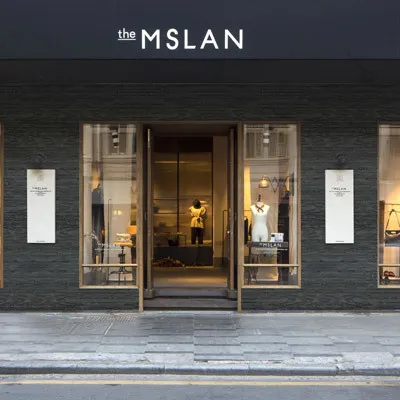
Talk is cheap, so let's put Dark Grey Muretto Stone to the test against two popular alternatives: fair-faced concrete (a staple in modern architecture) and travertine (beige) (a classic natural stone). We'll break down key factors that matter most for long-term durability.
| Material | Weather Resistance | Flexural Strength (MPa) | Water Absorption Rate | Estimated Lifespan | Best For |
|---|---|---|---|---|---|
| Dark Grey Muretto Stone | Excellent (resists UV, freeze-thaw, salt spray) | 18-22 MPa | <0.5% | 50+ years | Exteriors, high-traffic areas, coastal regions |
| Fair-Faced Concrete | Good (prone to cracking in freeze-thaw cycles) | 10-15 MPa | 3-5% | 30-40 years | Industrial buildings, low-maintenance interiors |
| Travertine (Beige) | Moderate (porous, stains easily) | 8-12 MPa | 8-10% | 20-25 years (exterior) | Indoor floors, low-traffic exteriors |
Let's unpack those numbers. Flexural strength measures how much a material can bend before breaking—higher is better. Dark Grey Muretto Stone's 18-22 MPa blows fair-faced concrete and travertine (beige) out of the water, meaning it can handle more stress from wind, weight, or building movement. Water absorption is another big one: At less than 0.5%, Dark Grey Muretto Stone barely soaks up any moisture, compared to travertine's 8-10% (which is why travertine often needs yearly sealing). And that 50+ year lifespan? That's not just a guess—manufacturers back it up with warranties, a confidence that speaks volumes.
In 2022, a Category 3 hurricane hit the Gulf Coast, leaving a trail of damaged buildings in its wake. Among them was a beachfront restaurant in Florida, whose exterior was clad in Dark Grey Muretto Stone. When the storm passed, the owner held his breath—expecting to see shattered stone or peeled cladding. Instead? The stone was unscathed. "The windows were blown out, the roof took a hit, but the walls? They looked like nothing happened," he recalled. "I later found out that the MCM flexibility let the stone flex with the wind instead of cracking. It was like having a suit of armor for the building." That's durability you can't fake.
Durability isn't just about resisting storms or scratches—it's about saving time, money, and headaches down the line. Let's say you're building a home in a mountain area, where winters are harsh and summers are hot. Choosing a material that needs frequent repairs (like travertine (beige)) means hiring contractors every few years, shelling out for sealants, and watching your investment degrade. Dark Grey Muretto Stone, on the other hand, is a "set it and forget it" material. No annual sealing, no repainting, no patching cracks. It's the difference between owning a car that needs weekly trips to the mechanic and one that runs smoothly for decades with basic maintenance.
It's also about versatility. Dark Grey Muretto Stone isn't just for exteriors. Its durability makes it ideal for high-traffic areas like shopping mall facades, hotel lobbies, or even pool surrounds (thanks to its slip-resistant texture when wet). I recently visited a boutique hotel in Arizona that used it for both the exterior walls and the indoor accent walls in the lobby. "We wanted something that would look as good on the outside, baking in 110°F heat, as it does inside, where guests brush against it daily," the designer told me. "Dark Grey Muretto Stone delivered—no fading, no scuffs, just that same rich color year after year."
Durability isn't just for new builds. Many architects are turning to Dark Grey Muretto Stone when restoring historical buildings, pairing it with materials like historical pathfinders stone to preserve the past while ensuring the structure lasts for future generations. Historical pathfinders stone, with its weathered, timeworn look, captures the essence of old-world charm, but it's often fragile. Dark Grey Muretto Stone, with its similar texture but modern strength, can be used in high-stress areas (like foundations or load-bearing walls) while historical pathfinders stone takes center stage in decorative elements. It's a marriage of old and new, proving that durability and heritage can coexist.
We've compared it to fair-faced concrete and travertine (beige), but what about other heavy hitters? Let's take a quick look at two more: epoch stone and century stone, both marketed as "timeless" materials. Epoch stone, for example, is a type of engineered stone that's durable but lacks the flexibility of MCM-based products—it's prone to cracking in seismic zones. Century stone, on the other hand, is beautiful but heavy, making installation more complex and costly. Dark Grey Muretto Stone bridges the gap: It's as tough as epoch stone, as light as century stone, and more flexible than both. It's the Swiss Army knife of building materials—adaptable, reliable, and ready for anything.
Then there's foamed aluminium alloy board (vintage silver), a lightweight, modern option popular in commercial buildings. While aluminium is resistant to rust, it dents easily and fades in direct sunlight. Dark Grey Muretto Stone, with its mineral base and UV-resistant coating, doesn't have those issues. It's like choosing between a sports car (aluminium) and a tank (Muretto Stone)—both have their place, but when durability is non-negotiable, the tank wins.
At the end of the day, Dark Grey Muretto Stone isn't just a building material—it's a promise. A promise that the spaces we create won't just look good on day one, but decades later. It's a material for people who care about both aesthetics and practicality, who refuse to choose between "beautiful" and "built to last."
Whether you're an architect designing a skyscraper, a homeowner revamping your exterior, or a developer restoring a historical landmark, Dark Grey Muretto Stone delivers. Its modified composite composition, MCM flexibility, and protective surface layer make it a standout in durability, while its rich, moody color adds a touch of sophistication to any project. In a world where so many materials are here today and gone tomorrow, Dark Grey Muretto Stone is here to stay—and that's a durability win we can all get behind.
So, the next time you're standing in front of a building, admiring its walls, take a closer look. If it's clad in Dark Grey Muretto Stone, you're not just looking at a wall—you're looking at a material that's ready to face whatever the future throws at it. And that, in the end, is the true measure of durability.
Recommend Products












