
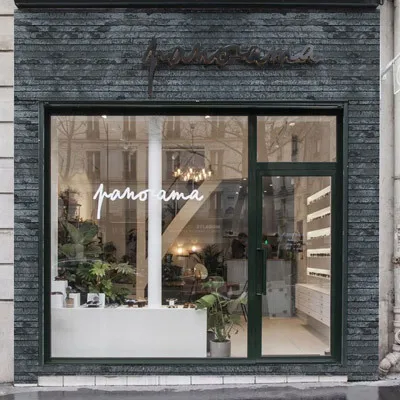
Let's talk about something that keeps both homeowners and contractors up at night: budgeting for building materials. Whether you're revamping your kitchen backsplash, cladding a commercial facade, or landscaping a courtyard, the stone you choose isn't just about aesthetics—it's a major line item in your budget. Today, we're diving deep into one material that's been turning heads lately: dark grey muretto stone. If you've heard the name tossed around in design circles or seen it on Pinterest boards labeled "timeless industrial chic," you're probably wondering: What does it actually cost? And is it worth every penny? Let's break it down, step by step.
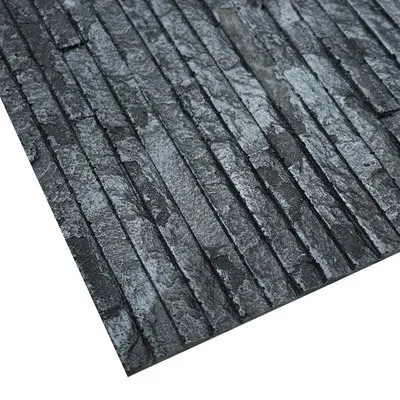
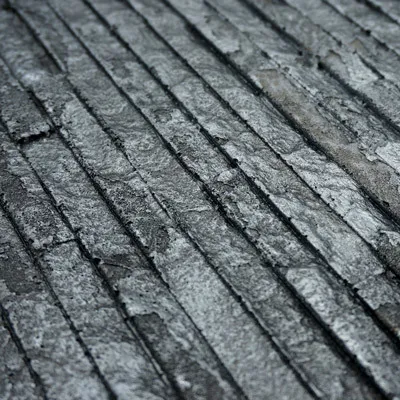
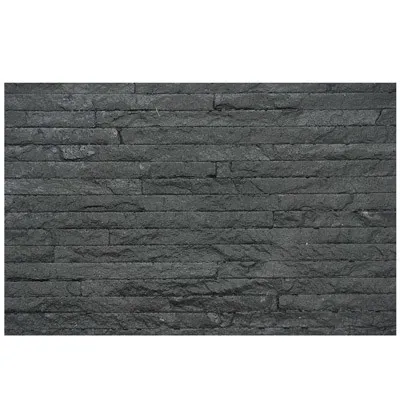
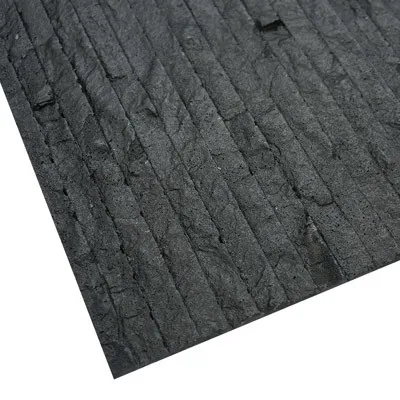
Before we start crunching numbers, let's make sure we're all on the same page. Muretto stone, in general, has roots in traditional European masonry—think the weathered stone walls of Italian villas or the rustic charm of French countryside cottages. The "dark grey" variant, though, is a modern twist on that classic. It's characterized by its deep, moody hue (think storm clouds at dusk), subtle texture, and a finish that ranges from matte to slightly rough, depending on how it's treated.
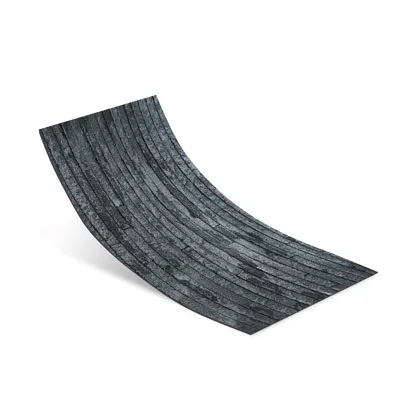
What makes it stand out? Unlike some stones that feel cold or sterile, dark grey muretto stone has a warmth to it. It's versatile, too—you'll see it in everything from industrial-style lofts to cozy residential fireplaces. And here's a key point for budgeters: it's often part of broader product lines like MCM flexible stone, which prioritize durability and ease of installation without skimping on style. That flexibility? It can make a big difference when it comes to keeping costs in check.
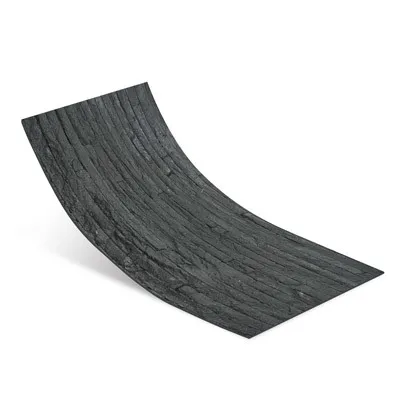
You might be thinking, "There are a million dark grey stones out there—why this one?" Fair question. Let's start with durability. Dark grey muretto stone is dense, resistant to scratches, and holds up well against weather (rain, snow, even the occasional hailstorm). That means less maintenance over time, which translates to long-term savings. No need to seal it every six months or replace chipped pieces after a harsh winter.
Then there's versatility. It plays well with other materials: pair it with warm woods for a cabin vibe, or with sleek metals for a contemporary look. Contractors love it because it's easier to cut and shape than some heavier stones, which can speed up installation. And for history buffs? It has that "lived-in" quality that makes spaces feel like they've been around for decades—even if your project is brand-new. It's no wonder designers often compare it to materials like historical pathfinders stone, which blend tradition with modern functionality.
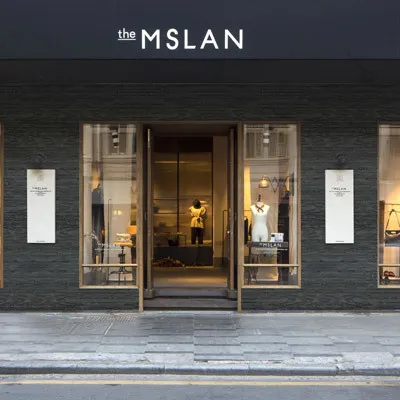
Okay, let's get to the nitty-gritty: what makes this stone cost more (or less) depending on the project? It's not as simple as "X dollars per square foot." A bunch of factors come into play, and understanding them will help you budget smarter. Let's break them down.
Not all dark grey muretto stone is created equal. High-quality stone comes from quarries with strict extraction standards—they're careful to avoid cracks, uneven coloring, or weak spots. This stone costs more because it's more consistent and durable. On the flip side, lower-quality stone might have visible flaws (think: random light grey streaks or soft spots that chip easily) and could end up costing you more in the long run when you have to replace damaged pieces.
Sourcing matters, too. If the stone is quarried locally, transportation costs are lower. Imported stone (say, from Italy or Turkey, where muretto stone has deep roots) will have higher shipping fees, customs duties, and longer lead times. I once worked with a client who opted for imported stone to get that "authentic" look—only to realize the shipping added 20% to the total material cost. Lesson learned: ask your supplier where the stone is coming from, and weigh the pros and cons of local vs. imported.
Stone is sold by the square foot, but thickness and size matter. A standard slab might be 24x24 inches and 1.5 inches thick—great for a backsplash. But if you need larger slabs (say, 36x48 inches) for a feature wall, or thicker pieces (2+ inches) for a patio that gets heavy foot traffic, you'll pay more. Why? Larger slabs are harder to transport without cracking, and thicker stone requires more raw material to quarry and cut.
Pro tip: If you're working with a tight budget, ask about "off-cut" pieces. These are smaller slabs left over from larger projects, and suppliers often sell them at a discount. They're perfect for smaller areas like a bathroom accent wall or a fireplace surround.
Remember that texture we talked about earlier? The finish you choose affects cost. A "natural" finish (rough, with visible tool marks) is usually the cheapest because it requires minimal processing. A "honed" finish (smoother, but still matte) takes more work, so it costs a bit more. And a "polished" finish (shiny, reflective) is the priciest, as it involves grinding and buffing the stone to a high sheen. Most people go for honed or natural with dark grey muretto stone—it lets the color and texture shine without the extra cost of polishing.
Buying in bulk usually gets you a discount. Ordering 500 square feet for a commercial project? You might pay $8-$10 per square foot. Ordering 50 square feet for a home project? Maybe $12-$15 per square foot. It's like buying groceries: the more you buy, the lower the per-unit cost.
Location matters, too. If you live in a big city with lots of stone suppliers, competition keeps prices down. If you're in a rural area, you might pay more because there are fewer suppliers, and transportation costs add up. I once helped a client in a small town in Colorado source dark grey muretto stone—we ended up ordering from a supplier in Denver, and the delivery fee alone was $300. It's something to factor in when you're comparing quotes.
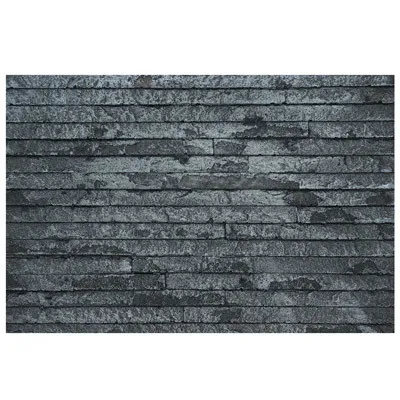
Let's put this all together with real numbers. Keep in mind that these are averages—your actual costs might be higher or lower depending on the factors above. But this will give you a baseline.
At the low end: $8–$12 per square foot for natural finish, standard size (24x24 inches), local sourcing, and bulk orders. This is typical for commercial projects or large residential jobs (like a full exterior cladding).
At the high end: $15–$20 per square foot for polished finish, custom sizes, imported stone, or small orders. Think: a high-end kitchen backsplash with large, polished slabs.
Labor is where things can get tricky. If you're hiring a pro, expect to pay $5–$10 per square foot for straightforward installation (like a flat wall with no curves or intricate cuts). If the project is complex—say, a circular fireplace or a wall with built-in niches—labor can jump to $12–$15 per square foot. Why? More time, more skill, and more tools (specialized saws, adhesives, etc.) are needed.
Can you install it yourself? Maybe, if you're handy. But I'd caution against it unless you have experience with stonework. A misaligned slab or a loose piece can lead to water damage or structural issues down the line, which will cost more to fix than hiring a pro upfront.
Don't forget these! They can add 10–20% to your total budget:
Total estimated cost per square foot? Anywhere from $14 (material + basic labor + minimal extras) to $40+ (high-end material + complex labor + all the bells and whistles). For a 200-square-foot project (say, a kitchen backsplash and fireplace), that's $2,800 to $8,000. Not pocket change, but manageable with careful planning.
To really understand if dark grey muretto stone is a good deal, let's compare it to similar materials. Here's a quick breakdown:
| Material | Average Cost Per Square Foot (Material + Labor) | Installation Difficulty | Durability (1-5, 5=Best) | Best For |
|---|---|---|---|---|
| Dark Grey Muretto Stone | $14–$40 | Moderate (Easy to cut, heavy but manageable) | 4.5 | Accent walls, fireplaces, exterior cladding |
| Fair-Faced Concrete | $8–$25 | Low (Poured on-site, minimal cutting) | 4 | Modern interiors, industrial-style floors |
| Boulder Slab (Vintage Black) | $18–$45 | High (Heavy, requires specialized tools) | 5 | Outdoor patios, feature walls |
| MCM Flexible Stone | $12–$30 | Low (Lightweight, peel-and-stick options) | 4 | Backsplashes, furniture accents |
| Historical Pathfinders Stone | $20–$50 | High (Irregular shapes, requires skilled labor) | 5 | Heritage restoration, rustic landscapes |
What stands out here? Dark grey muretto stone hits a sweet spot: more durable than fair-faced concrete, easier to install than boulder slab or historical pathfinders stone, and more affordable than some high-end MCM flexible stone designs. It's not the cheapest option, but it offers the best balance of cost, durability, and style for most projects.
Okay, so you're sold on dark grey muretto stone—but you want to keep costs as low as possible. Here are some tricks I've learned over the years:
Talk to your supplier about "partial bulk" discounts. If you need 80 square feet, ask if ordering 100 (and keeping the extra for future repairs or a small accent) gets you a lower per-square-foot rate. Many suppliers are happy to cut a deal to move more product.
Stick with natural or honed finishes. They're cheaper, and they let the stone's natural beauty shine. Polished might look nice in photos, but in real life, dark grey muretto stone's texture is part of its charm.
Imported stone is beautiful, but local suppliers often have similar quality at a fraction of the cost. Plus, you'll save on shipping. Check online directories or ask local contractors for recommendations—they usually have go-to suppliers they trust.
A good contractor can design the layout of the stone to minimize cuts and waste. For example, using full slabs where possible instead of cutting small pieces to fill gaps. Less waste = fewer extra materials = lower costs.
Stone suppliers often have slow seasons (winter, in many areas). Ordering during these times can get you discounts, as they're eager to move inventory. Avoid peak seasons (spring and summer), when everyone is starting renovation projects.
Let's look at two case studies to see how this plays out in real life.
Sarah, a homeowner in Chicago, wanted to update her 1990s kitchen with a modern-industrial vibe. She chose dark grey muretto stone for the backsplash (120 square feet) and a small accent wall (80 square feet), totaling 200 square feet. Her budget was $5,000.
Here's how it broke down: She sourced local stone ($10 per square foot for material), hired a contractor for installation ($8 per square foot), and added $500 for transportation, waste, and adhesives. Total cost: $10*200 + $8*200 + $500 = $2,000 + $1,600 + $500 = $4,100. She came in under budget and used the extra $900 to splurge on a new range hood. Success!
A café owner in Portland wanted to clad the exterior of their 500-square-foot building with dark grey muretto stone to stand out in a busy downtown area. Their budget was $25,000.
They ordered bulk stone from a regional supplier ($8 per square foot), hired a crew for installation ($6 per square foot, since it was a large project), and added $2,000 for transportation, scaffolding, and waste. Total cost: $8*500 + $6*500 + $2,000 = $4,000 + $3,000 + $2,000 = $9,000. That's way under budget—they used the extra money to upgrade their outdoor seating area.
The takeaway? With careful planning, dark grey muretto stone can fit into even moderate budgets. It's all about prioritizing what matters (quality material, skilled labor) and cutting corners where it doesn't (fancy finishes, unnecessary extras).
Even with the best intentions, it's easy to overspend. Here are the most common pitfalls I've seen:
Ordering exactly the square footage you need is a recipe for disaster. Stones break, cuts go wrong, and measurements are rarely perfect. Always order 10–15% extra. It's better to have leftover stone than to run out mid-project and pay rush fees to get more.
Opting for the cheapest stone you can find might save money upfront, but if it's low-quality, you'll pay for it later (repairs, replacements, higher maintenance). Dark grey muretto stone is an investment—spend a little more on quality now to avoid headaches later.
Don't just look at material costs. A "cheap" contractor might charge $5 per square foot for labor, but if they're inexperienced, they could take longer, make mistakes, or use subpar adhesives. Paying $8–$10 per square foot for a skilled pro is worth it to ensure the job is done right the first time.
Some areas require permits for stone cladding or structural changes. Factor in permit fees (usually $100–$500) and inspection costs. Skipping permits might save money now, but it could lead to fines or having to redo work later.
At the end of the day, dark grey muretto stone isn't the cheapest option out there—but it's one of the most balanced. It offers durability, style, and versatility, all of which make it a smart choice for both residential and commercial projects. Will it fit every budget? No—but with careful planning (buying in bulk, choosing a simple finish, working with local suppliers), it can fit into many.
Think of it this way: Your project isn't just about today's costs—it's about how the space will look and function 5, 10, or 20 years from now. Dark grey muretto stone ages well, requires minimal upkeep, and adds value to your property. That makes it more than a material—it's an investment in the future of your space.
So, if you're ready to take the plunge, start by getting quotes from a few local suppliers and contractors. Ask questions, compare costs, and don't be afraid to negotiate. With a little research, you'll find that dark grey muretto stone isn't just a pretty face—it's a budget-friendly choice that delivers on both style and substance.
Recommend Products












