
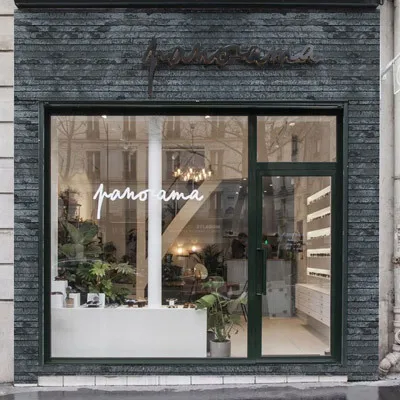
In the world of architectural design, materials aren't just building blocks—they're storytellers. They set moods, evoke emotions, and turn ordinary spaces into memorable experiences. One material that's been quietly stealing the spotlight in contemporary design circles is Dark Grey Muretto Stone . With its moody allure, organic texture, and surprising versatility, it's become a favorite for designers aiming to balance modern minimalism with timeless warmth. But what exactly is it? Why is it gaining traction? And how can it elevate your next project? Let's dive in.
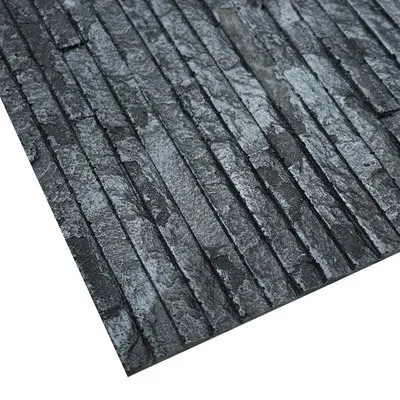
At its core, Dark Grey Muretto Stone is a standout member of the MCM (Modified Composite Material) family—a category of building materials celebrated for blending the best of natural aesthetics with engineered practicality. Part of the broader Muretto Stone series (which also includes light grey and beige variants), this particular iteration is defined by its deep, smoky grey hue and a texture that mimics the weathered charm of ancient stone walls, minus the weight and fragility of traditional rock.
Unlike solid natural stone, which is quarried and cut into heavy slabs, Dark Grey Muretto Stone is crafted through a process that combines natural stone aggregates (think crushed marble, limestone, or travertine) with high-performance polymers. This fusion results in a panel that's thin (typically 3-5mm thick), lightweight, and remarkably flexible—qualities that make it a game-changer for both interior and exterior applications. It's not just a "stone lookalike"; it's a reimagined version of stone, designed for the demands of modern architecture.
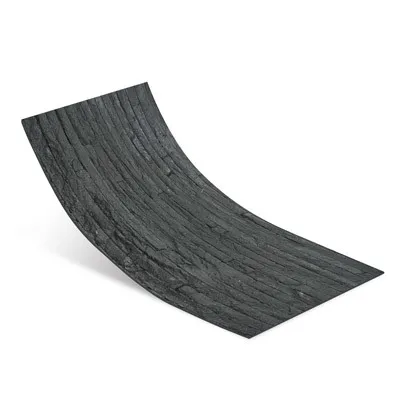
What sets Dark Grey Muretto Stone apart from other cladding materials? Let's break down its most compelling features:
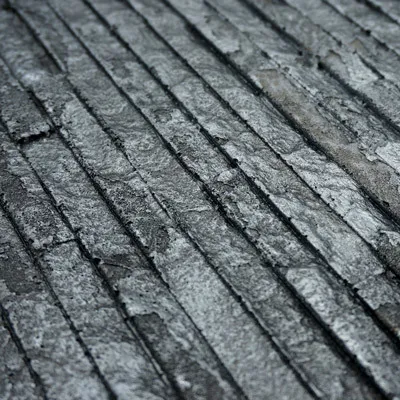
Run your hand across a sheet of Dark Grey Muretto Stone, and you'll immediately notice its tactile personality. Unlike the smooth uniformity of polished concrete or the flashy sheen of marble, its surface is intentionally imperfect—subtle ridges, tiny pockmarks, and soft undulations that echo the look of stone that's been shaped by wind, rain, and time. It's "lived-in" without feeling worn, adding depth to spaces that might otherwise feel cold or sterile.
This texture isn't just for show, either. It plays with light in fascinating ways: in bright daylight, the grey tones shift from deep charcoal to soft graphite; under warm artificial light, they take on a velvety, almost iridescent quality. It's a material that changes with its environment, ensuring no two spaces feel exactly alike.
Here's where the "modified composite" part truly shines. Traditional natural stone can weigh 20-30 kg per square meter, making installation labor-intensive and requiring heavy structural support. Dark Grey Muretto Stone? A mere 3-5 kg per square meter. That's lighter than many types of drywall, yet it delivers the visual impact of stone.
Even more impressive is its flexibility. Unlike rigid stone slabs that crack under stress, Muretto Stone can bend up to 90 degrees without breaking. This makes it ideal for curved walls, rounded columns, or custom-designed facades that demand a seamless, flowing look. Imagine wrapping a spiral staircase in dark grey stone—with Muretto, it's not just possible; it's surprisingly straightforward.
Don't let its lightweight nature fool you—Dark Grey Muretto Stone is a workhorse. Thanks to its polymer reinforcement, it's resistant to the elements that typically plague natural stone: UV rays won't fade its color, moisture won't cause it to crack or warp, and temperature extremes (from scorching desert heat to freezing winter winds) barely phase it. It's also scratch-resistant and easy to clean, making it a smart choice for high-traffic areas like lobbies, hallways, or restaurant walls.
In fact, many manufacturers back it with 15-20 year warranties, a testament to its long-term durability. For commercial projects or homeowners looking to invest in materials that age gracefully, this is a huge plus.
Sustainability isn't just a buzzword in design—it's a responsibility. Dark Grey Muretto Stone checks this box, too. Its production process uses recycled stone aggregates (leftover from natural stone quarrying) and low-VOC polymers, reducing waste and minimizing environmental impact. Plus, because it's lightweight, transporting and installing it requires less energy than hauling heavy stone slabs, further lowering its carbon footprint.
For projects aiming for green building certifications (like LEED or BREEAM), this eco-conscious profile is a significant advantage. It's proof that you don't have to sacrifice aesthetics for sustainability.
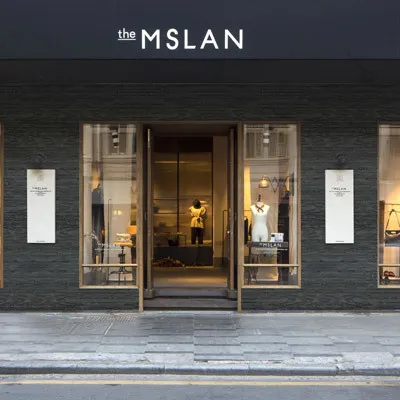
Features are important, but benefits are what truly matter. Here's why Dark Grey Muretto Stone has become a go-to for architects and designers:
Dark grey is often pigeonholed as "cold" or "sterile," but Dark Grey Muretto Stone flips that script. Its texture adds warmth, while its color acts as a chameleon, adapting to different design styles. Pair it with fair-faced concrete and black metal accents for an industrial loft vibe; mix it with light wood and woven textiles for a Scandinavian-inspired home; or contrast it with bold hues like the iridescent sparkle of travertine (starry blue) for a boutique hotel lobby that feels both edgy and inviting.
It also plays well with other materials in the Muretto family. Imagine a feature wall combining Dark Grey Muretto Stone with its lighter beige sibling—suddenly, you have a dynamic, layered look that feels cohesive yet visually engaging.
Thanks to its durability and flexibility, Dark Grey Muretto Stone isn't limited to one type of space. Here are just a few ways it's being used:
Let's talk real-world practicality. Installing natural stone often requires specialized labor, heavy machinery, and structural reinforcements. Dark Grey Muretto Stone? It's lightweight enough to be installed by a small team using basic tools, cutting down on labor costs and project timelines.
Maintenance is a breeze, too. Unlike natural stone, which often needs sealing to prevent stains, a simple wipe with a damp cloth is all it takes to keep Muretto Stone looking fresh. Spills? Scuffs? They're rarely a problem—its tough surface holds up to daily wear and tear.
High-end aesthetics don't have to come with a sky-high price tag. Dark Grey Muretto Stone offers the look of premium natural stone (think dark granite or slate) at a fraction of the cost. Since it's lighter, shipping and installation costs are lower, too. For budget-conscious projects that refuse to compromise on style, this is a game-changer.
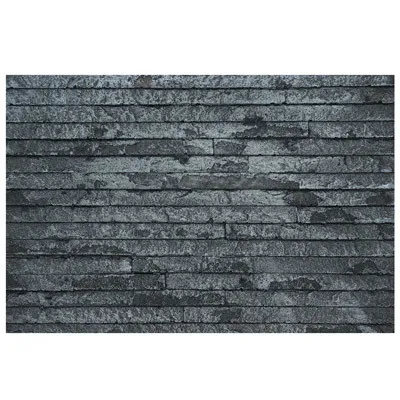
Still wondering how Dark Grey Muretto Stone compares to other popular materials? Let's break it down:
| Material | Texture | Weight (kg/m²) | Durability | Cost |
|---|---|---|---|---|
| Dark Grey Muretto Stone | Weathered, organic ridges | 3-5 | UV/moisture/scratch-resistant | Mid-range |
| Rough Granite Stone (Dark Grey) | Coarse, grainy | 25-30 | High (but prone to cracking) | High |
| Fair-Faced Concrete | Smooth, industrial | 18-22 | High (but porous) | Mid-to-high |
As the table shows, Dark Grey Muretto Stone strikes a rare balance: it offers the texture and durability of natural stone with the practicality and affordability of engineered materials.
Ready to incorporate Dark Grey Muretto Stone into your project? Here are a few designer-approved tips:
In a design world that often oscillates between ultra-sleek minimalism and maximalist excess, Dark Grey Muretto Stone offers a refreshing middle ground. It's a material that honors the beauty of nature while embracing the innovation of engineering—a reminder that the best designs are both timeless and forward-thinking.
Whether you're designing a cozy home office, a bustling restaurant, or a striking commercial facade, it brings something rare to the table: depth without weight, character without maintenance, and luxury without the price tag. It's not just a stone—it's a solution for designers who refuse to compromise.
So, the next time you walk into a space that feels both modern and welcoming, take a closer look. Chances are, Dark Grey Muretto Stone is the quiet hero behind that perfect balance.
Recommend Products












