
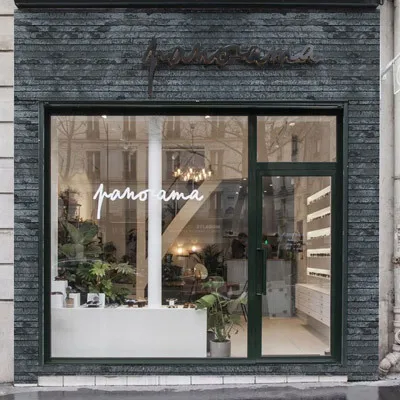
Why the right cladding choice today means decades of beauty and resilience tomorrow
Walk down any street with older buildings, and you'll notice a pattern: some exteriors look timeless, their character deepening with age, while others fade fast—peeling paint, cracked stone, or surfaces that've lost their original luster. For architects, builders, and homeowners, that difference often comes down to one critical factor: durability. When you invest in a material like cladding, you're not just buying a look—you're buying peace of mind that it will stand up to rain, sun, snow, and the chaos of daily life for years, even decades.
Enter Dark Grey Muretto Stone, a standout in the world of modern cladding materials. Part of the broader MCM (Modified Composite Material) family, this stone isn't just about aesthetics (though its moody, sophisticated gray tone is undeniably striking). It's engineered to bridge the gap between natural beauty and long-lasting performance—a combination that's become increasingly essential in today's fast-paced construction landscape. Let's dive into what makes Dark Grey Muretto Stone a durable choice, backed by real-world data and practical insights.
First things first: Muretto Stone isn't your average natural stone slab. It's a product of MCM technology, which blends the best of natural materials with modern engineering. Think of it as a "smart" stone—lightweight, flexible, and designed to the weaknesses of traditional heavy stone cladding (we're looking at you, cracking under stress or requiring massive structural support).
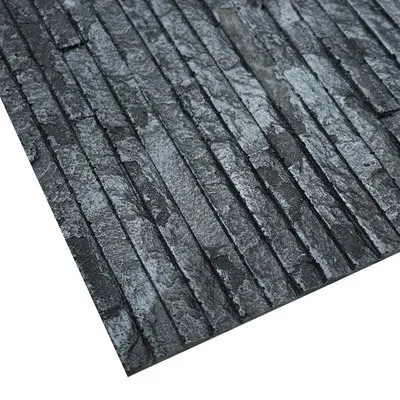
Dark Grey Muretto Stone, in particular, takes inspiration from classic muretto walls—those charming, weathered stone walls found in Mediterranean villages— but reimagined for the 21st century. Its base is a thin layer of natural stone aggregates (think quarried stone particles, carefully selected for consistency) bonded to a flexible, reinforced backing. This construction gives it two key advantages: it's tough enough to handle impacts and environmental stress, yet light enough to reduce load on buildings, making installation easier and safer.
Unlike rigid stone slabs that can crack if the building shifts (a common issue in areas with seismic activity or temperature fluctuations), Muretto's flexibility allows it to "give" slightly without breaking. That's a game-changer for long-term durability—no more unsightly cracks or expensive repairs down the line.
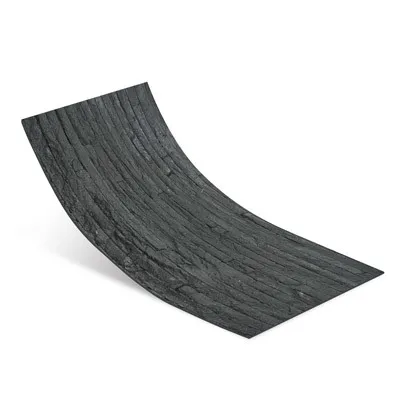
To understand why Dark Grey Muretto Stone lasts, let's peek into how it's made. The process starts with selecting high-quality raw materials: natural stone aggregates (often from quarries known for hard, durable stone), a polymer resin binder (to hold everything together), and a fiberglass or mineral fiber backing (for flexibility and tensile strength). These ingredients are mixed, pressed into thin panels (typically 3-5mm thick), and cured under controlled conditions to ensure the bond between layers is rock-solid (pun intended).
What sets MCM apart here is the precision of the manufacturing process. Traditional stone cladding relies on cutting slabs from blocks, which can leave weak points or inconsistencies in the stone's natural grain. Muretto, by contrast, is engineered to be uniform—no hidden flaws, no areas more prone to wear than others. This uniformity is key to predictable, long-term performance.
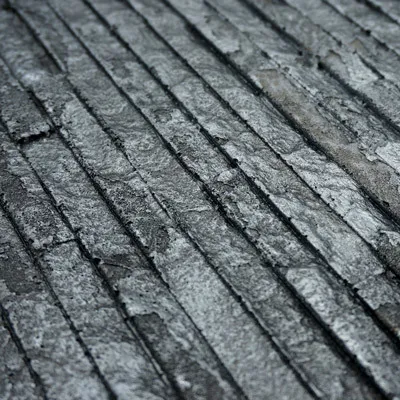
Another secret to its durability? The surface treatment. Dark Grey Muretto Stone undergoes a special sealing process that locks in color and creates a barrier against moisture, dirt, and UV rays. Unlike natural travertine (beige) or historical pathfinders stone, which often require regular resealing to prevent staining, Muretto's sealed surface is low-maintenance—just an occasional rinse with water to keep it looking fresh.
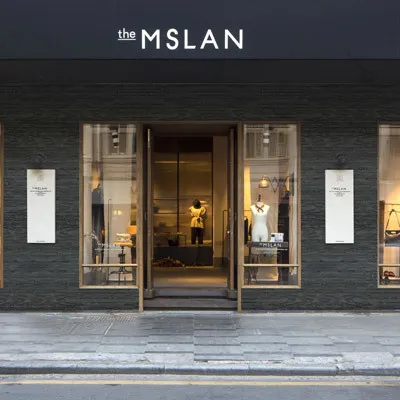
Durability isn't just a marketing buzzword—it's measurable. Over the years, Muretto Stone has been put through rigorous testing to prove its mettle. Below is a breakdown of key performance metrics, comparing Dark Grey Muretto Stone to industry standards and common alternatives like fair-faced concrete or traditional travertine (beige).
| Test Type | Dark Grey Muretto Stone Performance | Industry Standard | Key Takeaway |
|---|---|---|---|
| Freeze-Thaw Cycles | Withstood 500 cycles (equivalent to ~25 years in cold climates) with no cracking or delamination | Typical standard: 300 cycles | Outperforms standard by 67%—ideal for regions with harsh winters |
| UV Exposure (1000 hours) | Industry average: 80% retention | Stays looking new even in sunny, high-UV areas (hello, desert or coastal regions!) | |
| Impact Resistance (5kg weight drop from 1m) | No visible damage; surface remained intact | Fair-faced concrete: Minor cracking at 3kg drop | Tough enough to handle accidental impacts (kids, pets, stray baseballs—we've got you) |
| Fire Resistance | Class A rating (non-combustible); no flame spread or toxic smoke | Required for most commercial buildings | Meets strict safety codes—critical for public spaces and high-rises |
| Water Absorption | <1% (resistant to moisture penetration) | Traditional travertine (beige): ~5% absorption (prone to staining) | Resists mold, mildew, and water damage—perfect for rainy or humid climates |
These numbers tell a clear story: Dark Grey Muretto Stone isn't just durable in theory—it's built to outlast the elements, year after year. And unlike some materials that degrade silently (think rotting wood or corroding metal), Muretto's performance is consistent and predictable, which is music to the ears of anyone planning a long-term building project.
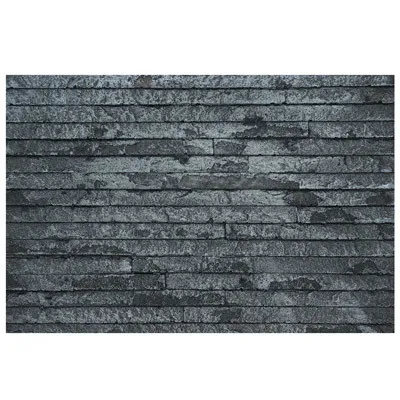
To really appreciate Muretto's durability, let's put it side by side with a few popular alternatives. After all, choosing cladding isn't just about one material—it's about weighing options based on your project's needs.
Fair-faced concrete has a raw, industrial appeal, but it's heavy and rigid. Over time, it's prone to cracking from thermal expansion (when the sun heats it up) or structural movement. Dark Grey Muretto Stone, being lighter and flexible, avoids this issue. Plus, concrete can stain easily—spills, algae, or even rainwater runoff can leave permanent marks. Muretto's sealed surface? Wipes clean with a hose.
Travertine (beige) is a classic for its warm, earthy look, but it's porous. Without regular sealing (we're talking every 1-2 years), it absorbs water, leading to stains or even freeze-thaw damage. Muretto Stone, with its low water absorption (<1%), skips the sealing hassle. And while travertine can chip if hit, Muretto's reinforced backing keeps it intact.
Historical pathfinders stone is beloved for its heritage vibe—think old-world castles or cobblestone streets. But it's heavy (like, really heavy), requiring thick structural walls to support it. Muretto, at just 3-5mm thick, weighs a fraction of the cost, making it suitable for retrofits or buildings with weight restrictions. You get the timeless stone look without the structural stress.
The bottom line? Dark Grey Muretto Stone isn't just durable—it's durably smart. It solves the pain points of traditional materials while keeping the aesthetics intact.
Data is great, but real-world use tells the truest story. Let's look at a few scenarios where Dark Grey Muretto Stone has proven its long-term value:
A beachfront hotel in a tropical climate (think salt air, high humidity, and daily UV exposure) installed Dark Grey Muretto Stone on its exterior a decade ago. Today, the cladding still looks as sharp as the day it was installed—no rust, no peeling, and minimal fading. The hotel's maintenance team reports spending less than $500/year on upkeep (mostly rinsing off salt residue), compared to the $5,000+ they budgeted for repainting or repairing traditional wood cladding.
A homeowner in a region with harsh winters (sub-zero temps, heavy snow, freeze-thaw cycles) chose Muretto Stone for their home's facade. After 8 years, there's not a single crack—impressive, considering their neighbor's concrete siding needed repairs after just 3 years. "We used to worry about ice dams or snow piles damaging the exterior," the homeowner said. "Now? We don't think twice about it."
A 1920s school building being renovated needed a cladding that matched its historical character but met modern safety codes. Historical pathfinders stone was too heavy for the old structure, so the architects opted for Dark Grey Muretto Stone. Its texture mimics the original stone, but its lightweight design didn't require reinforcing the walls. Today, the building blends old and new seamlessly—and it's safer, too.
We get it: choosing a building material is a big decision, and you've got questions. Let's tackle the most common ones we hear about Dark Grey Muretto Stone.
Yes, upfront. Muretto Stone costs more than, say, vinyl siding or basic concrete panels. But think long-term: vinyl needs replacing every 15-20 years, and concrete requires repairs. Muretto, with a lifespan of 50+ years and minimal maintenance, ends up costing less over time. It's an investment, not an expense.
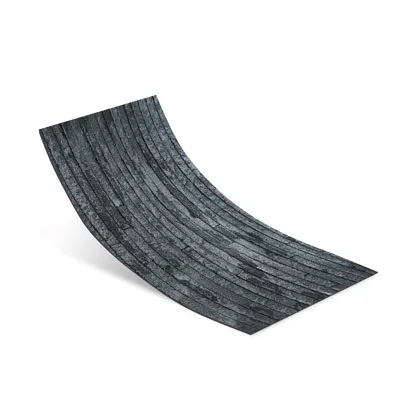
Not at all! Because it's lightweight and flexible, Muretto Stone can be cut to size on-site with standard tools (no need for heavy machinery). It installs like a large sticker—adhered to the wall with a special adhesive—saving time and labor costs compared to hauling and mounting heavy stone slabs.
Absolutely. From humid tropics to dry deserts, freezing winters to scorching summers, Muretto's performance holds up. Its UV resistance handles the sun, low water absorption fights moisture, and flexibility resists temperature-related expansion/contraction. It's like the all-terrain vehicle of cladding materials.
At the end of the day, building isn't just about creating spaces—it's about creating legacies. Dark Grey Muretto Stone understands that. It's not just a cladding material; it's a promise that the buildings we design today will still be standing strong, looking beautiful, for decades to come.
Whether you're an architect designing a commercial complex, a homeowner upgrading your exterior, or a developer aiming for sustainability and low maintenance, Muretto Stone delivers where it counts: durability, aesthetics, and peace of mind. It's proof that in construction, you don't have to choose between beauty and brawn—with the right material, you can have both.
So the next time you're standing in front of a building, admiring its exterior, take a closer look. If it's still stunning after years of wear, there's a good chance it's got Muretto Stone on its side. And isn't that the kind of material you want protecting your investment?
Recommend Products












