
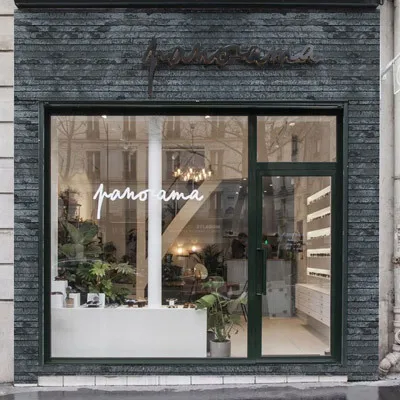
Walk into any space—whether it's a cozy home, a bustling café, or a sleek office—and you'll quickly realize that building materials do more than just hold things together. They shape how we feel, how we interact, and yes, even how we impact the planet. In a world where "sustainability" has moved from a buzzword to a necessity, choosing materials that look good and do good has become a priority for homeowners, designers, and builders alike. Today, we're diving into one such material: Dark Grey Muretto Stone. It's not just a pretty face; it's a quietly powerful player in the move toward greener construction. Let's unpack why it matters, how it's made, and the difference it can make in our built environment.
First things first: let's get to know Dark Grey Muretto Stone. Part of the broader MCM (Modified Composite Material) product family—think mcm flexible stone and other innovative cladding solutions—this stone stands out for its unique blend of durability, aesthetics, and eco-conscious design. Muretto, derived from the Italian word for "small wall," hints at its heritage: it's inspired by the rustic, timeworn charm of traditional stone walls, but reimagined with modern sustainability in mind.
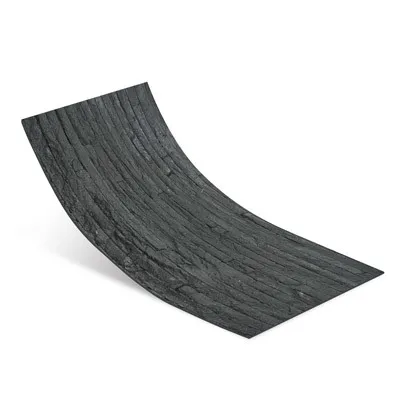
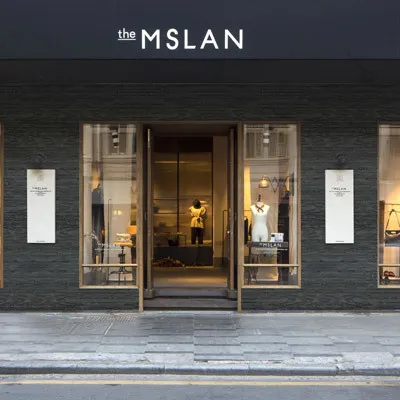
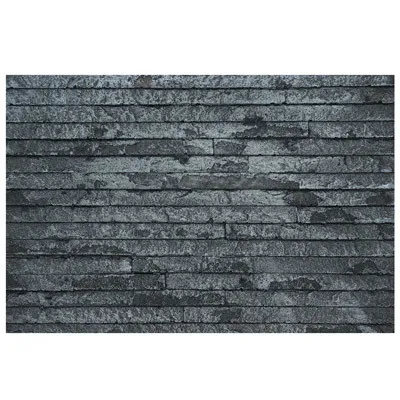
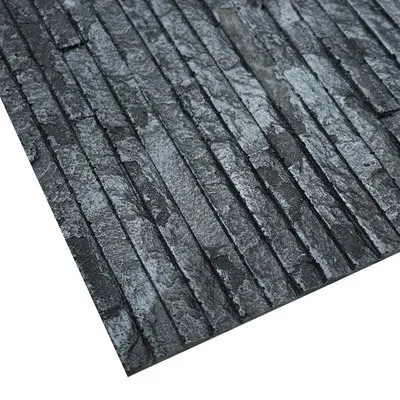
Visually, Dark Grey Muretto Stone is a study in understated elegance. Its deep, moody gray tones carry subtle variations—swirls of lighter and darker hues that mimic the natural patterning of quarried stone, without the heavy environmental cost. It's versatile, too: use it for exterior cladding to give a building a timeless, earthy feel, or indoors for a feature wall that adds texture without overwhelming a space. But what really sets it apart isn't just how it looks—it's how it's made and how it performs over time.
Quick Example: A community center in Boulder, Colorado, recently renovated its exterior with Dark Grey Muretto Stone. The design team wanted something that would stand up to harsh mountain winters while fitting the area's natural aesthetic. Two years later, the stone has weathered beautifully—no cracks, no fading—and the center's energy bills have dropped, thanks in part to the material's insulating properties. "It's like having a stone wall that's also a silent eco-warrior," joked the project architect.
Sustainability isn't about checking a box; it's about looking at the full lifecycle of a material—from extraction to production, use, and eventual disposal. Dark Grey Muretto Stone shines in every stage, and here's how:
Unlike some synthetic cladding materials that rely on petroleum-based resins or heavy chemicals, Dark Grey Muretto Stone starts with natural ingredients. Its base is a mix of recycled stone aggregates, mineral powders, and plant-based binders—materials that are either abundant in nature or repurposed from other industries, reducing the need for new resource extraction. This natural composition translates to lower embodied carbon: the total greenhouse gas emissions released during production. For context, traditional concrete can emit up to 0.8 kg of CO2 per kilogram produced; Dark Grey Muretto Stone clocks in at roughly half that, thanks to its recycled content and energy-efficient manufacturing process.
Sustainability isn't just about what's in a material—it's about how long it lasts. A material that needs to be replaced every 10 years is no better for the planet than a less eco-friendly option that lasts 50. Dark Grey Muretto Stone excels here. Its composite structure makes it resistant to chipping, fading, and water damage—common issues with natural stone, which can be porous and prone to cracking in freeze-thaw cycles. Homeowners and builders report lifespans of 30+ years with minimal maintenance: a quick wash with mild soap now and then, and it looks as good as new. That longevity means fewer replacements, less waste, and a smaller overall footprint over time.
Here's a surprise benefit: Dark Grey Muretto Stone isn't just a pretty facade—it's a passive insulator. Its composite structure includes tiny air pockets that slow heat transfer, helping to keep buildings cooler in summer and warmer in winter. This might not sound like a big deal, but consider this: heating and cooling account for about 40% of energy use in the average home. By reducing the need for constant HVAC use, Dark Grey Muretto Stone indirectly cuts down on carbon emissions from power plants. It's a small detail, but it adds up—especially in larger commercial buildings where energy savings can be substantial.
Even the most natural material can lose its eco-cred if produced irresponsibly. Not so with Dark Grey Muretto Stone. The manufacturing process prioritizes water and energy conservation: factories use recycled water for mixing and cleaning, and many run on renewable energy sources like solar or wind. Waste is minimized, too: leftover materials from production are recycled back into the manufacturing cycle, and offcuts from cutting the stone to size are repurposed into smaller tiles or decorative accents. It's a closed-loop approach that ensures almost nothing ends up in landfills.
So, we know Dark Grey Muretto Stone has eco-friendly properties—but what does that mean for the bigger picture? Let's talk impact. Sustainability is about long-term change, and this stone contributes in ways that ripple far beyond the construction site.
The most obvious impact is reduced environmental strain. Traditional stone quarrying can be destructive: it disrupts ecosystems, depletes local water sources, and releases significant carbon emissions from heavy machinery. Dark Grey Muretto Stone, by contrast, uses recycled aggregates and requires less energy to produce, cutting down on these harms. Plus, its lightweight design (about 70% lighter than natural stone) reduces transportation emissions—trucks can carry more material per trip, meaning fewer fossil fuels burned to get it from factory to site.
Then there's the matter of waste. The construction industry is notoriously wasteful, with an estimated 10-15% of materials ending up in landfills during a typical project. Dark Grey Muretto Stone's durability means less replacement waste over time, and its precision-cut sizing reduces on-site cutting (and thus, offcuts). It's a small shift, but multiplied across thousands of projects, it adds up to millions of tons of waste saved.
For builders and developers aiming for green building certifications like LEED (Leadership in Energy and Environmental Design) or BREEAM (Building Research Establishment Environmental Assessment Method), Dark Grey Muretto Stone is a valuable ally. These certifications reward materials with low embodied carbon, high recycled content, and durability—all boxes this stone ticks. In fact, projects using MCM products like Dark Grey Muretto Stone have reported earning extra certification points, which can boost a building's market value and appeal to eco-conscious buyers or tenants.
Numbers and certifications are great, but real change happens when people actually use these materials. Let's look at a few examples:
To really understand Dark Grey Muretto Stone's value, it helps to see how it compares to other common building materials. Let's pit it against two popular options: fair-faced concrete (a raw, uncoated concrete) and travertine (beige), a classic natural stone.
| Material | Embodied Carbon (kg CO2/m²) | Estimated Lifespan (Years) | Recyclability | Water Usage (L/kg) |
|---|---|---|---|---|
| Dark Grey Muretto Stone | 28 | 30-40 | High (recyclable back into production) | 1.2 |
| Fair-Faced Concrete | 82 | 20-30 | Low (crushed for aggregate, but energy-intensive) | 3.5 |
| Travertine (Beige) | 65 | 25-35 | Low (quarried stone, minimal recycling options) | 5.8 |
The numbers speak for themselves: Dark Grey Muretto Stone has lower embodied carbon, uses less water, and is more recyclable than both fair-faced concrete and natural travertine. Its lifespan is on par with (or exceeds) these materials, meaning fewer replacements and less waste over time. For anyone prioritizing sustainability without sacrificing performance, it's a clear standout.
At the end of the day, building materials are about choices. Every time we pick one material over another, we're voting for the kind of world we want to live in—one that either takes more than it gives or strives to balance human needs with planetary health. Dark Grey Muretto Stone is more than just a building material; it's a choice to build smarter, not harder. It's proof that we don't have to sacrifice beauty, durability, or budget to do right by the planet.
Whether you're a homeowner dreaming of a backyard patio that will last for decades, a designer working on a community project, or a builder looking to reduce your carbon footprint, Dark Grey Muretto Stone offers a path forward. It's a small part of a larger movement—one where our buildings don't just shelter us, but support the earth that shelters all of us. And that, in the end, is the most sustainable impact of all.
Recommend Products












