
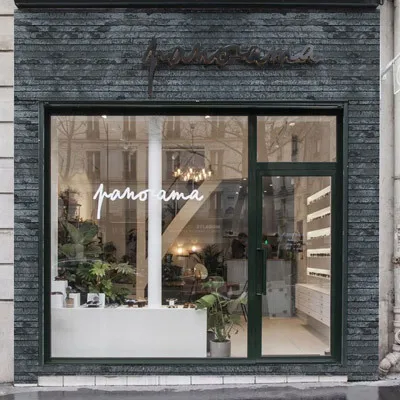
Walk through any city, and you'll notice a common thread in the buildings that line the streets: they're built to stand tall, but few are built to breathe. For decades, architects and builders prioritized form and function—creating structures that looked impressive and served their purpose—often overlooking a critical element: energy efficiency. The result? Buildings that bleed heat in winter, trap it in summer, and leave occupants grappling with sky-high utility bills. It's a silent problem, but one that hits close to home for anyone who's shivered through a drafty office or sweated through a stuffy apartment, all while watching the thermostat and their bank account spiral in opposite directions.
In recent years, though, the tide has shifted. As climate concerns mount and energy costs rise, the industry is waking up to a simple truth: a building's "skin"—the materials that clothe its walls—matters just as much as its skeleton. Enter Dark Grey Muretto Stone, a material that's quietly revolutionizing how we think about building exteriors. It's not just a stone; it's a solution that marries the best of durability, aesthetics, and energy efficiency. But to understand its impact, let's first unpack why energy efficiency in building materials has become so crucial.
Consider this: according to the U.S. Energy Information Administration, buildings account for nearly 40% of total energy consumption in the country, with a large chunk of that going toward heating and cooling. Leaky windows, poor insulation, and inefficient exterior materials are often the culprits. Traditional options like fair-faced concrete, while sturdy, offer little in the way of thermal resistance. Travertine, a beloved natural stone, brings beauty but can be porous and prone to heat transfer. Builders were stuck in a trade-off: choose efficiency and sacrifice style, or prioritize looks and pay the price in energy bills. That is, until materials like Dark Grey Muretto Stone came along.
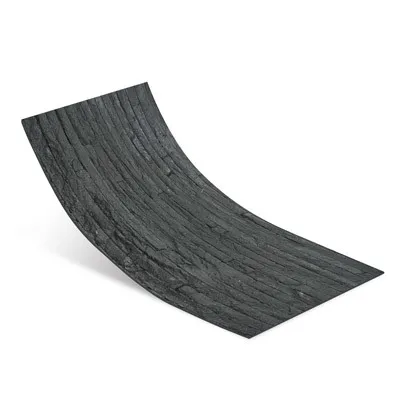
At first glance, Dark Grey Muretto Stone might seem like just another entry in the crowded world of building materials. Its name evokes a sense of old-world charm—"muretto" means "small wall" in Italian, hinting at its roots in traditional masonry—but its performance is thoroughly modern. Developed by MCM, a leader in innovative building solutions, this stone is part of a broader family of materials designed to bridge the gap between tradition and technology. Unlike rough-hewn rocks of the past or synthetic panels of the present, Dark Grey Muretto Stone is engineered with a specific goal: to keep buildings comfortable and efficient, without compromising on design.
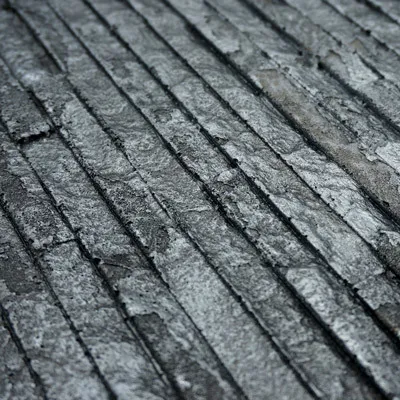
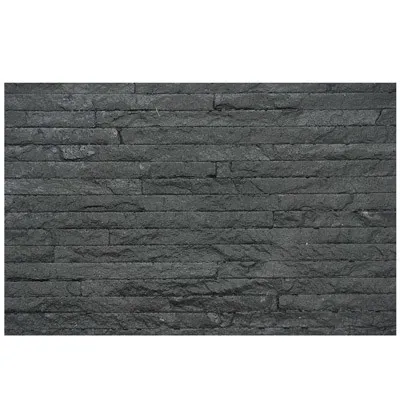
So, what makes it different? Let's start with its composition. Dark Grey Muretto Stone is a modified composite material, blending natural stone aggregates with advanced binders that enhance both strength and thermal properties. Its surface is characterized by a subtle, weathered texture—reminiscent of ancient stone walls that have stood the test of time—with a deep, moody gray hue that shifts with the light. But beneath that timeless exterior lies a smart, science-backed structure: tiny air pockets within the stone trap heat in winter and repel it in summer, acting as a natural insulator. It's like wrapping a building in a blanket that adjusts to the seasons, and it's this unique combination of form and function that has architects and builders taking notice.
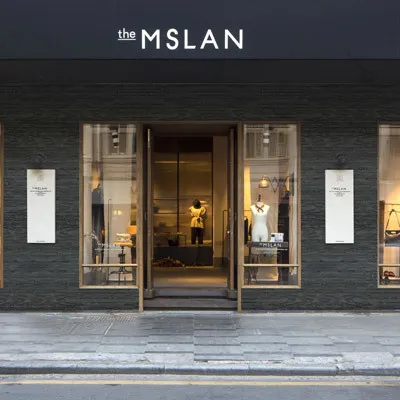
At the heart of Dark Grey Muretto Stone's appeal is its exceptional thermal performance. Let's get technical for a moment—without the jargon. The stone has a high R-value (a measure of thermal resistance), meaning it slows down the transfer of heat better than many traditional materials. For context, standard brick has an R-value of around 0.8 per inch, while fair-faced concrete hovers around 0.1–0.2. Dark Grey Muretto Stone, by contrast, boasts an R-value of 1.5–2.0 per inch, putting it on par with some insulated siding options. This isn't just a minor improvement; it's a game-changer for buildings in extreme climates.
How does it achieve this? The secret lies in its porous microstructure. During manufacturing, the stone is formed with controlled air pockets that act as mini insulators. Think of a down jacket: the feathers trap air, which prevents body heat from escaping. Dark Grey Muretto Stone works similarly, but on a larger scale. In winter, these pockets keep warm air inside, reducing the need for constant heating. In summer, they block hot outdoor air from seeping in, cutting down on air conditioning use. The result? A building that maintains a consistent temperature with far less energy input.
Efficiency is only useful if the material can stand the test of time, and Dark Grey Muretto Stone doesn't disappoint. Unlike wood, which rots, or vinyl, which cracks in extreme heat, this stone is built to withstand the elements. It's resistant to moisture, UV rays, and temperature fluctuations—qualities that make it ideal for both humid coastal areas and dry inland regions. In fact, MCM's testing shows that Dark Grey Muretto Stone can last up to 50 years with minimal maintenance, outperforming many synthetic cladding materials that need replacement every 15–20 years.
This durability translates to long-term savings, too. While the upfront cost of Dark Grey Muretto Stone might be slightly higher than basic concrete or vinyl, its low maintenance needs and energy efficiency mean lower bills over time. A 2023 study by the Green Building Council found that buildings using high-performance cladding materials like Dark Grey Muretto Stone recouped their initial investment within 7–10 years, thanks to reduced energy and repair costs. For homeowners, that's peace of mind; for commercial developers, it's a smart financial decision.
Efficiency and durability are critical, but in the world of architecture, beauty still matters. Dark Grey Muretto Stone shines here, too. Its dark gray color is versatile, pairing seamlessly with other materials like wood, metal, or glass. Want a modern, industrial look? Combine it with foamed aluminium alloy board (vintage silver) for a sleek, metallic contrast. Going for a rustic vibe? Mix in warm-toned travertine accents to soften the palette. The stone's texture also adds depth to facades, creating visual interest without overwhelming the design—a far cry from the flat, lifeless panels that dominate many contemporary buildings.
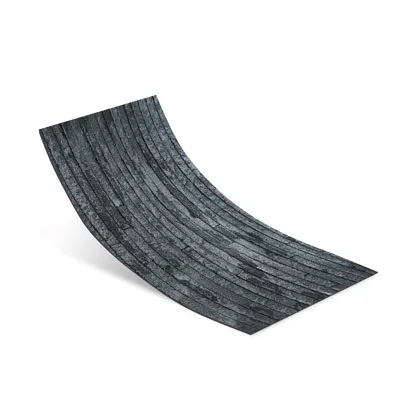
And it's not just about color and texture. Dark Grey Muretto Stone is available in a range of formats, from large slabs for expansive walls to smaller tiles for accent features. This flexibility means it can be used on everything from single-family homes to skyscrapers, from cozy cafes to sprawling office complexes. One project in Chicago even used it to clad a rooftop garden retaining wall, where its weather resistance and natural look helped blend the structure with the surrounding greenery. When a material can transition from urban high-rises to suburban backyards, it's clear it's not just efficient—it's adaptable.
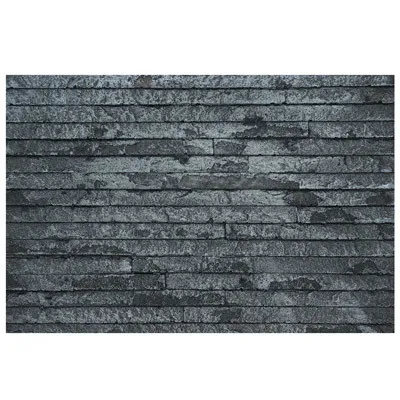
Let's dive into a real project to see Dark Grey Muretto Stone in action. The Maplewood Community Center, located in a suburb of Boston, was built in 2010 with fair-faced concrete walls and minimal insulation. By 2020, its energy bills were soaring, and the center—used by local kids, seniors, and families—was struggling to stay within budget. The town council considered a full renovation but worried about the cost and disruption. That's when Elena Marquez's team proposed a simpler solution: re-cladding the exterior with Dark Grey Muretto Stone.
The project took three months, with workers installing the stone over the existing concrete walls (a process that minimized demolition waste). The transformation was striking. The once-drab concrete facade was replaced with a rich, textured gray surface that complemented the center's wooden roof and large windows. But the real change happened inside. In the first winter after installation (2021–2022), the center's heating costs dropped by 28% compared to the previous year. In summer 2022, air conditioning use fell by 22%. For a building that's open 12 hours a day, seven days a week, those savings added up to over $15,000 annually—money that was redirected to after-school programs and senior activities.
But the impact went beyond dollars and cents. "Before the renovation, the gymnasium was always freezing in winter—kids would wear jackets indoors," says Maria Gonzalez, the center's director. "Now, even on days when it's 20 degrees outside, the temperature stays steady at 68–70 degrees. The seniors who play bingo on Tuesdays? They used to complain about drafts; now they talk about how 'nice and toasty' it is. It's made the space feel more welcoming, and attendance has actually gone up. Who knew a stone wall could do that?"
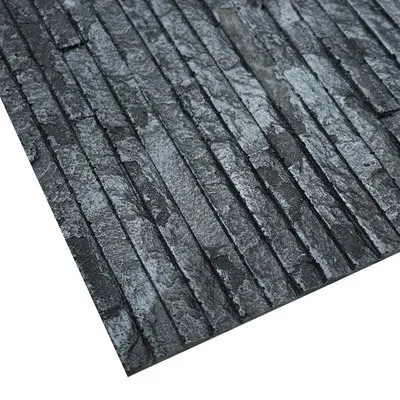
To truly appreciate Dark Grey Muretto Stone, it helps to see how it compares to other popular building materials. Let's take a look at three common options: fair-faced concrete (a staple in modern construction), travertine (a classic natural stone), and Lunar Peak Silvery (another innovative material from MCM's lineup, known for its sleek, metallic finish).
| Material | Thermal Resistance (R-value per inch) | Durability (Est. Lifespan) | Maintenance Needs | Aesthetic Versatility |
|---|---|---|---|---|
| Dark Grey Muretto Stone | 1.5–2.0 | 50+ years | Low (occasional cleaning) | High (textured gray, pairs with wood/metal/glass) |
| Fair-Faced Concrete | 0.1–0.2 | 40–50 years | Medium (sealing every 5–7 years) | Low (flat, uniform appearance) |
| Travertine (Beige) | 0.5–0.7 | 30–40 years | High (sealing every 2–3 years, prone to staining) | Medium (warm, earthy tones but limited color range) |
| Lunar Peak Silvery | 1.2–1.4 | 35–45 years | Low (resistant to corrosion) | High (metallic sheen, modern aesthetic) |
As the table shows, Dark Grey Muretto Stone outperforms fair-faced concrete in thermal resistance by a wide margin and matches or exceeds travertine and Lunar Peak Silvery in durability. Its low maintenance needs are a plus, especially compared to travertine, which requires frequent sealing to prevent stains. And while Lunar Peak Silvery offers a sleek, modern look, Dark Grey Muretto Stone's textured finish adds a warmth that many architects find more inviting for public or residential spaces.
In today's world, efficiency isn't just about saving money—it's about saving the planet. Dark Grey Muretto Stone checks this box, too. Its production process prioritizes sustainability: the stone aggregates are often sourced locally, reducing transportation emissions, and the manufacturing facility runs on renewable energy. Unlike some synthetic cladding materials that release harmful VOCs (volatile organic compounds), Dark Grey Muretto Stone is low-emission, making it safer for both occupants and the environment.
Another eco-friendly bonus? Its longevity. A material that lasts 50+ years means less frequent replacement, which reduces waste. When a building using Dark Grey Muretto Stone eventually reaches the end of its life, the stone can be recycled into aggregate for new construction—a closed-loop system that minimizes landfill impact. Compare that to vinyl siding, which often ends up in landfills after 20–30 years, or aluminum panels that require energy-intensive recycling processes, and the sustainability benefits become clear.
Dark Grey Muretto Stone is just one piece of the puzzle in the future of building materials. Companies like MCM are pushing the envelope with other innovative lines, each designed to solve specific challenges. Take the Lunar Peak series, for example—including Lunar Peak Silvery, Golden, and Black—which offers a metallic, almost futuristic finish for buildings aiming for a cutting-edge look. These materials combine the durability of metal with the thermal efficiency of composites, making them ideal for high-rise buildings where both style and performance matter.
Then there are foamed aluminium alloy boards, available in vintage silver, gold, and classic gold. These lightweight panels are resistant to corrosion and fire, making them perfect for coastal areas or buildings with strict safety codes. And let's not forget travertine—MCM has reimagined this ancient stone with vintage silver, gold, and black finishes, blending its natural beauty with modern durability. The point? The future of building isn't about choosing between efficiency, beauty, or sustainability—it's about having options that deliver all three.
Dark Grey Muretto Stone, in this context, is a bridge between the past and the future. It honors the timeless appeal of natural stone while embracing the technology needed to meet today's energy and environmental demands. It's a reminder that the best building materials don't just serve a function—they tell a story. A story of innovation, of respect for the planet, and of creating spaces that feel like home, no matter how big or small.
As we've explored, Dark Grey Muretto Stone is more than just a building material—it's a solution to a problem we've been grappling with for decades: how to make our buildings efficient without making them sterile, beautiful without making them wasteful. It's a material that understands that a building is more than walls and a roof; it's a place where people live, work, learn, and connect. When Elena Marquez's clients talked about the community center feeling "cozy," or Maria Gonzalez noticed attendance going up because the space was more welcoming, they were describing something profound: the impact of a material that cares about people as much as it cares about performance.
So, what's next? For architects and builders, it's about embracing materials like Dark Grey Muretto Stone as part of a larger vision—one where efficiency and beauty coexist. For homeowners and business owners, it's about asking questions: What's my building made of? How is it affecting my energy bills, my comfort, and the planet? And for all of us, it's about recognizing that the spaces we inhabit shape our lives—and that we have the power to shape those spaces for the better.
Dark Grey Muretto Stone may not be the only answer, but it's a powerful one. It's a stone that doesn't just build walls—it builds a future where our buildings work with us, not against us. And in that future, every wall, every facade, every space has the potential to be both efficient and extraordinary. Now, that's a foundation worth building on.
Recommend Products












