
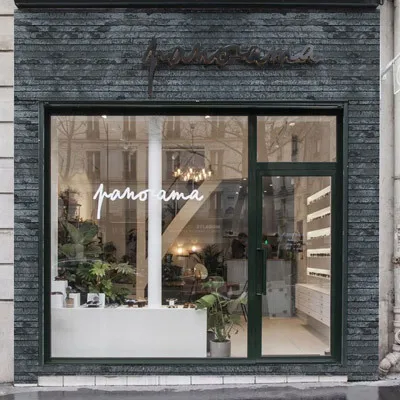
In the sun-drenched landscapes of Saudi Arabia, where architecture meets tradition and modernity, exterior walls are more than just barriers—they're storytellers. They reflect the region's rich cultural heritage, withstand the harsh desert climate, and shape the character of homes, commercial spaces, and public buildings alike. For architects, homeowners, and designers, choosing the right material is a balance of beauty, durability, and soul. Enter dark grey muretto stone —a material that's been turning heads in recent years for its ability to blend rugged charm with timeless elegance. In this guide, we'll explore why dark grey muretto stone has become a favorite for exterior walls in Saudi Arabia, how to use it effectively, and why it might just be the missing piece in your next project.
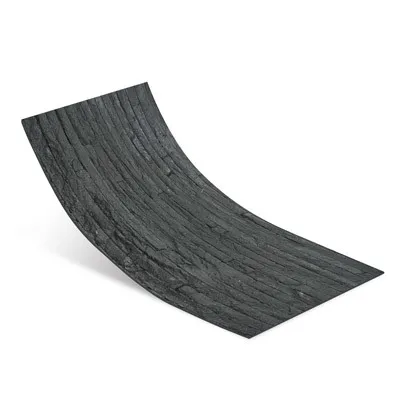
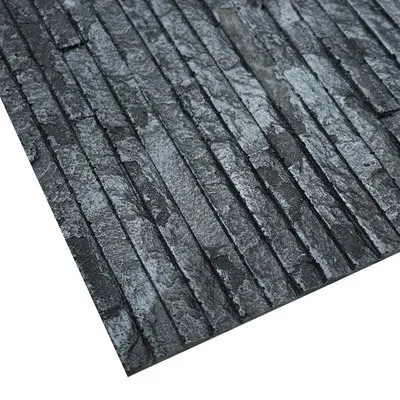
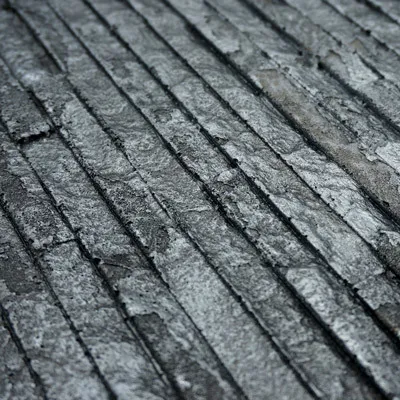
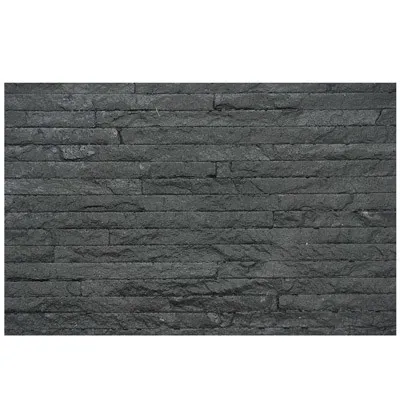
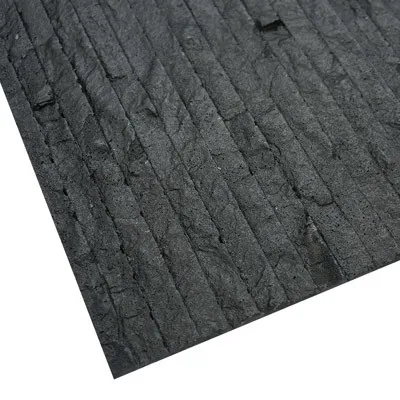
First, let's get up close with dark grey muretto stone. Unlike sleek marbles or uniform concrete, muretto stone has a tactile, handcrafted quality that feels alive. Originating from traditional Italian masonry techniques (the word "muretto" translates to "small wall" in Italian), this stone is characterized by its rough-hewn texture, irregular edges, and deep, moody color palette. Dark grey muretto, in particular, carries a sense of (calmness) and strength—it's not flashy, but it commands attention with its understated presence.
What sets it apart? Its composition. Made from a blend of natural stone aggregates, cement, and pigments, dark grey muretto stone is engineered to mimic the look of aged stone walls without the weight or maintenance headaches of natural rock. It's lightweight enough for modern construction, yet dense enough to stand up to Saudi Arabia's extreme temperatures—think scorching summer days hitting 50°C and chilly winter nights dropping to single digits. And that texture? It's no accident. The rough surface isn't just for show; it helps diffuse sunlight, reducing heat absorption and keeping interiors cooler during the day—a practical bonus in a country where air conditioning bills can spike.
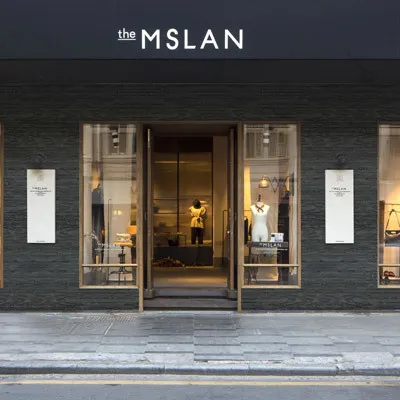
Saudi Arabia's climate is no joke. Blistering sun, occasional sandstorms, and low rainfall demand materials that can take a beating. Dark grey muretto stone isn't just pretty—it's a workhorse. Here's why it's a match made in design heaven for the Kingdom:
Desert heat can warp, fade, or crack weaker materials, but dark grey muretto stone laughs in the face of UV rays. Its pigment is mixed into the material, not just painted on, so it resists fading even after years of direct sunlight. And when sandstorms roll in? The rough texture acts like a shield, preventing fine sand particles from scratching or eroding the surface. Unlike porous stones that absorb rain (though rare in Saudi Arabia), muretto stone is treated to repel moisture, avoiding mold or discoloration. For coastal areas like Jeddah, where salt air can corrode metal and stone, its non-porous nature is an added bonus.
Saudi architecture is a tapestry of old and new. From the mud-brick structures of Najd to the glass skyscrapers of Riyadh, there's a deep respect for materials that feel "rooted." Dark grey muretto stone echoes the earthy tones of traditional Saudi masonry—think the weathered walls of historic forts or the rugged beauty of mountain villages—while offering a sleek, contemporary finish. It pairs seamlessly with other regional favorites like travertine (beige) (a warm, sandy stone often used in courtyards) and rough granite stone (dark grey) (a staple in luxury villas), creating a palette that feels both local and global.
In a country where cooling costs are a major concern, dark grey muretto stone's thermal properties are a game-changer. Its thick, textured surface acts as a natural insulator, slowing heat transfer from the exterior to the interior. During the day, it absorbs less heat than smooth, dark materials like black granite, and at night, it releases stored heat slowly, helping maintain a stable indoor temperature. Homeowners report noticing a difference in their AC usage—small, but meaningful, especially in larger villas or commercial spaces.
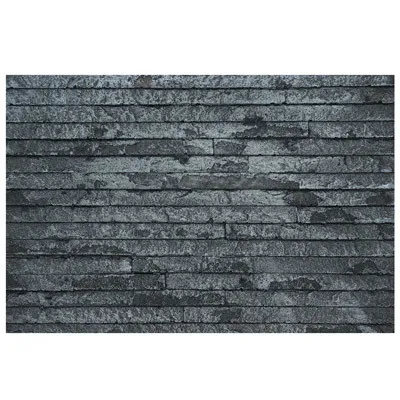
One of the best things about dark grey muretto stone is its chameleon-like ability to adapt to different design styles. Whether you're going for a minimalist modern villa, a traditional Najdi home, or a coastal retreat in Yanbu, this stone plays well with others. Let's explore some of the most inspiring combinations and applications in Saudi Arabia:
Saudi design often leans into warm, earthy tones that reflect the desert landscape. Dark grey muretto stone shines when paired with travertine (beige) —a soft, porous stone with subtle veining that adds warmth to the cool grey. Imagine a villa exterior where dark grey muretto forms the main wall, accented with travertine beige columns and a travertine pathway leading to the entrance. The contrast is striking but harmonious, like desert rocks against golden sand. Add wooden accents (think carved door frames or window shutters) for a touch of warmth, and you've got a look that feels both timeless and inviting.
For contemporary projects—like a Riyadh penthouse or a Jeddah office building—dark grey muretto stone adds texture without cluttering the design. Pair it with large glass windows, metal fixtures (brushed nickel or black iron), and fair-faced concrete (a raw, unfinished concrete that complements the stone's industrial edge). The result? A facade that's sleek but not sterile, with the muretto stone adding depth and character. Architects love this combo for its ability to balance "cold" modern materials with organic warmth.
In regions like Riyadh or Hail, where traditional Najdi architecture is celebrated, dark grey muretto stone can pay homage to the past while updating it for modern living. Najdi homes are known for their thick walls, inward-facing courtyards, and decorative mashrabiya (lattice screens). Use dark grey muretto for the main exterior walls, then add traditional elements like wooden mashrabiya in warm tones or historical pathfinders stone (a weathered, earthy stone with hints of terracotta) for accent walls. The muretto's rough texture mirrors the hand-built feel of traditional mud-brick walls, but with the durability to last for decades.
Installing dark grey muretto stone isn't rocket science, but it does require careful planning and skilled craftsmanship. Here's a step-by-step guide to ensure your project goes smoothly:
Before installing the stone, the wall surface must be clean, dry, and structurally sound. In Saudi Arabia, many new builds use concrete block walls, which are ideal for muretto stone. If working with an existing wall, repair any cracks or damage, and apply a coat of primer to help the adhesive bond. For older walls with uneven surfaces, consider adding a layer of cement render to create a flat base—this will ensure the stone lies evenly and avoids gaps.
Dark grey muretto stone comes in various formats: panels, tiles, or individual stones. For exterior walls, panels (typically 60x120cm) are the most efficient choice, as they cover large areas quickly. When ordering, ask for a "blended batch"—stones from the same production run but with slight variations in color and texture. This mimics the natural inconsistency of traditional muretto walls and adds visual interest. Inspect the stones upon delivery: reject any with cracks, chips, or discoloration, as these will weaken the final wall.
The key to a beautiful muretto wall is proper spacing and alignment. Start at the bottom corner of the wall and work your way up, using a level to ensure each panel is straight. Apply a thin layer of adhesive (a polymer-modified mortar works best in Saudi's humidity) to the back of each panel, then press firmly into place. Leave a 5-8mm gap between panels for grout—this allows for expansion in heat and adds to the stone's rustic look. For corners, use special corner panels or cut stones at a 45° angle for a clean finish.
Once the adhesive has dried (usually 24-48 hours), it's time to grout. Use a grout that matches the stone's color (dark grey or charcoal) to keep the focus on the texture. Apply grout with a rubber float, pressing it into the gaps, then wipe away excess with a damp sponge. After the grout cures (another 24 hours), seal the entire wall with a breathable stone sealer. This step is crucial in Saudi Arabia: the sealer repels dust, sand, and occasional rain, preventing stains and ensuring the stone stays looking fresh for years.
One of the biggest perks of dark grey muretto stone is that it's low-maintenance—great news for busy homeowners or commercial property managers. With a little care, your exterior walls will stay stunning for decades:
Unlike natural marble or limestone, which can etch or stain easily, dark grey muretto stone is forgiving. It ages gracefully, developing a subtle patina over time that only adds to its charm—think of it like a well-loved leather jacket, getting better with wear.
To see dark grey muretto stone in action, let's take a trip to Riyadh's Al Yasmin District, where architect Lina Al-Mansoori recently completed a private villa project. The client wanted a home that felt both modern and connected to Saudi heritage, with exterior walls that could withstand the city's hot, dry summers and occasional sandstorms.
Al-Mansoori chose dark grey muretto stone for the main facade, paired with travertine (beige) for the courtyard walls and rough granite stone (dark grey) for the driveway borders. "The muretto stone was the star," she says. "Its texture adds depth, and the dark grey color contrasts beautifully with the travertine's warmth. The client was worried about heat, but after six months, they've noticed their AC runs less than in their old home. Plus, the stone has held up perfectly through two sandstorms—no scratches, no fading."
The villa's exterior now serves as a neighborhood landmark, with neighbors stopping to ask about the material. "It's not just a wall," Al-Mansoori adds. "It's a statement about living in harmony with the desert. Dark grey muretto stone doesn't fight the environment—it works with it."
Of course, dark grey muretto stone isn't the only option for exterior walls in Saudi Arabia. Let's see how it stacks up against popular alternatives:
| Material | Pros | Cons | Best For |
|---|---|---|---|
| Dark Grey Muretto Stone | Texture, climate resistance, low maintenance, cultural fit | Slightly higher cost than concrete | Modern, traditional, or mixed-style homes; commercial buildings |
| Fair-Faced Concrete | Affordable, sleek, industrial look | Prone to cracking in extreme heat; shows stains easily | Minimalist modern projects with strict budgets |
| Natural Granite (Dark Grey) | Extremely durable, high-end look | Heavy (requires strong structural support); expensive | Luxury villas, high-rise exteriors |
| Historical Pathfinders Stone | Heritage-inspired, warm tones | Less durable than muretto; fades in direct sunlight | Restoration projects, traditional Najdi homes |
As the table shows, dark grey muretto stone strikes a unique balance: it offers the durability of granite, the texture of historical stone, and the versatility of concrete—all without the drawbacks. For most Saudi projects, it's a middle ground that delivers on both function and feeling.
In the end, choosing dark grey muretto stone for your exterior walls is about more than aesthetics or durability. It's about building something that feels alive—something that tells a story of craftsmanship, resilience, and respect for the land. In Saudi Arabia, where architecture is a bridge between past and future, this stone fits right in. It's rough enough to stand up to the desert, warm enough to feel like home, and beautiful enough to make every arrival feel special.
Whether you're designing a villa in Riyadh, a boutique hotel in AlUla, or a commercial complex in Dammam, dark grey muretto stone invites you to create walls that don't just exist—they matter. So go ahead, touch the texture, imagine the sun setting on that dark grey facade, and let your next project tell a story worth remembering.
Recommend Products












