
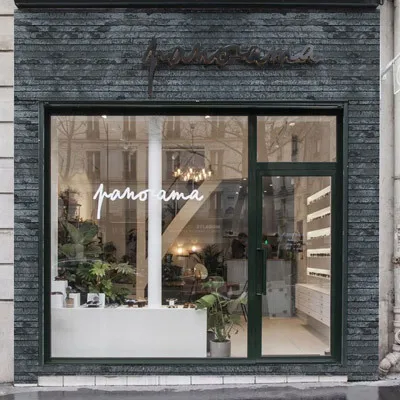
Walk into any modern architect's studio these days, and you'll notice a shift in the conversation around building materials. It's no longer just about aesthetics or cost—though those still matter. Today, the talk is about impact: How does this material affect the planet? Can it help a project earn LEED certification? And perhaps most importantly, does it balance sustainability with the timeless beauty clients crave? For many designers, one material has been rising to the top of these discussions: Dark Grey Muretto Stone. A staple in the mcm flexible stone family, this unassuming yet striking material is quietly redefining what green building looks like—one panel at a time.
But what exactly is Dark Grey Muretto Stone, and why is it becoming a go-to for LEED-focused projects? Let's start with the basics. Part of the broader modified composite material panels category, Dark Grey Muretto Stone is engineered to mimic the rugged, earthy texture of traditional stone while packing a punch in sustainability. It's not just a pretty face, though—its design prioritizes durability, energy efficiency, and minimal environmental footprint, making it a natural fit for projects aiming to meet the rigorous standards of the Leadership in Energy and Environmental Design (LEED) rating system. In this article, we'll dive into how this material works, why it's a boon for green building, and how it helps projects earn those coveted LEED credits.
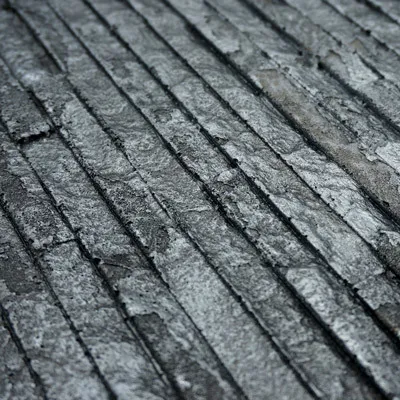
First, let's get a feel for the material itself. Run your hand over a Dark Grey Muretto Stone panel, and you'll notice the subtle, weathered texture—reminiscent of stone walls that have stood for centuries, yet with a uniformity that modern construction demands. Unlike natural stone, which often requires extensive quarrying and transportation (both major carbon contributors), Dark Grey Muretto Stone is crafted using a blend of recycled aggregates, natural minerals, and a low-VOC (volatile organic compound) binding agent. This hybrid approach reduces its environmental impact from the start, but that's just the beginning.
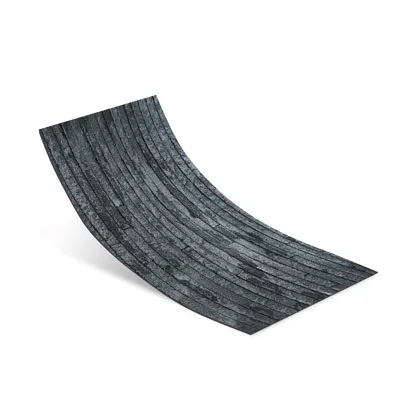
One of the material's standout features is its flexibility. As part of the mcm flexible stone lineup, it can be bent or curved to fit unique architectural designs without cracking—a far cry from rigid natural stone, which often limits creativity or leads to wasteful cuts. This flexibility isn't just about design freedom, though; it also translates to easier installation. Lighter than traditional stone (thanks to its composite makeup), Dark Grey Muretto Stone panels reduce the need for heavy machinery during construction, cutting down on job site emissions and labor costs. For contractors, this means faster installation times and fewer delays—a win-win for both the project timeline and the planet.
But perhaps most importantly, Dark Grey Muretto Stone is built to last. Its composite structure resists moisture, mold, and UV damage, meaning buildings clad in this material require less frequent replacement or repair. In a world where the construction industry is grappling with the "throwaway" culture of fast-moving trends, durability is a silent sustainability hero. Less replacement equals less demand for new materials, fewer emissions from manufacturing, and a smaller overall carbon footprint over a building's lifetime. It's a simple equation, but one that's often overlooked in material selection.
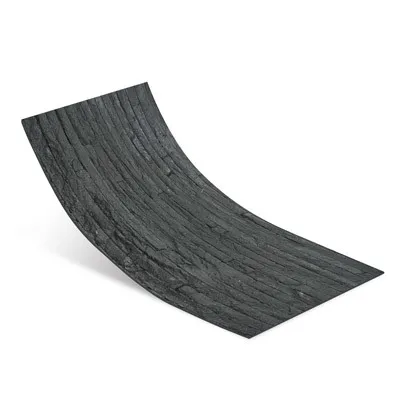
To truly understand why Dark Grey Muretto Stone is a LEED champion, we need to follow its journey from production to performance. Let's start at the factory. Unlike natural stone quarries, which can disrupt ecosystems and deplete local resources, the manufacturing process for Dark Grey Muretto Stone prioritizes resource efficiency. Many producers use up to 40% recycled content in their panels—think crushed glass, reclaimed concrete, and even post-industrial stone waste that would otherwise end up in landfills. This not only diverts waste but also reduces the need for extracting virgin materials, a key point for LEED's Materials and Resources (MR) credits.
Energy use during production is another area where Dark Grey Muretto Stone shines. Traditional stone processing often involves high-heat treatments or chemical-intensive finishing, both of which guzzle energy. In contrast, the composite binding process for Muretto Stone requires lower temperatures, and many manufacturers now power their facilities with renewable energy sources like solar or wind. The result? A production cycle with significantly lower greenhouse gas emissions compared to both natural stone and even some other composite materials.
Once installed, Dark Grey Muretto Stone continues to deliver sustainability wins through its thermal performance. The material's density and airtight composition act as a natural insulator, reducing heat transfer between a building's interior and exterior. In hot climates, this means less reliance on air conditioning to keep spaces cool; in cold climates, it helps retain heat, lowering heating costs. Either way, the result is reduced energy consumption—a critical factor for LEED's Energy and Atmosphere (EA) credits, which focus on optimizing energy performance and reducing a building's carbon footprint.
Indoor air quality is another often-overlooked aspect of green building, and here too, Dark Grey Muretto Stone excels. Because it's made with low-VOC binders and contains no harmful chemicals like formaldehyde or asbestos, it doesn't off-gas pollutants into the air. This is a big deal for LEED's Indoor Environmental Quality (EQ) credits, which prioritize creating healthy spaces for occupants. Imagine a school or office building where the walls themselves aren't contributing to respiratory issues or headaches—that's the difference low-VOC materials can make. For architects and developers, this isn't just about meeting a credit requirement; it's about designing spaces that support human health, which is increasingly a priority for clients and tenants alike.
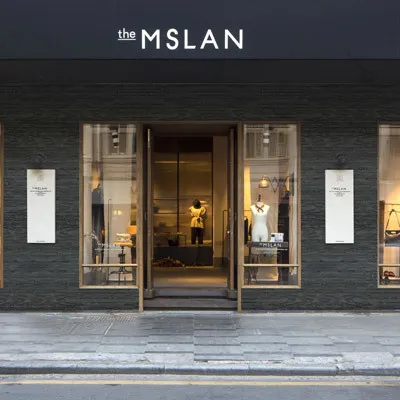
Now, let's get into the nitty-gritty: LEED credits. The LEED rating system is divided into several categories, each with specific criteria projects must meet to earn points. The more points, the higher the certification (Certified, Silver, Gold, or Platinum). Dark Grey Muretto Stone contributes to credits across multiple categories, making it a versatile asset for LEED projects. Let's break down the key areas where it makes the biggest impact.
LEED's MR category focuses on minimizing waste, using sustainable materials, and promoting recycling. Dark Grey Muretto Stone checks several boxes here. First, its high recycled content (often 30-40%, depending on the manufacturer) directly contributes to MR Credit 4: Recycled Content, which rewards projects that use materials with post-consumer or post-industrial recycled materials. For example, a project using Muretto Stone with 35% recycled content could earn up to 2 LEED points under this credit alone.
Then there's MR Credit 5: Regional Materials, which encourages using materials sourced from within 500 miles of the project site to reduce transportation emissions. Many Dark Grey Muretto Stone manufacturers have localized production facilities, making it easier for projects to meet this requirement. Even when sourced from farther away, the material's lightweight nature means lower transportation costs and emissions compared to hauling heavy natural stone slabs—another plus for regional sourcing goals.
Waste reduction during construction is another MR focus, and here, Muretto Stone's flexibility and precision-cut panels shine. Because the material can be custom-fabricated to fit a project's exact dimensions, there's less on-site cutting and trimming, which translates to less construction waste. Traditional stone, by contrast, often results in 10-15% waste due to irregular shapes and breakage during cutting. For a large-scale project, that's a significant amount of material diverted from landfills—earning points under MR Credit 2: Construction Waste Management.
Energy efficiency is the cornerstone of LEED's EA category, and Dark Grey Muretto Stone's thermal properties make it a star player here. As an exterior cladding material, it acts as a barrier against heat gain in summer and heat loss in winter, reducing the load on HVAC systems. This directly contributes to EA Credit 1: Optimize Energy Performance, which rewards projects that exceed baseline energy standards. In fact, studies have shown that buildings using Muretto Stone cladding can reduce heating and cooling costs by 15-20% compared to those with traditional stone or vinyl siding. For a commercial building, that's not just a LEED credit—it's a long-term cost saver for the owner.
The material's reflectivity is another energy-related bonus. Dark Grey Muretto Stone's surface, while dark in color, is engineered to reflect a portion of solar radiation (thanks to its mineral additives), reducing the urban heat island effect. This is particularly valuable for LEED's Sustainable Sites (SS) Credit 7: Heat Island Reduction, which aims to mitigate the warming of urban areas caused by dark, heat-absorbing surfaces. By reflecting sunlight instead of absorbing it, Muretto Stone helps keep building temperatures lower and reduces the need for air conditioning—another win for both energy efficiency and occupant comfort.
LEED's EQ category is all about creating healthy, comfortable indoor environments, and Dark Grey Muretto Stone supports this in several ways. As mentioned earlier, its low-VOC composition means it doesn't release harmful chemicals into the air, which is critical for EQ Credit 1: Indoor Air Quality Assessment. This is especially important for sensitive spaces like hospitals, schools, or residential buildings, where poor air quality can lead to health issues like asthma or allergies.
Additionally, the material's moisture resistance helps prevent mold growth, which is a common indoor air quality culprit. Unlike wood or even some natural stones, Dark Grey Muretto Stone doesn't absorb water, so it stays dry and mold-free even in humid climates. This not only keeps the air healthier but also reduces maintenance costs over time—another example of how sustainability and practicality go hand in hand with this material.
While much of Dark Grey Muretto Stone's impact is on materials and energy, it also contributes to LEED's SS category, which focuses on reducing a project's impact on its surrounding environment. For instance, the material's lightweight nature reduces the need for deep foundations or structural reinforcements, which can disrupt soil and vegetation on-site. This is a small but meaningful contribution to SS Credit 1: Site Selection, which encourages projects to minimize disturbance to natural habitats.
Its durability also plays a role here. A building clad in Dark Grey Muretto Stone requires fewer repairs or replacements, which means less frequent construction activity on-site over time. This reduces noise pollution, traffic, and disruption to the surrounding community—an often-overlooked aspect of sustainable building that neighbors (and LEED assessors) appreciate.
| LEED Category | LEED Credit | Dark Grey Muretto Stone Contribution | Traditional Natural Stone Contribution | Key Benefit |
|---|---|---|---|---|
| Materials and Resources (MR) | MR Credit 4: Recycled Content | 30-40% recycled content; up to 2 points | 0-5% recycled content; 0-1 point | Reduces virgin material extraction |
| Energy and Atmosphere (EA) | EA Credit 1: Optimize Energy Performance | 15-20% energy savings; up to 10 points | 5-10% energy savings; up to 5 points | Lowers long-term operational costs |
| Indoor Environmental Quality (EQ) | EQ Credit 1: Indoor Air Quality | Low-VOC, mold-resistant; 2-3 points | May contain sealants with high VOCs; 0-1 point | Improves occupant health and comfort |
| Sustainable Sites (SS) | SS Credit 7: Heat Island Reduction | Engineered reflectivity; 1-2 points | Low reflectivity; 0 points | Reduces urban heat island effect |
| Materials and Resources (MR) | MR Credit 5: Regional Materials | Local production available; 1-2 points | Often sourced globally; 0 points | Reduces transportation emissions |
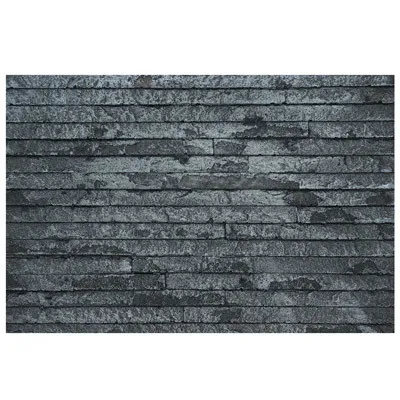
Numbers and credits are one thing, but seeing how Dark Grey Muretto Stone performs in real projects brings its benefits to life. Let's take a look at two recent examples where the material played a key role in earning LEED certification.
In Dubai, where extreme temperatures and strict sustainability goals collide, the Green Horizon Office Tower set out to achieve LEED Gold certification. The project's architects needed an exterior cladding material that could withstand the desert heat, reduce cooling costs, and align with the city's push for green building. After evaluating options, they chose Dark Grey Muretto Stone for the tower's facade, citing its thermal insulation properties and recycled content as deciding factors.
The results were impressive. The Muretto Stone panels reduced the building's cooling load by 18%, helping it earn 8 points under EA Credit 1. Its 35% recycled content contributed 2 points under MR Credit 4, and local sourcing (from a manufacturer in Abu Dhabi, within the 500-mile radius) added another point under MR Credit 5. In total, the material helped the project secure 11 LEED points across three categories—pushing it over the Gold threshold. Today, tenants report lower energy bills, and the building's dark grey facade has become a landmark in Dubai's skyline, proving that sustainability and aesthetics can coexist.
On the opposite side of the globe, the Riverbank Residences, a 12-story affordable housing complex in Portland, aimed for LEED Silver certification with a focus on indoor air quality and resident health. Located in a rainy climate, the project needed a cladding material that could resist moisture and mold while keeping energy costs low for low-income families. Dark Grey Muretto Stone emerged as the top choice, thanks to its mold-resistant properties and thermal efficiency.
During construction, the lightweight panels reduced installation time by 20%, cutting labor costs and minimizing disruption to the surrounding neighborhood. Post-occupancy, air quality tests showed VOC levels 60% lower than the national average, earning the project 3 points under EQ Credit 1. The material's insulation properties also reduced heating costs by 15% for residents, making the apartments more affordable to live in long-term. For a project focused on accessibility and health, Dark Grey Muretto Stone wasn't just a sustainable choice—it was a community-focused one.
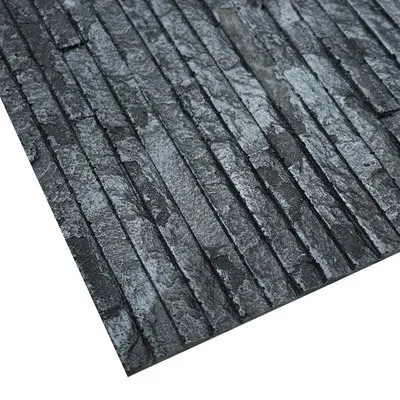
With so many "green" building materials on the market, what makes Dark Grey Muretto Stone stand out? For one, it doesn't force a trade-off between sustainability and performance. Too often, eco-friendly materials sacrifice durability or aesthetics to meet green goals, but Muretto Stone delivers on both. Its ability to mimic the look of natural stone without the environmental cost is a game-changer for architects who don't want to compromise on design.
Another advantage is its versatility. Whether used for exterior cladding, interior accent walls, or even flooring, Dark Grey Muretto Stone adapts to different applications. This flexibility makes it a one-stop solution for projects looking to maintain a cohesive design language while meeting LEED criteria across multiple spaces. For example, a hotel might use it for both exterior walls and lobby floors, earning MR credits for consistent recycled content and EQ credits for indoor air quality in one fell swoop.
Cost is also a factor. While some sustainable materials come with a premium price tag, Dark Grey Muretto Stone is often comparable in cost to mid-range natural stone, with lower long-term maintenance costs. This makes it accessible to projects of all sizes, from luxury commercial towers to affordable housing—ensuring that sustainability isn't just for the elite. As one contractor put it, "Why pay more for natural stone that requires replacement in 15 years when Muretto Stone lasts 30+ and helps you earn LEED points? It's a no-brainer."
As LEED standards continue to evolve—with a greater focus on carbon neutrality, circular economy, and resilience—materials like Dark Grey Muretto Stone are poised to play an even bigger role. Manufacturers are already experimenting with higher recycled content (aiming for 50% by 2030) and integrating carbon-capturing technologies into the production process. Imagine a panel that not only reduces emissions but actively removes carbon from the atmosphere—that's the future some in the industry are chasing, and Muretto Stone is at the forefront of that innovation.
There's also growing interest in combining Dark Grey Muretto Stone with other sustainable technologies, like green roofs or solar panels. For example, a building clad in Muretto Stone could pair its thermal insulation with solar panels on the roof, creating a "double duty" system that maximizes energy efficiency. As more projects adopt this integrated approach, we'll likely see even higher LEED scores and more ambitious sustainability goals.
Perhaps most exciting is the potential for Dark Grey Muretto Stone to inspire a shift in how we think about building materials. It's not just about "being green"—it's about creating buildings that work with the planet, not against it. A building clad in Muretto Stone isn't just a structure; it's a statement that sustainability, durability, and beauty can go hand in hand. And in a world where climate change is no longer a distant threat, that statement matters more than ever.
At the end of the day, Dark Grey Muretto Stone is more than just a building material—it's a tool for change. It represents a shift in the construction industry toward materials that are designed with the planet in mind, without sacrificing the functionality or beauty that make buildings feel like home, workspaces, or landmarks. For architects, developers, and contractors, it's a way to meet LEED requirements without compromise. For occupants, it's a healthier, more comfortable space to live and work. And for the planet, it's a step toward reducing the construction industry's massive carbon footprint.
So the next time you walk past a building with a rugged, dark grey facade, take a closer look—it might just be Dark Grey Muretto Stone. And if it is, know that behind that texture lies a story of sustainability: recycled materials, reduced emissions, and a commitment to building a better future. In the end, LEED certification isn't just about a plaque on the wall; it's about creating spaces that leave the planet in better shape than we found it. With materials like Dark Grey Muretto Stone leading the way, that future is looking a little brighter—one panel at a time.
Recommend Products












