
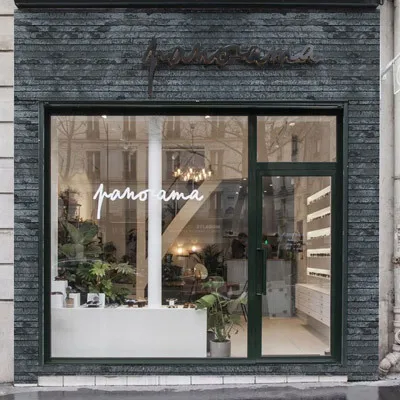
Choosing the right cladding or flooring material for your home, office, or commercial space is more than just a design decision—it's an investment. Every material comes with its own set of trade-offs: upfront costs, aesthetic appeal, durability, and, crucially, maintenance needs. For those who've fallen for the understated elegance of dark grey muretto stone , you're already on the path to a timeless look. But what about the long-term costs of keeping that beauty intact? In this guide, we'll break down everything you need to know about maintaining dark grey muretto stone, compare it to other popular materials like fair-faced concrete and rough granite stone (dark grey) , and show you why this choice might just save you money over decades.
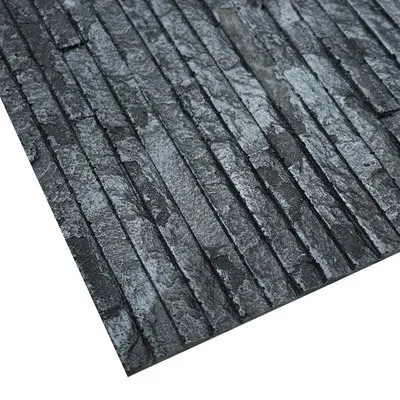
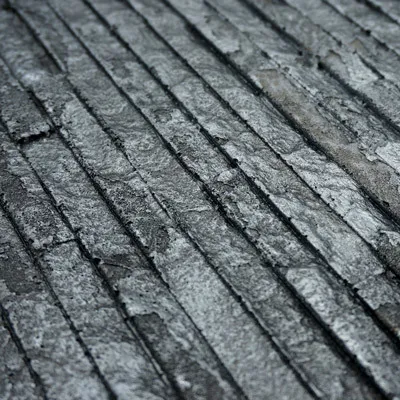
Before diving into maintenance, let's get clear on what makes dark grey muretto stone stand out. Part of the broader muretto stone family—which also includes light grey and beige variants—this material is celebrated for its rustic, textured finish that mimics the weathered charm of traditional European stone walls. Quarried and processed to retain a natural, slightly uneven surface, dark grey muretto stone brings depth and character to both interior and exterior spaces. It's not just about looks, though: its density and composition make it surprisingly resilient, a trait that directly impacts its maintenance needs (and costs).
Unlike polished marble or glossy granite, dark grey muretto stone's matte, porous surface is designed to age gracefully. Think of it as the "worn leather jacket" of building materials—its minor scuffs and patina only add to its appeal. But that porosity also means it requires specific care to avoid stains or water damage. The good news? With the right routine, those maintenance tasks are minimal, and the long-term savings can be significant.
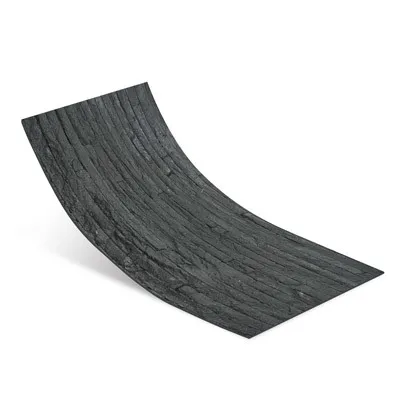
Let's start with the essentials: what does it actually take to keep dark grey muretto stone looking its best? Contrary to what some might think, it's not about constant upkeep. In fact, most homeowners or facility managers find that a little regular care goes a very long way. Here's a breakdown of the key tasks, how often they're needed, and what they cost.
The first line of defense is preventing dirt and debris from building up. For exterior surfaces (like facades or patio flooring), rain often does the heavy lifting—nature's own cleaning crew. But for areas sheltered from the elements or interior spaces, a quick sweep with a soft-bristle broom or a wipe with a damp microfiber cloth is usually enough. Avoid harsh scrub brushes or abrasive sponges, as these can scratch the stone's surface over time.
For more stubborn dirt—say, mud tracked in on shoes or spilled coffee on an interior wall—a mild, pH-neutral cleaner mixed with water works wonders. Think dish soap (like Dawn) diluted in warm water, applied with a soft cloth and rinsed thoroughly. Cost here? Practically nothing. A bottle of pH-neutral stone cleaner might set you back $15–$25, and it'll last 6–12 months for average use. No fancy equipment, no professional services—just a few minutes of your time each week.
The biggest ongoing maintenance cost for dark grey muretto stone comes from sealing. Because it's porous, the stone can absorb liquids, leading to stains (think red wine, oil, or even rainwater with high mineral content). Sealing creates a protective barrier that repels these liquids, making cleanup easier and preventing permanent damage.
How often do you need to seal? For exterior applications exposed to harsh weather (heavy rain, snow, direct sunlight), plan on sealing every 12–18 months. For interior spaces or sheltered exteriors (like a covered patio), you might stretch it to 2–3 years. The process itself is straightforward: clean the stone thoroughly, let it dry completely, then apply a penetrating sealer with a roller or sprayer. You can DIY this or hire a professional—costs vary accordingly.
DIY sealing: A 1-gallon container of high-quality stone sealer costs $40–$80 and covers about 200–300 square feet. If you have a 500-square-foot patio, that's 2 gallons, totaling $80–$160 every 1–2 years. Professional sealing: Expect to pay $1.50–$3 per square foot, so $750–$1,500 for that same patio. Many homeowners opt for DIY to save, and with a little patience, it's a manageable task.
Even with sealing, accidents happen. A barbecue grease spill, a potted plant leaking water, or a kid dropping a popsicle—these can all leave marks. The key is acting quickly. For oil-based stains (like grease or lipstick), sprinkle baking soda or cornstarch on the area to absorb the liquid, let it sit for 10–15 minutes, then sweep it away and wipe with a damp cloth. For water-based stains (coffee, juice), a mixture of hydrogen peroxide and a few drops of ammonia (test in an inconspicuous area first!) can lift the discoloration.
Severe stains might require a specialized stone stain remover, which costs $20–$40 per bottle. But here's the thing: with proper sealing, most stains won't penetrate deeply, so even these products are rarely needed. And if you do need to call in a professional stain removal service? That could run $100–$300 per incident, but again—this is rare with proactive care.
Dark grey muretto stone is tough, but it's not indestructible. A falling branch, a heavy piece of furniture scraping against a wall, or freeze-thaw cycles in cold climates can sometimes cause small chips or cracks. The good news? These are usually easy to repair, and the cost is minimal.
For small chips (less than ½ inch), a stone repair epoxy or filler designed for porous materials works well. These products come in kits with color-matching pigments, so you can blend the repair into the stone's natural color. A kit costs $30–$50 and can fix multiple chips. Larger cracks might require a professional mason, but even then, the cost is typically $200–$500 per repair—far less than replacing an entire section of stone.
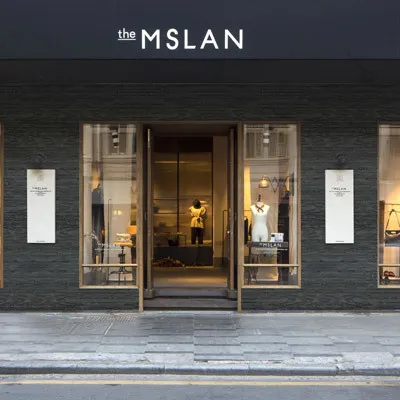
To truly understand the savings, we need to put dark grey muretto stone side by side with other popular materials. Let's take two common alternatives: fair-faced concrete (a sleek, industrial choice) and rough granite stone (dark grey) (a denser, more polished option). We'll compare annual maintenance costs, long-term durability, and total expenses over a 20-year period—the average lifespan of a cladding or flooring material before major replacement is needed.
| Maintenance Task | Dark Grey Muretto Stone | Fair-Faced Concrete | Rough Granite Stone (Dark Grey) |
|---|---|---|---|
| Daily/Weekly Cleaning | Soft broom/damp cloth; $0–$25/year (cleaner) | Power washing monthly; $50–$100/year (equipment rental) | Damp cloth + granite cleaner; $30–$50/year (specialized cleaner) |
| Sealing | Every 1–3 years; $80–$160 (DIY) or $750–$1,500 (pro); avg. $120/year | Every 1–2 years; $100–$200 (DIY sealer) or $800–$1,600 (pro); avg. $150/year | Every 5–10 years; $150–$300 (DIY sealer) or $1,000–$2,000 (pro); avg. $30/year |
| Stain Removal | Rare; $20–$40/incident (stain remover); avg. $10/year | Prone to oil stains; $50–$100/incident (acidic cleaners); avg. $30/year | Resistant but not immune; $40–$80/incident (granite-specific remover); avg. $20/year |
| Repairs (Chips/Cracks) | Minimal; $30–$50/kit (DIY); avg. $20/year | Prone to spalling (surface flaking); $300–$600/year (pro repairs) | Hard to chip but expensive to fix; $500–$1,000/incident; avg. $50/year |
| 20-Year Total Maintenance Cost (Estimated) | $3,400–$4,200 | $13,600–$17,200 | $5,800–$7,000 |
The numbers speak for themselves. While rough granite stone has lower annual sealing costs, its rare but expensive repairs and specialized cleaners push its 20-year total higher than dark grey muretto stone. Fair-faced concrete, meanwhile, requires frequent power washing and is prone to spalling (a common issue where freeze-thaw cycles cause the surface to flake), leading to much higher long-term costs. Dark grey muretto stone's sweet spot? Minimal daily care, affordable sealing, and cheap DIY repairs—all adding up to thousands saved over two decades.
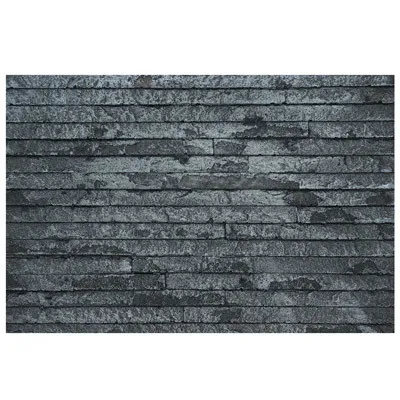
Maintenance costs are only part of the equation. The other big factor is durability: how long the material lasts before it needs to be replaced entirely. Dark grey muretto stone, when properly installed and maintained, can easily last 30–50 years. Compare that to fair-faced concrete, which often starts showing significant wear (like cracks or discoloration) after 15–20 years, or even rough granite stone, which might need replacement after 25–30 years due to sealant breakdown or edge wear.
Let's crunch the numbers. Suppose you're cladding a 1,000-square-foot exterior wall. The initial cost of dark grey muretto stone is around $15–$25 per square foot (materials and labor), totaling $15,000–$25,000. Fair-faced concrete might be cheaper upfront—$10–$20 per square foot, or $10,000–$20,000—but if it needs replacement after 20 years, you're looking at another $10,000–$20,000. Dark grey muretto stone, lasting 40 years, avoids that second replacement cost. Over 40 years, the total cost (initial + maintenance) for muretto stone is $15,000 + $8,400 (20-year maintenance x 2) = $23,400. For fair-faced concrete: $10,000 (initial) + $13,600 (20-year maintenance) + $10,000 (replacement) + $13,600 (next 20-year maintenance) = $47,200. That's a $23,800 difference—nearly double the cost for concrete.
Rough granite stone, with an initial cost of $20–$35 per square foot ($20,000–$35,000 for 1,000 sq ft) and 30-year lifespan, comes out to $20,000 + $5,800 (20-year maintenance) + $20,000 (replacement at 30 years) = $45,800 over 40 years—still more than dark grey muretto stone. When you factor in durability, the "cheaper" upfront options often become the most expensive in the long run.
Take the case of Green Leaf Café, a popular spot in Portland that renovated its exterior in 2010. The owners debated between dark grey muretto stone and fair-faced concrete. They chose muretto stone for its warm, inviting look, even though it cost $5,000 more upfront ($20,000 vs. $15,000 for 1,000 sq ft). Now, 13 years later, they've spent just $1,560 on maintenance (sealing every 2 years, $120/year x 13). The neighboring restaurant, which chose fair-faced concrete, has already replaced 30% of its cladding due to spalling ($6,000) and spent $1,950 on maintenance ($150/year x 13). Green Leaf's total cost so far: $21,560. Neighbor's total: $15,000 + $1,950 + $6,000 = $22,950. And Green Leaf's stone still looks brand-new, while the concrete needs another full replacement in 7 years. The initial splurge paid off—and then some.
Cost savings are important, but let's not overlook the less tangible benefits of choosing a low-maintenance material like dark grey muretto stone. For homeowners, it means less weekend time spent power washing or scrubbing stains and more time with family or hobbies. For business owners, it translates to fewer disruptions—no closing a patio for a week to reseal concrete or repair cracks. It's peace of mind: knowing your investment is protected, and your space will look great with minimal effort.
There's also the aesthetic longevity. Dark grey muretto stone's patina improves with age, so it never looks "dated" or worn out. Unlike trendy materials that fall out of style (we're looking at you, 2000s-era polished concrete), this stone remains timeless. That means you won't feel the need to renovate just to keep up with design trends—a hidden savings that's hard to quantify but deeply impactful.
Before we wrap up, let's debunk a few myths that might be holding you back. Some people hear "porous stone" and assume it's high-maintenance, but that's not the case here. Here are the truths:
When you choose dark grey muretto stone, you're not just buying a material—you're investing in a future with lower costs, less stress, and timeless beauty. Its maintenance needs are minimal, its durability is unmatched, and its long-term savings blow alternatives like fair-faced concrete or rough granite out of the water. Whether you're building a home, a café, or a commercial complex, this stone offers the rare combination of form and function that smart builders crave.
So, if you're ready to stop pouring money into endless maintenance and start enjoying a space that gets better with time, dark grey muretto stone might just be the material for you. After all, the best investments aren't just about what you pay now—they're about what you save (and gain) for years to come.
Recommend Products












