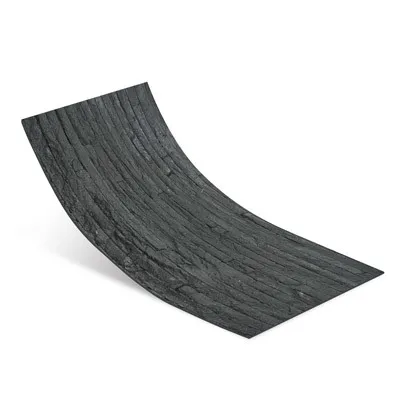
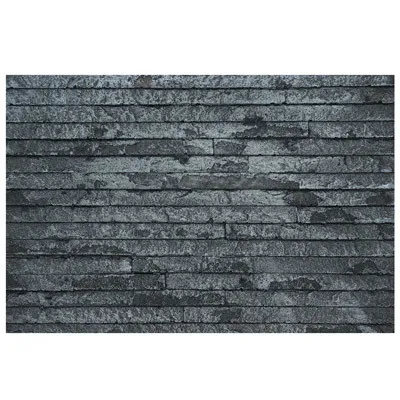
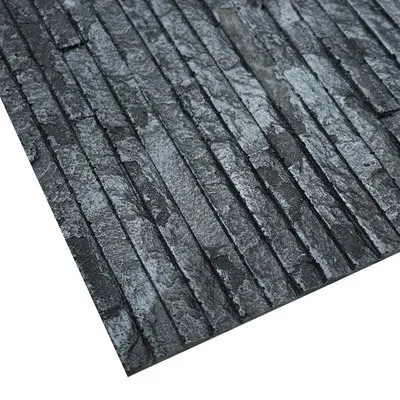
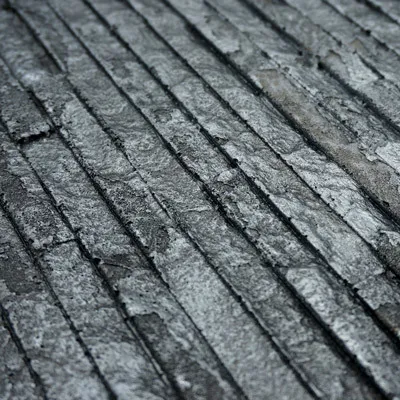
Even with the best care, accidents happen. A spilled glass of red wine, a drippy oil bottle, or a forgotten coffee mug can leave unsightly stains on Dark Grey Muretto Stone. The good news is that most stains can be removed with the right approach—assuming you act quickly. The longer a stain sits, the harder it is to lift, as the substance can penetrate deeper into the stone's pores.
First, identify the type of stain you're dealing with. Stains fall into several categories, and each requires a specific treatment:
1. Oil-Based Stains (e.g., cooking oil, grease, makeup, lotion):
These are some of the most common stains on kitchen countertops and bathroom surfaces. Oil seeps into stone pores and can cause dark, discolored spots.
Treatment:
Blot the stain immediately with a clean cloth to absorb as much oil as possible (don't wipe, which can spread it). Then, cover the stain with a thick paste of baking soda and water (1:1 ratio). Let it sit for 24–48 hours—the baking soda will draw the oil out of the stone. Afterward, wipe away the paste with a damp cloth and rinse. Repeat if needed.
2. Organic Stains (e.g., coffee, tea, juice, wine, food):
These stains are often brown, red, or purple and can be tricky if left untreated. They contain pigments that can discolor the stone over time.
Treatment:
Mix hydrogen peroxide (3%) with a few drops of ammonia (in a well-ventilated area) to make a paste. Apply the paste to the stain, cover with plastic wrap, and let it sit for 24 hours. The hydrogen peroxide breaks down the organic pigments, while the ammonia helps lift the stain. Rinse thoroughly and dry.
3. Ink Stains (e.g., pen, marker):
Ink is one of the most stubborn stains, especially if it's permanent marker. Dark Grey Muretto's porous surface can absorb ink quickly, so speed is key.
Treatment:
For fresh ink, blot with a dry cloth, then apply rubbing alcohol to a cotton ball and dab the stain (don't rub, which can spread the ink). Let it sit for 5 minutes, then rinse. For older ink stains, mix a paste of baking soda and rubbing alcohol, apply, and let sit overnight before rinsing.
4. Rust Stains (e.g., from metal furniture, nails, or water with high iron content):
These appear as orange or brown spots and are common on outdoor Muretto surfaces or near metal fixtures.
Treatment:
Use a commercial rust remover labeled "safe for natural stone." Apply a small amount to the stain, let it sit for 10–15 minutes, then rinse thoroughly. Avoid leaving rust remover on too long, as it can etch the stone.
5. Water Spots/Mineral Deposits (e.g., from hard water, rain, or spills that dried):
These look like white, cloudy spots and are caused by minerals like calcium and magnesium.
Treatment:
Mix equal parts water and white vinegar (yes, vinegar—this is one case where a mild acid is safe, but only for mineral deposits, not for regular cleaning!). Apply to the spot with a cloth, let sit for 5 minutes, then rinse and dry. If the spot remains, repeat or use a stone-safe mineral deposit remover.
Compare this to mcm flexible stone, which is designed to be more stain-resistant than natural stone like Muretto. MCM flexible stone has a protective layer that repels liquids, so stains are less likely to set in. But for Dark Grey Muretto, which lacks that layer, proactive stain removal is critical. The takeaway? Act fast, use the right treatment for the stain type, and always test a small, inconspicuous area first (like behind a piece of furniture) to ensure the treatment doesn't discolor the stone.