
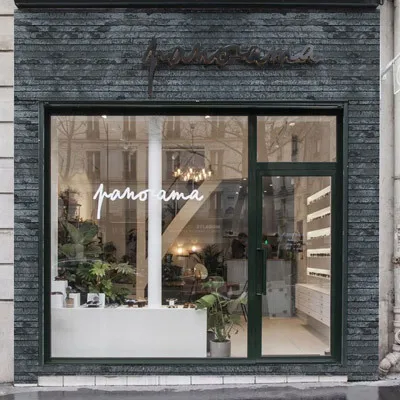
Choosing the right material for your home or commercial space is more than just a design decision—it's an investment in comfort, durability, and long-term value. For years, homeowners, architects, and interior designers have debated the merits of natural stone and synthetic tiles, with Dark Grey Muretto Stone and ceramic tiles emerging as two front-runners in the conversation. On one hand, Dark Grey Muretto Stone exudes a raw, earthy charm that feels both timeless and organic; on the other, ceramic tiles offer sleek versatility and a reputation for affordability. But which truly delivers better cost-effectiveness over time? Let's dive into the details, weighing everything from upfront expenses to long-term maintenance, and uncover which material deserves a spot in your next project.
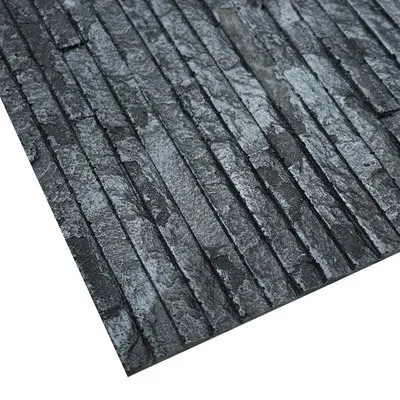
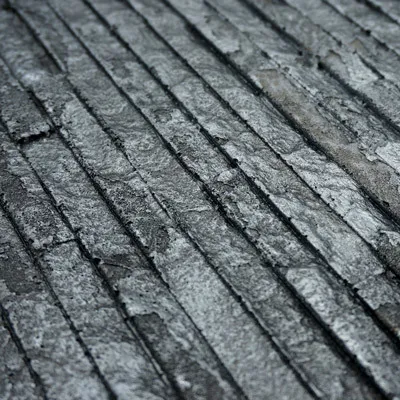
Before crunching numbers, it's important to understand what makes each material unique. Dark Grey Muretto Stone is a type of natural sedimentary stone, quarried from regions where layers of mineral deposits and organic matter have compressed over millennia. Its name, "muretto," hints at its rustic character—think rough-hewn textures, subtle color variations, and a matte finish that softens light rather than reflecting it. It's the kind of material that feels like a piece of the outdoors brought inside, with each slab telling a story of geological time.
Ceramic tiles, by contrast, are man-made. Crafted from clay, sand, and other natural materials, they're shaped, glazed, and fired at high temperatures to create a hard, non-porous surface. Available in endless colors, patterns, and finishes—from glossy whites to wood grain or even travertine —ceramic tiles have long been a go-to for bathrooms, kitchens, and high-traffic areas. They're celebrated for their uniformity; unlike natural stone, you won't find unexpected veins or pits here, which can be a pro or a con depending on your design vision.
But beyond aesthetics, the real question is: how do these materials stack up when it comes to your wallet? Let's break it down.
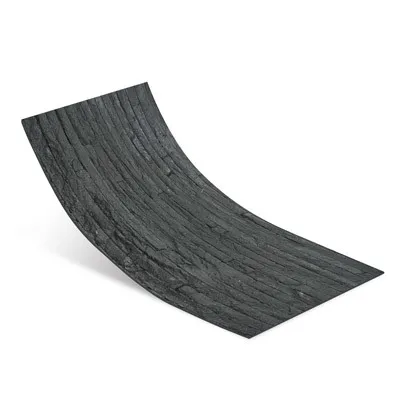
When most people think "cost-effective," they fixate on the initial price tag. But smart budgeting means looking beyond the first invoice—installation complexity, maintenance needs, and lifespan all play huge roles in determining true value. To make this clear, we've compiled a side-by-side comparison of key cost factors:
| Cost Category | Dark Grey Muretto Stone | Ceramic Tiles (Mid-Range) |
|---|---|---|
| Material Cost (per sq. ft.) | $12–$25 | $3–$8 |
| Installation Labor | $8–$15 (requires skilled stonemasons) | $4–$8 (standard tilers) |
| Sealing/Finishing (Initial) | $2–$5 (required every 2–3 years) | $0 (glazed tiles are non-porous) |
| Annual Maintenance Cost | $1–$3 (sealer, gentle cleaners) | $0.50–$1 (mild detergents, occasional grout repair) |
| Expected Lifespan | 50–100+ years (with proper care) | 10–20 years (may need replacement due to chipping/cracking) |
| Total Estimated Cost Over 20 Years* | $25–$50 (material + labor + maintenance) | $12–$22 (initial) + $8–$16 (replacement) = $20–$38 |
*Estimates based on 100 sq. ft. area, excluding unexpected repairs. Muretto stone cost assumes sealing every 3 years; ceramic tile cost assumes full replacement at 15 years.
At first glance, ceramic tiles seem like the obvious winner—their upfront material and installation costs are significantly lower. For a 500 sq. ft. kitchen floor, ceramic might set you back $3,500 total (materials + labor), while Muretto stone could run $9,000 or more. But here's the catch: ceramic tiles rarely last beyond 15–20 years. Cracks from heavy furniture, chips from dropped pots, or faded glazes from sunlight can make them look worn long before their time. Replacing that 500 sq. ft. floor at year 15? You're looking at another $3,500, bringing the 30-year total to $7,000.
Muretto stone, on the other hand, is a marathon runner. With proper sealing and gentle cleaning, it can last a lifetime—literally. Many historic buildings in Europe feature natural stone floors that are centuries old, still intact and full of character. Over 30 years, that initial $9,000 investment for Muretto stone would only grow by $1,500 in maintenance (sealing every 3 years), totaling $10,500. While ceramic might seem cheaper at year 20, by year 30, the gap narrows—and by year 50, Muretto stone is the clear budget-saver.
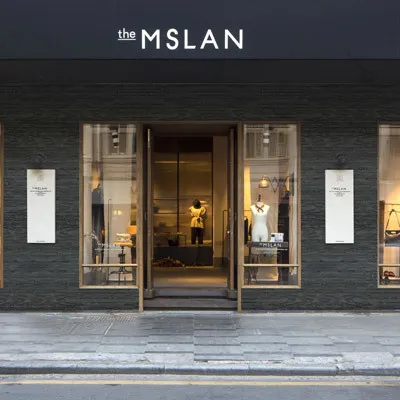
Cost-effectiveness isn't just about money—it's about peace of mind. A material that chips, stains, or fades forces you to spend time, energy, and cash on repairs or replacements. Let's talk durability.
Dark Grey Muretto Stone is naturally dense and resistant to wear. Its rough texture hides minor scratches, and its porosity (when sealed) repels moisture well enough for bathrooms or kitchens. I once visited a mountain cabin where the owners had installed Muretto stone floors in the 1970s; despite decades of kids, dogs, and winter boots, the stone looked as ruggedly handsome as ever, with a rich patina that no new tile could replicate. The only maintenance they'd done? Sealing it every 3 years, a task that took an afternoon and cost less than $200.
Ceramic tiles, while hard, are brittle. A heavy object dropped on a ceramic floor is likely to crack the tile, and replacing a single chipped tile is trickier than it sounds—matching the exact color and pattern can be impossible if the tile line has been discontinued. Grout lines are another weak spot; they stain easily, especially in high-moisture areas like showers, and regrouting a whole wall or floor is a messy, time-consuming job. I've seen homeowners spend $500 just to regrout a small bathroom every 5–7 years, adding up quickly over time.
For commercial spaces—restaurants, hotels, or retail stores—durability is even more critical. A busy café with ceramic tile floors might replace 10–15 tiles a year due to chipping, while Muretto stone would sail through the foot traffic unscathed. Over a decade, that's hundreds of dollars in replacement tiles and labor for ceramic, versus near-zero for stone.
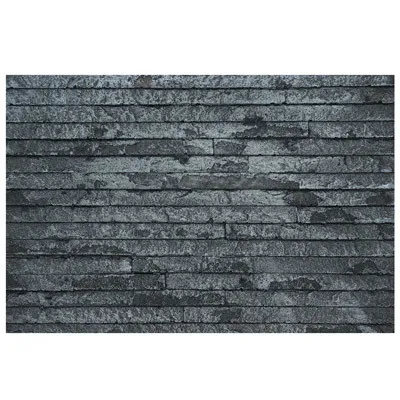
Here's a wild card: how a material looks can impact resale value, making it indirectly cost-effective. Dark Grey Muretto Stone has a "wow" factor that's hard to replicate. Its natural variation—subtle veins of charcoal, flecks of quartz, and irregular edges—adds depth to a space, making it feel curated and unique. Real estate agents often note that homes with natural stone features (like Muretto stone fireplaces or floors) sell faster and at higher prices than those with generic ceramic tiles, especially in markets where buyers crave authenticity.
Ceramic tiles, while versatile, can feel generic. Even high-end ceramic that mimics wood grain board or travertine lacks the organic warmth of real stone. In a recent survey of homebuyers, 72% said they'd pay 5–10% more for a home with natural stone surfaces, citing "timelessness" and "quality" as key reasons. For a $500,000 home, that's $25,000–$50,000 in added value—more than enough to offset Muretto stone's higher initial cost.
Of course, style is subjective. If your design vision leans ultra-modern—think sleek, monochromatic spaces—ceramic tiles might fit better. But for those who want a space that feels lived-in, warm, and uniquely theirs, Muretto stone's aesthetic appeal is a long-term investment in happiness, not just resale value.
In 2024, cost-effectiveness can't ignore sustainability. Ceramic tile production is energy-intensive: mining clay, firing kilns at 2,000°F, and transporting tiles globally all leave a heavy carbon footprint. When ceramic tiles reach the end of their lifespan, they often end up in landfills, as recycling options are limited.
Dark Grey Muretto Stone, by contrast, is a natural resource quarried with minimal processing. Many quarries now use eco-friendly practices, like reforesting areas after extraction. And since it lasts decades (or centuries), it reduces the need for frequent replacements, cutting down on waste. For environmentally conscious homeowners, this "green" factor is priceless—but it also translates to indirect savings, like eligibility for green building tax credits or lower utility bills if paired with energy-efficient designs.
We've sung Muretto stone's praises, but ceramic tiles aren't without their place. If you're on an extremely tight budget and plan to sell your home in 5–7 years, ceramic tiles might make sense—you'll recoup your initial investment without worrying about long-term wear. They're also ideal for temporary spaces, like rental apartments or flip houses, where durability takes a backseat to quick, cheap updates.
Ceramic tiles also shine in wet areas where slip resistance is critical—think shower floors or pool decks. Many ceramic tiles are designed with textured surfaces that grip better than natural stone, though newer stone sealants are narrowing this gap. And for bold, trendy patterns—geometric prints, bright colors—ceramic is unbeatable; natural stone can't match the uniformity needed for crisp, repetitive designs.
At the end of the day, cost-effectiveness depends on your timeline, priorities, and budget. If you're in it for the long haul—planning to live in your home for 10+ years, or investing in a commercial space—Dark Grey Muretto Stone is the smarter choice. Its durability, low maintenance, and timeless appeal mean it will cost less over decades, while adding value and charm to your space.
Ceramic tiles are great for short-term projects or tight budgets, but they'll cost you more in the long run—whether through replacements, repairs, or missed resale value. Think of it this way: buying ceramic is like renting a material, while Muretto stone is buying a legacy.
For those who want the best of both worlds, consider mixing materials. Use Dark Grey Muretto Stone for high-visibility areas like floors or fireplaces, and ceramic tiles for low-traffic spots like backsplashes. Pairing it with other natural materials, like fair-faced concrete or foamed aluminium alloy board (vintage silver) , can create a layered, cohesive look that balances cost and character.
In the end, the "cost-effective" choice isn't just about numbers—it's about choosing a material that grows with you, stands the test of time, and makes you smile every time you walk through the door. For me? I'll take the stone.
Recommend Products












