
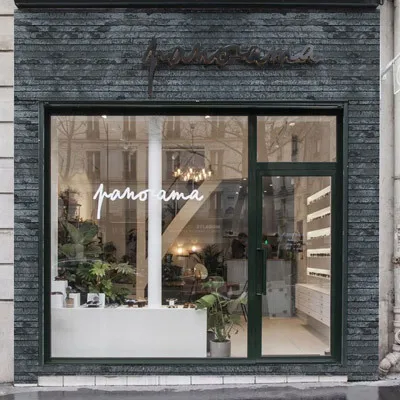
Choosing the right material for your space—whether it's a home renovation, commercial facade, or interior accent—can feel like solving a puzzle. Two contenders often rise to the top: innovative engineered options like Dark Grey Muretto Stone and timeless natural stone. Let's break down their differences, so you can pick the one that fits your vision (and your reality).
If you've ever wished for the rugged beauty of stone without the heft or hassle, Dark Grey Muretto Stone might be your answer. Part of the broader muretto stone family—a line of engineered materials under the MCM (Modified Composite Material) umbrella—it's designed to blend durability with design flexibility. Think of it as stone's modern cousin: crafted in labs, not quarries, but with a texture and appearance that's eerily close to the real thing.
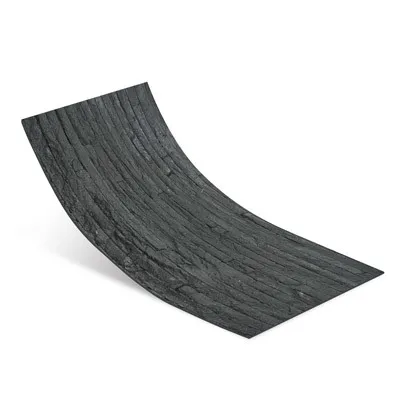
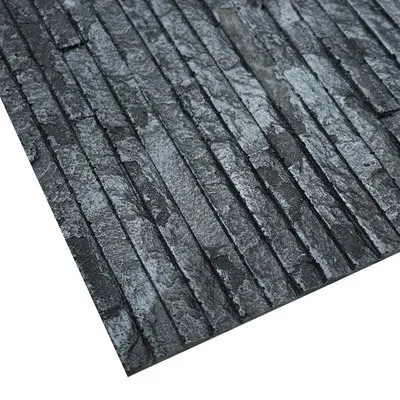
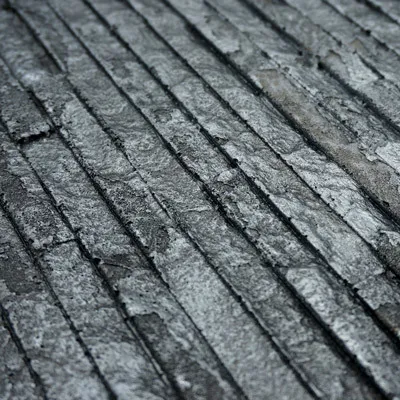
At its core, Dark Grey Muretto Stone is a type of MCM flexible stone . That "flexible" part is key: unlike rigid natural stone slabs, it bends slightly, making it easier to install on curved surfaces or uneven walls. It's made by combining natural mineral powders (like limestone or marble dust) with high-performance polymers, creating a material that's lightweight yet tough. The result? A dark grey finish with a matte, stone-like texture—subtle enough to complement minimalist designs, bold enough to stand out as a focal point.
Available in large formats as part of the MCM big slab board series , it minimizes grout lines for a seamless look, whether you're cladding a kitchen backsplash or an entire office exterior. And because it's engineered, each panel has consistent color and pattern—no surprises, no "character" that reads as "inconsistent" when you're aiming for uniformity.
Natural stone is the OG of building materials. Quarried straight from the earth, it's nature's artwork—formed over millions of years by heat, pressure, and mineral deposits. Think marble with its swirled veins, granite with its speckled strength, or travertine (beige) with its warm, pitted surface that feels like a piece of the earth itself.
Natural stone isn't a single material—it's a family. Each type has its own personality: limestone is soft and porous, ideal for cozy fireplaces; slate is dense and slip-resistant, perfect for floors; and granite, with its crystalline structure, is a workhorse for kitchen countertops. What unites them? They're raw, unfiltered, and full of "imperfections" that many people love: a random vein here, a unique pit there, a color variation that tells the story of where it was mined.
But that natural charm comes with trade-offs. Quarrying stone is labor-intensive, and transporting heavy slabs adds complexity (and cost) to projects. And while its durability is legendary—ancient temples are proof—its porosity and weight can make it tricky to install in modern spaces.
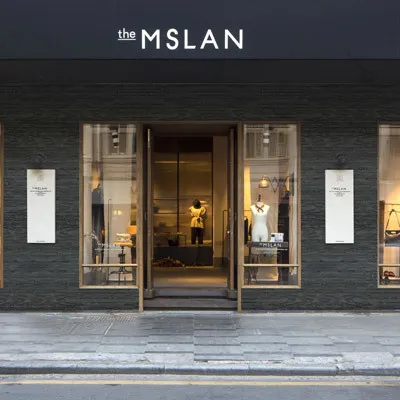
To really understand how these materials stack up, let's compare them across the categories that matter most for your project:
| Aspect | Dark Grey Muretto Stone (MCM) | Natural Stone (e.g., Travertine, Granite) |
|---|---|---|
| Composition | Engineered blend of natural mineral powders (limestone, marble dust) and polymers. | 100% natural; quarried from the earth, minimally processed. |
| Weight & Flexibility | Lightweight (3-5kg/m²) and flexible; bends to fit curved surfaces. | Heavy (20-30kg/m²) and rigid; requires structural support. |
| Durability | Resistant to scratches, stains, and moisture; UV-stable (no fading). | Durable but porous; prone to etching (marble), staining (travertine), or chipping (limestone). |
| Installation | Easy to cut, handle, and install; no heavy machinery needed. Ideal for DIY or small teams. | Requires skilled labor, heavy equipment, and structural planning (supports for weight). |
| Aesthetics | Consistent color/pattern; modern, sleek look with stone-like texture. Available in bold hues like dark grey. | Unique, organic variations (veins, pits, color shifts); "natural charm" that feels one-of-a-kind. |
| Maintenance | Low maintenance: wipe with soap and water; no sealing required. | High maintenance: regular sealing (every 1-3 years), careful cleaning (no harsh chemicals). |
| Cost | More affordable: ~$30-$60 per m² (material + installation). | Pricier: ~$80-$150+ per m² (mining, transport, and labor drive costs up). |
| Sustainability | Engineered with recycled minerals; lower carbon footprint (less transport, no quarrying). | Natural but resource-intensive: quarrying disrupts ecosystems; heavy transport emits CO2. |
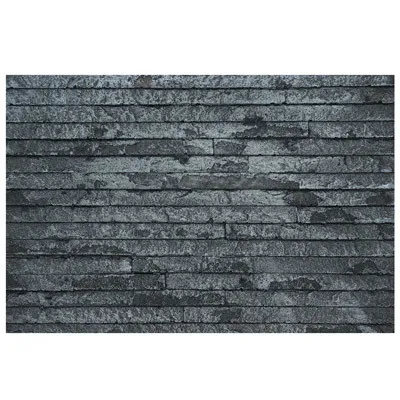
Numbers and specs tell part of the story, but how do these materials feel when you're standing in a room with them? Let's paint a picture:
Dark Grey Muretto Stone: Imagine walking into a modern loft with exposed beams and large windows. The accent wall is clad in Dark Grey Muretto Stone—its matte surface absorbs light softly, creating a moody, sophisticated backdrop. Run your hand over it: it's smooth but not slippery, with a subtle texture that mimics the rough-hewn look of natural stone, minus the sharp edges. Because it's lightweight, the wall doesn't feel imposing; instead, it feels intentional, like a design choice that balances form and function. In a bathroom, it resists mold and mildew, so even after a hot shower, the walls stay fresh. No need to worry about a stray hair product stain—just a quick wipe, and it's good as new.
Natural Stone (Travertine Beige): Now step into a sunlit kitchen with travertine (beige) countertops. The stone has warm, honeyed tones, with tiny pits and swirls that catch the light. It feels solid, grounding—like you're touching something that's been around for centuries. But notice the small water ring from a forgotten glass; over time, without sealing, those rings could become permanent. And if you drop a heavy pan? A chip might appear, a small imperfection that adds "character" but could drive a perfectionist crazy. Outdoors, in a patio, the travertine heats up in the sun, making bare feet uncomfortable on summer days—something to consider if you love al fresco dining.
The answer depends on your priorities. Here's a quick guide to help you decide:
Dark Grey Muretto Stone and natural stone aren't enemies—they're tools for different jobs. Muretto Stone, as part of the MCM flexible stone family, offers innovation, convenience, and consistency for modern projects. Natural stone, like travertine (beige) , brings timelessness and natural storytelling to spaces where tradition and texture take center stage.
At the end of the day, the best material is the one that aligns with your vision, your budget, and how you live. Whether you lean into the engineered ingenuity of Muretto Stone or the earthy charm of natural stone, your space will tell a story—make sure it's one you love.
Recommend Products












