
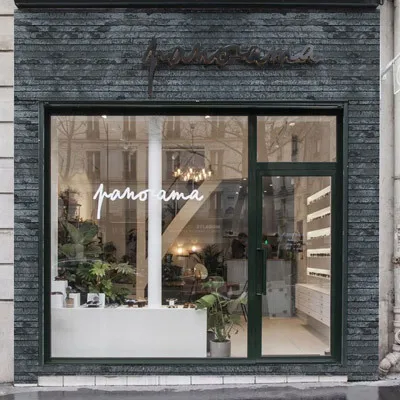
Walk into any building—whether it's a cozy café on the corner or a towering skyscraper downtown—and the first thing that often strikes you isn't just the layout or the lighting, but the materials that clothe its walls. Building materials are the unsung heroes of architecture, silently shaping how we experience space, how durable our structures are, and even how sustainable our world becomes. In recent years, the industry has seen a shift from purely functional materials to ones that balance strength with beauty, and tradition with innovation. Today, we're diving into a head-to-head comparison between two such materials that have been making waves in construction circles: Dark Grey Muretto Stone and Traditional Cement Boards. Both have their loyalists, but which one truly comes out on top when it comes to strength, adaptability, and overall value? Let's find out.
Before we start pitting them against each other, let's make sure we're all on the same page about what these materials are. Traditional Cement Boards are the old reliable in the construction world. You've probably seen them in basements, as backing for tiles in bathrooms, or even as exterior cladding on industrial buildings. Made by mixing cement with reinforcing fibers (like cellulose or glass), they're known for being tough and rigid. Think of them as the workhorses of the building material family—no frills, just straightforward strength. They've been around for decades, and for good reason: they're affordable, widely available, and get the job done in basic construction scenarios.
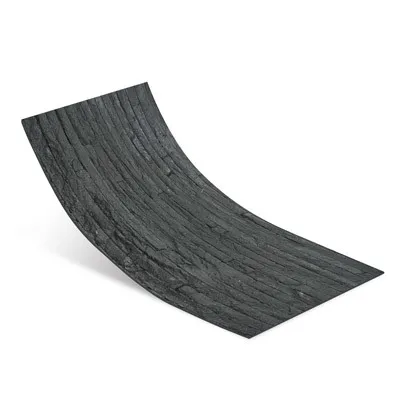
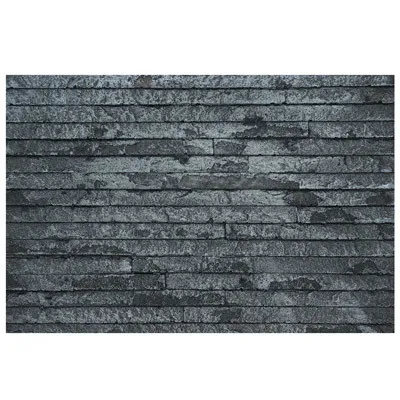
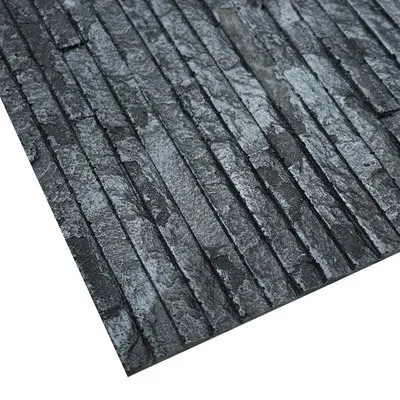
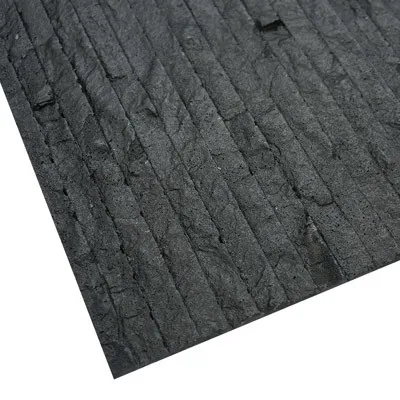
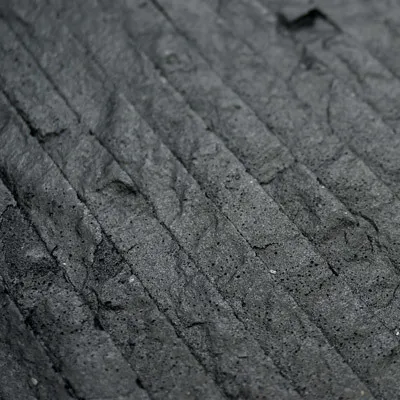
On the other side of the ring is Dark Grey Muretto Stone, a newer player that's part of the innovative lineup from MCM (Modified Composite Material) manufacturers. Unlike traditional cement boards, this isn't just a mix of cement and fibers. Dark Grey Muretto Stone is a composite material designed to mimic the look and feel of natural stone—think rough-hewn textures, deep dark grey hues, and a subtle sheen that catches the light—while packing in modern engineering for enhanced performance. It's part of a broader trend towards 'flexible stone' products, which we'll dive into more later, but for now, just know: this is not your grandma's building material.
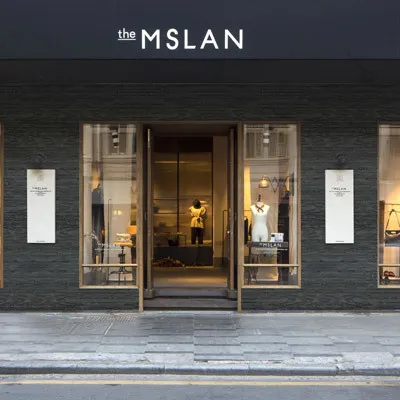
When it comes to building materials, durability isn't just a nice-to-have—it's a make-or-break factor. After all, no one wants to invest in a cladding that cracks after a year of rain or fades under the sun. Let's start with Traditional Cement Boards. They've earned their reputation for durability over decades. Cement is inherently resistant to fire, and when reinforced with fibers, these boards can stand up to moderate impacts—think a stray baseball hitting the side of a house or a ladder bumping against a wall. They're also moisture-resistant, which is why they're a go-to for wet areas like bathrooms. But here's the catch: traditional cement boards are porous. Without proper sealing, water can seep in over time, leading to mold growth or weakening of the material from the inside out. In coastal areas, where saltwater spray is a constant, that sealant needs regular reapplication to prevent corrosion of the underlying structure.
Now, Dark Grey Muretto Stone. As part of MCM's flexible stone range, this material was engineered with durability in mind from the start. Let's talk about weather resistance first. Unlike traditional cement boards, which can absorb moisture, Dark Grey Muretto Stone has a non-porous surface. That means rain, snow, or even saltwater spray (hello, beachfront properties!) beads right off, reducing the risk of mold or water damage. I spoke to a contractor in Miami recently who used Dark Grey Muretto Stone on a beach house renovation. He mentioned that after two hurricane seasons, the cladding still looks brand new—no peeling, no discoloration, and zero signs of water intrusion. That's a big win for areas with harsh weather.
Impact resistance is another area where Dark Grey Muretto Stone shines. Traditional cement boards, while strong, are rigid. A hard enough impact—like a falling tree branch or a heavy tool dropped during construction—can cause them to crack or chip. Dark Grey Muretto Stone, thanks to its composite structure and flexibility (more on that later), has some give. It can absorb impact energy without shattering, kind of like a car's crumple zone but for buildings. A test I saw online showed a 10-pound weight dropped from 6 feet onto both materials: the traditional cement board had a spiderweb of cracks, while the Muretto Stone just had a minor scuff that buffed out. Impressive, right?
Fire resistance is a tie here—both materials are non-combustible. But where Dark Grey Muretto Stone pulls ahead is in long-term color retention. Traditional cement boards, especially if left unpainted, can fade under prolonged UV exposure, turning a dull gray into an even duller, chalky shade. Dark Grey Muretto Stone, however, uses pigments that are integrated into the material during manufacturing, not just applied to the surface. That means the color runs through the entire thickness, so even if the top layer gets scratched, the dark grey hue remains consistent. A school in Arizona that installed it five years ago still has cladding that looks as vibrant as the day it was put up, despite 100+ degree summers and intense sunlight.
Here's where things get really interesting. Traditional Cement Boards are rigid by design. That rigidity is great for flat, straight surfaces—like the exterior of a boxy commercial building or a bathroom wall. But what if your project has curves? Or uneven surfaces? Or you want to add architectural flair with a rounded archway or a wavy facade? Suddenly, rigid becomes a liability. I've seen contractors spend hours cutting traditional cement boards into tiny, wedge-shaped pieces to fit a curved wall, only to have the seams crack a few months later because the material couldn't flex with the building's natural movement (yes, buildings shift over time—who knew?).
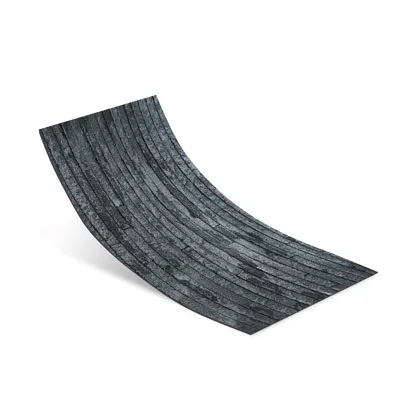
Enter mcm flexible stone, the technology that powers Dark Grey Muretto Stone. This material isn't just 'sort of flexible'—it's genuinely bendable. We're talking about being able to wrap it around a 6-inch diameter column without cracking. How is that possible? The composite layers in Dark Grey Muretto Stone are designed to move with stress, not against it. Think of it like a thin sheet of stone that's been given superpowers. A designer in Chicago used this to create a feature wall in a boutique hotel with a wave-like pattern. Instead of using heavy, expensive natural stone slabs, they installed Dark Grey Muretto Stone panels that curved seamlessly, cutting installation time by half and reducing the structural load on the building. The result? A showstopping wall that guests can't stop taking photos of—all because the material could adapt to the design, not the other way around.
But flexibility isn't just about aesthetics. It's also about practicality. Traditional cement boards are heavy—we're talking 2-3 pounds per square foot. That weight makes them hard to transport, tricky to install on upper floors, and requires extra structural support. Dark Grey Muretto Stone, on the other hand, weighs in at less than 1 pound per square foot. That means a two-person crew can carry and install panels that would take four people with traditional cement boards. On a recent hospital renovation I visited, the contractor switched to Dark Grey Muretto Stone halfway through the project because the reduced weight meant they could work faster and avoid overloading the building's existing framework. Sometimes, adaptability is just as much about making the job easier as it is about the final look.
Let's be real: we don't just build structures—we build spaces that feel good to be in. Aesthetics matter, whether you're designing a home, a store, or a public park. Traditional Cement Boards have their place here, but it's a limited one. Their default look is… well, industrial. Think gray, flat, and utilitarian. You can paint them, of course, but paint chips, fades, and needs reapplication every few years. And even with paint, you're stuck with a smooth, uniform surface that lacks texture. It's the building material equivalent of plain white bread—reliable, but not exactly exciting.
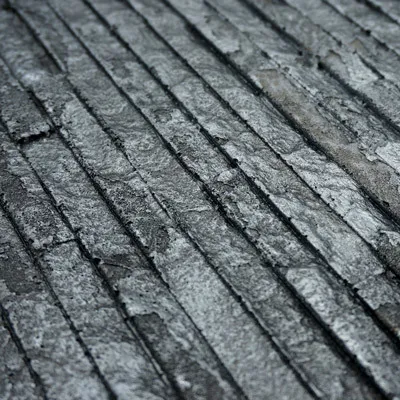
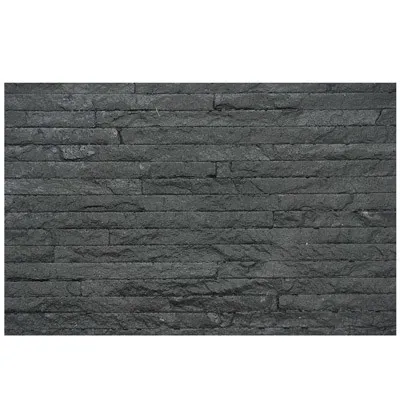
Dark Grey Muretto Stone, by contrast, is all about texture and depth. Remember how we mentioned it mimics natural stone? That's not just marketing speak. Run your hand over a panel, and you'll feel the rough, tactile surface—like a slab of dark grey stone that's been weathered by time but still holds its character. The color itself is rich, with subtle variations in tone that make each panel feel unique. It's the kind of material that adds warmth to a space, even in a dark hue. A restaurant owner in Portland told me she chose Dark Grey Muretto Stone for her exterior because she wanted the building to feel 'grounded' and inviting, like it had been there for decades, even though it was a new construction. Traditional cement boards, she said, would have made it look like a warehouse.
But here's the best part: Dark Grey Muretto Stone doesn't force you to choose between beauty and practicality. Unlike natural stone, which is heavy, expensive, and hard to install, this material gives you the aesthetic of stone without the hassle. And unlike painted cement boards, you don't have to sacrifice durability for looks. It's a win-win for designers who want their projects to be both strong and stunning.
Let's talk about the nitty-gritty: how easy are these materials to work with, and how much will they cost you in the long run? Traditional Cement Boards have a reputation for being labor-intensive. First, there's the weight—carrying 3x5 foot boards up a ladder is no joke. Then, cutting them requires special tools (like a diamond blade saw) to avoid shattering, and the dust is toxic if inhaled, so you need respirators and proper ventilation. Installation also involves sealing every seam with caulk to prevent moisture intrusion, which adds time and materials. And if you make a mistake? Good luck—there's no 'bending' a wrong cut into shape. You're stuck buying a new board.
Dark Grey Muretto Stone, on the other hand, is a contractor's dream. Since it's lightweight and flexible, panels can be carried by one person and cut with standard tools—even a utility knife for straight cuts. No toxic dust, no heavy lifting, and no need for special equipment. Seaming is simpler too: the panels interlock slightly, reducing the need for excessive caulk. A crew installing traditional cement boards on a 2,000 square foot wall might take 3-4 days; with Dark Grey Muretto Stone, that same crew could finish in 1-2 days. That's a huge difference in labor costs, which can make up a big chunk of any construction budget.
Maintenance is another area where Dark Grey Muretto Stone saves time and money. Traditional cement boards need regular sealing (every 1-2 years) and repainting (every 3-5 years) to stay looking good. Dark Grey Muretto Stone? Just hose it down with water every now and then. No sealing, no painting, no special cleaners. A property manager in Dallas told me that switching to Dark Grey Muretto Stone on their apartment complex exteriors cut their annual maintenance budget by 40%. That's money that can be spent on other upgrades—or just kept in the bank.
These days, sustainability isn't just a buzzword—it's a responsibility. So how do these two materials stack up when it comes to the environment? Let's start with Traditional Cement Boards. Cement production is one of the biggest contributors to global CO2 emissions—accounting for about 8% of worldwide emissions, according to the International Energy Agency. Traditional cement boards are made with Portland cement, which requires high-temperature kilns and releases a lot of carbon dioxide. They're also heavy, which means more fuel is used to transport them to job sites. And if they crack or need replacement, those old boards often end up in landfills, where they don't biodegrade.
Dark Grey Muretto Stone, as a modified composite material, is designed with sustainability in mind. Many manufacturers use recycled materials in the composite layers, reducing the need for virgin resources. The lightweight design also cuts down on transportation emissions—you can fit more panels on a truck, meaning fewer trips. And since it's durable and low-maintenance, it doesn't need to be replaced as often, reducing waste over time. Some brands even offer panels made with low-VOC (volatile organic compound) adhesives, making them safer for indoor air quality. It's not perfect—no building material is—but it's a step in the right direction for eco-conscious builders. Epoch stone, another MCM product, takes this even further with 100% recycled content, but Dark Grey Muretto Stone still holds its own as a greener alternative to traditional cement.
To wrap this up, let's talk about when you might choose one over the other. Traditional Cement Boards are still a solid choice for budget-focused projects where aesthetics take a backseat to function. Think: the interior of a storage shed, a workshop wall, or a low-traffic area where you just need something durable and cheap. They're also a good option if you're working with a strict weight limit but don't need flexibility (though, as we've seen, Dark Grey Muretto Stone is lighter anyway).
Dark Grey Muretto Stone, though, is the clear choice for projects where you want the best of both worlds: strength, beauty, and adaptability. It's perfect for high-traffic commercial spaces (like retail stores or hotels), coastal or harsh-weather locations, buildings with unique architectural designs, or anyone who wants their cladding to make a statement. It's also ideal for renovations, where reducing structural load and installation time is key. I recently saw it used on a historic building restoration in Boston—the dark grey panels complemented the original brickwork beautifully, while the flexibility allowed it to fit the building's uneven walls without damaging the historic structure. That's the kind of versatility traditional cement boards just can't match.
| Feature | Dark Grey Muretto Stone | Traditional Cement Boards |
|---|---|---|
| Durability | Non-porous, UV-resistant, impact-absorbent; withstands harsh weather and retains color long-term. | Fire-resistant and moisture-resistant (with sealing), but porous and prone to fading/cracking under stress. |
| Flexibility | Bendable (up to 6-inch diameter curves); adapts to uneven surfaces and unique designs. | Rigid; limited to flat/straight surfaces; cracks under bending stress. |
| Aesthetics | Natural stone texture, deep dark grey color with integrated pigments; no painting required. | Plain, industrial look; requires painting/sealing for color; lacks texture. |
| Installation | Lightweight (≤1lb/sq ft), easy to cut with standard tools; fast installation with minimal labor. | Heavy (2-3lb/sq ft), requires special cutting tools; time-consuming sealing and fitting. |
| Maintenance | Low-maintenance;; no sealing or repainting. | Requires regular sealing and repainting; prone to mold if not maintained. |
| Environmental Impact | Often contains recycled materials; lightweight (reduces transport emissions); long lifespan reduces waste. | High CO2 emissions from cement production; heavy (higher transport emissions); frequent replacement increases landfill waste. |
At the end of the day, both Dark Grey Muretto Stone and Traditional Cement Boards have their roles to play in construction. But if you're looking for a material that combines strength, flexibility, beauty, and sustainability—one that can keep up with modern design demands while standing the test of time—Dark Grey Muretto Stone is the clear winner. It's not just a building material; it's a solution that lets you build smarter, design bolder, and create spaces that feel both timeless and innovative.
Traditional Cement Boards will always have a place in budget or utility-focused projects, but as the industry moves towards more adaptive, eco-friendly, and aesthetically driven construction, materials like Dark Grey Muretto Stone are leading the charge. After all, why settle for rigid and plain when you can have resilient and remarkable? The future of building materials isn't just about being strong—it's about being smart. And Dark Grey Muretto Stone checks all the boxes.
Recommend Products












