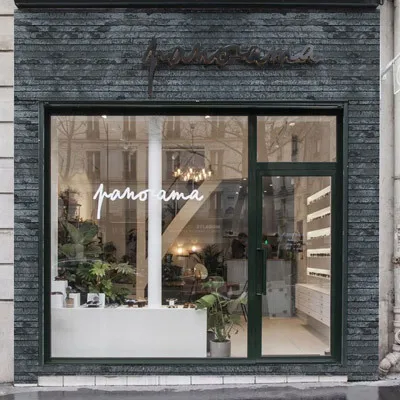
Picture this: You're standing in front of a plot of land, imagining the home you'll build. The roofline, the windows, the way sunlight will spill over the porch—every detail feels vivid. But then you hit a wall: choosing the exterior material. It's not just about looks today; it's about how that material will age. Will it fade? Crack? Peel? Will it still make your heart skip a beat when you pull into the driveway ten years from now? For many homeowners, two options rise to the top: the earthy texture of
dark grey Muretto Stone
and the warm charm of wood cladding. Today, we're putting them head-to-head in a "longevity test"—not just of durability, but of soul. Because a home's exterior isn't just a shell; it's a story written in rain, sun, and time.
The Contenders: Dark Grey Muretto Stone & Wood Cladding
Let's start by meeting our two stars. First up:
dark grey Muretto Stone
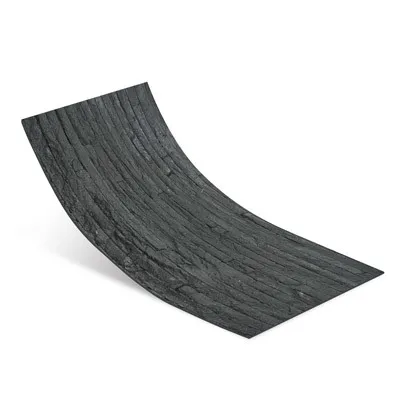
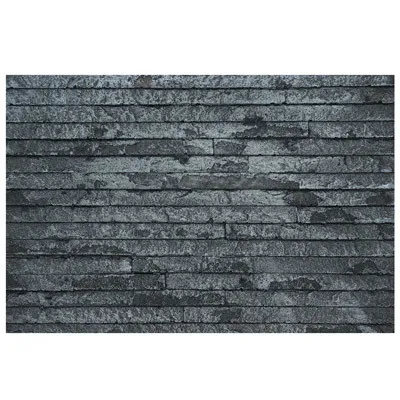
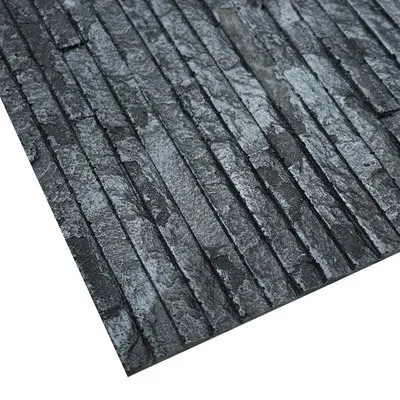
. The name itself feels like a whisper of old-world craftsmanship—"muretto" translates to "little wall" in Italian, and there's a reason it evokes that image. This stone isn't smooth or polished; it's rough-hewn, with edges that look like they were chiseled by hand, not machines. Its dark grey hue is deep, almost moody, with flecks of lighter grey and even the occasional hint of blue, depending on how the light hits it. Run your hand over it, and you'll feel texture—grooves where water might pool, ridges that catch dust, a surface that feels alive.
Then there's wood cladding. No material screams "home" quite like wood. It's warm, organic, and full of personality. Whether it's cedar, redwood, or thermally modified pine, wood cladding brings a softness that stone can't match. The grain tells a story—knots, swirls, streaks of lighter and darker tones—that's unique to every plank. When new, it might glow honey-gold or rich chestnut; as it ages, it fades into silvery grey, like a favorite sweater that's been washed a hundred times but only gotten cozier.
"I've worked with both materials for over 20 years, and they're like night and day," says Maria Gonzalez, a residential architect in Portland, Oregon. "
Muretto Stone is the quiet, steady type—it doesn't demand attention, but it commands respect. Wood cladding? It's the life of the party. It changes with the seasons, and homeowners either fall in love with that evolution or panic when they see the first signs of aging."
Round 1: Weather Resistance—Can They Take the Heat (and Rain, and Snow)?
Let's cut to the chase: How do these materials hold up when Mother Nature throws her worst? We talked to builders across the country to find out. Take John Chen, who builds homes in Seattle—a city where rain is a permanent resident. "I had a client in 2015 who insisted on wood cladding for their modern farmhouse," he recalls. "They chose cedar, which is supposed to be rot-resistant. By 2020, the north-facing wall (which gets almost no sun) had started to mildew. They had to power wash it twice a year and re-seal it annually. By 2023, the wood had faded to a pale grey, and there were small cracks—'checks,' we call them—along the grain. They didn't mind the look, but the upkeep? It became a chore."
Muretto Stone, on the other hand, laughs at Seattle's rain. "I built a home with
dark grey Muretto Stone
in 2010, just a few blocks from the Puget Sound," John adds. "Salt air, constant drizzle, even the occasional freeze-thaw cycle in winter. Last month, I drove by—it still looks like it did the day we installed it. The color's a touch softer, maybe, but no cracks, no mildew, no peeling. The only maintenance? The homeowner hoses it down once a year to wash off dust. That's it."
But wood cladding fights back in sunnier climates. Take Arizona, where UV rays are relentless. "I installed wood cladding on a desert home in 2018," says Lisa Patel, a contractor in Phoenix. "We used thermally modified wood, which is supposed to resist fading. By 2021, the south-facing wall was 3 shades lighter than the north. The client was devastated at first—they'd dreamed of rich, warm tones. But by 2023? They loved it. That silvery-grey patina? It blended with the desert landscape in a way the original wood never did. They said it felt like the house 'grew into the land.'"
Muretto Stone in the desert? "It holds up, but it gets hot," Lisa admits. "Dark grey absorbs heat, so the exterior walls can reach 140°F in summer. That's not a problem for the stone itself, but it can affect insulation. We had to add extra foam board behind it to keep the interior cool. Wood, being a natural insulator, didn't need that. So it's a trade-off: stone resists fading, but wood keeps the house cooler."

The Aesthetic Evolution: How They Age (and If We Love Them More for It)
Longevity isn't just about not falling apart—it's about looking good while doing it. Let's talk about how these materials change over time, because "aging gracefully" means different things to different people.
Dark grey Muretto Stone
ages like a fine wine—subtly, with depth. "It starts with sharp edges, like a new pencil," says Marco Rossi, a stone mason with 30 years of experience. "After a few years of rain and wind, those edges soften. They don't chip—just mellow, like sandpaper smoothing wood. The color? It might darken a touch when wet, then lighten as it dries, but overall, it stays true. The real magic? Moss. In shaded areas, tiny patches of green might grow in the crevices. Some homeowners hate it—they scrub it off. Others? They let it be. I had a client in Vermont who said the moss made the stone look 'like it was always there, like it grew out of the ground.'"
Wood cladding, by contrast, is a drama queen—but in the best way. It doesn't just age; it transforms. "Cedar turns silvery, redwood fades to a soft grey, pine might get a few small cracks," says Sarah Kim, a designer who specializes in sustainable homes. "But here's the thing: those cracks? They're called 'checks,' and they're normal. They don't weaken the wood—they just add character. I had a client in Maine whose wood cladding developed a check that looked like a lightning bolt. They named it 'Zeus' and refused to fix it. Now, when guests come over, they point it out like it's a family heirloom."
But wood's evolution isn't always romantic. "I had a client in Florida who didn't maintain their wood cladding," Sarah adds. "No sealing, no cleaning. After five years, it started to rot at the bottom, near the ground. The grain warped, and some planks even fell off. That's not 'character'—that's neglect. Wood needs love. It's not a set-it-and-forget-it material."
The Maintenance Showdown: Time, Money, and elbow Grease
Let's get practical: How much work (and cash) will you pour into these materials over a decade? We crunched the numbers, talking to homeowners and contractors, to create a rough "maintenance scorecard."
|
Aspect
|
Dark Grey Muretto Stone
|
Wood Cladding
|
|
Annual Cleaning
|
Hose down or power wash (30 minutes/year)
|
Scrub with mild soap and water (2-3 hours/year)
|
|
Sealing/Staining
|
Never needed
|
Every 2-3 years (cost: $500-$1,500/ application)
|
|
Repairs
|
Rare (chips/fractures possible but unlikely; $0-$200/decade)
|
Plank replacement (rot/pest damage; $300-$1,000/decade)
|
|
Pest Resistance
|
Immune (no termites, no ants)
|
Vulnerable (termite treatment: $500-$1,000 every 5 years)
|
|
Total 10-Year Maintenance Cost
|
$50-$200 (mostly labor for cleaning)
|
$2,500-$6,000 (sealing, repairs, pest control)
|
But numbers don't tell the whole story. "I spend $800 every 3 years to seal my wood cladding, and I'd do it again in a heartbeat," says Tom Walker, a homeowner in Colorado. "That wood is part of my home's personality. When I'm up on a ladder, staining it, I'm not just maintaining— I'm connecting with the house. It feels like caring for a living thing.
Muretto Stone? It's beautiful, but it doesn't need me. And maybe that's the downside: it's so self-sufficient, it feels… distant."
When to Choose Which: It's About Your Lifestyle (and What You Want to "Say" With Your Home)
So, which one wins? The answer is: it depends on you. Let's break down the scenarios where each material shines.
Choose
dark grey Muretto Stone
if…
-
You hate maintenance. You want to set it and forget it.
-
You live in a harsh climate (coastal salt air, heavy rain, extreme cold).
-
You love a timeless, earthy look that won't go out of style.
-
You want a material that feels "permanent"—like it will outlive you.
Choose wood cladding if…
-
You don't mind (or even enjoy) occasional upkeep. It feels like "caring for home."
-
You live in a mild climate (moderate rain, moderate sun) where wood can thrive.
-
You crave warmth and softness. Wood feels "alive" in a way stone doesn't.
-
You love the idea of your home evolving—of it getting more character with each passing year.
And if you can't choose? "Mix them," says architect Maria Gonzalez. "I designed a home last year with
dark grey Muretto Stone
on the first floor and wood cladding on the second. The stone grounds the house, and the wood adds warmth. It's the best of both worlds."
At the end of the day,
dark grey Muretto Stone
and wood cladding aren't enemies—they're just different stories. Stone tells a tale of resilience, of standing firm against time and weather. Wood tells a tale of growth, of changing with the seasons and asking for a little care in return. Which story do you want your home to tell? There's no wrong answer—only the one that makes you smile when you pull into the driveway, today, tomorrow, and ten years from now. Because that's the real test of longevity: not just how long a material lasts, but how long it makes you love coming home.