

Walls are more than just structural boundaries—they are the silent storytellers of a space. They hold memories, frame moments, and set the emotional tone of every room. In a world where cookie-cutter designs often feel cold and impersonal, there's a growing desire to infuse spaces with warmth, movement, and personality. This is where decorative wave panels step in: not just as wall coverings, but as living, breathing elements that transform ordinary rooms into extraordinary experiences. With their flowing curves and tactile textures, wave panels don't just decorate walls—they animate them, turning static surfaces into dynamic narratives that resonate with the rhythms of nature and human emotion.
Imagine walking into a room where the walls don't stand still. Instead, they seem to ripple like gentle ocean waves, catch light like sand dunes at sunset, or curve like the wind-blown edges of a forest. This is the magic of wave panels. Unlike flat, featureless walls that fade into the background, wave panels command attention through their organic geometry. Their undulating lines create visual movement, guiding the eye across the space and fostering a sense of calm or energy, depending on the design. Whether soft and subtle or bold and dramatic, the texture of wave panels adds depth—making walls feel less like barriers and more like invitations to touch, explore, and connect.
But what truly sets exceptional wave panels apart is the material behind the design. In a market flooded with rigid, heavy, or environmentally questionable options, modern wave panels demand a foundation that matches their beauty with practicality. Enter MCM (Modified Cementitious Material)—a revolutionary class of building materials that blends strength, flexibility, and sustainability into a single solution. For wave panels, MCM isn't just a support system; it's the key to unlocking their full potential.
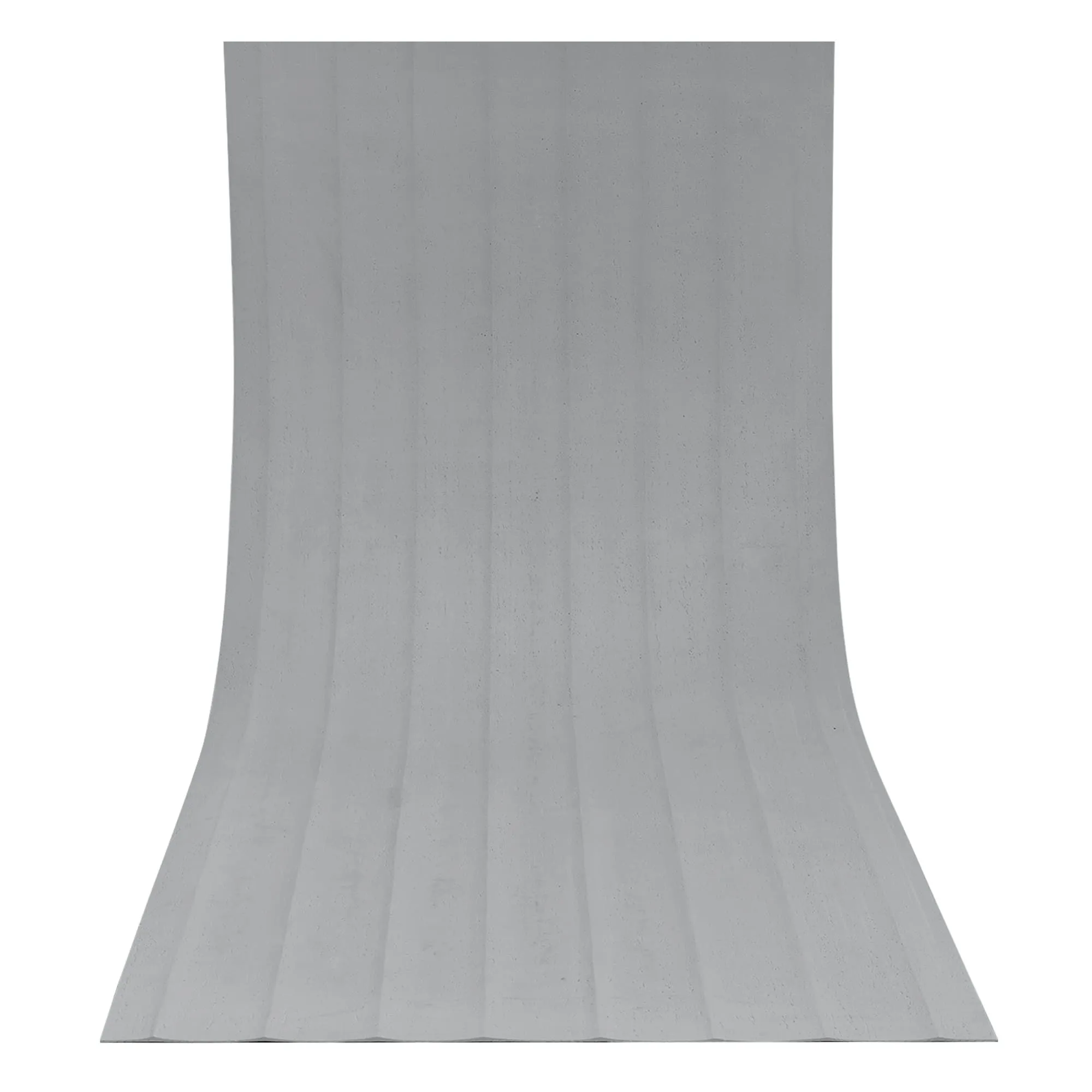
MCM, or Modified Cementitious Material, redefines what building materials can do. Born from decades of innovation in the construction industry, this eco-friendly composite combines the durability of cement with the versatility of modern engineering. Lightweight yet strong, flexible yet stable, MCM is designed to adapt to the most creative architectural visions—including the intricate curves and textures of wave panels. What makes MCM stand out is its commitment to two core values: customization and sustainability . Unlike traditional materials that limit design possibilities, MCM bends to the will of architects and designers, allowing for one-of-a-kind wave patterns. And because it's crafted from recycled materials and low-impact production processes, it aligns with the growing global demand for greener building practices.
| Feature | Traditional Materials (Stone/Glass/Wood) | MCM Wave Panels |
|---|---|---|
| Weight | Heavy (difficult to install on non-structural walls) | Lightweight (30-50% lighter, suitable for any wall type) |
| Flexibility | Rigid (limited to simple shapes) | Highly flexible (easily shaped into complex wave patterns) |
| Customization | Standard designs (limited texture options) | Fully customizable (textures, colors, and curves tailored to project needs) |
| Environmental Impact | High carbon footprint (quarrying, deforestation) | Low-impact (recycled materials, energy-efficient production) |
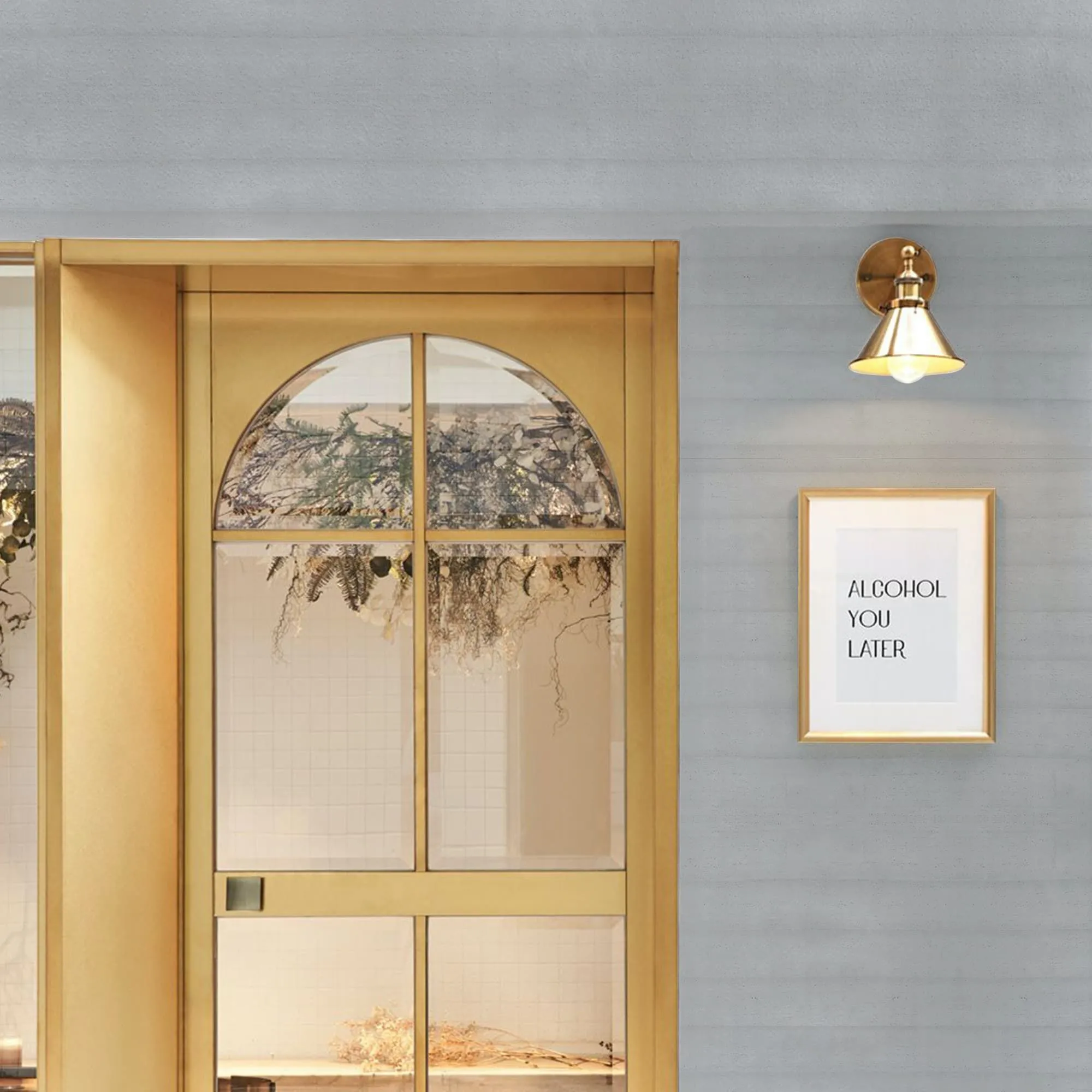
MCM's versatility shines through its specialized product lines, each engineered to bring unique strengths to wave panel design. Let's explore how three key MCM series— MCM Flexible Stone , MCM 3D Printing Series , and MCM Big Slab Board Series —elevate wave panels from mere decoration to works of art.
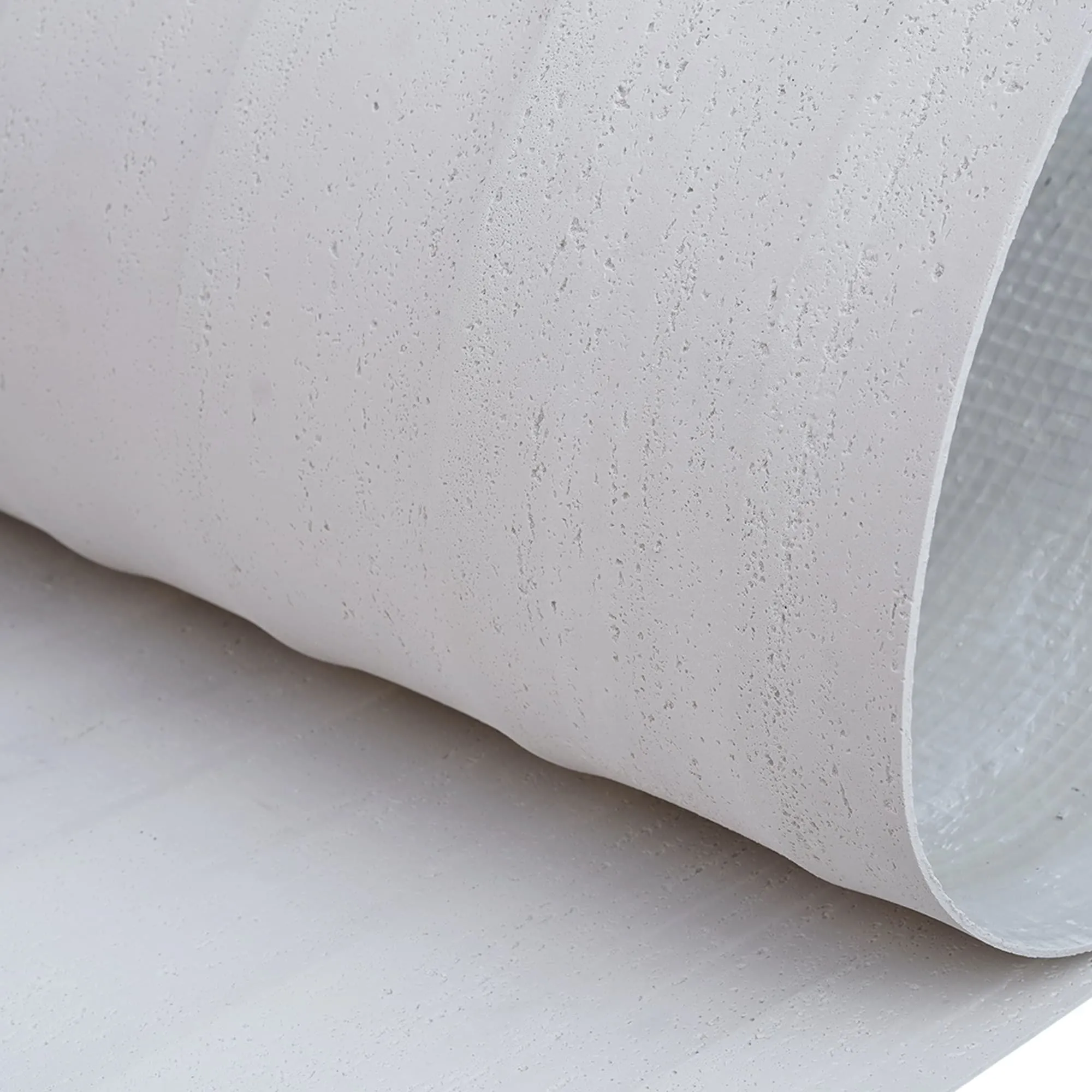
At the core of stunning wave panels lies flexibility—and MCM Flexible Stone delivers this in spades. Unlike traditional stone, which cracks under pressure, MCM Flexible Stone is designed to bend without breaking. This makes it ideal for crafting wave panels with smooth, continuous curves that mimic natural forms: think the gentle roll of ocean waves, the arch of a tree branch, or the soft contour of a desert dune. Installers love it too—its lightweight nature means it can be applied to almost any surface, from drywall to concrete, without the need for heavy-duty structural support. For homeowners or designers craving a wave panel that feels organic and alive, MCM Flexible Stone turns that vision into reality.
Take, for example, a coastal-inspired living room. By cladding one wall with MCM Flexible Stone wave panels in a soft beige tone (reminiscent of sand), the room instantly feels connected to the nearby ocean. The panels' subtle undulations catch the afternoon light, casting shifting shadows that change throughout the day—like sunlight dancing on water. It's not just a wall anymore; it's a daily reminder of the sea's calming presence.
When it comes to custom wave patterns, precision is everything. That's where the MCM 3D Printing Series comes into play. Using advanced 3D printing technology, this series allows designers to create wave panels with intricate textures that would be impossible to achieve by hand. Want a wave pattern that replicates the exact ripples of a favorite lake? Or a geometric wave design with mathematically perfect curves? MCM 3D Printing makes it possible. The technology layers MCM material with pinpoint accuracy, ensuring every peak and trough of the wave is consistent, sharp, and true to the original vision.
Commercial spaces, in particular, benefit from this level of customization. A boutique hotel in a bustling city, for instance, might use MCM 3D-printed wave panels in its lobby to create a sense of escape. Imagine walls printed with deep, dramatic waves in a rich charcoal hue, lit from below to emphasize their shadows. The effect is both modern and timeless—inviting guests to pause, breathe, and leave the chaos of the street behind. It's a testament to how 3D printing transforms wave panels from decorative elements into immersive art installations.
For large spaces—think office lobbies, convention centers, or expansive living rooms—small wave panels can feel fragmented, breaking the flow of the design. MCM Big Slab Board Series solves this problem with its oversized panels, which can span up to several meters in length. These large slabs minimize visible seams, creating a single, uninterrupted wave that wraps around the room like a hug. The result? A wall that feels cohesive, grand, and utterly immersive.
Consider a corporate headquarters aiming to inspire creativity. By covering an entire conference room wall with MCM Big Slab wave panels in a soft, light gray, the space becomes a canvas for ideas. The panels' continuous curve encourages collaboration, guiding team members' focus across the room and fostering a sense of unity. And because MCM Big Slab is durable and easy to maintain, it stands up to the daily hustle of busy offices—proving that beauty and practicality can go hand in hand.
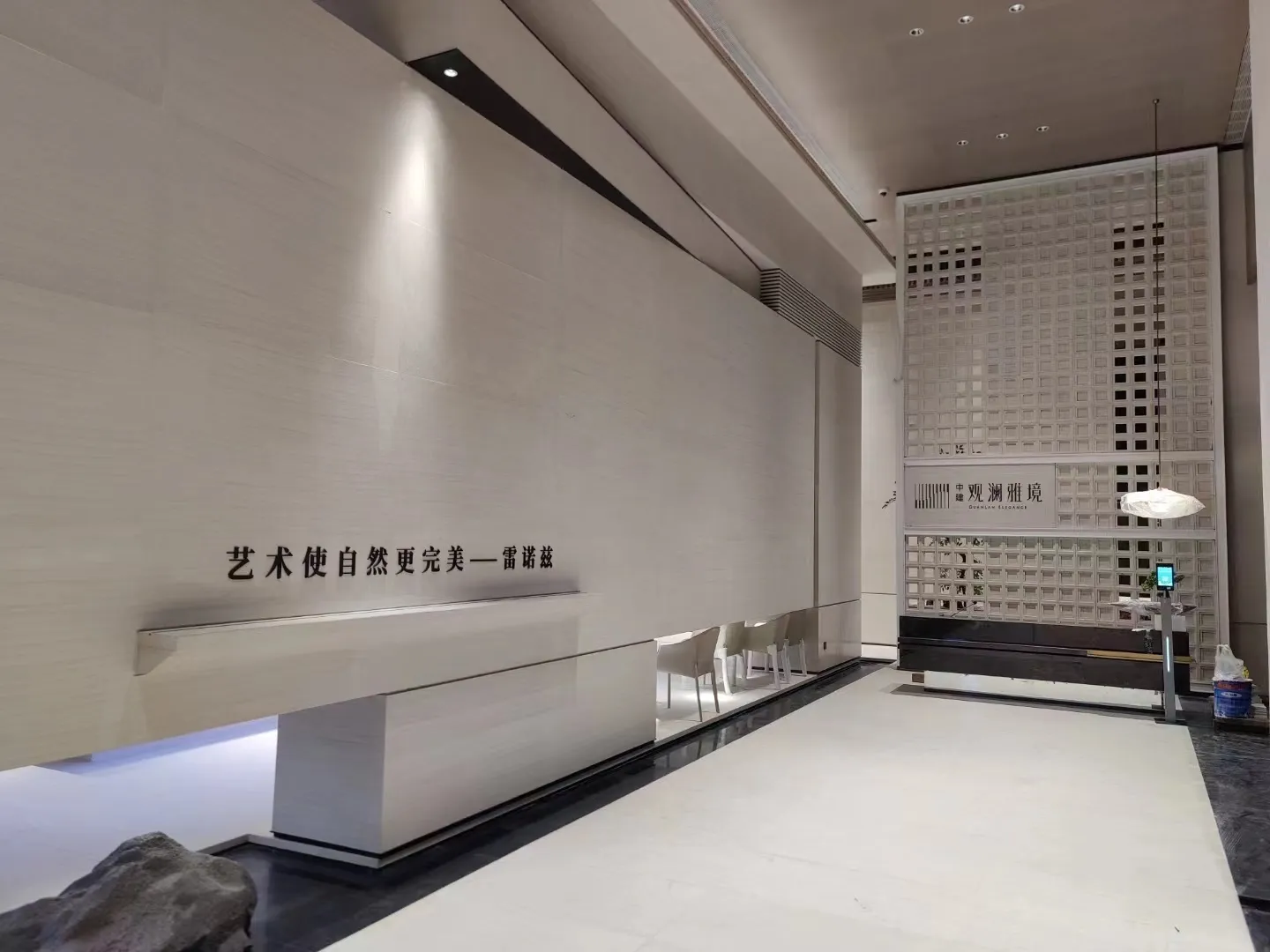
Wave panels aren't limited to one type of space—their versatility allows them to enhance any environment, from the most intimate home corners to the grandest public buildings. Here are just a few ways MCM wave panels are transforming spaces around the world:
In homes, wave panels often become the focal point of living rooms, bedrooms, or home offices. A bedroom with MCM Flexible Stone wave panels in a warm, earthy tone creates a cozy, cave-like atmosphere—perfect for unwinding after a long day. In contrast, a home office might use MCM 3D-printed wave panels in a bright white, their clean lines and subtle texture inspiring focus and creativity.
Hotels, restaurants, and cafes rely on ambiance to keep guests coming back—and wave panels deliver. A beachfront restaurant could use MCM Big Slab wave panels in a soft blue, their undulating surface mirroring the ocean outside. A boutique café might opt for smaller, 3D-printed wave panels in a matte black, adding edge and sophistication to its industrial-chic aesthetic.
Museums, art galleries, and community centers use wave panels to tell stories. A local history museum, for example, could install MCM Flexible Stone wave panels etched with patterns inspired by the region's heritage, turning the walls into educational exhibits. A community theater might use MCM 3D-printed wave panels in its lobby, their dramatic curves setting the stage for the performances inside.
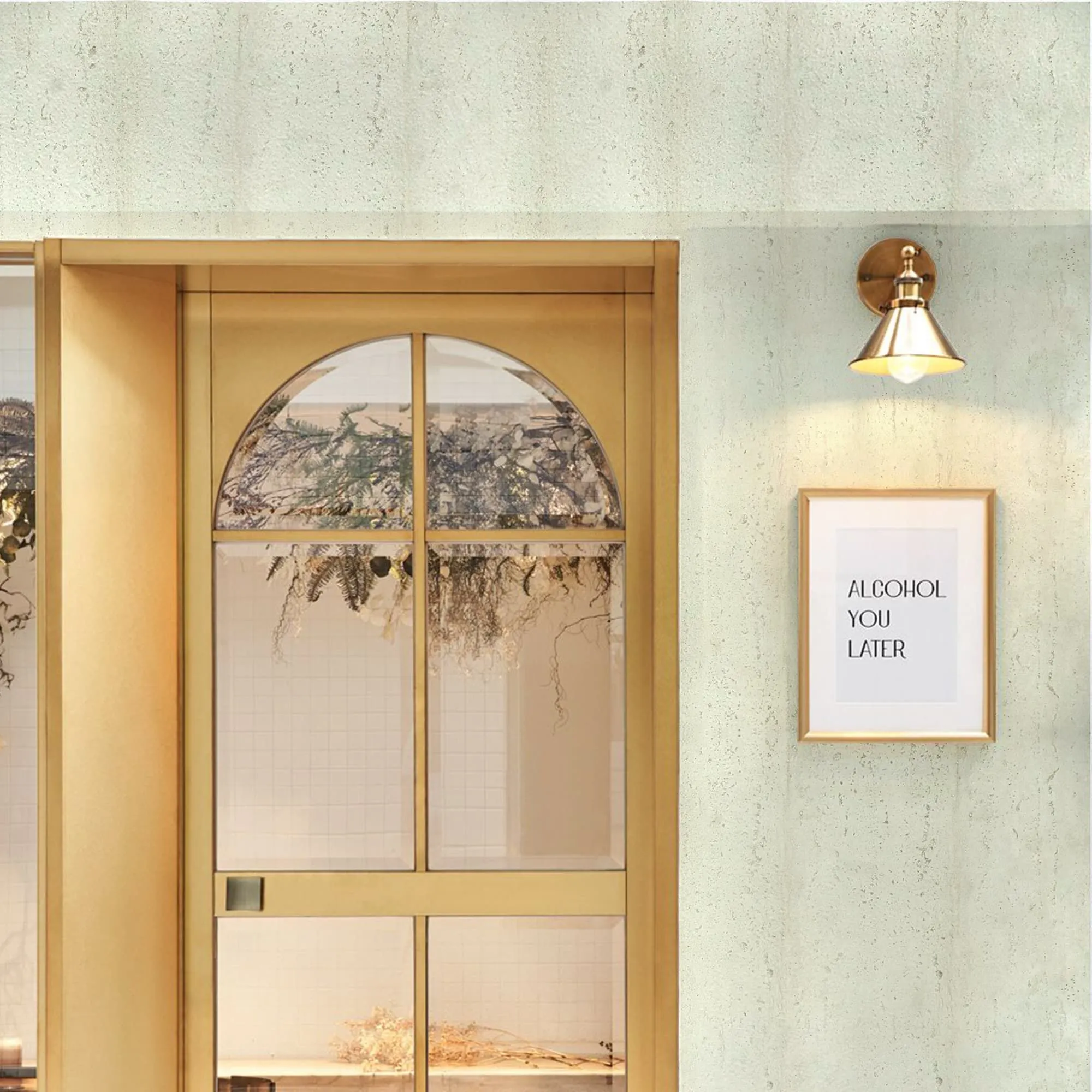
In today's world, beauty alone isn't enough. We need design choices that honor the planet—and MCM wave panels rise to this challenge. MCM materials are crafted from recycled industrial byproducts, reducing the need for virgin resources. Their lightweight composition also cuts down on transportation emissions, while their durability ensures they last for decades, minimizing waste. For eco-conscious homeowners and businesses, this means decorating with confidence—knowing that their wave panels aren't just beautiful, but responsible too.
Take, for instance, a LEED-certified office building. By choosing MCM wave panels for its common areas, the building not only enhances its aesthetic appeal but also earns points toward its sustainability certification. It's a win-win: the space looks stunning, and the planet benefits. It's a powerful reminder that when design and sustainability work together, the possibilities are endless.
Decorative wave panels are more than just wall coverings. They are a language—one that speaks in curves and textures, in light and shadow, in calm and energy. With MCM materials like Flexible Stone, 3D Printing, and Big Slab Board Series, this language becomes richer, more expressive, and more accessible than ever before. Whether you're designing a home that feels like a sanctuary or a commercial space that leaves a lasting impression, wave panels crafted from MCM invite you to tell your story—boldly, beautifully, and sustainably.
So, the next time you walk into a room, pause and look at the walls. Are they silent, or are they speaking? With wave panels, they'll be singing—and the world will be listening.
Recommend Products











