
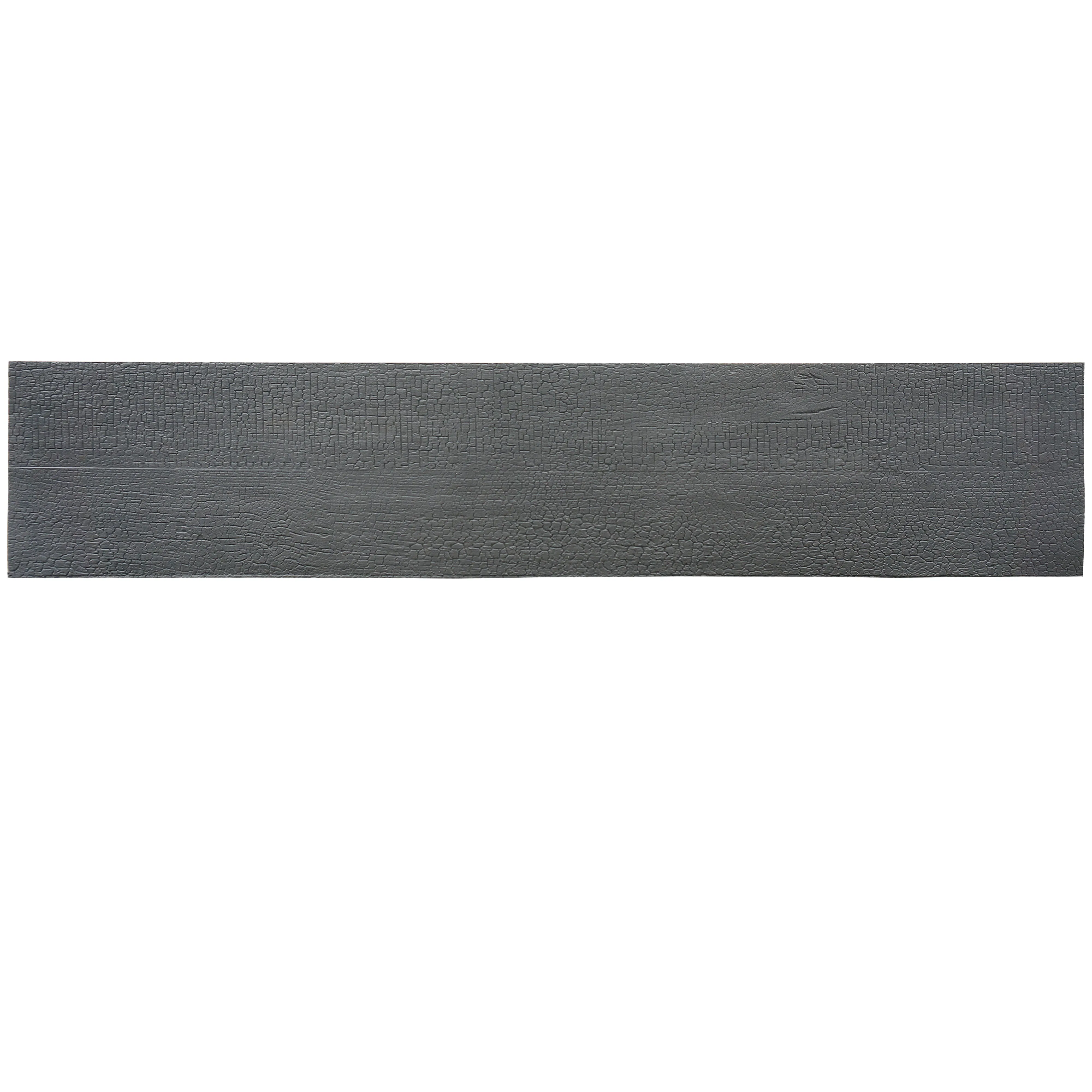
In a world of sleek synthetics and mass-produced materials, there's a quiet rebellion happening in design—one that turns to fire, time, and tradition to create something truly unique. Enter charcoal burnt wood board, a material that marries the raw beauty of nature with the artistry of controlled destruction. It's not just wood; it's wood that has danced with flames, emerging with a depth of character that no machine can replicate. From the dark, velvety tones of its surface to the subtle cracks that tell the story of its transformation, this board has become a favorite for designers craving authenticity in an increasingly homogenized world.
But what makes charcoal burnt wood board more than just a pretty face? Beyond its striking looks lies a set of properties—rooted in science—that make it a practical, durable choice for both residential and commercial spaces. Today, we're diving deep into one of its most overlooked yet critical features: its pH characteristics. We'll explore why pH matters in building materials, how charcoal burnt wood board stacks up, and how this unique trait, paired with its aesthetic and functional benefits, sets it apart from alternatives like wood grain board or even polished concrete. Along the way, we'll also touch on how it harmonizes with other materials, from the industrial chic of fair-faced concrete to the earthy texture of rough granite stone.
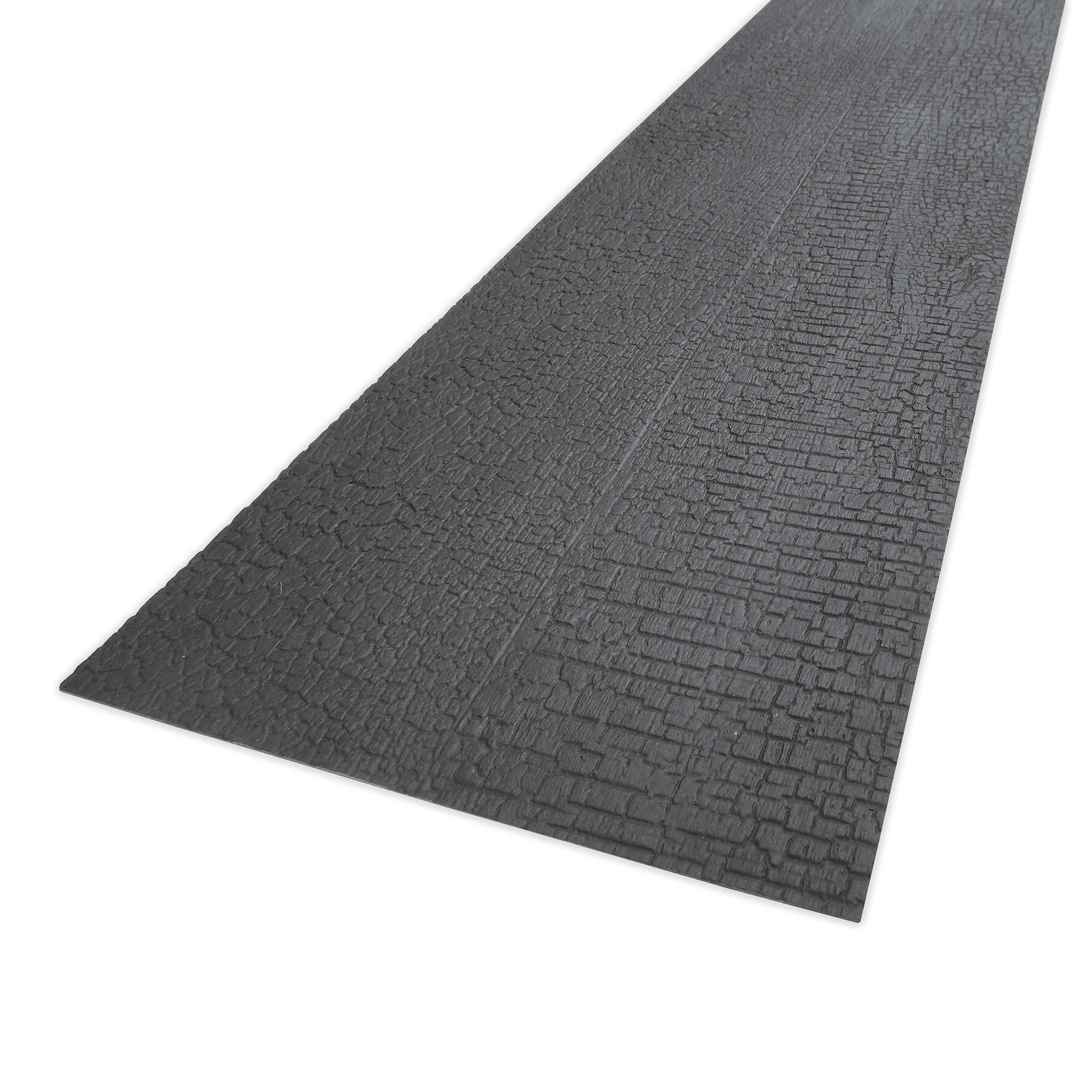
To understand charcoal burnt wood board, we first need to talk about fire—not the destructive kind, but the controlled, intentional kind that craftsmen have used for centuries. Traditional methods, like the Japanese shou sugi ban technique, involve charring wood with a torch, then brushing away the surface layer to reveal a protective, textured coat. Modern iterations refine this process, using precise heat levels and sometimes sealants to enhance durability, but the core idea remains: fire changes wood at a molecular level.
When wood is charred, several things happen. The outer layer turns to carbon, creating a barrier that resists moisture, pests, and even fire (counterintuitively, charred wood is more fire-resistant than raw wood, as the carbon layer slows further combustion). But what does this have to do with pH? pH, a measure of acidity or alkalinity, is determined by the concentration of hydrogen ions in a material. In unprocessed wood, pH can vary—some species are naturally acidic (like oak, around 4.5–5.5), others more alkaline (like teak, around 6.5–7.5). But charring? It shifts this balance.
The high heat of charring breaks down organic compounds in the wood, releasing volatile acids and leaving behind a layer rich in carbon and minerals. This process tends to neutralize the wood's natural pH. Most charcoal burnt wood boards land in the near-neutral range, typically between 6.0 and 7.5. Why does this matter? Let's break it down.
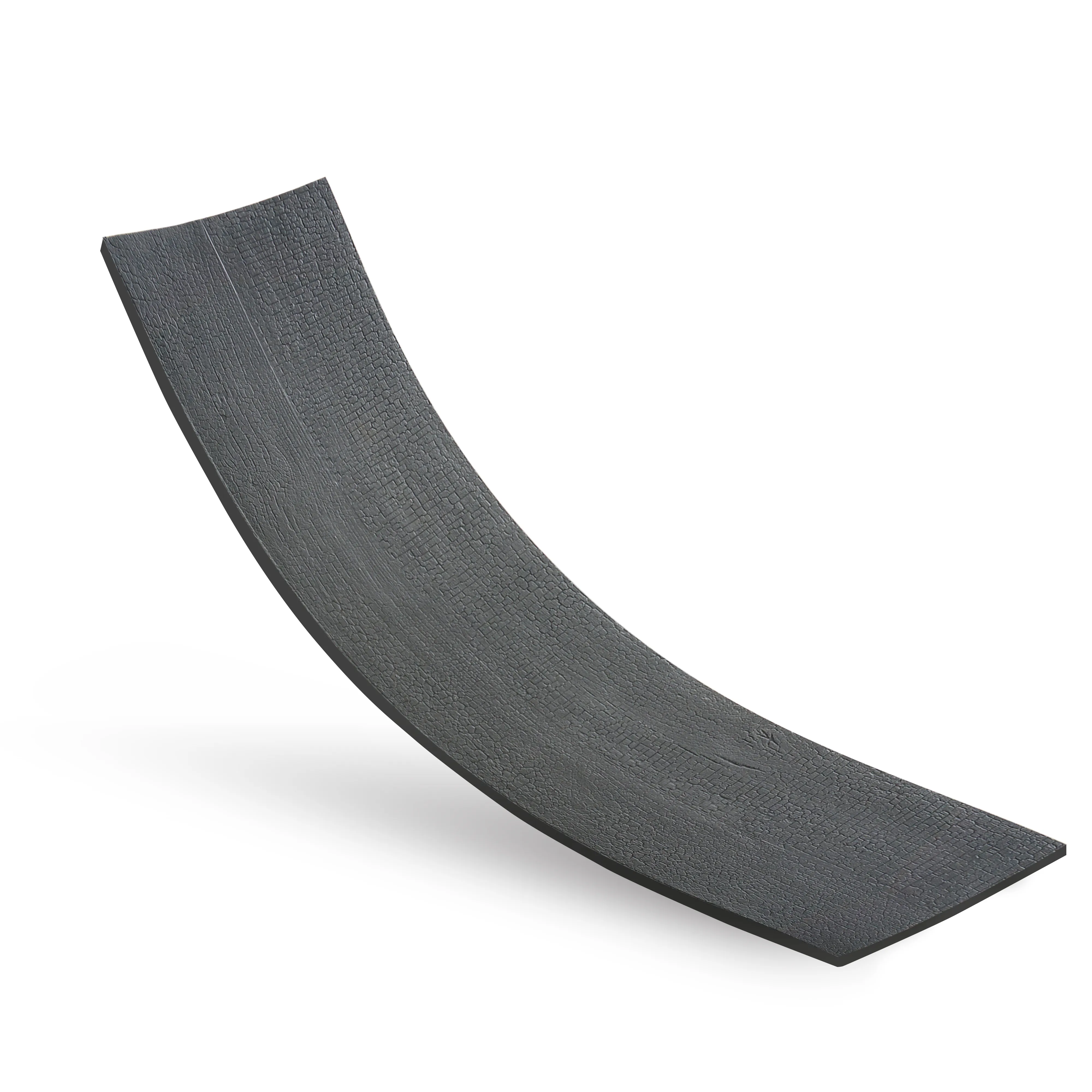
pH might seem like a trivial detail, but in building materials, it's a silent workhorse. A material's pH level affects everything from how it interacts with other substances to how it ages over time. Let's unpack why charcoal burnt wood board's near-neutral pH is such a win.
Why pH Matters in Building Materials:
-
Compatibility with other materials:
Acidic materials can corrode metal fasteners or react with alkaline sealants; overly alkaline ones might discolor paints or weaken adhesives.
-
Resistance to decay:
Extremes in pH (too acidic or too alkaline) can create environments where mold, mildew, or wood-boring insects thrive.
-
Longevity:
pH stability prevents the material from breaking down prematurely, ensuring it stands up to weather, humidity, and daily wear.
Charcoal burnt wood board's neutral pH hits the sweet spot. Unlike unprocessed acidic woods that might corrode steel nails over time, or highly alkaline treated woods that could react with certain paints, its balanced pH makes it a team player. For example, when paired with fair-faced concrete—a material known for its alkaline nature (pH 12–13 when fresh, calming to 8–9 as it cures)—the wood's neutrality prevents a chemical clash. The two coexist without one accelerating the other's degradation, ensuring your walls or floors stay intact for decades.
Another perk? Neutral pH discourages microbial growth. Mold and mildew love acidic environments (think wet, untreated pine in a bathroom), but charcoal burnt wood board's pH makes it less hospitable. Combine that with its moisture-resistant char layer, and you've got a material that laughs in the face of damp basements or humid climates.
Charcoal burnt wood board's pH characteristics are just the start. Let's explore how they tie into its broader benefits, from durability to design flexibility.
We've touched on the char layer's role in moisture and fire resistance, but its neutral pH amplifies this. By avoiding extreme acidity or alkalinity, the wood resists the breakdown that can occur when materials react with rain, humidity, or even cleaning products. This means less warping, cracking, or discoloration over time. Compare this to polished concrete, which, while durable, can etch if exposed to acidic substances like vinegar—charcoal burnt wood board's neutrality makes it more forgiving in high-traffic areas like kitchens or entryways.
Pests, too, are less likely to bother it. Termites and carpenter ants are drawn to the sugars in unprocessed wood; charring removes these sugars, and the neutral pH doesn't offer the acidic environment some pests prefer. For homeowners in bug-prone areas, this is a game-changer—no need for harsh chemical treatments that might disrupt indoor air quality.
Let's be honest: part of the appeal is how it looks. Charcoal burnt wood board isn't uniform. Shades range from deep ebony to smoky gray, with hints of amber or red peeking through in some pieces. The charring process creates unique textures—some boards have tight, fine cracks, others bold, gnarled patterns—so no two pieces are identical. This organic variation adds warmth that wood grain board, with its more consistent print, can't always match.
Its dark tones make it a chameleon in design. In a Scandinavian-inspired home, it adds depth against light walls and pale wood floors. In an industrial space, paired with fair-faced concrete and metal accents, it softens the harsh edges. And in a rustic cabin, it leans into the "lived-in" vibe, complementing rough granite stone fireplaces or bamboo mat board ceilings. The key? It doesn't overpower—it enhances.
Sustainability is no longer a trend; it's a requirement. Charcoal burnt wood board delivers here, too. Many manufacturers use FSC-certified wood, ensuring responsible forestry practices. The charring process itself requires no toxic chemicals—just heat and sometimes a natural sealant like linseed oil. And because it's so durable, it reduces the need for frequent replacements, cutting down on waste. Compare this to vinyl or composite boards, which often contain plastics and have shorter lifespans, and the eco-benefits become clear.
A material is only as good as its ability to work with others, and charcoal burnt wood board is a team player. Its neutral pH ensures it pairs seamlessly with:
Even with metal or glass, it holds its own. The key is its neutrality; it doesn't clash, only complements.
Theory is great, but let's talk real life. Where does charcoal burnt wood board actually work best? The answer: almost anywhere. Here are a few standout applications:
One of our favorite examples? A boutique hotel in Portland that used charcoal burnt wood board for its lobby walls, paired with fair-faced concrete columns and rough granite stone accents. The result? A space that feels both grand and intimate, like stepping into a modern lodge. Guests often comment on how the wood "feels alive"—a testament to its organic, textured surface.
Despite its durability, charcoal burnt wood board isn't entirely maintenance-free. But don't worry—caring for it is straightforward. Here's how to keep it looking its best:
The best part? As it ages, it only gets better. The charred layer weathers gracefully, developing a subtle patina that adds to its character. Unlike polished concrete, which can show scratches more prominently, charcoal burnt wood board's texture hides minor wear, making it ideal for busy households.
With so many building materials on the market, why choose charcoal burnt wood board? Let's stack it up against a few popular options:
At the end of the day, what sets charcoal burnt wood board apart is its balance. It's durable enough for practical use, beautiful enough to make a statement, and eco-friendly enough to align with modern values. And its near-neutral pH? That's the quiet feature that ensures all these benefits last—decade after decade.
Charcoal burnt wood board is more than just a building material. It's a bridge between tradition and innovation, between fire and function. Its pH characteristics, often overlooked, are a testament to its thoughtful design—proof that even the smallest details matter when creating something built to last. Whether you're renovating a home, designing a commercial space, or just dreaming of your next project, consider this: in a world of mass-produced perfection, there's beauty in imperfection. In a world of synthetic materials, there's value in something that bears the marks of fire and time.
So go ahead—embrace the char. Pair it with fair-faced concrete, rough granite stone, or bamboo mat board. Let it tell a story in your space. After all, the best designs aren't just about how they look—they're about how they make you feel. And charcoal burnt wood board? It feels like home.
Recommend Products












