
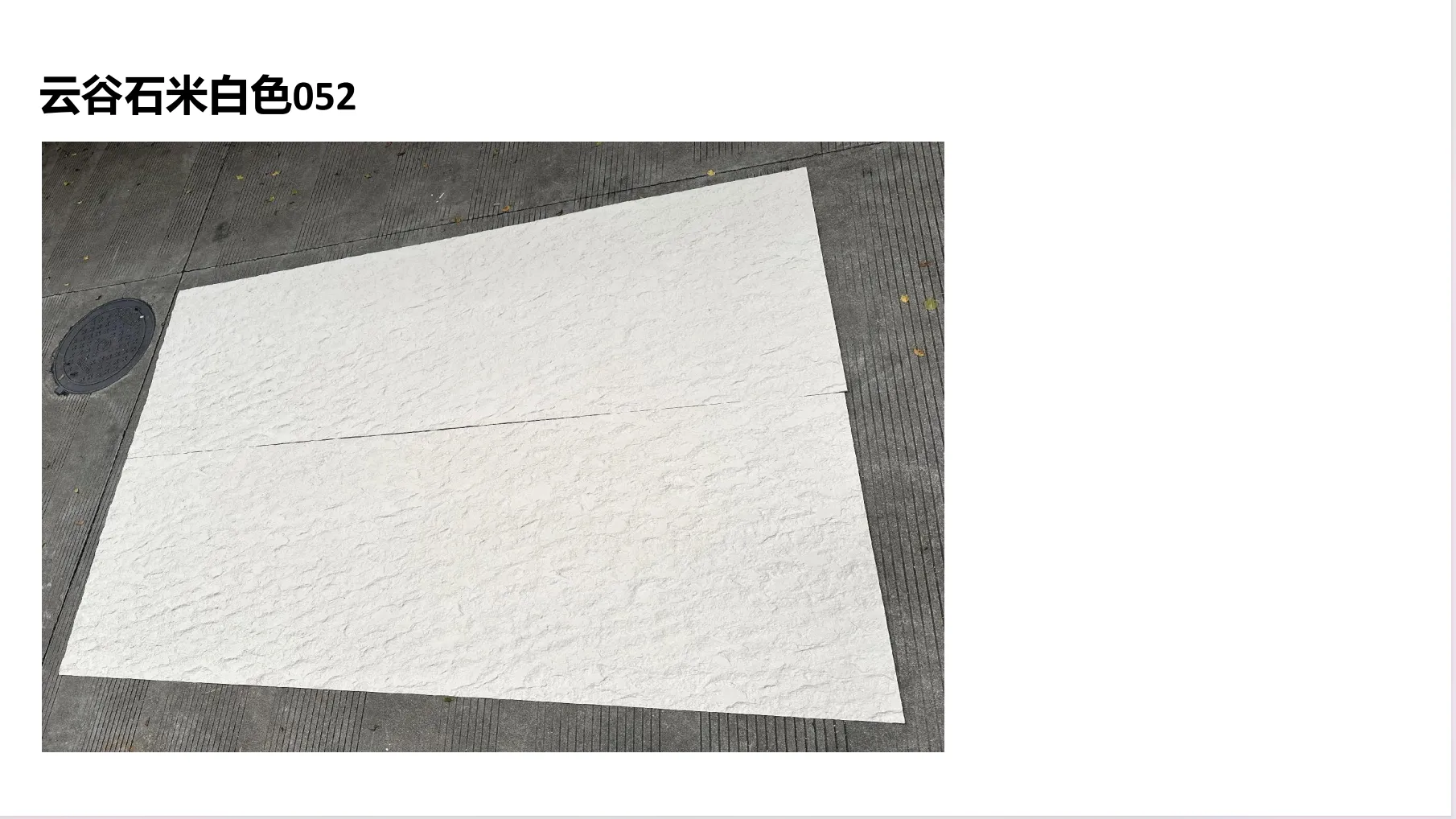
Walk into a modern boutique hotel, a sleek office lobby, or even a thoughtfully renovated heritage home, and you'll likely notice a common thread—the walls and surfaces that shape the space. These aren't just structural elements; they're storytellers. They set the mood, evoke emotion, and leave a lasting impression on anyone who steps inside. In recent years, one material has been quietly stealing the spotlight among architects and builders alike: Cloud Stone. But what exactly is it? Why is it gaining traction? And how does it stack up against the materials you've relied on for years? Let's dive in and unpack everything you need to know about this versatile cladding solution.
At its core, Cloud Stone is a engineered cladding material designed to mimic the organic beauty of natural stone while offering the practical benefits of modern technology. Think of it as the best of both worlds: the texture and depth of travertine or limestone, paired with the durability and flexibility of advanced composites. Unlike traditional stone slabs that are heavy, brittle, and tricky to install, Cloud Stone is crafted using a blend of natural minerals, resins, and fibers—resulting in a lightweight panel that's easy to handle, cut, and shape.
What truly sets it apart, though, is its aesthetic range. From the soft, moonlit glow of lunar peak silvery finishes to the earthy warmth of travertine (beige), Cloud Stone can replicate almost any natural stone look—without the environmental impact of quarrying or the high maintenance costs. It's no wonder builders are turning to it for projects where both form and function matter.
Let's get practical. As a builder, you care about materials that save time, reduce headaches, and deliver results that impress clients. Cloud Stone checks all these boxes and more:
Lightweight & Easy to Install:
Traditional stone can weigh upwards of 150 lbs per square foot, requiring heavy machinery and reinforced structures. Cloud Stone, by contrast, weighs just 8–12 lbs per square foot. That means fewer workers, simpler tools, and faster installation times—critical for tight project deadlines.
Durable Beyond Expectations:
Scratches, moisture, UV rays—these are the enemies of any cladding material. Cloud Stone's resin-reinforced core resists all three, making it ideal for high-traffic areas like retail storefronts or outdoor patios. It won't fade in the sun, warp in humidity, or chip from accidental impacts.
Design Versatility:
Whether your client wants the rugged charm of rough granite stone (medium grey) or the sleek minimalism of fair-faced concrete, Cloud Stone can deliver. It's available in a spectrum of finishes, from polished to textured, and can be cut into custom shapes—think semicircle boards, wave panels, or even intricate mosaics.
Eco-Friendly Credentials:
In an era where sustainability is non-negotiable, Cloud Stone shines. It uses recycled materials in its production, emits low VOCs, and reduces the need for quarrying natural stone. For clients prioritizing green building certifications, this is a major selling point.
You're probably thinking, "How does this stack up against materials I already use?" Let's break it down. Below is a side-by-side comparison of Cloud Stone with three popular alternatives: MCM flexible stone, fair-faced concrete, and lunar peak silvery cladding.
| Feature | Cloud Stone | MCM Flexible Stone | Fair-Faced Concrete | Lunar Peak Silvery |
|---|---|---|---|---|
| Weight (per sq ft) | 8–12 lbs | 6–10 lbs | 25–30 lbs | 10–14 lbs |
| Installation Ease | High (can be cut on-site, adhesive-applied) | High (flexible, lightweight) | Low (requires formwork, curing time) | Medium (fragile edges, specialized cutting) |
| Aesthetic Range | Extensive (mimics stone, concrete, wood) | Good (focus on stone textures) | Limited (industrial, uniform look) | Narrow (metallic, silvery finish only) |
| Durability | Excellent (resists scratches, moisture, UV) | Good (prone to tearing if bent too far) | Excellent (high compressive strength) | Medium (susceptible to dents, corrosion) |
| Sustainability | High (recycled materials, low waste) | Medium (some resins may emit VOCs) | Low (high carbon footprint from cement) | Low (metallic finishes require mining) |
| Cost (per sq ft) | Moderate ($15–$25) | Low ($10–$18) | Low ($8–$15) | High ($25–$35) |
As you can see, Cloud Stone balances performance, versatility, and sustainability in a way that few materials do. It's not the cheapest option, but its long-term value—fewer repairs, faster installs, happier clients—often makes it the smarter investment.
Let's talk about
how
you'd use Cloud Stone. Its adaptability means it fits almost any project, but here are a few scenarios where it truly excels:
Residential Interiors & Exteriors:
Imagine cladding a home's exterior with Cloud Stone in travertine (starry blue) for a coastal vibe, or using it in a living room feature wall with a marble veil white finish for elegance. It works indoors and out, standing up to rain, snow, and daily wear and tear.
Commercial Spaces:
Retail stores, restaurants, and offices thrive on making a statement. Cloud Stone in rough granite stone (dark grey) adds industrial edge, while a polished concrete finish keeps things modern and low-maintenance. It's also easy to clean—a must for high-traffic areas.
Heritage Renovations:
When restoring old buildings, matching original stone can be a nightmare. Cloud Stone's ability to replicate historical pathfinders stone or lime stone (beige) makes it a lifesaver, preserving the structure's character without compromising on durability.
Outdoor Living Areas:
Patios, pool surrounds, and garden walls need materials that handle moisture and temperature swings. Cloud Stone's resistance to mold, mildew, and fading makes it perfect for these spaces—plus, it won't get slippery when wet, a safety win.
Installing Cloud Stone is straightforward, but a few tricks will ensure a flawless finish:
Prep the Surface:
Cloud Stone adheres best to clean, flat surfaces. Make sure walls or substrates are smooth, dry, and free of dust or debris. Patch any cracks or uneven areas before starting.
Use the Right Tools:
Since it's lightweight, you can cut Cloud Stone with a standard circular saw fitted with a diamond blade. For intricate shapes, a jigsaw works well. Avoid brute force—let the tools do the work to prevent chipping.
Adhesive Matters:
Opt for a high-quality, moisture-resistant adhesive designed for engineered stone. Follow the manufacturer's instructions for curing time—rushing this step can lead to panels shifting later.
Seal (If Needed):
Most Cloud Stone finishes are pre-sealed, but if you're using it outdoors or in wet areas (like a shower), an extra coat of penetrating sealer adds peace of mind.
Today's clients don't just care about how a building looks—they care about how it's made. Cloud Stone aligns with green building goals in several ways:
Reduced Environmental Impact:
By using recycled minerals and avoiding quarrying, Cloud Stone cuts down on deforestation and habitat destruction. Its lightweight nature also reduces transportation emissions—less fuel is needed to ship panels compared to heavy stone.
Energy Efficiency:
Cloud Stone's insulating properties can help regulate indoor temperatures, reducing heating and cooling costs. This is a big plus for clients aiming for LEED or BREEAM certifications.
Longevity = Less Waste:
A material that lasts 30+ years means fewer replacements, less waste in landfills, and lower lifecycle costs. Cloud Stone's durability makes it a sustainable choice by default.
At the end of the day, building is about solving problems—creating spaces that are safe, beautiful, and functional. Cloud Stone isn't just another material; it's a solution to the age-old tension between aesthetics and practicality. It lets you deliver the natural stone look clients crave without the hassle of traditional installation. It helps you meet sustainability goals without compromising on durability. And it opens up new design possibilities, from lunar peak golden accents to ethereal shadow travertine walls, that set your projects apart.
So, the next time you're planning a project, consider Cloud Stone. It might just be the material that turns a good build into a great one—one that clients rave about, and you're proud to have crafted.
Recommend Products












