
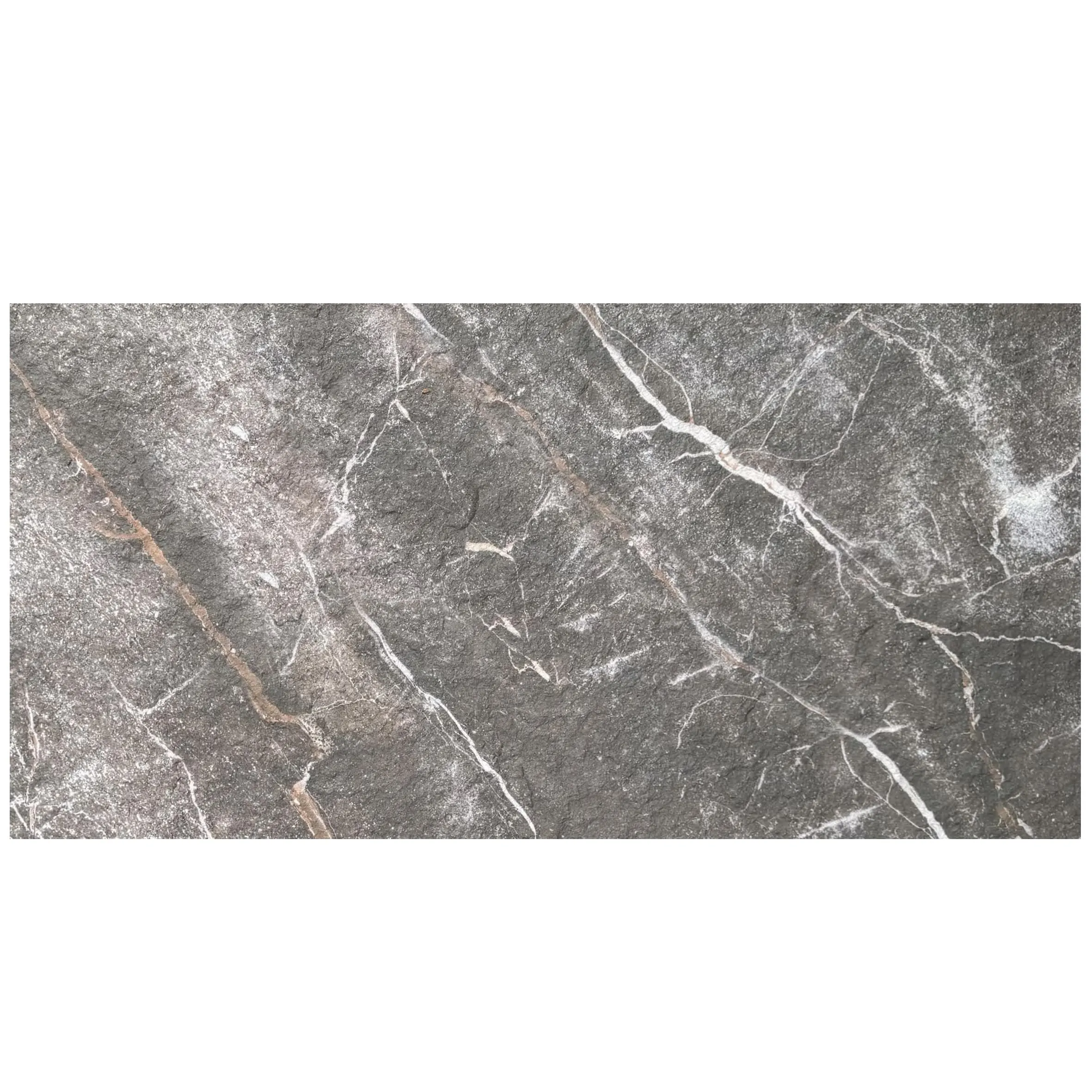
As we step into 2025, the world of architecture is undergoing a quiet revolution—one where the line between tradition and innovation blurs, and facades become more than just protective shells. They're storytelling canvases, blending raw materiality with cutting-edge technology to craft spaces that feel both grounded and forward-thinking. At the heart of this movement lies a surprising yet harmonious pairing: the timeless elegance of Granite Portoro and the versatile ingenuity of MCM (Modified Composite Material) products. This combination isn't just about aesthetics; it's a response to the modern architect's cry for materials that are durable, sustainable, and unapologetically beautiful.
To understand the allure of Granite Portoro, one need only trace its history. For centuries, this natural stone has adorned palaces, museums, and iconic structures, prized for its dramatic contrast of deep, velvety black and bold gold veins that seem to glow from within. It's a material that whispers opulence without shouting—timeless, yet always relevant. But in an era where buildings demand more than just beauty (think energy efficiency, structural lightness, and eco-responsibility), traditional Granite Portoro has faced limitations. Quarrying large slabs is resource-intensive; transporting and installing them adds structural strain to buildings; and their rigidity leaves little room for the curved, dynamic facades that define modern design.
Enter MCM technology. By integrating the aesthetic essence of Granite Portoro into modified composite materials, manufacturers have unlocked a new chapter for this classic stone. Today's MCM Granite Portoro isn't a mere imitation; it's a reimagining. Using advanced 3D printing and surface treatment techniques (part of the MCM 3D Printing Series), the material captures every nuance of natural Granite Portoro—the depth of its black, the luster of its gold veins, even the subtle texture of its surface—while shedding the weight and fragility of its natural counterpart. It's luxury, but with a practical edge.
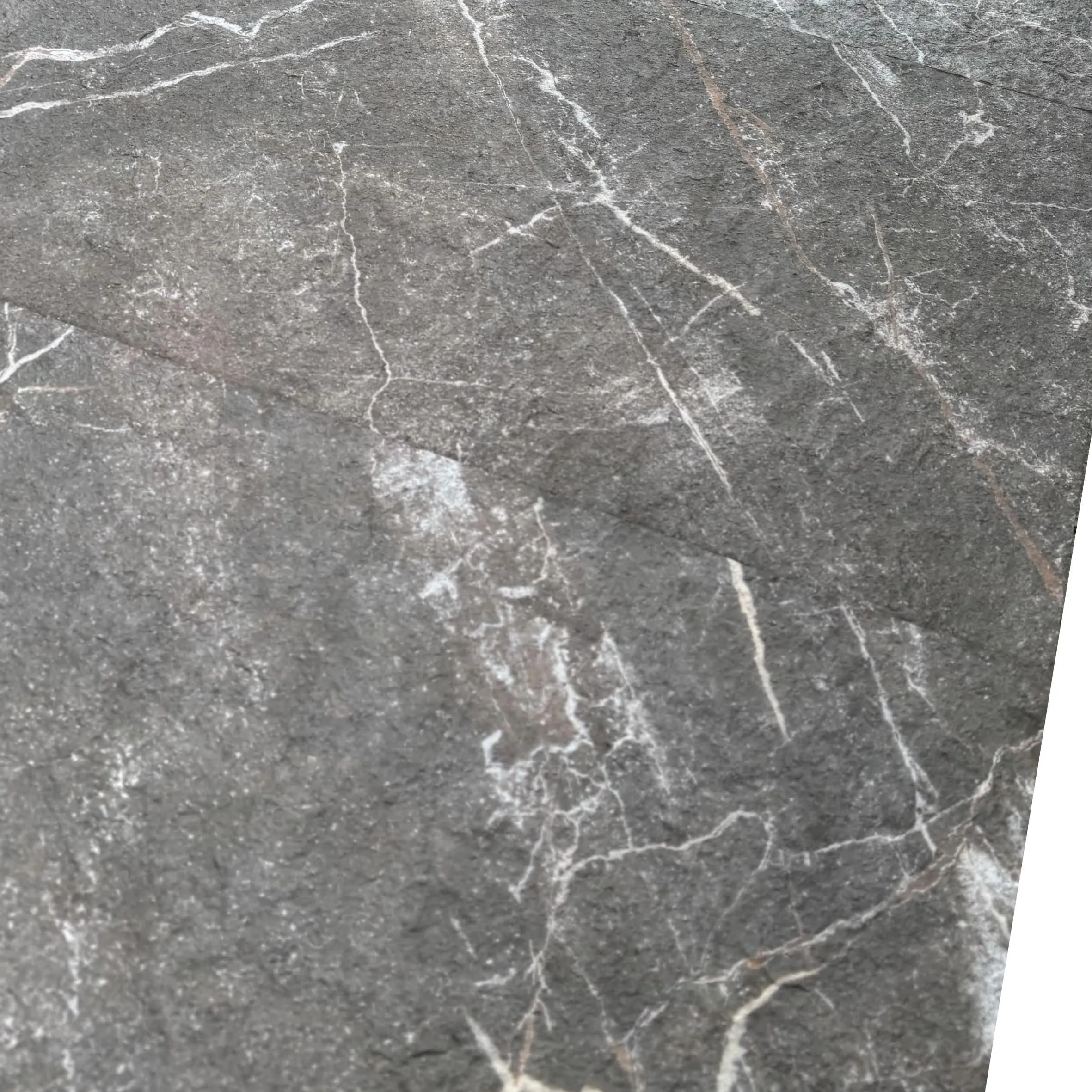
MCM, or Modified Composite Material, has quietly become the unsung hero of contemporary architecture. Born from the need to merge natural material aesthetics with engineered performance, MCM products like MCM Flexible Stone and MCM Big Slab Board Series are redefining what's possible for facades. Let's break down why they're stealing the spotlight:
| Aspect | Traditional Granite Portoro | MCM Granite Portoro Combinations |
|---|---|---|
| Weight | 150-200 kg/m² | 3-8 kg/m² |
| Installation | Requires heavy machinery; limited to flat surfaces | Lightweight, can be installed with basic tools; suitable for curves |
| Durability | High, but prone to cracking under stress | Impact-resistant; weatherproof; UV-stable |
| Sustainability | Resource-heavy quarrying; high carbon footprint | Recycled materials; low energy production; recyclable |
| Design Flexibility | Limited to rigid, flat applications | Curves, large slabs, custom textures |
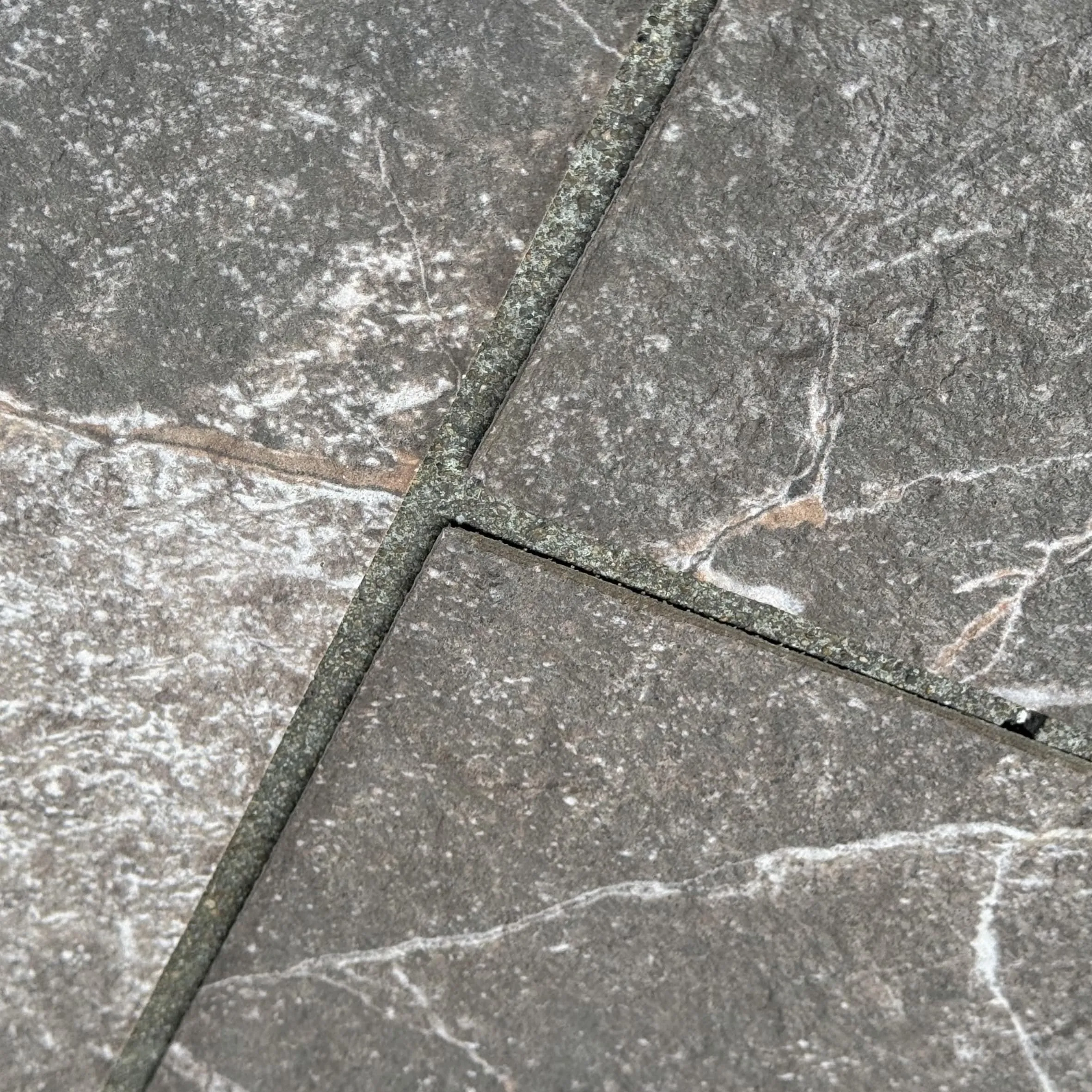
The magic of 2025's facade design lies not in single materials, but in how they dance together. Granite Portoro MCM, for instance, shines brightest when paired with complementary textures and tones. Take fair-faced concrete —its raw, unpolished surface, with its subtle variations in gray and exposed aggregate, creates a striking contrast to Granite Portoro's luxury. Imagine a commercial headquarters where the lower floors are clad in fair-faced concrete, grounding the building in industrial chic, while the upper levels soar in MCM Granite Portoro, their gold veins catching the sunlight. It's a dialogue between grit and glamour, history and modernity.
For projects aiming for a more futuristic vibe, Lunar Peak Silvery —another standout in the MCM lineup—offers a cool, metallic counterpoint. Its silvery sheen, reminiscent of moonlight on stone, pairs with Granite Portoro's warmth to create a facade that shifts with the day: golden at sunrise, sleek at noon, and almost ethereal under night lights. This combination has been turning heads in tech hubs, where buildings strive to reflect innovation and forward-thinking.
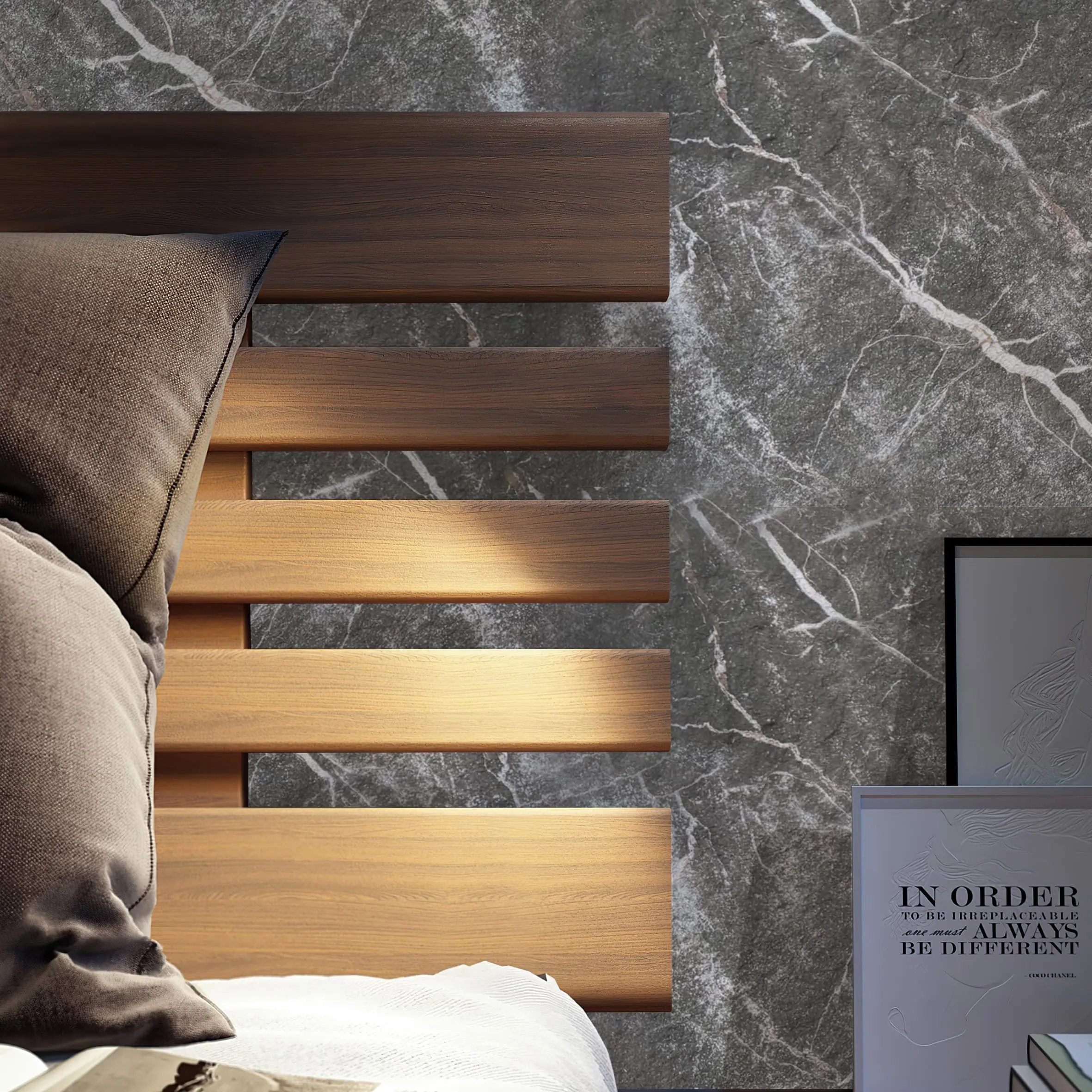
Residential architecture, too, is embracing this trend. Homeowners no longer want cookie-cutter exteriors; they crave personality. MCM Granite Portoro, in smaller formats or as accent panels, adds a touch of luxury to suburban homes without overwhelming the neighborhood. Paired with wood-grain MCM boards or bamboo mat board , it creates a facade that feels both sophisticated and welcoming—like a modern take on a cozy retreat.
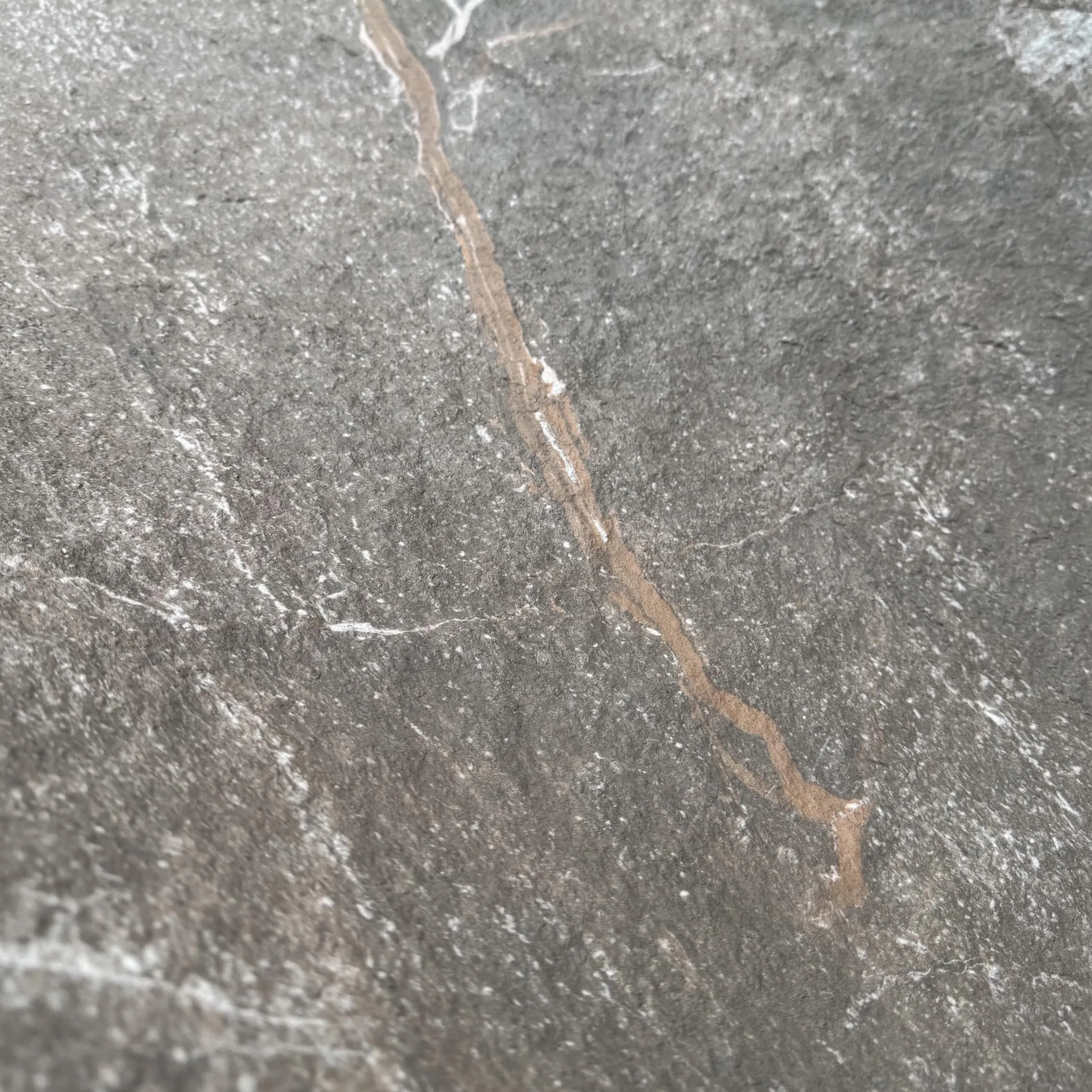
Let's step into the shoes of an architect designing a cultural center in 2025. The client wants a building that honors the past (local heritage) while embracing the future (sustainability). The solution? A facade that weaves MCM Granite Portoro with historical pathfinders stone —a textured, earthy MCM variant that mimics the weathered stone of ancient pathways. The Granite Portoro panels frame the main entrance, their gold veins echoing the city's historical royal emblem, while the historical pathfinders stone clads the lower levels, grounding the building in local narrative. The result? A space that feels both timeless and rooted, yet undeniably modern.
Over in the commercial sector, a luxury hotel chain recently unveiled a flagship property featuring the MCM Big Slab Board Series in Granite Portoro. The 10-story facade uses 3-meter-tall slabs with seamless joints, creating the illusion of a single, continuous stone surface. But here's the twist: the slabs are installed on a double-skin system, with MCM Flexible Stone in travertine (starry blue) —a dreamy, celestial-inspired variant—lining the inner layer. When lit from within at night, the blue travertine glows through the Granite Portoro's veins, turning the building into a beacon that tells a story of luxury and wonder.
Behind the beauty of these combinations lies a deeper commitment to sustainability—a trend no longer optional in 2025. MCM products, including Granite Portoro variants, are manufactured using recycled stone dust, glass fibers, and eco-friendly resins, reducing reliance on virgin materials. Their lightweight nature also cuts down on transportation emissions; a single truck can carry MCM panels that would require 10 trucks for natural stone. Installation, too, is greener: MCM's dry-fit systems eliminate the need for mortar, reducing waste and water usage.
Moreover, MCM facades contribute to energy efficiency. Their insulating properties help regulate building temperatures, reducing heating and cooling costs. And because they're resistant to fading, cracking, and moisture, they require minimal maintenance over their 50+ year lifespan—meaning less frequent replacements and less material waste in the long run.
As we move further into 2025, the most exciting aspect of facade design isn't just the materials—it's how they make us feel. Granite Portoro and MCM combinations don't just create buildings; they create experiences. A hospital clad in warm, earthy MCM variants (like lime stone (beige) and Granite Portoro accents) feels less clinical and more comforting. A school with playful MCM textures—maybe wave panels or star gravel —sparks curiosity in young minds. These materials are tools for architects to craft spaces that nurture, inspire, and connect.
In the end, 2025's facade trends are a celebration of balance: the balance between tradition and innovation, luxury and practicality, aesthetics and sustainability. Granite Portoro, once a symbol of old-world opulence, now stands at the forefront of this balance, reimagined through MCM technology. It's a reminder that the most enduring designs aren't just about what we see—but how they make us live, work, and dream.
So, as you look at the buildings rising around you this year, take a closer look. You might just spot the gold veins of Granite Portoro, now lighter, brighter, and more full of possibility than ever before—proof that some materials, like great design, only get better with time.
Recommend Products












