
Walk into any contemporary minimalist home today, and you'll likely notice a quiet rebellion against the cold, sterile stereotypes of the past. Modern minimalism isn't just about "less is more"—it's about meaningful less. It's about curating spaces that breathe, that feel grounded yet airy, and that tell a story without clutter. And at the heart of this evolution? Natural materials that bring warmth, texture, and a touch of the outdoors in. Lately, one material has been stealing the spotlight in designer circles: Rock Cut Dolomitic Stone. With its raw, earthy charm and versatile character, it's become the secret ingredient for creating minimalist spaces that feel lived-in, not lab-tested. Let's dive into why this stone is becoming a staple, how to use it, and why it might just be the missing piece in your next design project.
Minimalist design has come a long way from the all-white, all-glass interiors of the early 2000s. Today's designers are ditching starkness for warm minimalism —spaces that prioritize calm over cold, and texture over uniformity. Think: soft neutrals, layered textures, and materials that age gracefully. And nothing embodies this shift quite like natural stone. Unlike synthetic alternatives, natural stone carries the marks of time: subtle veining, tiny imperfections, and color variations that make each slab one-of-a-kind. It's these "flaws" that add depth to minimalist spaces, preventing them from feeling flat or lifeless.
But not all stones are created equal. In a world saturated with marble and granite, designers are hunting for materials that offer something new—something with a bit more edge, but still rooted in nature. Enter Rock Cut Dolomitic Stone. Quarried using traditional rock-cutting techniques, this stone retains the ruggedness of its origins while offering a refined finish that fits seamlessly into modern spaces. It's the perfect blend of raw and refined, and it's quickly becoming a go-to for designers who want to add soul to minimalism.
Let's start with the basics. Dolomitic stone, or dolomite, is a sedimentary rock formed over millions of years from mineral-rich water and organic matter. It's similar to limestone but with a higher magnesium content, which gives it added durability and a unique crystalline structure. What sets Rock Cut Dolomitic Stone apart is how it's extracted and finished. Instead of being polished to a high shine or honed to a smooth surface, it's cut directly from the quarry using traditional stone-cutting tools, leaving its surface rough-hewn and textured. This process preserves the stone's natural character—think visible tool marks, subtle indentations, and a tactile quality that invites touch.
The result? A material that feels both ancient and contemporary. Run your hand over a slab, and you'll feel the cool, solid weight of the stone, balanced by the gentle irregularities of its surface. It's not sleek or perfect, and that's exactly the point. In a design world that often prioritizes "perfection," Rock Cut Dolomitic Stone celebrates imperfection as beauty.
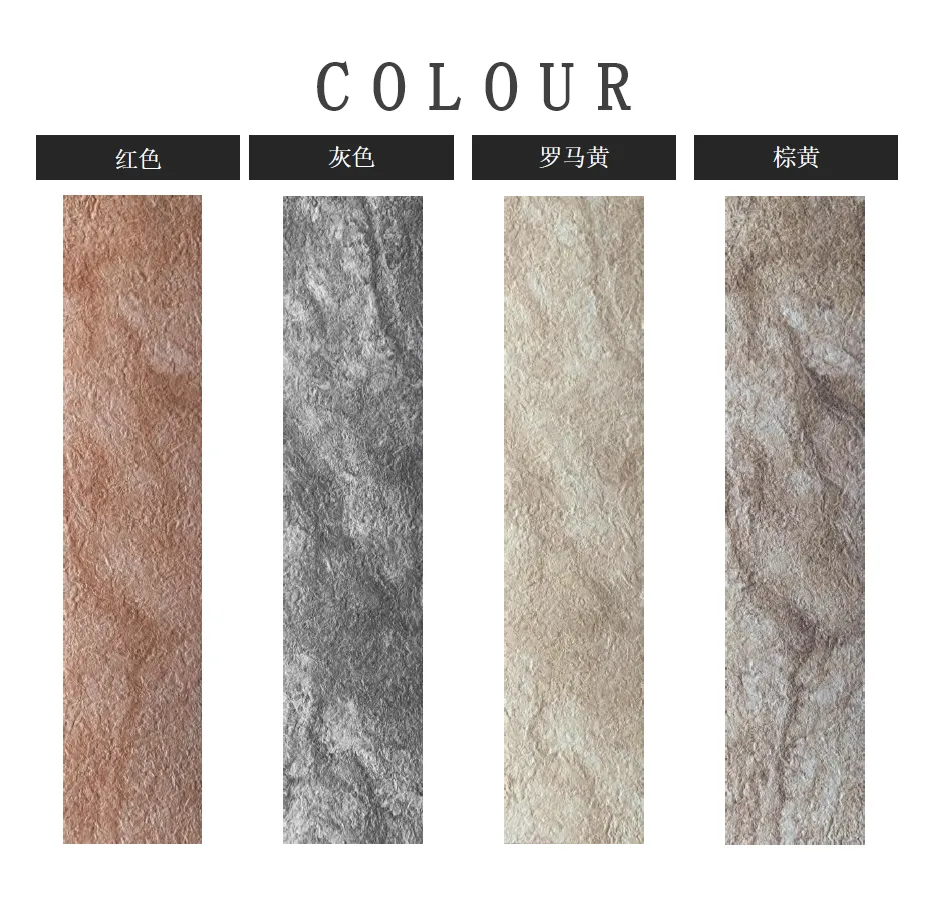
One of the reasons Rock Cut Dolomitic Stone works so well in minimalist interiors is its color palette. Unlike bold marbles or variegated granites, it leans into muted, earthy tones that complement the "less is more" ethos. Let's break down two of the most popular variants:
| Variant | Color Profile | Texture | Best For |
|---|---|---|---|
| Dolomitic travertine(dark grey) | Deep, moody grey with subtle blue or green undertones; veining ranges from charcoal to soft silver | Medium-rough surface with visible tool marks; slight porosity adds depth | Feature walls, fireplace surrounds, bathroom floors (paired with light accents) |
| Dolomitic travertine(claybank) | Warm, earthy beige with hints of terracotta or sand; veining in soft taupe or light brown | Slightly smoother than dark grey, with a "sanded" feel; more uniform in tone | Flooring, kitchen backsplashes, dining tabletops (adds warmth to neutral spaces) |
Take Dolomitic travertine(dark grey), for example. It's a stone that commands attention without shouting. Imagine a living room with a full-height feature wall clad in this dark grey stone: the rough texture catches the light, creating subtle shadows that shift throughout the day, while the cool grey tone anchors the space, letting furniture and art take center stage. It's bold but not overwhelming—perfect for minimalist spaces that want to make a statement without clashing.
On the flip side, Dolomitic travertine(claybank) is all about warmth. Its soft, sandy hue evokes desert landscapes or sun-baked earth, adding a cozy, inviting feel to rooms. Use it on a kitchen floor, and suddenly, even the most streamlined cabinetry feels approachable. Pair it with wooden accents or soft textiles, and you've got a space that feels like a hug—minimalist, but never cold.
Minimalism is all about balance, and Rock Cut Dolomitic Stone plays well with others. Its texture and color make it a versatile partner for a range of materials, from industrial staples to softer natural elements. Here are a few pairings that designers are loving right now:
Fair-faced concrete—with its raw, uncoated finish and subtle texture—is a minimalist classic. Pair it with Rock Cut Dolomitic Stone, and you get a look that's equal parts industrial and organic. Imagine a kitchen where the countertops are Dolomitic travertine(dark grey), the backsplash is fair-faced concrete, and the floors are polished concrete. The stone adds warmth to the concrete's coolness, while the concrete grounds the stone's texture, creating a space that feels modern but not sterile. It's a combo that works especially well in lofts or urban apartments, where you want to balance hard edges with natural softness.
Linear Travertine(claybank) is another natural stone that's gaining traction in minimalism. Unlike Rock Cut Dolomitic Stone, it has a more uniform, linear texture—think long, horizontal veins that flow across the surface. When paired with the rough-hewn texture of Rock Cut Dolomitic Stone, it creates a beautiful contrast of "structured" and "organic." For example, use Linear Travertine(claybank) on a bathroom wall and Rock Cut Dolomitic travertine(dark grey) on the floor. The linear veins add direction and calm, while the rock-cut texture adds depth and interest. It's a pairing that feels intentional but not forced—exactly what minimalism is all about.
Nothing softens stone like wood, and light woods (think oak, ash, or beech) pair beautifully with Rock Cut Dolomitic Stone. Picture a living room with a Rock Cut Dolomitic travertine(claybank) feature wall, a light wood sofa, and a wooden coffee table. The wood's warm tones complement the stone's earthy hues, while the stone's texture adds visual weight to the room, preventing it from feeling too "light." It's a combo that works in both modern and rustic-minimalist spaces, and it's a great way to bring the outdoors in without relying on plants alone.
Rock Cut Dolomitic Stone is surprisingly versatile—think of it as a neutral that can adapt to almost any room. Here are some of the most impactful ways to incorporate it:
In minimalist design, a feature wall should add interest without dominating the space—and Rock Cut Dolomitic Stone does exactly that. Whether you choose dark grey or claybank, a rock-cut stone wall becomes the quiet star of the room. In a bedroom, it can serve as a headboard wall, adding texture behind a simple bed frame and crisp linens. In a living room, it can anchor a seating area, pairing beautifully with a low-profile sofa and floor-to-ceiling windows. The key is to keep the rest of the room simple: neutral paint, minimal decor, and soft lighting to highlight the stone's texture.
Stone floors are a minimalist staple, but Rock Cut Dolomitic Stone takes them to the next level. Unlike polished stone, which can feel slippery or cold, its textured surface adds grip (great for bathrooms or kitchens) and warmth underfoot. Dolomitic travertine(claybank) is especially popular for floors, as its light color reflects light, making small spaces feel larger. Imagine a hallway lined with claybank stone floors, paired with white walls and black metal fixtures—the contrast is striking, but the stone keeps it from feeling harsh.
Minimalist kitchens and bathrooms demand surfaces that are both beautiful and functional, and Rock Cut Dolomitic Stone delivers. Its durability makes it resistant to scratches and stains (though, like all natural stone, it should be sealed regularly), and its texture hides minor imperfections—perfect for busy households. A Dolomitic travertine(dark grey) countertop in a kitchen adds a touch of drama, while a claybank vanity top in a bathroom feels fresh and airy. Pair it with under-mounted sinks and simple hardware, and you've got a look that's both timeless and modern.
Modern minimalism isn't just about aesthetics—it's also about mindfulness. More and more homeowners are choosing materials that are eco-friendly, durable, and long-lasting, and Rock Cut Dolomitic Stone checks all those boxes. Here's why:
In a world where "fast design" is becoming more common, choosing materials that stand the test of time is a radical act of minimalism. Rock Cut Dolomitic Stone isn't just a design choice—it's a choice to invest in a space that grows with you, rather than one that needs constant updating.
The Space: A 1,200-square-foot apartment in central Copenhagen, designed by local firm Studio Minimalist.
The Goal: Create a space that feels calm, light-filled, and connected to nature, while embracing minimalist principles.
The Solution: Rock Cut Dolomitic Stone takes center stage here, with Dolomitic travertine(dark grey) used on the living room feature wall and Dolomitic travertine(claybank) on the kitchen countertops. The living room wall is paired with a light oak sofa, a linen rug, and floor-to-ceiling windows that flood the space with natural light. The stone's dark grey hue adds depth without overwhelming the room, while the oak and linen keep it soft. In the kitchen, the claybank countertops contrast beautifully with white cabinetry and fair-faced concrete backsplash, creating a space that's both functional and warm. "We wanted the stone to tell a story," says lead designer Anna Jensen. "It's not just a material—it's a reminder of the earth's beauty, and it grounds the space in a way that feels authentic."
Ready to incorporate Rock Cut Dolomitic Stone into your space? Here are a few tips to keep in mind:
Modern minimalism is about more than just empty spaces and clean lines. It's about creating environments that nurture us, that make us feel at home, and that connect us to something bigger than ourselves. Rock Cut Dolomitic Stone does exactly that. With its raw beauty, earthy tones, and timeless appeal, it's a material that adds soul to minimalism—proving that "less" can indeed be "more," as long as what's left is meaningful.
Whether you're designing a kitchen, a bathroom, or a living room, Rock Cut Dolomitic Stone offers endless possibilities. It's a reminder that nature is the best designer, and that sometimes, the most beautiful things in life are the ones that aren't perfect. So go ahead—embrace the rough edges, the subtle veining, and the earthy hues. Your minimalist space will thank you for it.
Recommend Products












