
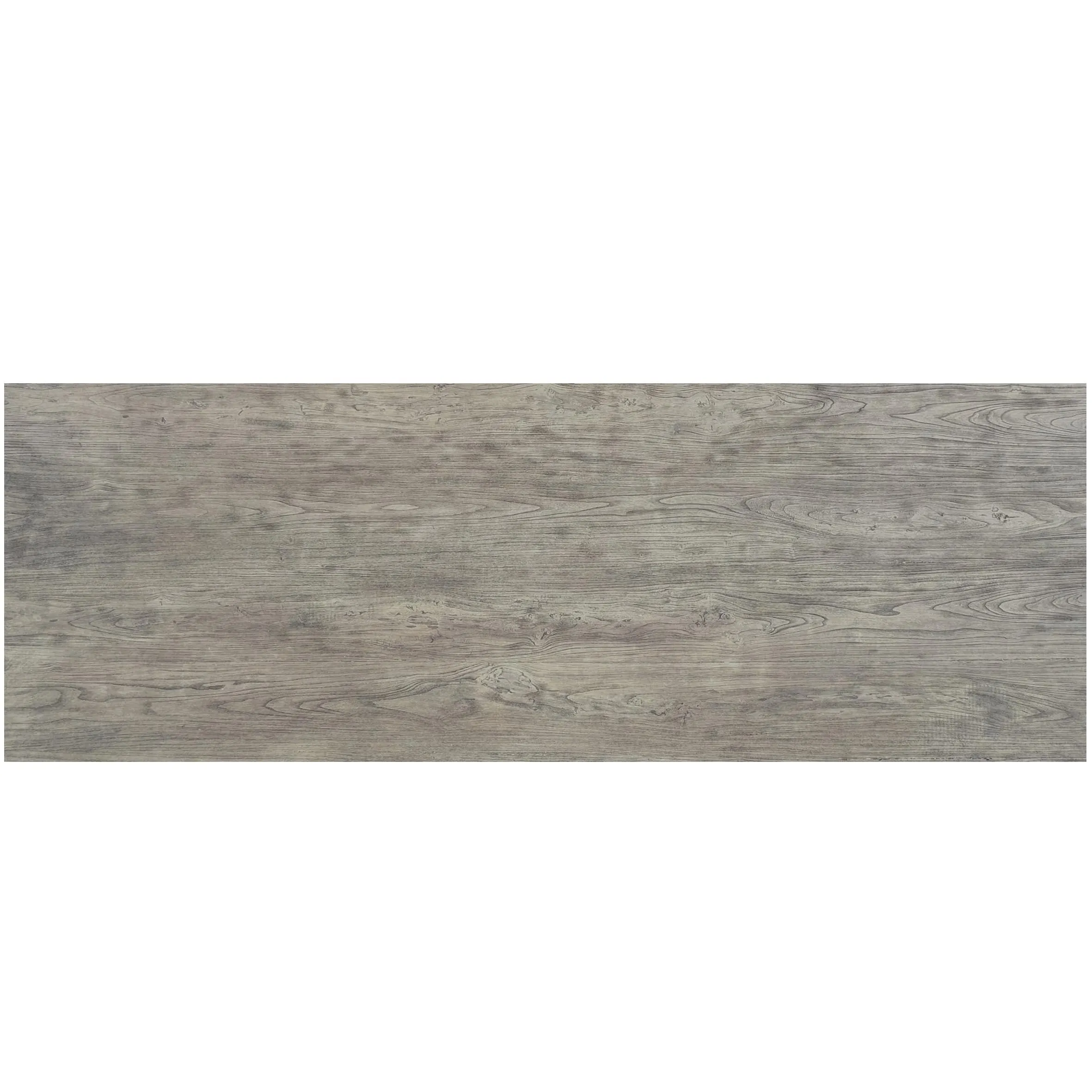
How a Timeless Texture is Shaping the Warmth of Tomorrow's Spaces
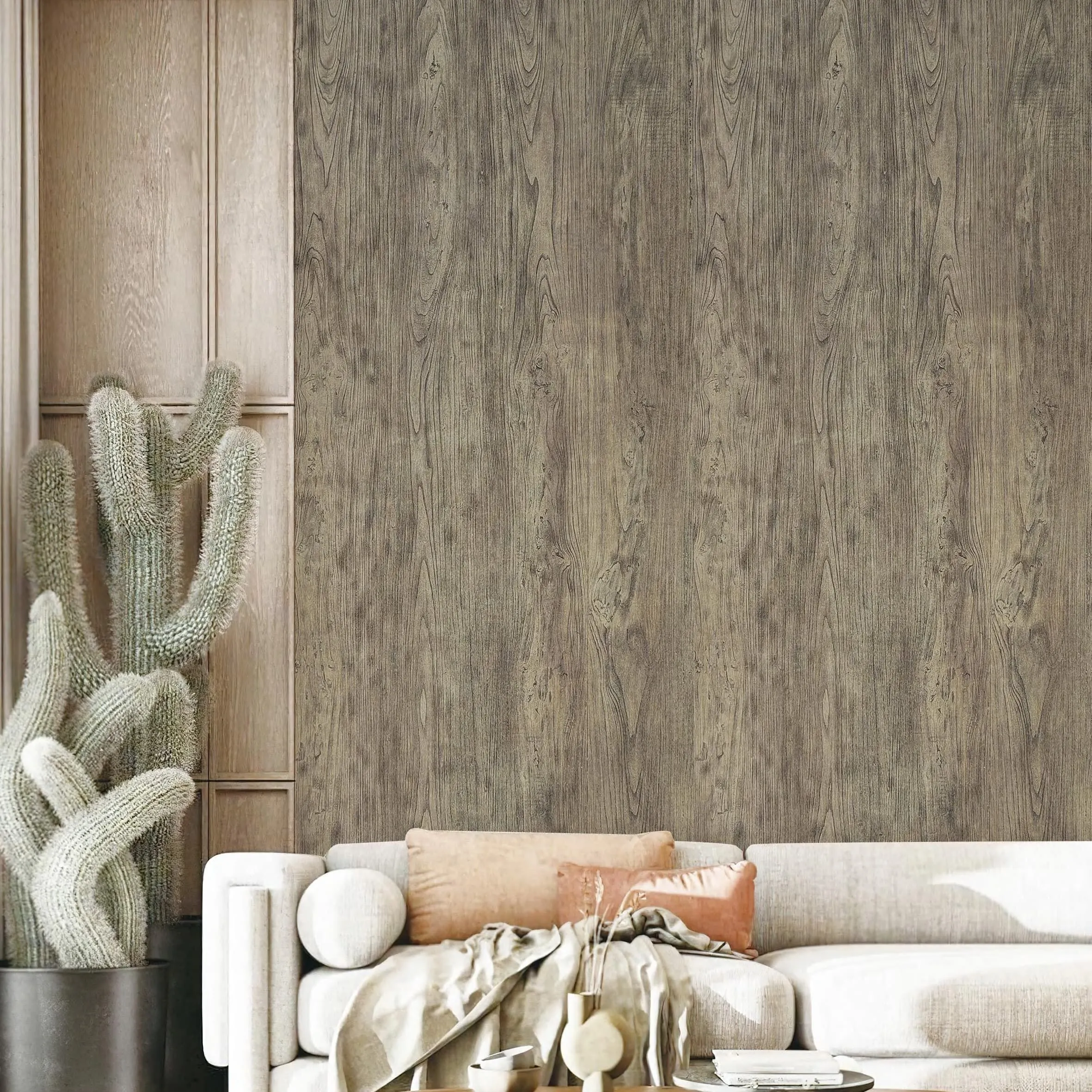
Walk into any cutting-edge commercial space in 2025—whether it's a sleek tech startup office in Tokyo, a bustling café in New York, or a high-end retail store in Milan—and you'll notice a quiet revolution unfolding. Amidst the glass, steel, and minimalist lines, there's a familiar warmth weaving through the design: the subtle, organic texture of wood grain board . It's not just a material choice; it's a design language speaking to our collective longing for connection—to nature, to comfort, and to spaces that feel less like cold structures and more like extensions of home.
In an era dominated by futuristic materials and hyper-sleek aesthetics, wood grain board has emerged as the unlikely hero, bridging the gap between modernity and nostalgia. But why now? And what makes it so indispensable in today's commercial design landscape?
Designers and architects have always turned to wood for its ability to infuse spaces with life, but traditional wood comes with trade-offs: high maintenance, susceptibility to wear, and environmental concerns around deforestation. Enter wood grain board —a engineered material that captures the essence of natural wood (the knots, the grain direction, the soft color variations) while ditching the drawbacks. It's durable, lightweight, and often crafted from sustainable or recycled materials, making it a favorite for eco-conscious projects.
But its popularity isn't just about practicality. Post-pandemic, as people crave "third spaces" that balance productivity with relaxation, wood grain board delivers the biophilic design elements proven to reduce stress and boost well-being. "There's a psychological comfort in wood," says Elena Marquez, lead designer at a top Parisian architecture firm. "It softens the harshness of urban environments. Clients now ask for it not just for aesthetics, but because they want their spaces to feel 'human.'"
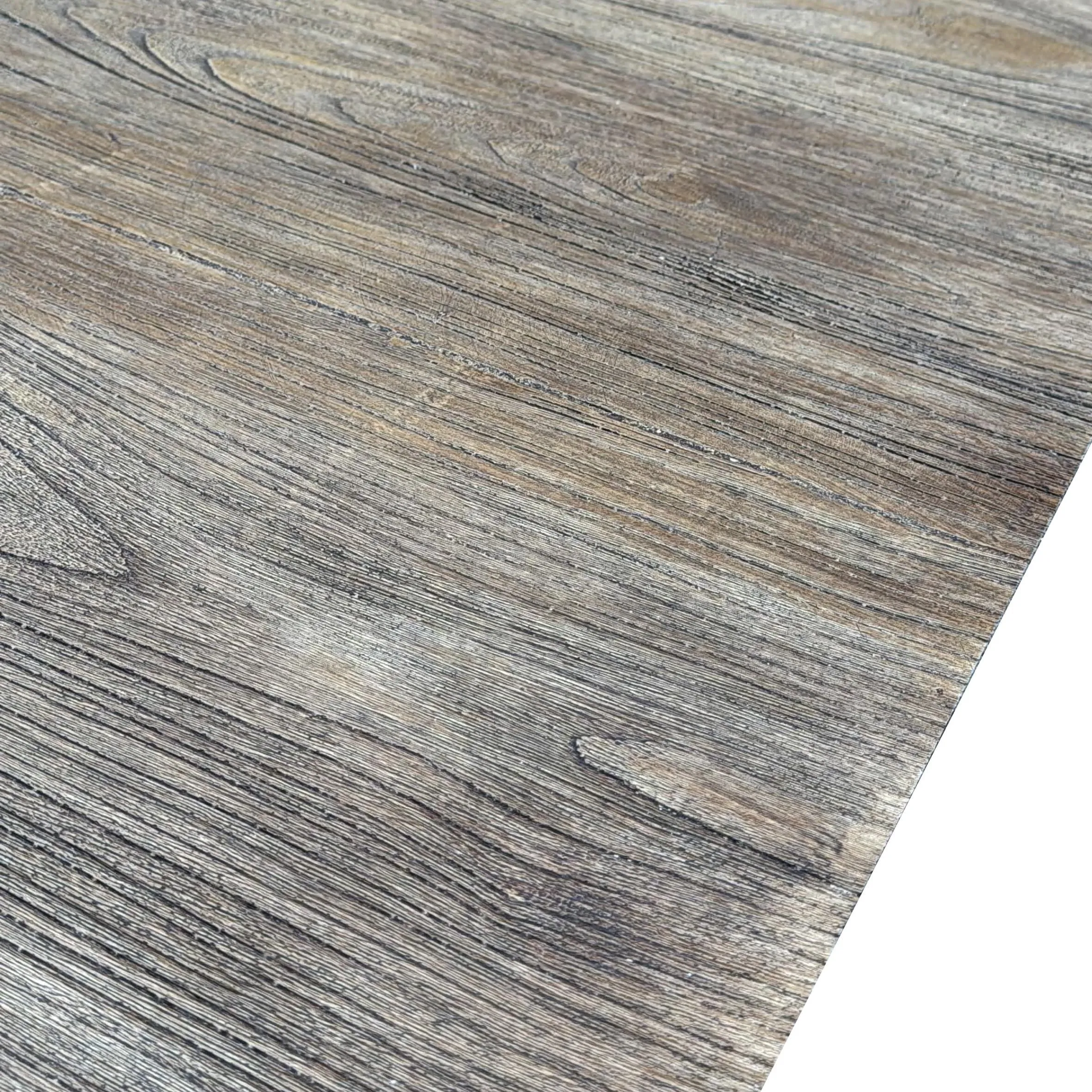
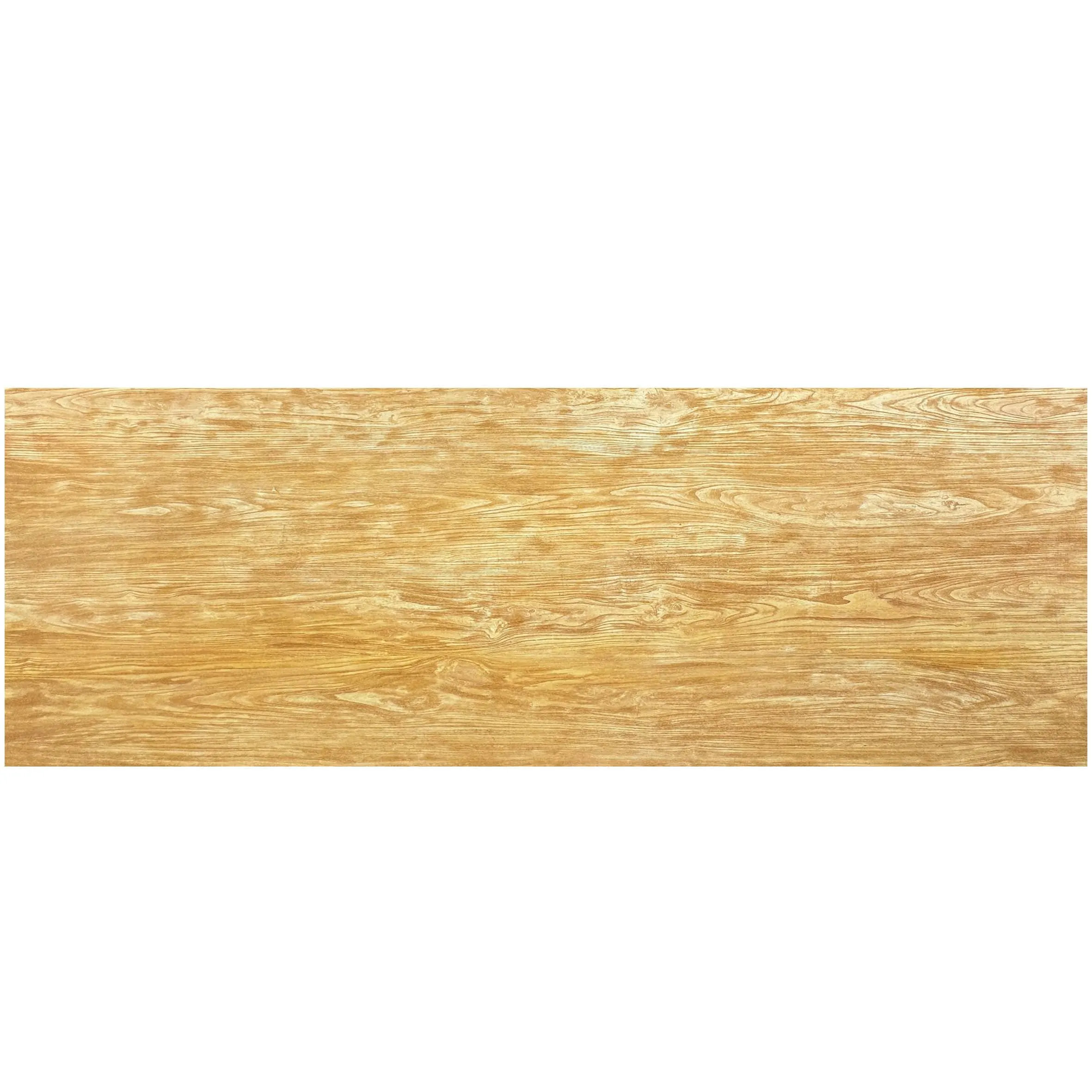
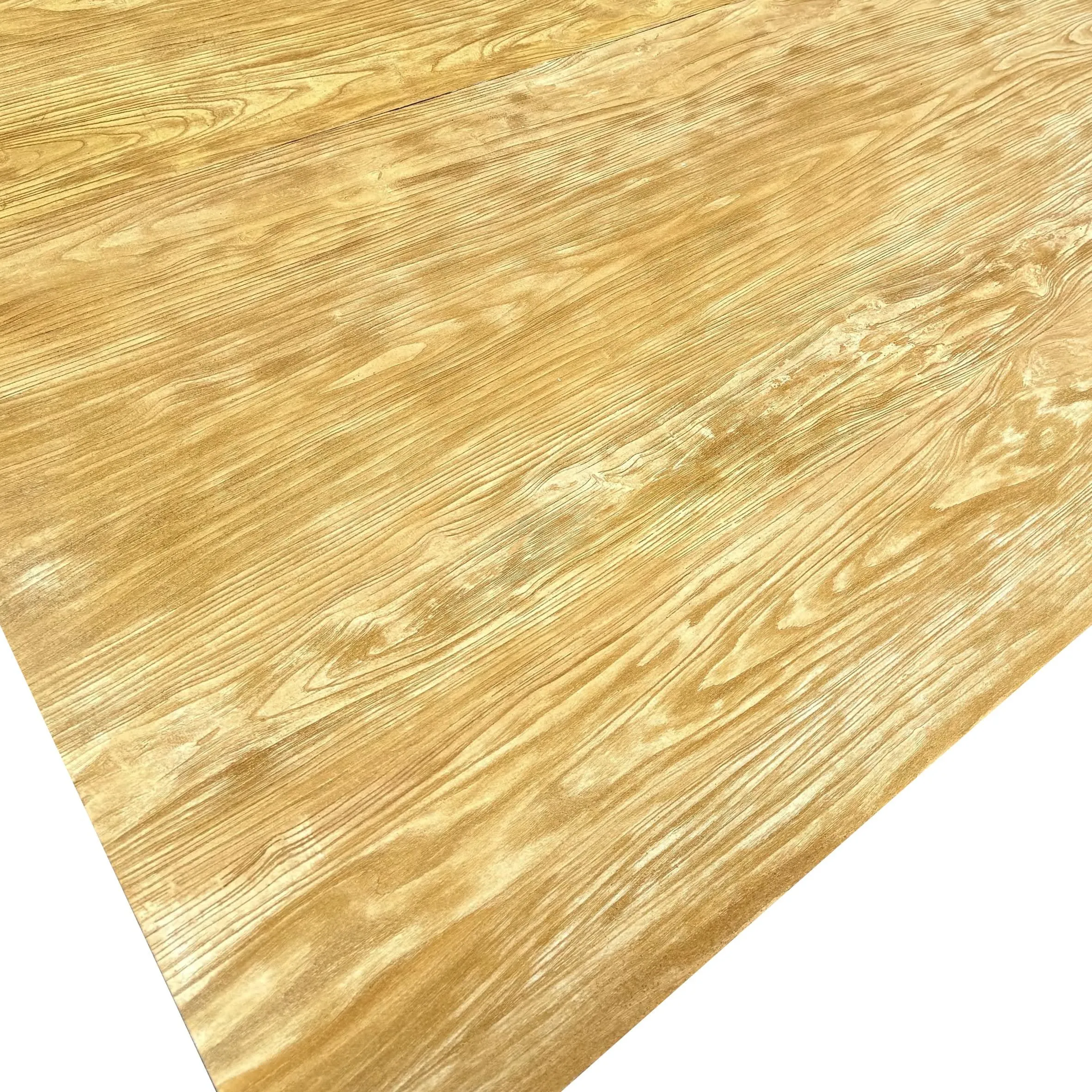
One of wood grain board's greatest strengths is its chameleon-like versatility. Unlike natural wood, which is limited by species and grain patterns, engineered wood grain boards can mimic everything from reclaimed oak to teak to driftwood—all while offering consistent quality. In 2025, designers are pushing its boundaries, pairing it with unexpected materials to create dynamic contrasts.
Take, for example, the trend of pairing wood grain board with fair-faced concrete . The raw, industrial texture of concrete (with its subtle cracks and gray tones) acts as the perfect backdrop for wood grain's warmth, creating a space that feels both edgy and inviting. A recent project in Berlin's creative district used this combo in a co-working space: exposed concrete walls meet wood grain desk surfaces and paneling, resulting in a vibe that's equal parts "urban warehouse" and "cozy cabin."
Then there's its compatibility with mcm flexible stone —a material known for its adaptability and range of finishes. "MCM flexible stone can take on the look of marble, slate, or even rusted metal, but when paired with wood grain board, it softens," explains Marco Rossi, a materials specialist at an Italian design studio. "We used both in a Milanese boutique last year: wood grain for the ceiling beams and shelving, MCM flexible stone in a muted travertine finish for the floors. The result? A space that feels luxurious without being intimidating."
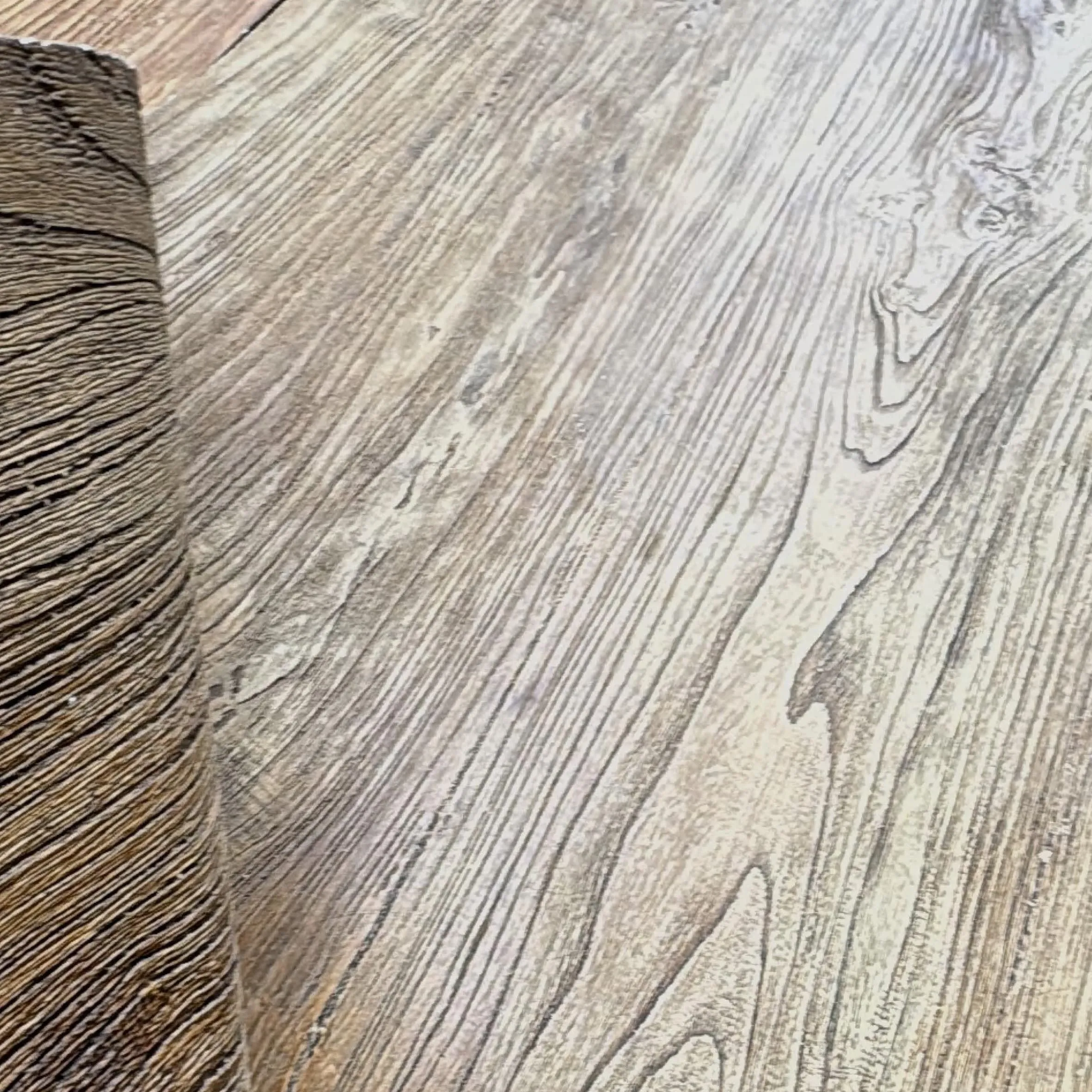
To understand why wood grain board is stealing the spotlight, it helps to see how it compares to other popular commercial materials. Here's a breakdown:
| Material | Aesthetic Vibe | Durability | Sustainability | Best For |
|---|---|---|---|---|
| Wood Grain Board | Warm, organic, nostalgic | High (resistant to warping, scratches) | High (often made with recycled wood fibers or FSC-certified materials) | Accent walls, furniture, ceilings, retail displays |
| Travertine | Earthy, natural, timeless | Very high (heat and moisture resistant) | Medium (natural stone, but extraction can impact ecosystems) | Floors, countertops, feature walls |
| Fair-Faced Concrete | Raw, industrial, minimalist | Extremely high (low maintenance, fire-resistant) | Medium (energy-intensive production, but long lifespan) | Structural elements, accent walls, outdoor spaces |
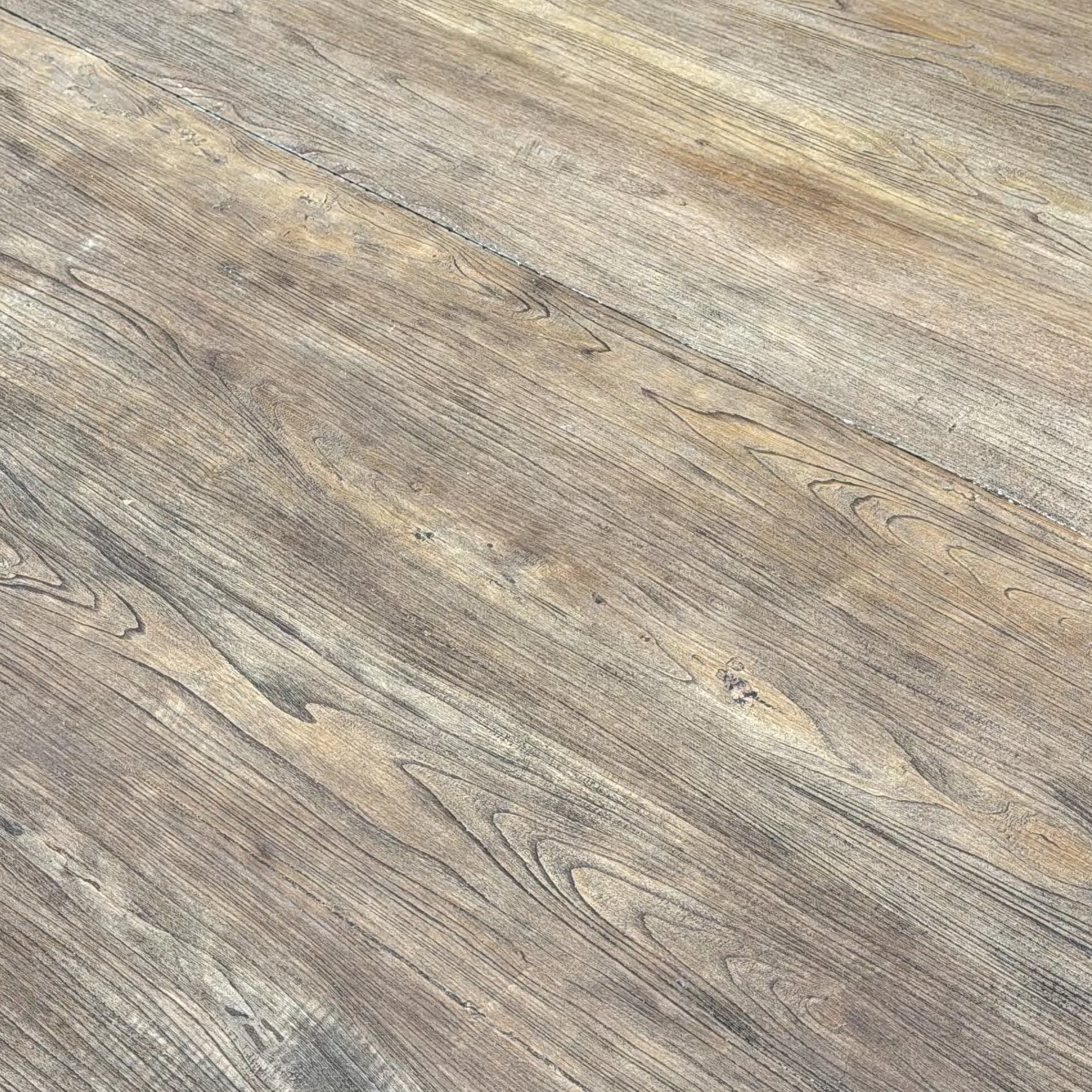
From offices to eateries, wood grain board is proving its mettle across commercial settings. Let's take a closer look at how it's being used:
Restaurants & Cafés: In a world of fast-casual dining, ambiance is everything. Wood grain board adds instant character—think accent walls in a rustic-chic bistro or ceiling panels in a minimalist sushi bar that echo the warmth of traditional Japanese woodwork. It pairs beautifully with travertine floors, creating a balance of natural textures that feels both grounded and elevated.
Offices: The days of sterile cubicles are long gone. Modern workspaces use wood grain board to zone areas—from collaborative lounges with wood-paneled walls to private offices with wood grain desk surfaces. It's also a favorite for acoustic panels, helping to dampen noise in open-plan layouts.
Retail: Brands want their stores to tell a story, and wood grain board is the perfect narrator. Luxury fashion boutiques use it to frame displays, adding a sense of craftsmanship that aligns with high-end products. Even tech stores—once all glass and chrome—are incorporating wood grain elements to soften their "futuristic" edge and make customers feel more at ease.
In 2025, "green design" isn't a buzzword—it's a requirement. Clients and consumers alike demand materials that align with eco-friendly values, and wood grain board delivers. Many manufacturers now use recycled wood fibers, bamboo, or agricultural waste (like wheat straw) in their boards, reducing reliance on virgin timber. Plus, its durability means less frequent replacement, lowering long-term environmental impact.
Compare that to natural wood, which often requires chemical treatments to resist pests and decay, or fair-faced concrete , which has a high carbon footprint due to cement production. "Wood grain board lets us have our cake and eat it too—beauty without guilt," says sustainability consultant James Lin. "It's a material that doesn't just look good; it does good."
As design trends evolve, wood grain board is set to stay— but expect to see it paired with even more innovative materials. Think mcm flexible stone in bold colors for accent walls, or wood grain panels integrated with smart technology (like embedded LED lighting or touch-sensitive surfaces). There's also a growing trend toward "hyper-realism," where wood grain boards mimic rare or exotic woods (like teak or mahogany) that are otherwise unsustainable to harvest.
But perhaps the biggest prediction? Wood grain board will become even more accessible, with new finishes and price points making it a staple not just for high-end projects, but for small businesses and community spaces too. After all, everyone deserves a space that feels warm, welcoming, and a little bit like home—even in the heart of the city.
In the end, wood grain board's rise isn't just about a material—it's about a shift in how we think about commercial spaces. We no longer want buildings that feel like machines; we want spaces that feel like partners in our daily lives. Wood grain board, with its ability to blend the old and the new, the natural and the engineered, is leading that charge.
So the next time you step into a modern commercial space, take a moment to notice the wood grain details. They're not just there to look good—they're there to remind us that even in the busiest, most forward-thinking world, warmth and humanity will always have a place.
Recommend Products












