
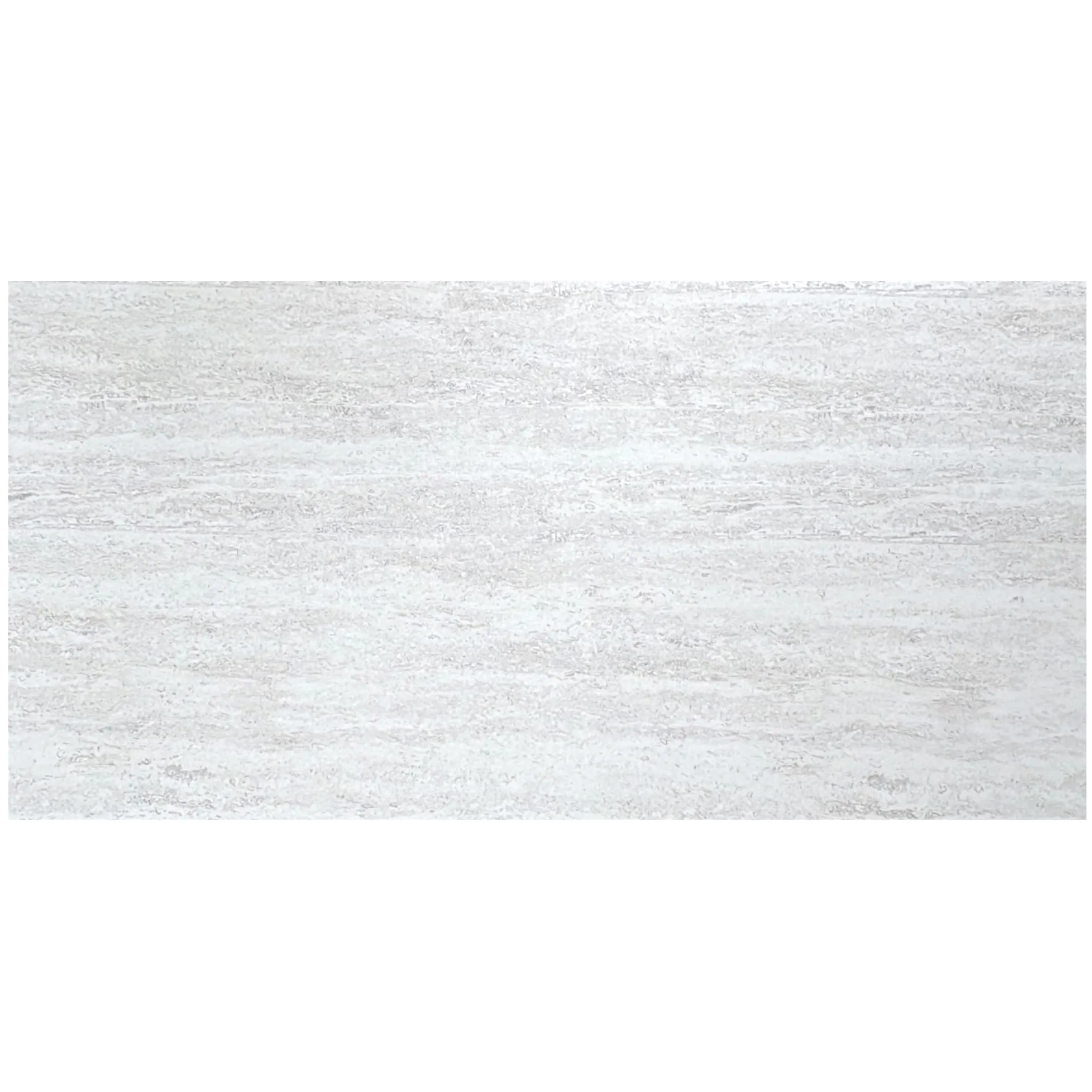
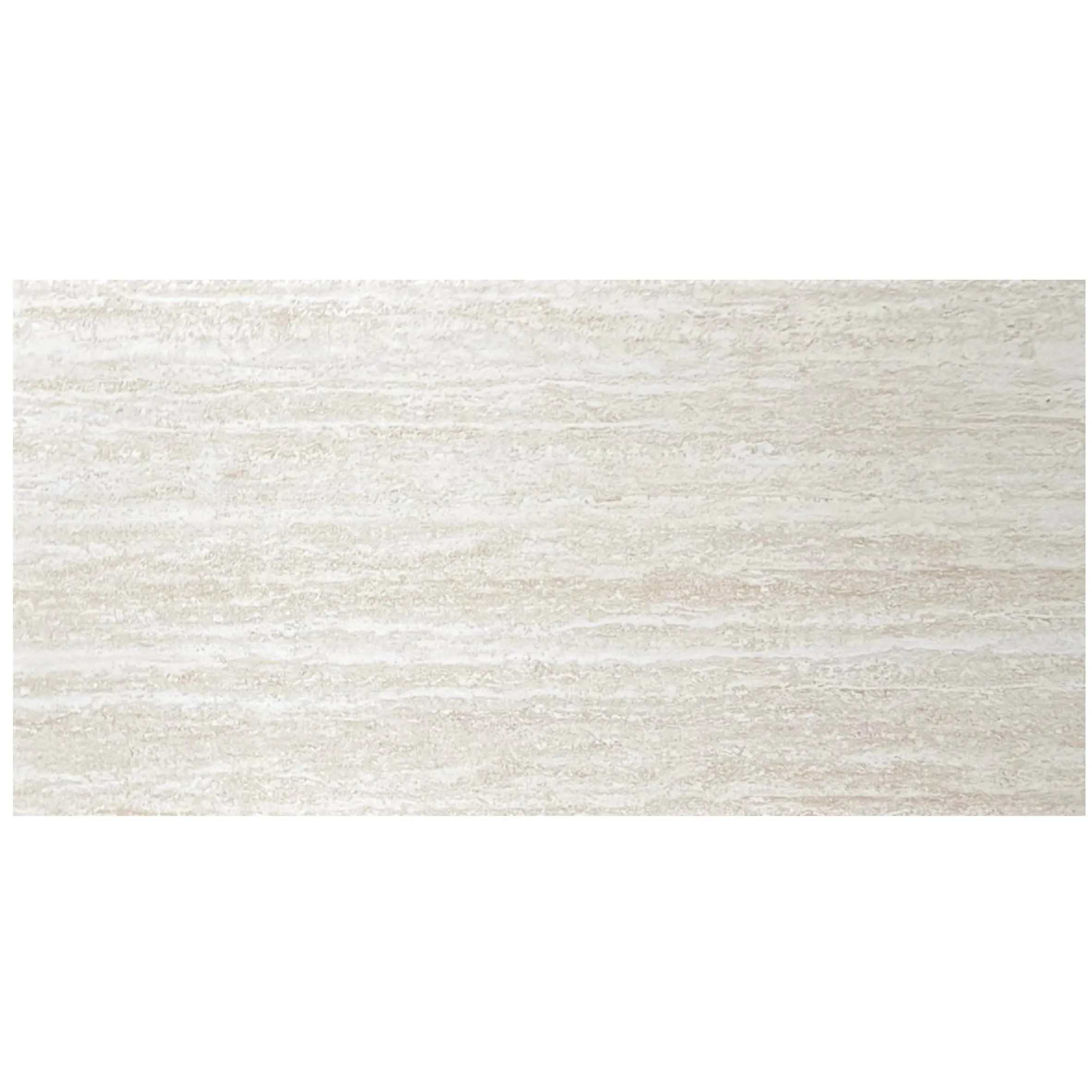
There's a quiet magic in choosing materials that turn a house into a home. It's the way sunlight catches a wall and makes the texture sing, or how a floor feels underfoot—solid, warm, like it's been waiting just for you. In the world of interior and exterior design, few materials evoke that magic quite like ethereal shadow travertine . With its soft, cloud-like veining and a depth that seems to hold stories, it's no wonder homeowners and designers alike fall for its charm. But here's the question that often follows: Do you roll up your sleeves and install it yourself, or call in the pros? Let's dive into the heart of that decision, exploring the joys, challenges, and best practices for bringing this stunning material to life in your space.
Before picking up a trowel or dialing a contractor, it helps to know what makes ethereal shadow travertine so special. Unlike sleek, uniform stones, this travertine feels alive. Its surface is dotted with tiny, naturally occurring pores (the "eyes" of travertine) that catch light and shadow, creating a dynamic, almost celestial effect—hence the "ethereal shadow" name. It's versatile too: use it for a kitchen backsplash that shimmers when you cook, a bathroom floor that feels like stepping onto a moonlit path, or an outdoor patio that becomes an evening gathering spot. And because it's part of the broader MCM product family, it pairs beautifully with materials like MCM flexible stone —a lightweight, durable option known for bending to curves and corners without losing its strength. Together, they turn design dreams into tangible, touchable reality.
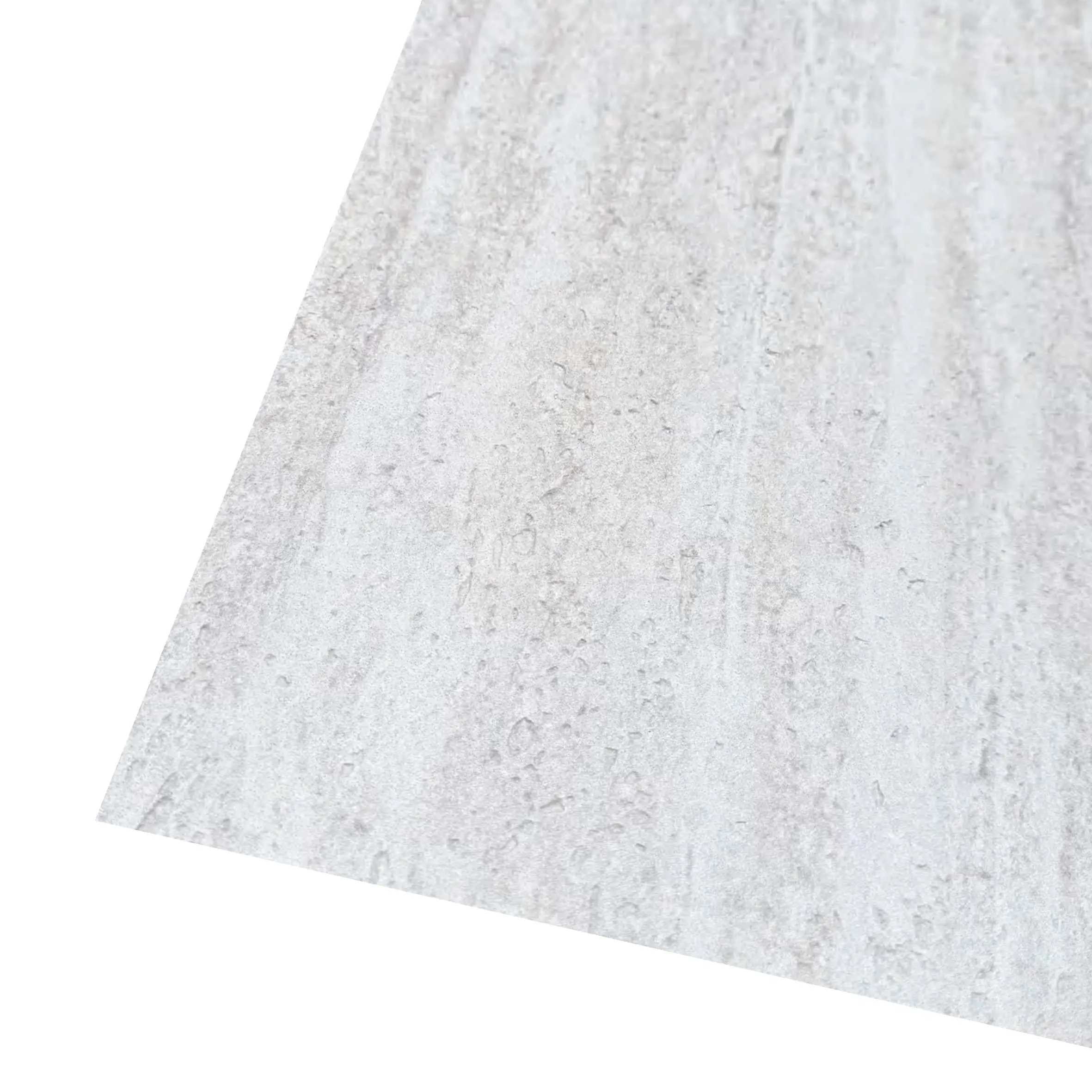
There's a certain pride in saying, "I did this myself." For many, DIY installation isn't just about saving money—it's about pouring a piece of yourself into your home. Maybe you're a weekend warrior who loves learning new skills, or you want every detail to reflect your personal touch. Let's break down the appeal (and the reality) of installing ethereal shadow travertine on your own.
The Upsides: Cost savings top the list. Professional installation can add 30-50% to the total project cost, and if you're handy, that's money you can redirect to other upgrades (hello, new light fixtures!). Then there's the satisfaction factor: finishing a project and stepping back to think, "I built this." It's a story you'll tell for years—how you measured, cut, and placed each tile, adjusting as you went to make sure the veining flowed just right. And for smaller projects—a powder room floor, a backsplash above the stove—DIY can feel manageable, even fun.
The Challenges: But let's keep it real: travertine is not forgiving. Those "eyes" we love? They can make cutting tricky—one wrong move, and you've got a cracked tile. Uneven subfloors? They'll show through, turning your dream floor into a lumpy disappointment. And grouting? It's easy to rush, leaving gaps or smudges that dull the stone's beauty. Oh, and time—what you think will take a weekend might stretch into a week (or more) if you hit snags. DIY requires patience, the right tools (a wet saw, level, notched trowel, and sealer, to name a few), and a willingness to learn from mistakes.
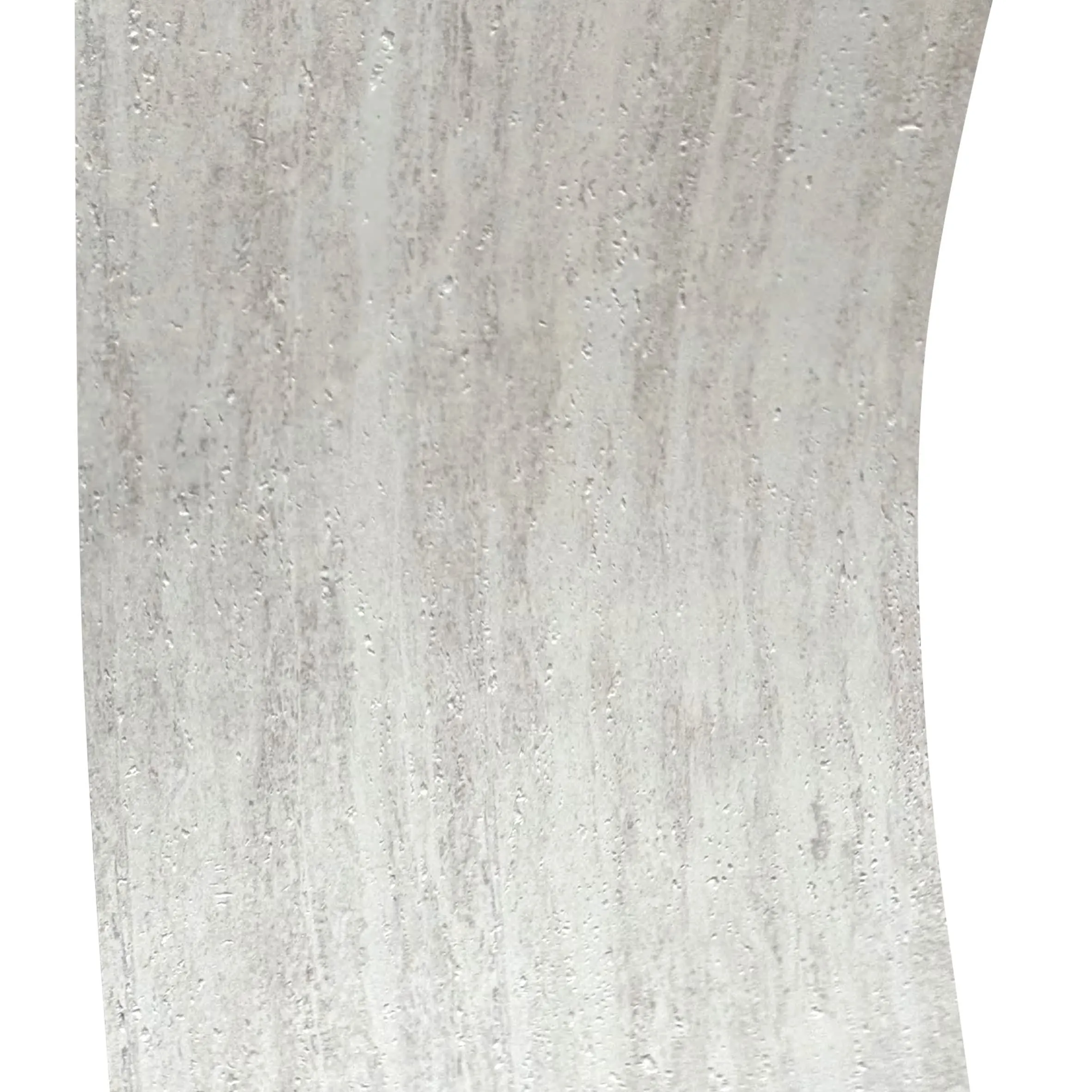
Now, let's talk about the other side: hiring a professional installer. It's not just about "paying someone to do what you can't"—it's about leveraging years of experience to avoid heartache. Professionals eat, sleep, and breathe materials like ethereal shadow travertine . They know how to prep subfloors so they're perfectly level, how to cut tiles to follow the stone's natural veining (no awkward breaks!), and how to seal the surface to protect against stains and wear. For large projects—say, an entire living room floor or an outdoor patio—their efficiency can save you weeks of stress. Imagine coming home from work to find the job done, no dust bunnies or half-finished tools cluttering your space.
Another perk? Warranty. Reputable installers stand behind their work, so if a tile cracks or grout loosens down the line, you're covered. And when working with complementary materials like fair-faced concrete —a raw, industrial-chic option that pairs stunningly with travertine—pros have the know-how to handle its unique curing and finishing needs. No guessing, no googling "how to fix uneven concrete"—just peace of mind.
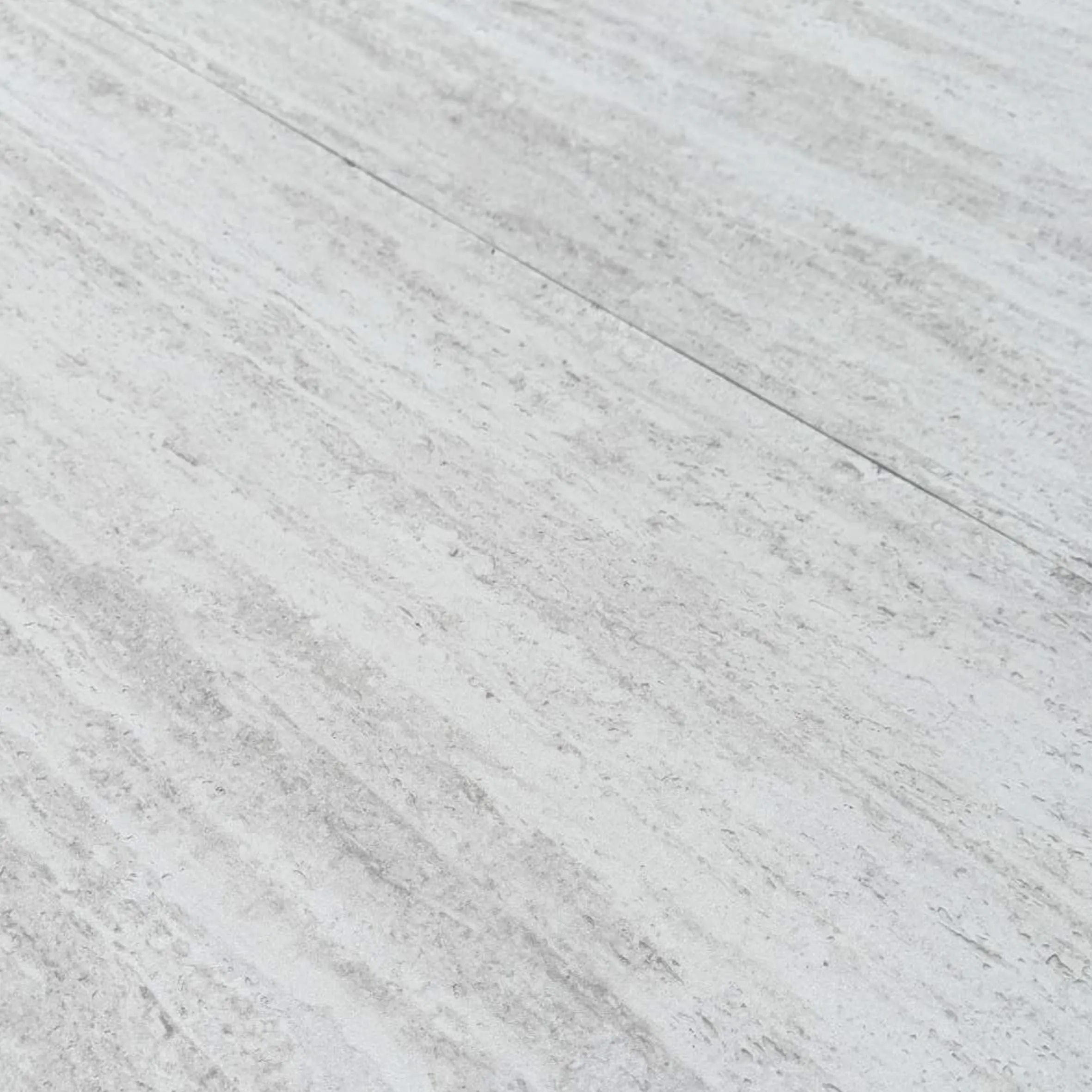
| Aspect | DIY Installation | Professional Installation |
|---|---|---|
| Cost | Lower upfront (materials only), but hidden costs if mistakes happen (replacement tiles, tools). | Higher upfront (labor + materials), but fewer surprise expenses. |
| Time | Longer (weekends or more, depending on skill and project size). | Faster (often 1-3 days for standard projects). |
| Skill Needed | Moderate to high (experience with tiling, cutting stone, and subfloor prep is a must). | Expert (years of training and hands-on experience). |
| Risk of Mistakes | Higher (uneven tiles, cracked stone, poor sealing). | Lower (precision tools and techniques minimize errors). |
| Final Look | Depends on skill—can be lovely, but may have small imperfections. | Consistently polished, with veining and texture maximized. |

There's no one-size-fits-all answer here—it depends on your project, your skills, and what matters most to you. Ask yourself:
At the end of the day, whether you choose DIY or professional installation, the goal is the same: to create a space that feels like you. Ethereal shadow travertine isn't just a material—it's a partner in your home's story. If you're a DIYer with the time and grit, embrace the process: the late nights, the small wins, the pride of seeing your work come to life. If you'd rather hand over the tools and trust an expert, that's okay too—there's joy in knowing your vision is in capable hands, and the result will be stunning.
Whichever path you take, remember: this is about more than tiles or stone. It's about crafting moments—morning coffee by a travertine backsplash, laughter with friends on an outdoor patio, quiet evenings where the walls feel like they're hugging you. And isn't that the point? To build a home that doesn't just look beautiful, but feels like it belongs to you.
Recommend Products












