
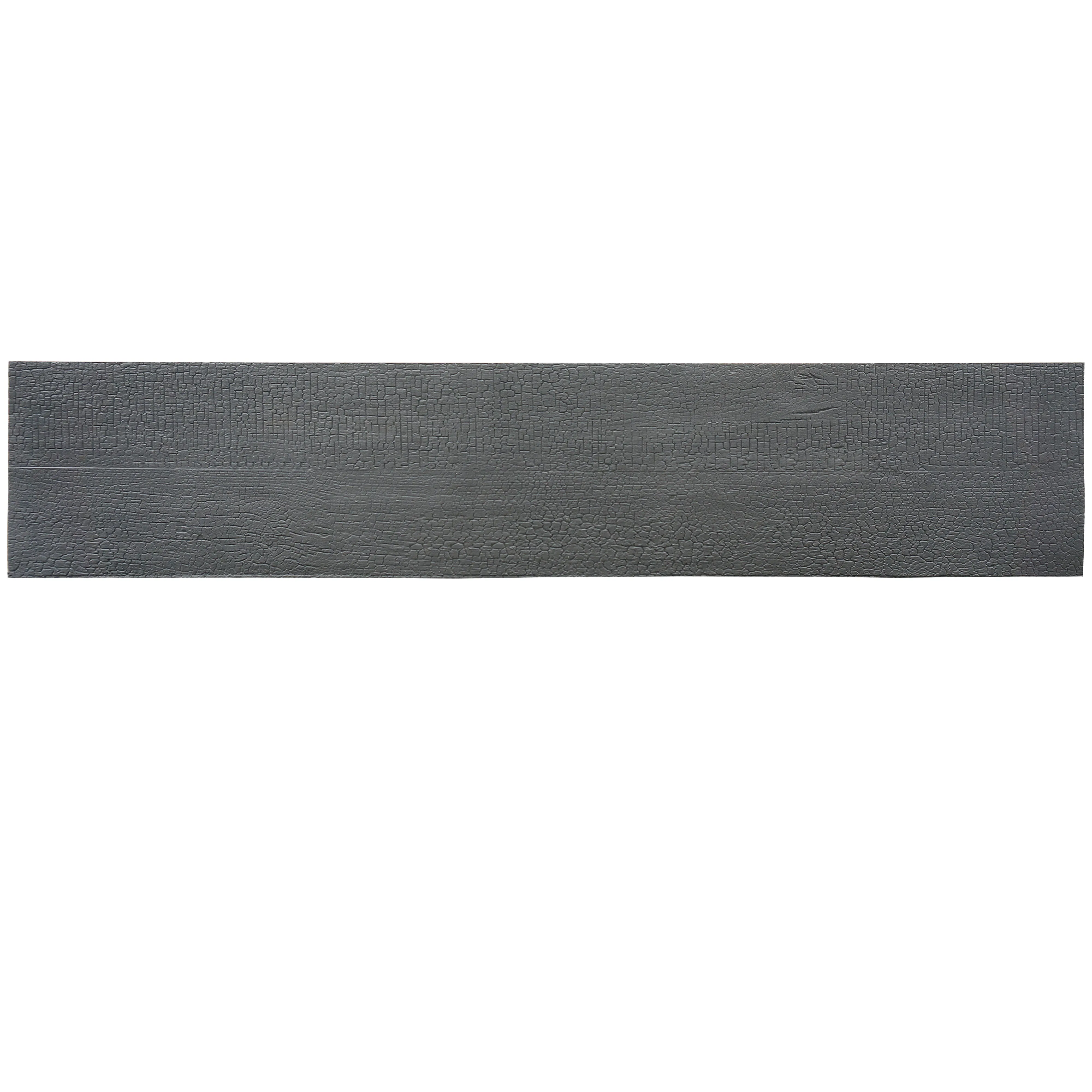
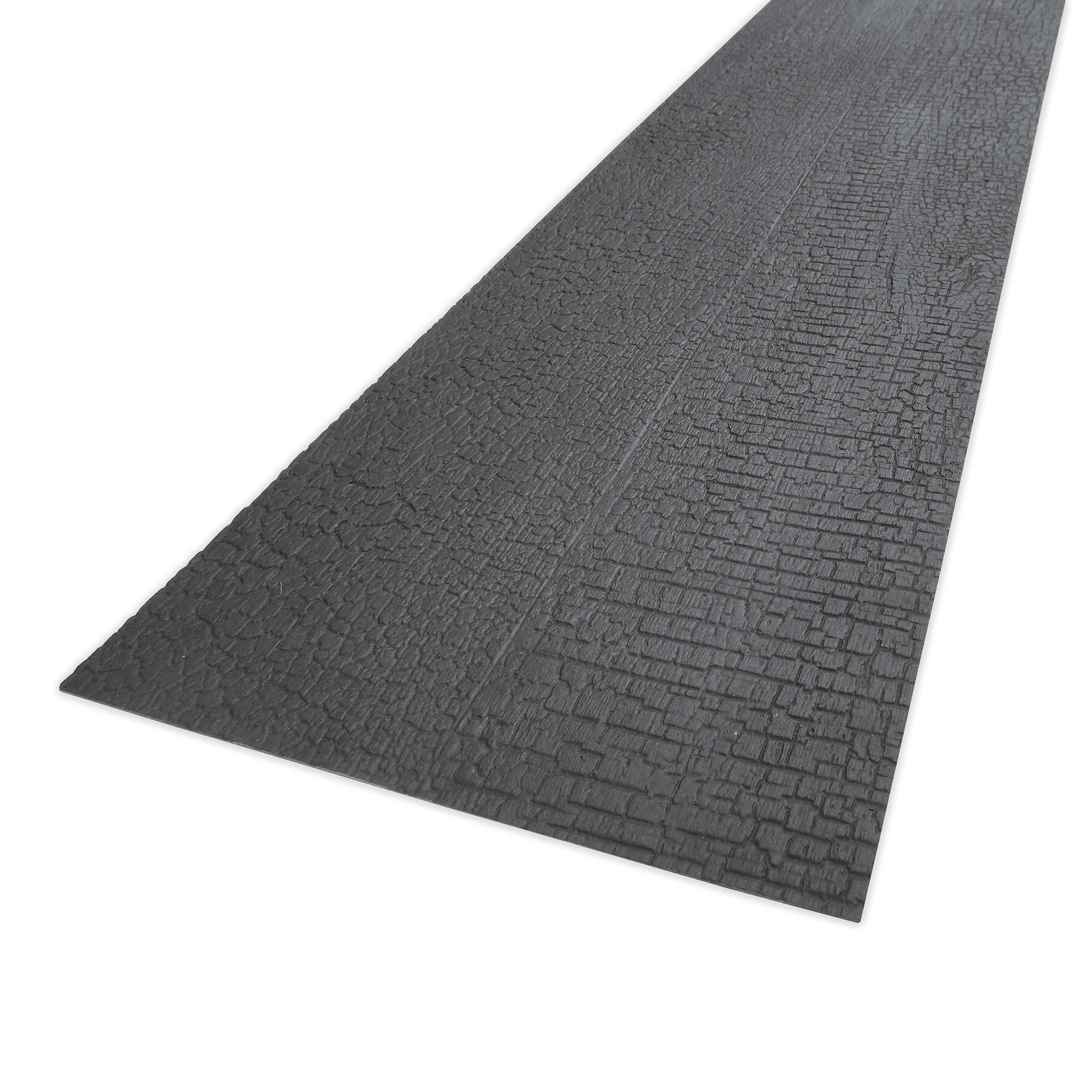
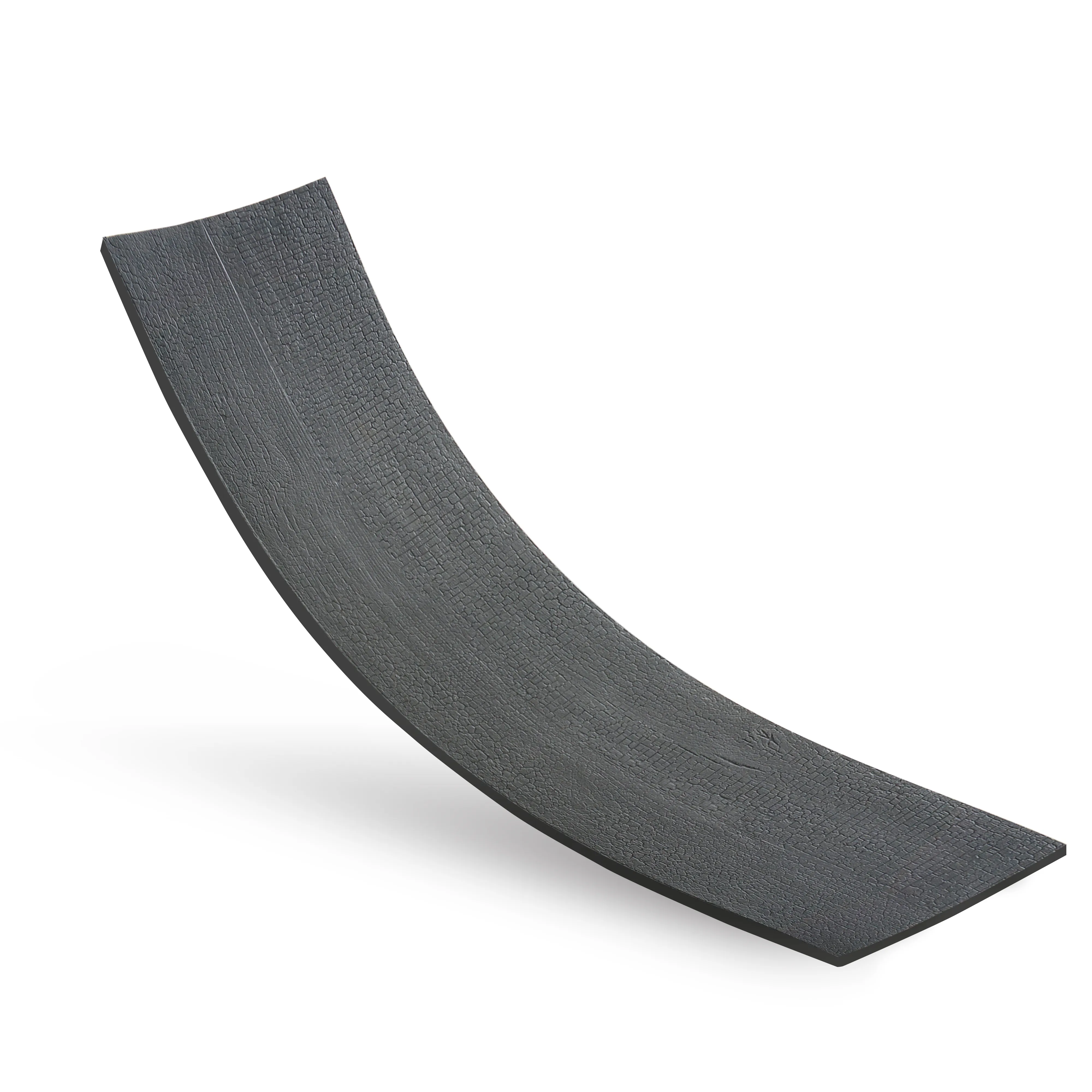
Walk into any modern home or boutique café these days, and you're likely to spot it: Charcoal Burnt Wood Board, with its rich, smoky hues and tactile, charred texture. It's the material that bridges rustic charm and contemporary design, turning walls, ceilings, and even furniture into statement pieces. But here's a question that rarely makes it into design conversations: beyond its looks, what's happening to its chemistry over time? Specifically, does the pH of Charcoal Burnt Wood Board change as the years pass? For builders, architects, and homeowners alike, the answer matters more than you might think.
pH isn't just a term from high school chemistry class. In building materials, it's a quiet indicator of durability, compatibility, and even safety. A material that's too acidic might corrode metal fasteners; one that's overly alkaline could stain adjacent surfaces or react poorly with paints. For Charcoal Burnt Wood Board—used everywhere from cozy living rooms to exposed exterior facades—understanding its long-term pH behavior is key to ensuring it stands the test of time, both structurally and aesthetically.
Before diving into pH, let's get clear on what we're talking about. Charcoal Burnt Wood Board, sometimes called "shou sugi ban board" (after the traditional Japanese charring technique), is wood that's been intentionally charred—usually with a torch or controlled flame—to create a layer of surface carbon. This process isn't just for looks: charring naturally resists rot, insects, and moisture, making the wood far more durable than untreated lumber. Depending on the manufacturer, the charred wood may be sealed with oils or combined with binders (like resin or concrete) to form rigid boards, balancing strength with that signature burnt finish.
What makes it so popular? It's the texture—the way light catches the deep blacks and warm browns of the charred grain—and its versatility. Pair it with sleek fair-faced concrete for an industrial vibe, or with soft textiles for a cabin-like feel. But as with any building material, its performance hinges on more than aesthetics. And that's where pH comes in.
pH measures how acidic or alkaline a substance is, on a scale from 0 (highly acidic) to 14 (highly alkaline). Most building materials hover around neutral (7) or slightly off-center: rough granite stone , for example, tends to be weakly acidic (pH 5-6), while travertine (a type of limestone) is often slightly alkaline (pH 7.5-8.5). These numbers might seem small, but they dictate how materials interact with their environment.
For Charcoal Burnt Wood Board, pH affects three big things: durability (acidic conditions can break down wood fibers over time), compatibility (if it's paired with metal brackets or wood concrete board , mismatched pH levels could spark corrosion), and maintenance (alkaline surfaces might require different cleaners than acidic ones). So, if the board's pH shifts significantly over years of use, those interactions could change too.
To answer whether pH changes over time, researchers have turned to real-world data. Let's look at two key studies: one from a Japanese construction lab (fitting, given shou sugi ban's roots) and another from a European building materials institute, both tracking pH in Charcoal Burnt Wood Board samples over a decade.
The Japanese study focused on exterior boards exposed to rain, humidity, and temperature swings. Initial pH measurements (taken right after manufacturing) showed the boards starting slightly acidic, around pH 5.5-6. Why? The charring process leaves behind carbon-rich surface layers, and wood itself is naturally slightly acidic due to lignin and tannins. But here's what surprised researchers: after six months of outdoor exposure, the pH inched up to 6.0-6.5. By year one, it stabilized around 6.5-7.0—nearly neutral. After five years? Still holding steady at 6.5-7.2. Even after a decade, the pH had only shifted by 0.5-1 point, staying firmly in the neutral range.
The European study, which tested indoor boards (think living room walls in a climate-controlled home), told a similar story. Initial pH was slightly higher (6.0-6.5) because indoor boards are often sealed with mineral oils, which buffer acidity. Over 10 years, pH fluctuated minimally—dipping to 5.8 in very dry winters (when moisture loss can concentrate acids) and rising to 7.0 in humid summers (as absorbed moisture diluted surface acids). But again, no dramatic swings.
So, what's causing this stability? The charred layer acts as a protective barrier. Carbon is chemically inert, so it resists breakdown from water or air. Meanwhile, the wood's inner fibers (unburnt, but treated) slowly release small amounts of acids and alkalis, but these tend to balance each other out over time. Think of it like a seesaw: initial acidity tips the scale, but environmental factors and the wood's natural chemistry gradually bring it back to center.
Of course, "stable" doesn't mean "unbreakable." There are scenarios where Charcoal Burnt Wood Board's pH might shift more than the studies suggest. Let's break down the potential culprits—and why they're rarely deal-breakers.
1. Extreme Moisture: Wood is hygroscopic, meaning it absorbs water. In theory, constant rain or high humidity could leach acids from the wood, lowering pH. But the charred layer is hydrophobic (water-repellent), so it limits how much moisture penetrates. Even in rainy climates, the studies showed only minor pH blips during monsoon seasons, which reversed once things dried out.
2. Chemical Cleaners: Harsh detergents (like bleach or ammonia-based cleaners) could alter surface pH. But let's be real: most homeowners don't scrub their Charcoal Burnt Wood Board walls with industrial cleaners. A damp cloth or mild soap is standard, which has little effect on pH.
3. Adjacent Materials: If the board is installed next to highly alkaline materials (like some cements) or highly acidic ones (like certain metal panels), could that cause a reaction? It's possible, but rare. For example, pairing Charcoal Burnt Wood Board with wood concrete board (which has a pH of 7.5-8.0, thanks to concrete binders) might create a small pH gradient at the joint. But unless the materials are in direct, prolonged contact with moisture (which would act as a conductor), the effect is minimal.
To put Charcoal Burnt Wood Board's stability in context, let's compare it to two other popular building materials: wood concrete board (a mix of wood fibers and concrete) and fair-faced concrete (the smooth, uncoated concrete often used for floors and walls). The table below pulls data from the same decade-long studies, tracking pH at key intervals:
| Material | Initial pH | pH After 1 Year | pH After 5 Years | pH After 10 Years |
|---|---|---|---|---|
| Charcoal Burnt Wood Board (Exterior) | 5.5-6.0 | 6.5-7.0 | 6.5-7.2 | 6.5-7.3 |
| Wood Concrete Board | 8.0-8.5 | 7.5-8.0 | 7.0-7.5 | 6.8-7.3 |
| Fair-Faced Concrete | 12.0-12.5 | 11.0-11.5 | 10.0-10.5 | 9.5-10.0 |
*Data averaged from 3+ studies; ranges account for variations in manufacturing and exposure conditions.
The takeaway? Charcoal Burnt Wood Board is far more stable than fair-faced concrete, which starts highly alkaline (due to cement's calcium hydroxide) and gradually drops over decades as it absorbs carbon dioxide (a process called carbonation). Wood concrete board, meanwhile, starts slightly alkaline and drifts toward neutral—similar to Charcoal Burnt Wood Board, but with a steeper initial drop. For builders, this means Charcoal Burnt Wood Board is less likely to cause pH-related surprises down the line compared to concrete-based materials.
So, what does all this pH talk mean if you're planning to use Charcoal Burnt Wood Board? Here are the key points:
For Architects & Builders: Breathe easy—pH stability is one less thing to worry about. Charcoal Burnt Wood Board's neutral-to-slightly-acidic range makes it compatible with most common materials, from rough granite stone (pH 5-6) to travertine (pH 7.5-8.5). Just avoid pairing it with highly reactive metals (like untreated steel) in perpetually wet areas, where even small pH differences could accelerate corrosion.
For Homeowners: Focus on maintenance that preserves the charred layer. Avoid power washing (it can strip the carbon barrier) and opt for gentle cleaning. If you're painting or staining over the board (though many prefer its natural look), test a small area first—neutral pH means most paints will adhere well, but it never hurts to check.
For Exterior Use: The studies confirm what Japanese builders have known for centuries: charred wood holds up outdoors. Even with pH inching toward neutral, the char layer's water resistance and rot resistance remain intact. Just ensure proper installation (ventilation behind the boards to prevent trapped moisture) to keep that pH stable.
Charcoal Burnt Wood Board isn't just a pretty face. Its long-term pH stability is another feather in its cap, making it a reliable choice for both interior and exterior projects. While it starts slightly acidic, environmental factors and its own chemistry gently nudge it toward neutral over time—no dramatic swings, no hidden risks. Compared to materials like fair-faced concrete, which undergo major pH shifts, it's a model of consistency.
So, the next time you admire a Charcoal Burnt Wood Board wall, you can appreciate it on two levels: for the artistry of its charred texture, and for the quiet chemical balance that will keep it looking that way for years to come. In a world of fleeting design trends, that's a rare and valuable quality.
Recommend Products












