
It's 6:30 PM on a Tuesday at MetroPlex Mall, and the air buzzes with life. A group of friends laughs over bubble tea near the food court, kids chase each other past a toy store, and a business traveler pauses to snap a photo of the lobby's striking stone wall—its warm, earthy texture catching the evening light. What these visitors don't see, though, is the silent guardian woven into that wall: a material designed to stand firm when safety matters most. In commercial spaces like this, where beauty and bustling crowds collide, the choice of building materials isn't just about aesthetics. It's about protecting the moments that make these spaces matter. And that's where dolomitic travertine steps in—quietly, reliably, and stunningly.
Commercial complexes—malls, hotels, office towers, convention centers—are more than just buildings. They're ecosystems. They house thousands of people daily, with electrical systems, kitchens, and high foot traffic creating endless variables for fire risk. In 2023, the National Fire Protection Association reported over 11,000 fires in shopping centers alone, resulting in millions in damage and, tragically, loss of life. For architects and developers, this isn't just a statistic; it's a call to action. The challenge? How to create spaces that feel inviting, luxurious, and alive—without compromising on the safety that makes those experiences possible.
Too often, safety and beauty are pitted against each other. Heavy concrete meets code but feels cold and institutional. Synthetic wallpapers add color but melt under heat. Natural stones, while stunning, can vary wildly in fire resistance. But what if there was a material that refused to choose? One that brought the warmth of natural stone to commercial spaces while standing up to the harshest fire conditions? Enter dolomitic travertine—a material that's been turning heads in architecture circles not just for its looks, but for its quiet strength.
First, let's get to know the star. Travertine itself is a form of limestone, known for its porous, sedimentary texture—think of the soft, honeycombed stone you might find in ancient Roman baths. But dolomitic travertine? It's travertine with a superpower: dolomite. This mineral, rich in calcium and magnesium, transforms the stone's properties, making it denser, harder, and—crucially—far more resistant to heat. While standard travertine can crack or weaken under high temperatures, dolomitic travertine stands its ground. It doesn't ignite, doesn't release toxic fumes, and maintains structural integrity even when exposed to flames for extended periods.
Picture this: a small electrical fire breaks out in a retail store's stockroom. Nearby walls, clad in dolomitic travertine, don't fuel the flames. They don't melt into a gooey mess or release smoke that could disorient shoppers. Instead, they act as a barrier, slowing the spread and giving firefighters precious time to respond. That's the difference between a material that meets minimum codes and one that actively protects.
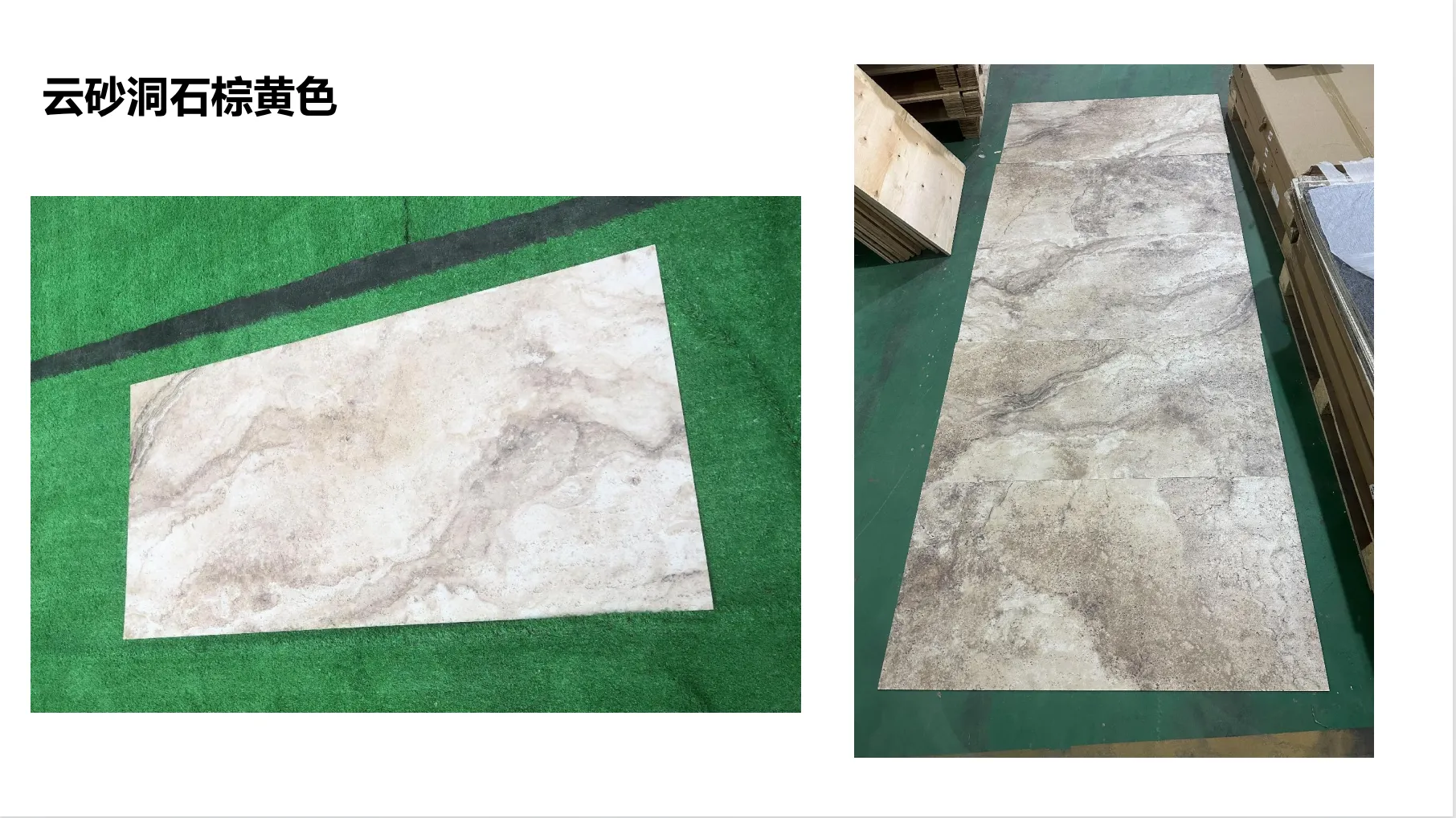
But dolomitic travertine isn't just a workhorse—it's an artist. Its texture ranges from smooth to subtly pitted, with color variations that feel alive. Take dolomitic travertine(dark grey) : deep, moody, and sophisticated, it adds a touch of urban elegance to lobbies and accent walls. Then there's dolomitic travertine(claybank) : warm, earthy, and sunlit, perfect for creating cozy nooks in hotels or family-friendly spaces. Both variants bring the outdoors in, turning sterile commercial areas into places that feel grounded and human.
Not all dolomitic travertine is created equal. The two most popular variants—dark grey and claybank—each have their own strengths, making them ideal for different commercial needs. Let's break them down:
| Feature | Dolomitic Travertine (Dark Grey) | Dolomitic Travertine (Claybank) |
|---|---|---|
| Fire Resistance Rating | ASTM E84 Class A (Highest rating, 0-25 flame spread) | ASTM E84 Class A (Identical fire performance) |
| Aesthetic Vibe | Modern, sleek, urban. Pairs with glass, steel, and bold accents. | Warm, organic, rustic. Complements wood, natural light, and earth tones. |
| Best For | High-end offices, luxury hotels, tech-focused malls. | Family restaurants, boutique hotels, wellness centers. |
| Durability Bonus | Hides scuffs and wear, ideal for high-traffic lobbies. | Softens over time, developing a unique patina that tells a story. |
The takeaway? Whether you're designing a cutting-edge tech hub or a cozy community center, there's a dolomitic travertine variant that fits. And both share the same non-negotiable trait: they put safety first, without asking you to sacrifice style.
Even the best material is only as good as its ability to adapt. Commercial complexes are rarely simple boxes—they have curved walls, high ceilings, and intricate architectural details. Traditional stone installation can be clunky, heavy, and expensive, especially for large-scale projects. That's where MCM flexible stone comes in. Short for Modified Composite Material, MCM technology wraps dolomitic travertine's natural beauty in a lightweight, flexible matrix. Suddenly, that dark grey dolomitic travertine isn't just for flat floors—it can curve around a spiral staircase, clad a 30-story exterior, or line the ceiling of a grand atrium without weighing down the structure.
"MCM changed the game for us," says Sarah Chen, lead architect at Studio Vertex, which recently used dolomitic travertine(claybank) with MCM backing in a 12-story hotel in Miami. "We wanted the lobby to feel like a warm, sunlit cave—natural stone, flowing lines. But traditional stone slabs would have required massive structural support. With MCM, we could bend the material around the curved walls and install it in days, not weeks. And the fire resistance? It checked every box. The client was thrilled—they got the 'organic luxury' vibe they wanted, and we got peace of mind knowing we'd prioritized safety."
Let's zoom in on a real-world example: the SkyHarbor Convention Center in Denver, completed in 2024. With 500,000 square feet of event space, including ballrooms, exhibition halls, and a rooftop terrace, fire safety was non-negotiable. But the center's mission was to be "a destination, not just a venue"—meaning cold concrete and generic drywall were out of the question.
The design team, led by architect Marcus Rivera, turned to dolomitic travertine(dark grey) with MCM flexible stone backing for the main exhibition hall. "We needed a material that could handle crowds, look stunning in photos, and stand up to the worst-case fire scenario," Rivera explains. "Dolomitic travertine checked all three. The dark grey color gives the hall a sophisticated, neutral backdrop that makes event decor pop, while the MCM backing let us install it quickly over the existing structure. During fire testing, the material didn't ignite, and heat transfer was minimal—meaning even in a crisis, the space would stay intact long enough for evacuation."
The result? SkyHarbor has hosted over 100 events since opening, with attendees raving about its "warm, grand" atmosphere. And for Rivera, the best part? "I ran into a wedding planner last month who told me she loves booking there because 'the walls feel safe, not sterile.' That's the magic of dolomitic travertine—it doesn't just protect people; it makes them feel protected. And in a space where memories are made, that's everything."
At the end of the day, fire safety isn't about passing inspections or ticking boxes. It's about people. It's about the parent who lets their child run ahead in a mall, trusting the walls won't fail. It's about the employee who stays late to finish a project, knowing the materials around them are more than just pretty—they're protective. It's about the architect who can look at a space and say, "I didn't just design this to be seen. I designed it to keep people safe."
Dolomitic travertine, in its quiet, earthy way, embodies that philosophy. It's a reminder that safety and beauty don't have to be enemies. They can be partners—two sides of the same coin that makes commercial spaces feel like more than just buildings. They become places where life unfolds, safely and beautifully.
As we look ahead, the demand for materials that blend safety and aesthetics will only grow. Commercial spaces are evolving—they're becoming more experiential, more human-centered, and more focused on long-term resilience. Dolomitic travertine, with its natural fire resistance, versatility, and timeless beauty, is poised to lead that charge. Whether it's dark grey adding edge to a tech campus or claybank warming up a community center, it's a material that doesn't just build spaces—it builds trust.
So the next time you step into a commercial space that takes your breath away, take a moment to look closer. If the walls feel warm, the texture feels alive, and the atmosphere feels both luxurious and secure, there's a good chance dolomitic travertine is behind it. And in that moment, you'll know: safety doesn't have to be invisible. Sometimes, it's the most beautiful part of the room.
Recommend Products












