
Walk into any modern construction site these days, and you'll notice a quiet revolution unfolding. Builders aren't just talking about square footage or aesthetics anymore—they're debating embodied carbon, recycled content, and how their choices today will impact the planet tomorrow. This shift isn't just good for the environment; it's smart business. Clients, tenants, and even governments are increasingly prioritizing green buildings, with LEED certification leading the charge as the gold standard for sustainability. But here's the thing: not all "green" materials are created equal. Some promise eco-friendliness but fall short on durability or performance, while others—like dolomitic travertine—manage to blend timeless beauty with genuine environmental credentials. Let's dive into how this natural stone is becoming a cornerstone for LEED-compliant projects, and why it's capturing the attention of eco-conscious architects and developers worldwide.
Before we get into the specifics of dolomitic travertine, let's take a step back and ask: Why does LEED certification matter so much? For starters, it's not just a plaque on the wall. LEED—short for Leadership in Energy and Environmental Design—is a third-party certification program developed by the U.S. Green Building Council (USGBC) that sets rigorous standards for sustainable building design, construction, and operation. Think of it as a roadmap for projects that want to minimize their environmental footprint while maximizing efficiency, health, and well-being for occupants.
Today, LEED isn't optional for many projects. Governments in cities like San Francisco, Toronto, and Singapore mandate LEED certification for public buildings. Private developers, too, are chasing LEED points because they know it translates to higher property values, lower operating costs, and happier tenants. A 2023 study by the USGBC found that LEED-certified buildings command rent premiums of up to 7% and have 11% higher occupancy rates than non-certified counterparts. But beyond the numbers, LEED is a statement: it tells the world that a project cares about more than just profit—it cares about the planet.
LEED certification is awarded based on a points system, with projects earning credits across six categories: Sustainable Sites (SS), Water Efficiency (WE), Energy and Atmosphere (EA), Materials and Resources (MR), Indoor Environmental Quality (EQ), and Innovation in Design (ID). To achieve certification, a project needs at least 40 points; higher tiers (Silver, Gold, Platinum) require 50, 60, and 80 points, respectively. The challenge? Earning those points requires intentional choices—especially when it comes to materials. Which brings us to dolomitic travertine.
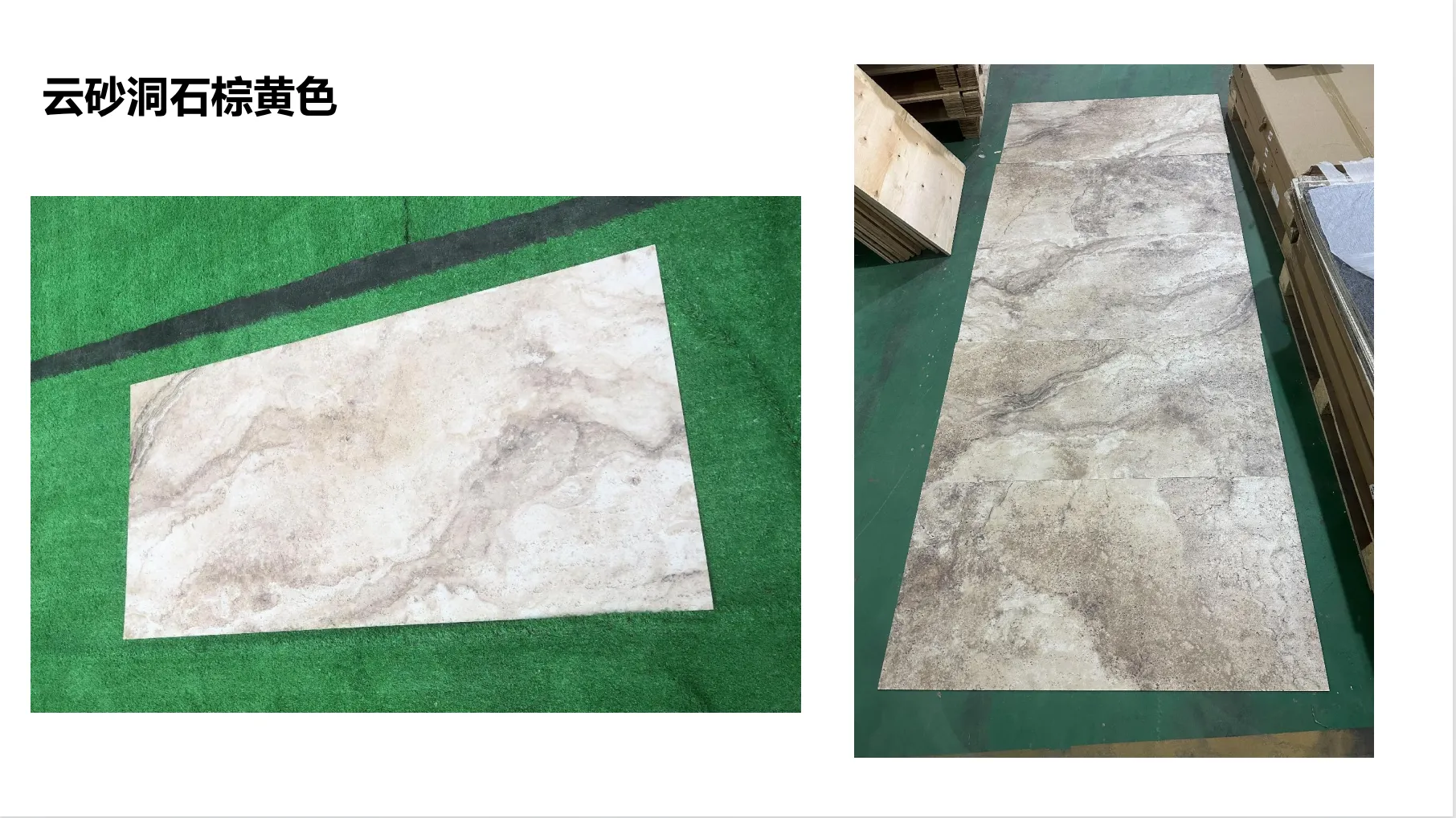
If you're picturing a dull, utilitarian "green" material, think again. Dolomitic travertine is a natural stone that's been turning heads for centuries, from ancient Roman amphitheaters to modern luxury hotels. What sets it apart from regular travertine? Its composition. Dolomitic travertine is rich in dolomite, a mineral formed from calcium magnesium carbonate, which gives it enhanced durability and a unique, muted color palette—think soft claybanks, deep grays, and warm beiges that add warmth to any space. But its beauty is just the beginning; it's the stone's sustainability story that makes it a star in LEED projects.
One of the biggest factors in LEED's Materials and Resources (MR) category is embodied energy—the total energy consumed during a material's extraction, processing, transportation, and installation. Synthetic materials like some vinyl claddings or composite boards often have sky-high embodied energy because they require intense manufacturing processes. Dolomitic travertine, on the other hand, is a natural product. It forms over thousands of years in mineral-rich hot springs, where layers of calcium carbonate and dolomite crystallize and harden. Quarrying it involves minimal processing: unlike granite or marble, which often require heavy cutting and polishing, dolomitic travertine can be split along natural fault lines, reducing the need for energy-intensive machinery.
Take, for example, a quarry in northern Italy that specializes in dolomitic travertine. The site uses solar-powered equipment for cutting and sorting, and water from the quarry's natural springs to cool machinery—slashing its carbon footprint. When you compare that to the production of, say, fair-faced concrete (which requires mining limestone, burning fossil fuels to heat kilns, and transporting heavy aggregates), dolomitic travertine starts to look like a clear winner in the embodied energy race. In fact, recent environmental product declarations (EPDs) for dolomitic travertine show embodied carbon values as low as 200 kg CO₂e per m²—less than half the embodied carbon of standard concrete cladding.
Sustainability isn't just about what happens during construction—it's about what happens over the decades that follow. A material that needs to be replaced every 10 years isn't truly green, no matter how "eco-friendly" it claims to be. Dolomitic travertine excels here. Thanks to its dolomite content, it's more resistant to weathering, staining, and abrasion than standard travertine. In outdoor applications, like cladding or paving, it can withstand freeze-thaw cycles, heavy rain, and UV exposure without cracking or fading. Indoor spaces, too, benefit: a dolomitic travertine floor in a high-traffic lobby might look just as good in 50 years as it did on day one, reducing the need for costly replacements and the waste that comes with them.
This durability directly ties to LEED's MR Credit 2: Construction Waste Management, which rewards projects that divert at least 75% of construction and demolition waste from landfills. Because dolomitic travertine is so long-lasting, it generates far less waste over a building's lifecycle. Even during installation, offcuts and scraps aren't wasted—they're often crushed and reused as aggregate in landscaping or road base, further boosting a project's waste diversion rate.
LEED's Indoor Environmental Quality (EQ) category focuses on creating spaces that are healthy for occupants, and here's where dolomitic travertine truly shines. Unlike synthetic materials that can off-gas volatile organic compounds (VOCs)—chemicals linked to headaches, allergies, and long-term health issues—dolomitic travertine is 100% natural. It contains no formaldehyde, phthalates, or other harmful additives. In fact, its porous structure actually helps regulate indoor humidity by absorbing and releasing moisture, reducing the risk of mold growth and improving air quality. For hospitals, schools, and offices where occupant health is a top priority, this is a game-changer.
But it's not just about indoor air quality. Dolomitic travertine is also a locally sourced material in many regions, from Italy and Turkey to parts of the U.S. and China. Choosing local stone reduces transportation emissions—a key factor in LEED's SS Credit 2: Development Density and Community Connectivity, which encourages projects to minimize urban sprawl and reduce vehicle miles traveled. A developer in Chicago, for example, might source dolomitic travertine from a quarry in Indiana, cutting transportation distances from thousands of miles to a few hundred, and slashing the carbon footprint of material delivery.
So, how exactly does dolomitic travertine translate to LEED points? Let's break it down with a closer look at the credits where it makes the biggest impact.
| LEED Category | Credit Number | Credit Name | Requirements | How Dolomitic Travertine Contributes |
|---|---|---|---|---|
| Materials and Resources (MR) | MR 1.1 | Building Product Disclosure and Optimization - EPDs | Use at least 20 different permanently installed products with EPDs. | Many dolomitic travertine suppliers now offer EPDs, documenting low embodied carbon and resource use. |
| Materials and Resources (MR) | MR 2 | Construction Waste Management | Divert 75% of construction waste from landfills. | Durable nature reduces long-term waste; offcuts are recycled as aggregate. |
| Indoor Environmental Quality (EQ) | EQ 4.1 | Low-Emitting Materials | Use materials with low VOC emissions in adhesives, sealants, paints, and flooring. | Natural stone with no added chemicals; requires minimal sealants (low-VOC options available). |
| Sustainable Sites (SS) | SS 2 | Development Density and Community Connectivity | Site project in areas with high development density to reduce sprawl. | Locally sourced dolomitic travertine reduces transportation emissions, aligning with smart growth goals. |
| Innovation in Design (ID) | ID 1 | Innovative Performance | Demonstrate innovative strategies not addressed in other LEED credits. | Combining dolomitic travertine with other sustainable materials (e.g., MCM flexible stone) for hybrid cladding systems. |
Of course, dolomitic travertine isn't the only sustainable material on the market. Let's compare it to two other popular options—fair-faced concrete and MCM flexible stone—to see where it fits best.
Fair-faced concrete has earned a reputation as a "green" material thanks to its raw, unfinished look that requires no additional cladding, reducing material use. It's durable and can incorporate recycled aggregates, which helps with LEED's MR credits. But when it comes to embodied energy, dolomitic travertine has the edge. Concrete production is carbon-intensive: cement, its main ingredient, is responsible for about 8% of global CO₂ emissions. Fair-faced concrete also tends to be heavier, increasing transportation and structural costs. Dolomitic travertine, while still a natural stone, has a lower carbon footprint and offers a warmer, more organic aesthetic—something that matters in spaces where human connection is key, like hotels or community centers.
MCM flexible stone—short for Modified Composite Material—is a newer player in the sustainable materials game. It's made by bonding thin layers of natural stone to a flexible, lightweight backing, reducing material use and making installation easier. MCM is great for retrofits or projects where weight is a concern (like high-rise cladding), as it puts less stress on structural systems. It also has low embodied energy and is often made with recycled content. So, how does dolomitic travertine compare? MCM is lighter and more flexible, but dolomitic travertine offers superior durability and a more authentic, natural look. For projects aiming for LEED Platinum, combining the two could be a winning strategy: use MCM flexible stone for hard-to-reach areas and dolomitic travertine for focal points like feature walls or entryways, maximizing both sustainability and design impact.
In 2022, the EcoVillage Community Center in Portland, Oregon, set out to achieve LEED Gold certification while creating a space that felt warm and welcoming. The design team chose dolomitic travertine (dark grey) for the building's exterior cladding and interior lobby flooring, citing its sustainability and aesthetic appeal. By sourcing the stone from a quarry in Washington State (just 200 miles from the site), they reduced transportation emissions, earning points under SS Credit 2. During installation, 92% of construction waste was diverted from landfills, in part thanks to recycling dolomitic travertine offcuts as aggregate for the center's surrounding pathways. The stone's natural porosity also helped regulate indoor humidity, contributing to EQ Credit 7: Thermal Comfort. In the end, the project earned 68 points, securing LEED Gold—and visitors often comment on how the travertine's earthy tones make the space feel "connected to nature."
While dolomitic travertine offers significant benefits for LEED compliance, it's not without challenges. The biggest hurdle for many projects is cost. Natural stone, in general, has a higher upfront price tag than synthetic alternatives like vinyl or fiber cement. However, it's important to look at the big picture: dolomitic travertine's durability and low maintenance costs mean it often pays for itself over time. A 2021 cost-benefit analysis by the Construction Specification Institute found that natural stone flooring, including dolomitic travertine, has a lifecycle cost 30% lower than carpet and 20% lower than hardwood in high-traffic commercial spaces.
Sourcing is another consideration. Not all dolomitic travertine quarries are created equal—some have better sustainability practices than others. To maximize LEED points, projects should prioritize suppliers with third-party certifications like the Responsible Stone Forum (RSF) or ISO 14001, which verify environmental management systems. Asking for EPDs and chain-of-custody documentation is also key to ensuring the stone truly lives up to its eco-friendly claims.
Installation requires skill, too. Dolomitic travertine is a natural material, which means each slab is unique—grain patterns, colors, and textures can vary. This uniqueness is part of its charm, but it requires careful planning to ensure a cohesive look. Working with experienced installers who understand how to handle natural stone can prevent costly mistakes and ensure the stone performs as expected for decades to come.
As the demand for sustainable building materials grows, dolomitic travertine is poised to play an even bigger role in LEED-compliant projects. Innovations in quarrying technology are making it even more eco-friendly: new water recycling systems reduce quarry water use by up to 50%, and electric-powered machinery is cutting carbon emissions from extraction. Suppliers are also getting creative with product offerings, like pre-cut dolomitic travertine tiles that minimize waste during installation and thin-cut slabs that reduce material use without sacrificing durability.
Looking ahead, we're likely to see more hybrid systems that combine dolomitic travertine with other green materials. Imagine a building clad in a mix of dolomitic travertine and foamed aluminium alloy board (vintage silver)—the stone providing durability and warmth, the aluminium adding a modern, lightweight touch. Or a floor system that pairs dolomitic travertine with radiant heating, using the stone's thermal mass to distribute heat efficiently and reduce energy use (hello, EA Credit 1: Optimize Energy Performance).
Perhaps most exciting is the growing focus on "biophilic design"—the idea that connecting people with nature improves health and well-being. Dolomitic travertine, with its organic textures and earthy colors, is a natural fit here. A LEED project that uses dolomitic travertine to bring the outdoors in—say, a feature wall in a hospital waiting room that mimics a rocky cliff face—could earn points under EQ Credit 8: Daylight and Views, while also reducing stress and anxiety for patients and visitors. It's a win-win: better for the planet, better for people.
At the end of the day, LEED certification is about more than checking boxes. It's about building with purpose—creating spaces that respect the environment, support communities, and stand the test of time. Dolomitic travertine embodies this purpose. It's a material with a story: formed over millennia by the earth, quarried with care, and installed to last for generations. It's not just "green"—it's meaningfully green, offering both tangible LEED credits and intangible benefits like beauty and connection to nature.
For eco-conscious architects, developers, and builders, the choice is clear: materials matter. And when it comes to balancing sustainability, durability, and design, dolomitic travertine is more than just a contender—it's a leader. So the next time you walk into a LEED-certified building and find yourself drawn to the warmth of the stone walls or the elegance of the flooring, take a closer look. Chances are, it might just be dolomitic travertine—proof that green building doesn't have to compromise on beauty, and that the most sustainable choices are often the ones that stand the test of time.
Recommend Products












