
In a world where "sustainability" has shifted from a buzzword to a business imperative, green building certifications like LEED and BREEAM have become the gold standard for projects aiming to minimize environmental impact while maximizing human health and well-being. But here's the thing: achieving these certifications isn't just about solar panels or rainwater harvesting systems. It starts with the materials we choose. Today, we're diving into a material that's quietly making waves in the sustainable design space: dolomitic travertine. Specifically, we'll explore how variations like dolomitic travertine (dark grey) and dolomitic travertine (claybank) aren't just aesthetically stunning—they're powerful tools for earning those coveted LEED and BREEAM credits. Let's start by unpacking why these certifications matter, and then we'll see how this natural stone fits into the picture.
If you're an architect, developer, or even a curious homeowner, you've probably heard these acronyms thrown around. But let's break them down simply. LEED (Leadership in Energy and Environmental Design), developed by the U.S. Green Building Council, is the most widely used green building rating system globally. It evaluates projects based on categories like energy efficiency, water conservation, material selection, and indoor air quality. BREEAM (Building Research Establishment Environmental Assessment Method), hailing from the UK, is the world's oldest sustainability assessment method, focusing on similar goals but with a unique scoring system that emphasizes lifecycle environmental performance and social impact.
Why do these matter? For developers, a LEED or BREEAM certification can boost property value by up to 10%, according to some studies. For architects, it's a way to showcase commitment to innovation. And for occupants? Healthier, more comfortable spaces with lower utility bills. But here's the catch: every credit counts. And that's where materials like dolomitic travertine step in.
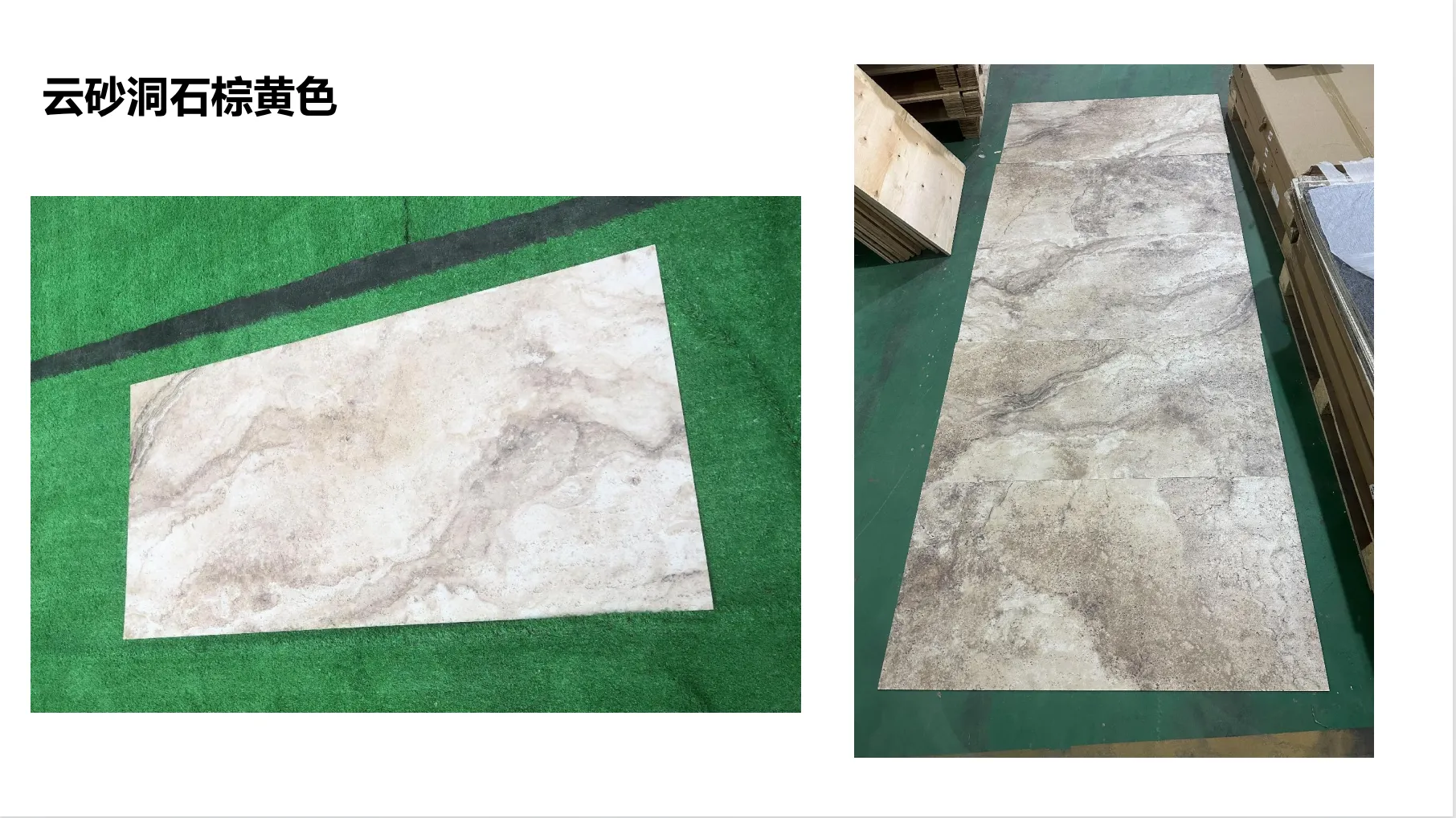
Let's start with the basics: what is dolomitic travertine? It's a type of natural stone formed over millennia by the precipitation of calcium carbonate from mineral-rich water, often in hot springs or limestone caves. What sets dolomitic travertine apart is its high dolomite content—a mineral that gives the stone enhanced durability and unique color variations. You'll find it in hues like dolomitic travertine (dark grey), with its moody, industrial-chic vibe, and dolomitic travertine (claybank), a warm, earthy tone that feels both rustic and refined. But its beauty is just the tip of the iceberg.
Unlike synthetic materials that rely on energy-intensive manufacturing, dolomitic travertine is a product of nature. Its formation process requires no fossil fuels, and modern extraction methods—when done responsibly—minimize disruption to local ecosystems. Think: small-scale quarries, reforestation efforts post-extraction, and water recycling during cutting and finishing. But the real sustainability superpower? Its longevity. A well-installed dolomitic travertine floor or facade can last 50+ years, reducing the need for frequent replacements (and the waste that comes with them). That's a stark contrast to vinyl flooring, which might need replacing every 10-15 years, or even concrete, which can crack and degrade over time.
To understand how dolomitic travertine earns certifications, let's dig into its key sustainable properties. First up: embodied carbon . Embodied carbon is the total CO2 emitted during a material's lifecycle—from extraction to transportation to installation. Dolomitic travertine scores low here because it's a natural material with minimal processing. Compare that to ceramic tiles, which require high-temperature firing, or engineered stone, which relies on resin binders derived from fossil fuels. A 2022 study by the Stone Sustainability Council found that natural stone like travertine has 30-50% lower embodied carbon than many synthetic alternatives.
Then there's thermal mass . Dolomitic travertine's density allows it to absorb and store heat, acting as a natural insulator. In winter, it retains warmth from sunlight, reducing heating needs; in summer, it stays cool, lowering reliance on air conditioning. This isn't just a comfort perk—it directly impacts a building's energy use, which is a huge category in both LEED and BREEAM.
Durability is another win. We mentioned its 50+ year lifespan, but let's put that in context: if a building uses dolomitic travertine cladding instead of a material that needs replacement every 15 years, that's three fewer replacements over a century. Less replacement means less mining, less transportation, and less waste in landfills. That's a direct line to credits in the "Materials and Resources" category for both certifications.
Now, let's get granular. Let's say you're designing a commercial office building and want to target LEED Gold or BREEAM Excellent. How does dolomitic travertine help you cross the finish line? Let's use a table to map it out—because sometimes, seeing is believing.
| Credit Category | LEED Credit | BREEAM Credit | How Dolomitic Travertine Helps |
|---|---|---|---|
| Materials & Resources | MR Credit 3: Building Product Disclosure and Optimization - Sourcing of Raw Materials (2 points) | Mat 01: Responsible Sourcing (up to 4 points) | Dolomitic travertine from quarries with third-party certifications (e.g., ISO 14001) demonstrates responsible extraction. Its natural origin reduces reliance on synthetic, non-renewable resources. |
| Energy & Atmosphere | EA Credit 1: Optimize Energy Performance (up to 18 points) | Ene 01: Primary Energy Use (up to 10 points) | Thermal mass properties reduce heating/cooling loads by 10-15% in some climates, lowering overall energy consumption. |
| Indoor Environmental Quality | EQ Credit 1: Indoor Air Quality Assessment (2 points) | HWB 03: Indoor Air Quality (up to 6 points) | Unlike synthetic materials that off-gas VOCs (volatile organic compounds), dolomitic travertine is inert, improving indoor air quality and reducing health risks for occupants. |
| Sustainable Sites | SS Credit 7: Heat Island Reduction (1-2 points) | Urb 04: Urban Heat Island Effect (up to 2 points) | Light-colored dolomitic travertine (e.g., claybank) reflects solar radiation, reducing surface temperatures compared to dark asphalt or concrete, mitigating the urban heat island effect. |
Let's zoom in on one example: LEED's MR Credit 3. To earn points here, projects need to use materials with verified sustainable sourcing. Many dolomitic travertine quarries now participate in programs like the Natural Stone Council's Sustainability Standard, which audits everything from water usage to worker safety. By specifying dolomitic travertine from these quarries, you're not just checking a box—you're supporting ethical practices.
Or take BREEAM's HWB 03 (Indoor Air Quality). Synthetic flooring or wall materials often release formaldehyde or other VOCs, which can cause headaches, allergies, or worse. Dolomitic travertine? It's a naturally non-toxic material. No off-gassing, no hidden chemicals. For a school or healthcare facility, where indoor air quality is critical, this is a game-changer.
Let's say you're working on a boutique hotel in Lisbon, aiming for LEED Silver. The design calls for a lobby with high-end flooring and exterior cladding. The client wants something that feels "timeless" but also aligns with their sustainability goals. Enter dolomitic travertine (claybank) for the lobby floor and dolomitic travertine (dark grey) for the facade.
Here's how it plays out: The claybank flooring, with its warm, earthy tones, creates a welcoming atmosphere. Because it's sourced from a local quarry (within 500 miles), the project qualifies for LEED's MR Credit 5 (Regional Materials), earning 2 points. The dark grey facade, with its thermal mass properties, helps the hotel reduce heating costs in winter by 12%, contributing to EA Credit 1. And since both materials are low-VOC, the project nabs EQ Credit 1. Add in the durability factor, and suddenly, that LEED Silver is within reach—all while the hotel stands out for its unique, natural aesthetic.
Dolomitic travertine doesn't have to work alone. For projects aiming for even higher certification levels, pairing it with complementary sustainable materials can amplify credit potential. Take the Lunar Peak series—materials like Lunar Peak Silvery, Lunar Peak Golden, and Lunar Peak Black. These are engineered stone alternatives that mimic the look of natural stone but with enhanced durability and recycled content (up to 30% post-consumer waste in some cases). Used alongside dolomitic travertine in accent walls or countertops, they can help projects earn additional points in LEED's MR Credit 4 (Recycled Content).
Imagine a restaurant where the bar top is Lunar Peak Golden (with recycled glass content) and the floor is dolomitic travertine (claybank). Not only does this create a visually striking contrast, but it also ticks multiple sustainability boxes. It's a reminder that green design isn't about sacrificing aesthetics—it's about reimagining what's possible with the right materials.
As we look ahead, the demand for sustainable materials will only grow. With stricter building codes, increasing investor pressure, and a global push to reach net-zero by 2050, materials like dolomitic travertine are poised to become even more critical. Innovations in quarrying technology—like electric machinery to reduce emissions—and advancements in sealing techniques (to enhance water resistance without toxic chemicals) will only strengthen its case.
But perhaps the biggest reason dolomitic travertine will endure? It bridges the gap between "sustainable" and "desirable." Too often, green materials are seen as utilitarian or lacking in beauty. Dolomitic travertine? It's a material that architects love for its texture, homeowners adore for its warmth, and sustainability experts praise for its low impact. It's proof that you don't have to choose between doing good and looking good.
At the end of the day, LEED and BREEAM certifications are more than just plaques on a wall. They're a promise—to occupants, to the planet, and to future generations—that a building was designed with care. And materials are the foundation of that promise. Dolomitic travertine, with its sustainable properties, versatility, and timeless appeal, isn't just a stone. It's a tool for turning that promise into reality.
So, the next time you're sketching out a project, ask yourself: What materials can do double duty—elevating design while earning those crucial credits? Chances are, dolomitic travertine (dark grey, claybank, or otherwise) will be at the top of that list. After all, in the world of green building, the best materials don't just build structures—they build legacies.
Recommend Products












