
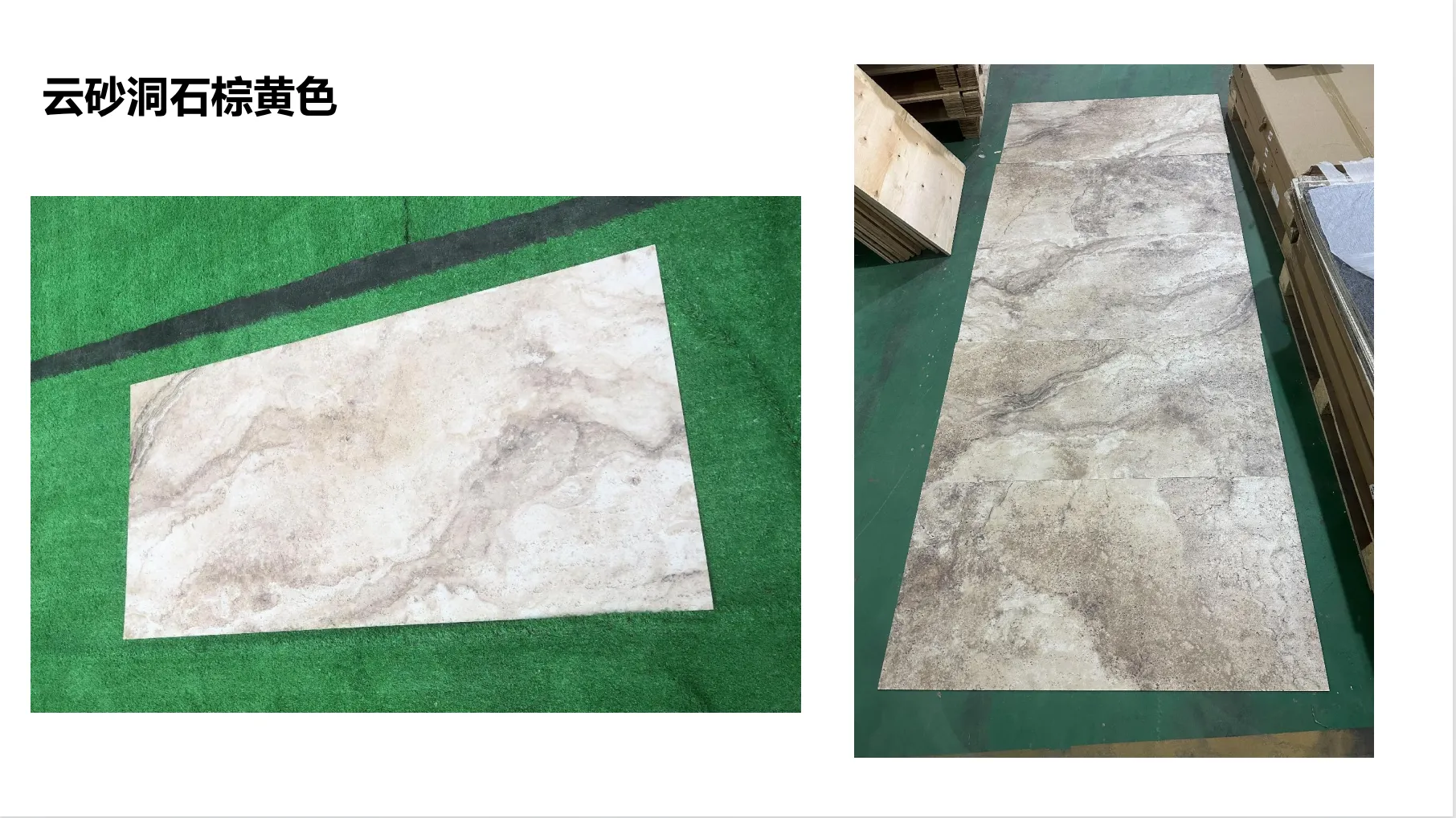
Coastal living is a romance written in salt air and sunsets—waking to the sound of waves, dining with ocean breezes, and falling asleep under skies streaked with pink and gold. But this idyll comes with a hidden challenge: humidity. Not the gentle dew of inland mornings, but a persistent, moisture-laden air that seeps into walls, warps wood, and turns beautiful surfaces into battlegrounds against mold, mildew, and salt damage. For homeowners, choosing materials that can stand up to this coastal onslaught isn't just about durability—it's about preserving the soul of their space. Enter dolomitic travertine: a natural stone that blends timeless elegance with surprising resilience, making it a standout choice for humid climates. Let's explore why this stone shines, how it holds up against coastal moisture, and how to make it work for your home.
To understand dolomitic travertine's superpowers, let's start with the basics. Travertine itself is a form of limestone, born from mineral-rich hot springs that deposit calcium carbonate over centuries. Think of the honey-colored stones of ancient Roman baths or the sun-warmed patios of Tuscan villas—classic travertine is beloved for its porous, textured surface and warm, earthy tones. But dolomitic travertine? It's a closer cousin with a key difference: it's infused with dolomite, a mineral composed of calcium magnesium carbonate. This isn't just a minor tweak; it's a game-changer for moisture resistance.
Formed in similar hot spring environments, dolomitic travertine develops a denser, tighter grain structure thanks to that dolomite content. Imagine regular travertine as a sponge with large, open pores, and dolomitic travertine as a kitchen towel with smaller, more evenly spaced fibers—both absorbent, but one holds onto moisture far less stubbornly. This density doesn't just make it harder for water to seep in; it also gives the stone a subtler, smoother texture, with colors ranging from soft claybank to deep, moody dark grey. It's a stone that feels both ancient and modern, perfect for spaces that crave character without sacrificing practicality.
So, what makes dolomitic travertine a humidity hero? Let's break it down into three key strengths:
1. Denser Porosity, Less Moisture Trapping
All natural stones have pores, but dolomitic travertine's are smaller and more evenly distributed. While classic travertine can have pores large enough to hold a drop of water (hello, moisture magnet), dolomitic travertine's tighter grain structure leaves less room for water vapor, salt, or mildew to settle in. In lab tests, dolomitic travertine typically absorbs just 0.5% to 1% moisture by weight, compared to regular travertine's 2% to 3%. Over time, that difference adds up—less absorption means less warping, staining, or crumbling, even in the stickiest coastal summers.
2. Dolomite: The Secret Salt Fighter
Coastal air isn't just humid—it's salty. Saltwater spray can eat away at softer stones, causing pitting, discoloration, or even structural weakening. But dolomite (the mineral that gives dolomitic travertine its name) is less soluble in water than calcium carbonate (the main component of regular travertine). This makes it more resistant to chemical breakdown when saltwater interacts with the stone. Think of it as a natural armor: while other materials might corrode under salt's attack, dolomitic travertine holds its ground, keeping its surface smooth and its color intact.
3. Natural Resilience to Mold and Mildew
Mold loves moisture, and porous materials are its favorite playground. But dolomitic travertine's density and lower porosity mean fewer nooks for mold spores to take root. Combine that with its natural alkalinity (which creates an environment less friendly to mold growth), and you've got a stone that's inherently more resistant to the fuzzy, unsightly buildup that plagues bathrooms, basements, and outdoor patios in humid areas.
Wondering how dolomitic travertine stacks up against other popular materials for humid climates? Let's put it head-to-head with two common options: fair-faced concrete (a sleek, industrial choice) and lunar peak silvery (an engineered stone with a modern, metallic finish).
| Material | Porosity | Moisture Absorption Rate | Salt Resistance | Best For |
|---|---|---|---|---|
| Dolomitic Travertine (Dark Grey) | Low (small, tight pores) | 0.5–1% by weight | High (dolomite resists salt breakdown) | Outdoor patios, bathrooms, kitchen backsplashes |
| Fair-Faced Concrete | Medium (micro-pores prone to absorption) | 3–5% by weight (unsealed) | Medium (prone to salt pitting over time) | Industrial-style walls, garage floors |
| Lunar Peak Silvery | Very Low (engineered, non-porous) | <0.1% by weight | High (synthetic surface resists salt) | Modern accent walls, indoor flooring |
The takeaway? Lunar peak silvery is virtually waterproof, but it lacks the organic, natural beauty of dolomitic travertine. Fair-faced concrete is durable but porous enough to require frequent sealing in humid areas. Dolomitic travertine hits the sweet spot: natural charm with enough resilience to thrive in coastal humidity.
Even the most moisture-resistant stone needs a little help to shine in coastal areas. Here's how to install dolomitic travertine to maximize its longevity:
Start with a Waterproof Barrier
Moisture can wick up from the ground or seep through walls, so a waterproof underlayment is non-negotiable. For floors, use rubberized asphalt or polyethylene sheets to create a barrier between the subfloor and the stone. For walls (like bathroom showers), apply a liquid waterproofing membrane (look for products labeled "breathable" to prevent trapped moisture) before tiling.
Choose the Right Adhesive and Grout
Skip standard mortar—opt for a latex-modified thinset designed for wet areas. It's more flexible and resistant to humidity-related cracking. For grout, epoxy-based options are worth the splurge: unlike porous cement-based grout, epoxy is waterproof, stain-resistant, and won't let salt or moisture seep through joints. Bonus: it comes in colors that complement dolomitic travertine's earthy tones, from soft claybank to deep charcoal.
Mind the Slope (and Drainage)
Water pools = moisture trouble. Whether installing outdoors (patios, pool decks) or indoors (showers, laundry rooms), slope the surface slightly (1/4 inch per foot) to ensure water runs off. For outdoor areas, add a gravel base beneath the stone to channel excess moisture away from the subfloor. Indoors, include weep holes in shower floors to prevent standing water.
Seal It Like You Mean It
Dolomitic travertine is naturally resistant, but sealing adds an extra layer of protection. Use a penetrating sealer (not a topical one, which can peel in humidity) designed for natural stone. Apply it twice during installation (once before grouting, once after) and reapply every 1–2 years. Test the sealer by sprinkling water on the stone—if it beads up, you're good; if it soaks in, it's time to reseal.
Even the toughest stone needs a little TLC. Here's how to keep your dolomitic travertine sparkling, even in humid coastal air:
Clean Regularly, Gently
Sweep or vacuum weekly to remove dirt and sand that can scratch the surface. Mop with warm water and a pH-neutral stone cleaner (avoid vinegar, bleach, or citrus-based products—they'll eat away at the sealer and the stone itself). For outdoor areas, a soft-bristle brush and mild soap work wonders to remove salt spray residue.
Reseal Proactively
Coastal humidity and salt air can wear down sealer faster than inland climates. Check your stone every 6 months: sprinkle a few drops of water on the surface. If they bead up, you're set; if they soak in, grab the sealer. For high-traffic areas like patios or entryways, reseal every 12 months to be safe.
Handle Stains Swiftly
Accidents happen—wine spills, oil splatters, or saltwater drips. For oil-based stains (like olive oil), blot immediately with a clean cloth, then apply a paste of baking soda and water, let it sit overnight, and rinse. For organic stains (coffee, juice), mix hydrogen peroxide with a drop of ammonia (test on a hidden corner first!) and gently dab the area. Avoid scrubbing—you don't want to wear away the sealer.
Dolomitic travertine isn't just durable—it's versatile, playing well with both modern and traditional coastal styles. Here are a few ideas to spark your creativity:
Modern Coastal Bathroom
Clad your shower walls in large-format dolomitic travertine (dark grey) tiles, paired with a white quartz countertop and matte black fixtures. Add a pop of color with travertine (starry blue) mosaic inserts in the shower niche or along the backsplash—the starry blue's subtle sparkle mimics sunlight on ocean waves, tying the space to its coastal roots.
Outdoor Patio Retreat
Pave your patio with dolomitic travertine (claybank) pavers, laid in a herringbone pattern for texture. Mix in a border of lunar peak silvery tiles to add a modern metallic contrast without overwhelming the stone's natural warmth. Add a built-in fire pit (dolomitic travertine is heat-resistant!) and string lights for evenings spent watching the tide roll in.
Rustic Coastal Kitchen
Use dolomitic travertine (claybank) for your kitchen backsplash, pairing it with open wooden shelving and a farmhouse sink. The stone's earthy tones complement driftwood decor and woven rattan chairs, while its moisture resistance stands up to steam from pots and pans. Seal it with a food-safe sealer to make cleanup a breeze.
Coastal living is about balance: the wild beauty of the ocean, paired with the comfort of home. Dolomitic travertine understands that balance. It's a stone with soul—rich in texture, warm in tone, and rooted in nature—yet tough enough to stand up to the humidity, salt, and moisture that come with coastal life. With the right installation, sealing, and care, it won't just survive; it will thrive, aging gracefully and adding character to your space for years to come. So if you're dreaming of a coastal home that's as resilient as it is beautiful, look no further than dolomitic travertine. It's not just a material—it's a partner in preserving the romance of coastal living.
Recommend Products












