


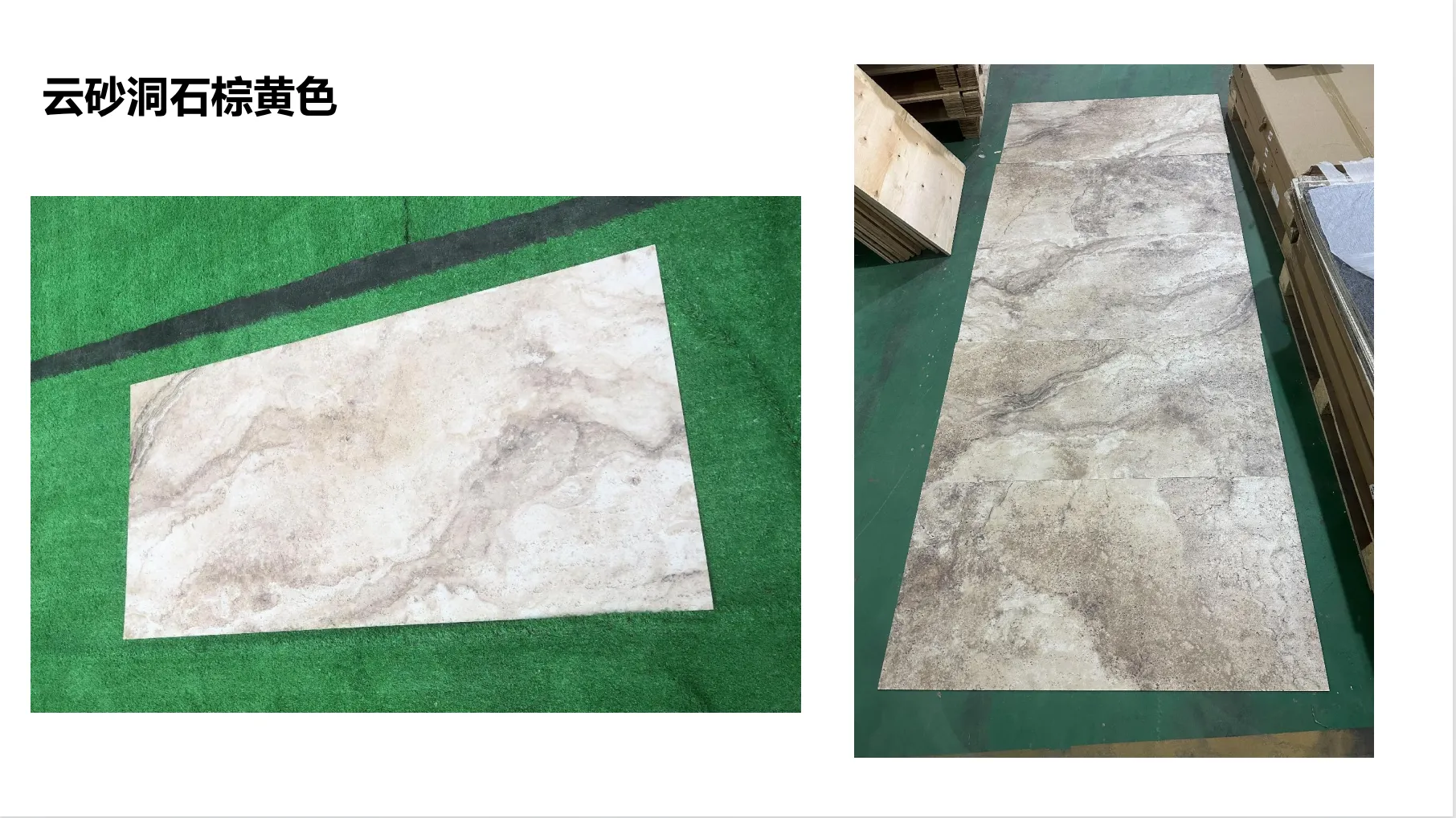
Let's start with the star of the show: Dolomitic Travertine (Claybank). If natural stone had a personality, this one would be the reliable friend who's equally at home at a casual gathering or a black-tie event. Its namesake "claybank" hue—a soft, earthy blend of warm beiges and subtle terracottas—brings an organic warmth that's hard to replicate with synthetic materials. But what truly sets it apart is its texture: a unique interplay of fine, layered veining and tiny, fossil-like pockets that tell a story of millions of years of geological formation.
Why Developers Are Falling for Dolomitic Travertine (Claybank)
Aesthetic Versatility: Whether you're designing a boutique hotel lobby, a residential complex facade, or a commercial plaza, this stone adapts. Pair it with sleek glass for a modern contrast, or with wood accents for a rustic-chic vibe—it plays well with others.
Durability That Lasts: Unlike some natural stones prone to chipping or staining, dolomitic travertine is denser, thanks to its dolomite mineral composition. It stands up to harsh weather, heavy foot traffic, and the test of time—critical for developers eyeing low-maintenance, long-lifespan projects.
Sustainable Appeal: Sourced from responsible quarries, this stone aligns with the growing demand for eco-conscious building materials. Its natural composition means no harmful chemicals, and its longevity reduces the need for frequent replacements.
But here's the catch: traditional natural stone, even durable varieties like dolomitic travertine, can be heavy. That adds complexity to installation, requires stronger structural support, and drives up transportation costs. Enter MCM Solutions—the game-changer that solves these pain points while amplifying the stone's best qualities.










