
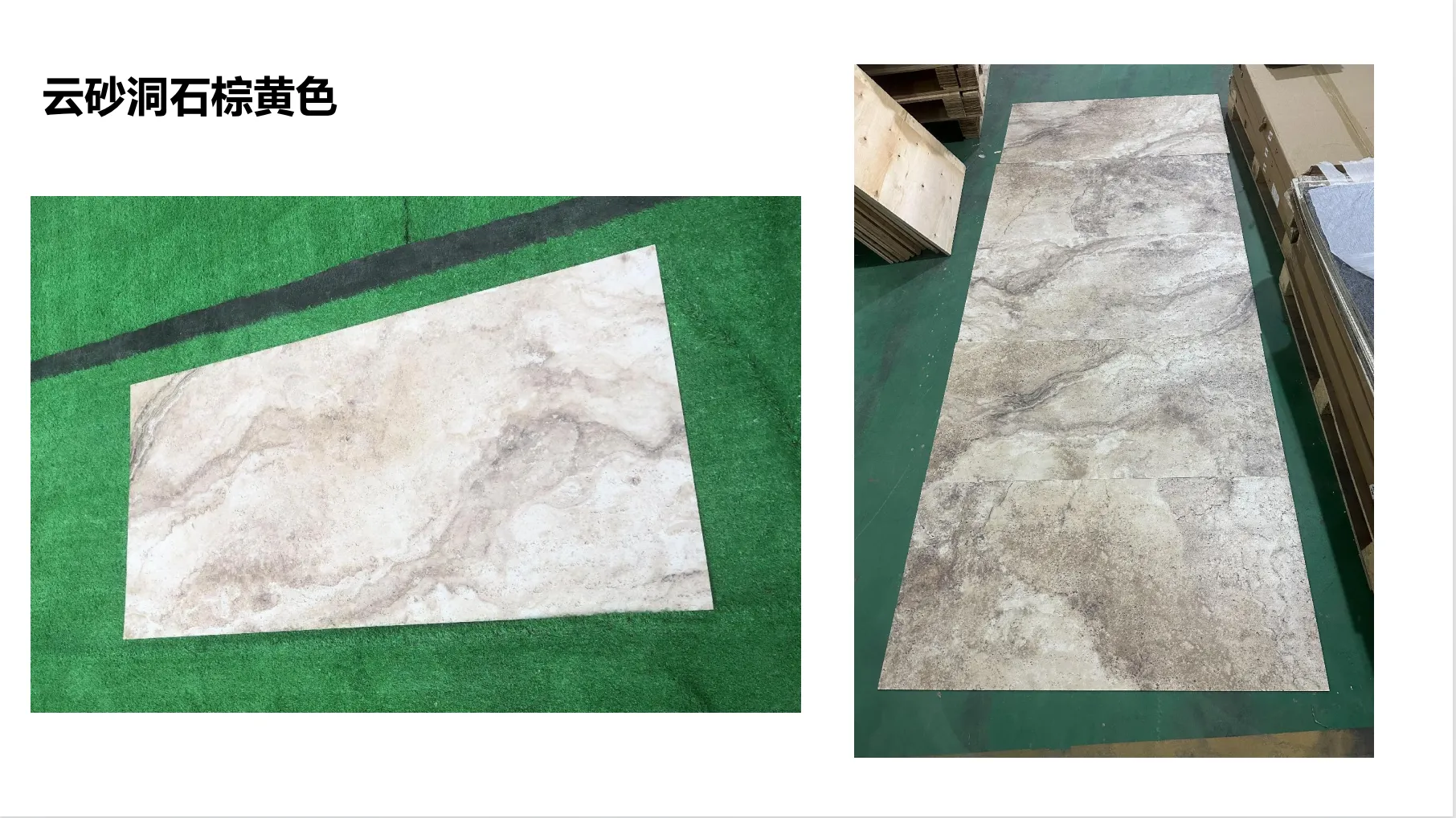
There's something almost magical about natural stone—how it carries the weight of time, the whisper of geological stories, and the quiet power to transform a space from ordinary to unforgettable. Among these natural wonders, dolomitic travertine stands out, and today, we're diving deep into one of its most captivating shades: claybank . Warm, earthy, and endlessly versatile, this hue isn't just a color—it's a feeling, a bridge between nature and design. Let's explore what makes dolomitic travertine (claybank) so special, its variations, and how it dances with other materials to create spaces that feel alive.
First, let's get to know the star of the show. Travertine itself is a form of limestone, born from mineral-rich hot springs and rivers, where calcium carbonate deposits layer over centuries to create its signature porous, pitted texture. But dolomitic travertine? It's travertine with a twist—infused with dolomite, a mineral that adds a subtle hardness and a unique color palette. Think of it as travertine's more resilient cousin, with a personality all its own.
Now, claybank —the hue we're here to celebrate. Close your eyes for a second (okay, maybe just visualize) and picture the color of sun-dried earth after a summer rain, the soft warmth of terracotta without the sharpness, or the gentle glow of sandstone at dusk. That's claybank. It's not a bold, in-your-face shade; it's a quiet charmer, with undertones of beige, soft brown, and a hint of warm gray that shifts with the light. Run your hand over a slab, and you'll feel the subtle pits and ridges, each a fingerprint of the stone's formation—like nature's own texture map.
What truly sets claybank dolomitic travertine apart, though, is its veining . Unlike the bold, contrasting veins of some marbles, these are soft, like brushstrokes in watercolor—pale gold, creamy white, or even a whisper of taupe. They don't dominate; they complement, adding depth without distraction. It's the kind of stone that feels both grounded and elegant, like a well-loved book with dog-eared pages—perfectly imperfect, and all the more beautiful for it.
Like any natural material, dolomitic travertine (claybank) isn't a one-size-fits-all shade. It's a spectrum, with subtle variations that make each slab unique. Let's break down the most common ones you might encounter, because knowing these nuances can help you pick the perfect "claybank" for your space.
Imagine the color of sand at sunrise—pale, warm, with a hint of cream. Light claybank dolomitic travertine leans into these softer tones, with veins that are almost white, like frost on a windowsill. It's brightening, making small spaces feel larger and airier. This is the shade for someone who loves minimalism but craves warmth—think a bathroom wall that feels like a spa retreat, or a kitchen backsplash that makes morning coffee feel a little more luxurious.
Not too light, not too dark—medium claybank is the sweet spot. It's the color of well-tended soil in a garden, rich and earthy, with veins that are a warm taupe or soft gold. This is the most versatile of the bunch, playing well with both cool and warm palettes. It's equally at home in a rustic living room with wooden beams as it is in a sleek, modern office with metal accents. If you're unsure where to start, this is your safe (but never boring) bet.
For those who love drama with a touch of warmth, dark claybank delivers. Think the color of fertile soil after a rainstorm—darker, richer, with veins that pop in contrast (often a lighter beige or even a soft terracotta). It's moody without being heavy, adding depth to large spaces or creating a cozy nook in a bedroom. Pair it with brass fixtures or warm lighting, and it glows like embers—inviting, intimate, and full of character.
| Variation | Color Profile | Vein Character | Best For |
|---|---|---|---|
| Light Claybank | Pale sand, cream undertones | Thin, white/ivory veins | Small spaces, bathrooms, bright kitchens |
| Medium Claybank | Warm earth, terracotta-kissed | Soft taupe/gold veins, medium thickness | Living rooms, dining areas, commercial lobbies |
| Dark Claybank | Deep soil, rich brown-gray | Contrasting beige/terracotta veins | Accent walls, bedrooms, moody offices |
Great design is all about harmony—how materials play off each other to create a story. Dolomitic travertine (claybank) is a team player, and when paired with the right companions, it truly shines. Let's explore a few of our favorite pairings, from classic to unexpected.
There's no better match for earthy claybank than the warmth of wood. Wood Grain Board —with its visible knots, natural grain, and soft brown tones—complements dolomitic travertine like a campfire and a cozy blanket. Imagine a kitchen where claybank travertine countertops meet wood grain cabinet doors: the stone adds texture, the wood adds warmth, and together, they create a space that feels like a country cottage, even in the heart of the city. It's the kind of pairing that makes you want to linger, sip a cup of tea, and forget the rush of the day.
For a look that's equal parts modern and organic, pair claybank travertine with fair-faced concrete . Concrete's cool, gray, industrial vibe is the perfect counterpoint to claybank's warmth, creating a balance that feels fresh and grounded. Think a living room wall: half fair-faced concrete, half claybank travertine panels. The concrete adds sharp lines and a contemporary edge, while the travertine softens the space, making it feel less stark and more inviting. It's design for the minimalist who still craves soul.
Who says natural stone can't have a little fun? Travertine (Starry Blue) —with its deep blue base and flecks of lighter blue that mimic a starry sky—adds a whimsical touch when paired with claybank. Use it sparingly: a starry blue accent wall in a room with claybank floors, or a backsplash with alternating claybank and starry blue tiles. The contrast is unexpected but delightful, like a field of wildflowers popping up in a forest. It's perfect for spaces that want to feel both grounded and a little magical.
For the ultimate earthy aesthetic, pair claybank travertine with Rammed Earth Board (Gradient) . Rammed earth's natural, layered look—with its blend of browns, beiges, and terracottas—echoes claybank's own warmth, creating a space that feels like a hug from the planet. Imagine a bedroom with a rammed earth accent wall (gradient from light to dark) and claybank travertine bedside tables. The textures play off each other, each adding depth without overwhelming. It's design that feels rooted, timeless, and deeply connected to nature.
Dolomitic travertine (claybank) isn't just pretty—it's practical, too. Its durability (thanks to that dolomite infusion) and resistance to wear make it suitable for a range of applications, from high-traffic areas to quiet retreats. Here are a few spaces where it truly shines:
One of our favorite examples? A recent project where a client used medium claybank dolomitic travertine for their dining room floor, paired with wood grain board dining chairs and a fair-faced concrete dining table. The result? A space that feels both elegant and lived-in, where every meal feels like a gathering with friends, not just a routine. That's the power of good design—and of a color like claybank.
Trends come and go, but earthy, natural tones? They're forever. Dolomitic travertine (claybank) isn't just a material choice—it's an investment in spaces that grow with you, that feel as welcoming on day one as they do on year ten. It's the kind of color that doesn't shout; it whispers, "This is home."
Whether you're designing a cozy cottage, a sleek city apartment, or a bustling commercial space, claybank dolomitic travertine brings something irreplaceable: heart. It's nature's art, and when you invite it into your space, you're not just decorating—you're telling a story. A story of connection, of warmth, of beauty that stands the test of time.
Recommend Products












