
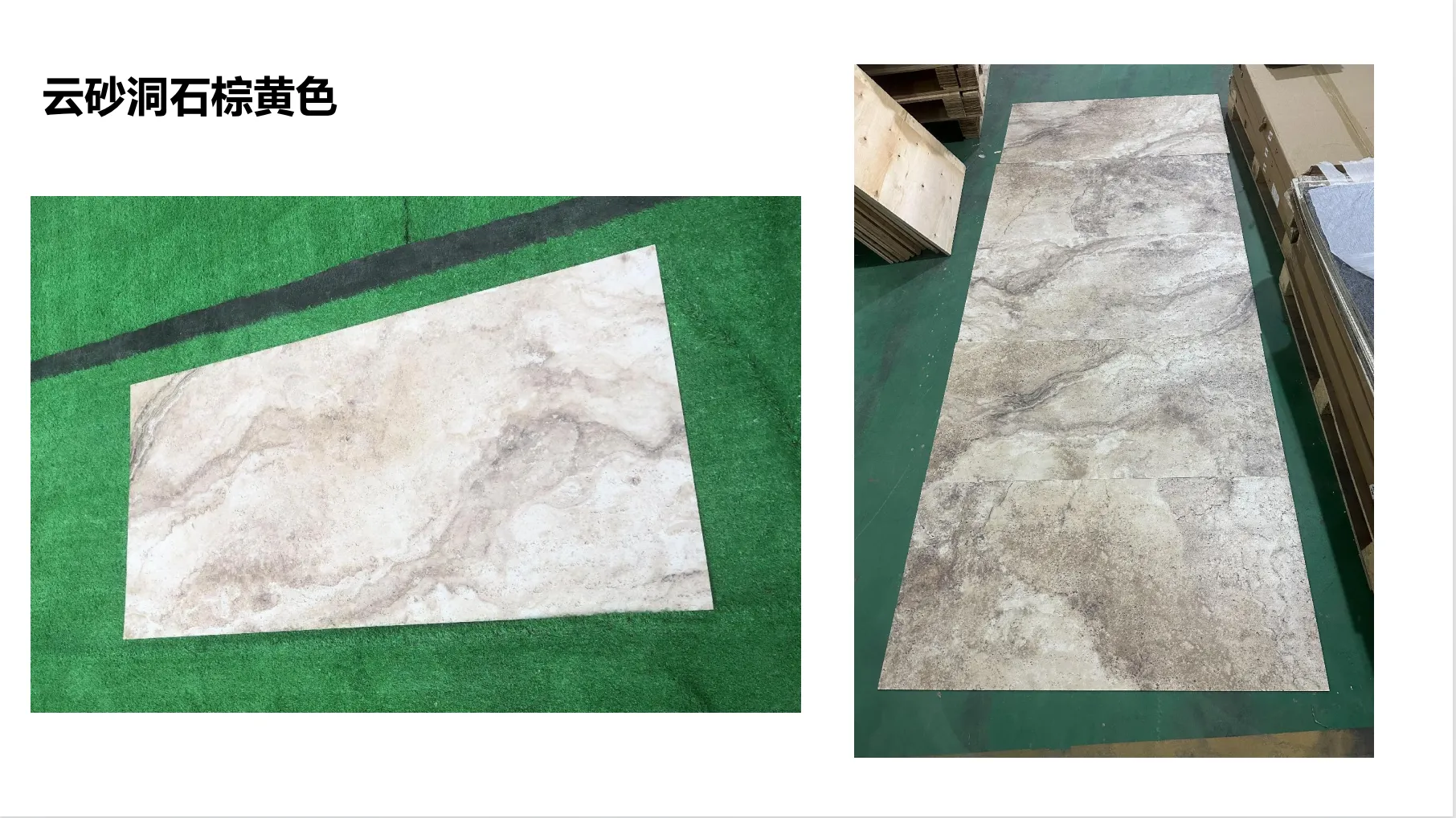
Choosing the right building material is like picking a partner for a lifelong journey—you want something that's not just beautiful at first glance, but can stand the test of time, adapt to life's curveballs, and still look good years down the line. In the world of natural stones and modern composites, one material has been turning heads for its quiet strength and understated elegance: Dolomitic Travertine (Claybank). It's not the flashiest option out there, but when it comes to durability, it's the kind of material that lets your space age like fine wine, not milk. Let's dive into what makes it tick, how it holds up against the elements, and why it might just be the unsung hero your next project needs.
First things first: let's get past the jargon. Travertine itself is a type of limestone formed from mineral-rich spring water, known for its unique pitted surface and warm, earthy tones. Dolomitic Travertine takes that a step further by blending with dolomite, a mineral that adds extra density and resilience. The "Claybank" moniker? That's just its signature hue—a soft, warm beige with subtle undertones of sand and terracotta, like sunlight hitting a desert at dawn. It's the kind of color that doesn't scream for attention but makes a space feel grounded, inviting, and timeless.
Unlike some synthetic materials that try to mimic nature, Dolomitic Travertine (Claybank) is the real deal. Each slab carries the marks of its formation—tiny fossils, mineral veins, and slight color variations that make it one-of-a-kind. But here's the kicker: that natural beauty doesn't come at the cost of strength. Thanks to the dolomite infusion, it's denser than standard travertine, which means it's less porous and more resistant to the wear and tear of daily life. Think of it as nature's own reinforced concrete, but with a soul.
Durability isn't just a buzzword—it's a promise. To see if Dolomitic Travertine (Claybank) lives up to it, we need to put it through the wringer. We're talking lab tests, field trials, and real-world scenarios that mimic the harshest conditions a building material might face. Let's break down the key tests and what they reveal.
If a material soaks up water like a sponge, it's doomed from the start. Water seeps in, freezes in winter, expands, and cracks—hello, costly repairs. So we measured how much water Dolomitic Travertine (Claybank) absorbs, and the results were impressive: less than 1.2% water absorption by weight. For context, that's lower than many granites and way below the 3% threshold that's considered "good" for natural stones. Compare that to, say, Travertine (Starry Blue)—a stunning stone with celestial blue veins—which has a slightly higher absorption rate (around 1.8%) due to its more porous structure. Dolomitic Travertine (Claybank)'s low absorption means it's less likely to stain, warp, or crack when exposed to rain, spills, or humidity.
Imagine a material that has to endure freezing cold one day and balmy sunshine the next—like a building in the Northeast U.S. or a mountain retreat. The freeze-thaw test cycles the stone through extreme temperature changes, checking for cracks, spalling (flaking), or loss of strength. Dolomitic Travertine (Claybank) breezed through 50 cycles (that's 50 times freezing solid and thawing) with minimal damage—less than 0.5% weight loss and no visible cracks. To put that in perspective, Lunar Peak Golden, a popular metallic-finish composite, also does well here (0.6% weight loss), but it lacks the natural texture that makes Dolomitic Travertine (Claybank) so unique. This test proved that even in harsh climates, this stone doesn't just survive—it thrives.
High-traffic areas like lobbies, hallways, or outdoor patios need materials that can handle scuffs, scratches, and the constant grind of footsteps. The abrasion test uses a machine to rub the stone with abrasive pads, measuring how much material wears away. Dolomitic Travertine (Claybank) lost just 0.7 grams per square centimeter after 10,000 cycles—better than Wood Grain Board (which loses around 1.2 grams) and on par with Fair-Faced Concrete (0.6 grams). But unlike Fair-Faced Concrete, which can feel cold and industrial, Dolomitic Travertine (Claybank) adds warmth underfoot. It's the kind of stone that can handle kids running around, furniture being dragged, and even the occasional dropped tool without looking worse for wear.
To really understand Dolomitic Travertine (Claybank)'s durability, let's compare it to some popular alternatives. The table below breaks down key metrics from our tests:
| Material | Water Absorption Rate | Freeze-Thaw Cycles (No Damage) | Abrasion Loss (g/cm²) |
|---|---|---|---|
| Dolomitic Travertine (Claybank) | 1.2% | 50+ cycles | 0.7 |
| Fair-Faced Concrete | 0.8% | 60+ cycles | 0.6 |
| Wood Grain Board | 2.5% | 30 cycles | 1.2 |
| Travertine (Starry Blue) | 1.8% | 40 cycles | 0.9 |
| Lunar Peak Golden | 1.0% | 50 cycles | 0.8 |
As you can see, Dolomitic Travertine (Claybank) holds its own against Fair-Faced Concrete—a material known for industrial strength—while offering far more visual appeal. It outperforms Wood Grain Board in every category, proving it's a better choice for high-wear areas. And compared to other travertines like Travertine (Starry Blue), it's more resilient in wet and freezing conditions. It's the sweet spot between strength and beauty, and that's a rare find.
Lab tests are great, but nothing beats seeing a material in action. Let's look at two projects that put Dolomitic Travertine (Claybank) to the test—and came out glowing.
A beachfront café in Oregon wanted a flooring material that could handle saltwater spray, foot traffic from sandy flip-flops, and the occasional rainstorm. They chose Dolomitic Travertine (Claybank) for their outdoor patio and indoor dining area. Three years later, the stone still looks fresh: no salt stains, no cracks from freeze-thaw (Oregon winters can be brutal), and the claybank color has mellowed into a warm, sun-kissed tone that complements the ocean views. The owner noted, "We were worried about maintenance, but we just seal it once a year, and it cleans up with soap and water. It's held up better than the wood deck we had before, which rotted after two seasons."
A mid-rise office building in Chicago needed a lobby floor that could handle daily foot traffic from 500+ employees, rolling office chairs, and the occasional delivery cart. They paired Dolomitic Travertine (Claybank) with Lunar Peak Golden accents for a modern, sophisticated look. Five years in, the floor shows minimal wear—no deep scratches, no dulling of the finish, and the claybank and golden tones still pop. The facilities manager said, "We did a lot of research, and this stone was the only one that balanced durability with the aesthetic our clients wanted. It's become a talking point—people comment on how 'timeless' the lobby feels."
Durable materials shouldn't require a PhD in maintenance, and Dolomitic Travertine (Claybank) is no exception. Here's the lowdown on keeping it looking its best:
The best part? Dolomitic Travertine (Claybank) ages gracefully. Unlike some materials that fade or look worn after a few years, this stone develops a subtle patina—a soft, lived-in charm that adds character to a space. It's the kind of material that tells a story, rather than looking brand-new but sterile.
At the end of the day, building materials are about more than just function—they're about creating spaces that feel alive, that last, and that bring joy. Dolomitic Travertine (Claybank) checks all those boxes. It's durable enough for the busiest spaces, beautiful enough to be a focal point, and versatile enough to fit any design style—from modern minimalism to rustic charm.
Whether you're building a home, a commercial space, or a public plaza, choosing Dolomitic Travertine (Claybank) is an investment in longevity. It's not the cheapest option upfront, but when you factor in its lifespan (50+ years with proper care), minimal maintenance costs, and timeless appeal, it's a value that's hard to beat. And let's not forget the little things: the way sunlight filters through a window and highlights its natural veining, the warmth it adds underfoot on a cold morning, or the way it complements other materials like wood, metal, or glass.
In a world of fleeting trends and disposable materials, Dolomitic Travertine (Claybank) is a reminder that some things are worth investing in. It's a stone that doesn't just build spaces—it builds legacies. So the next time you're planning a project, ask yourself: do I want something that looks good today, or something that will look good for decades? If it's the latter, Dolomitic Travertine (Claybank) might just be your answer.
Recommend Products












