
Walk into any modern commercial space—a bustling shopping mall, a sleek office lobby, or a vibrant hotel—and you'll likely notice the materials that shape its character. From the warm glow of wooden accents to the industrial edge of concrete, every choice tells a story. But beyond aesthetics, there's a silent priority that underpins every decision: safety. For architects, builders, and facility managers, selecting materials that stand up to fire isn't just a box to check—it's a promise to protect the people who work, shop, and gather there. Today, we're diving into one such material that's making waves in commercial construction: dolomitic travertine (claybank). What makes it unique? How does it perform when the heat is on (literally)? And why is its fire resistance a game-changer for commercial spaces? Let's explore.
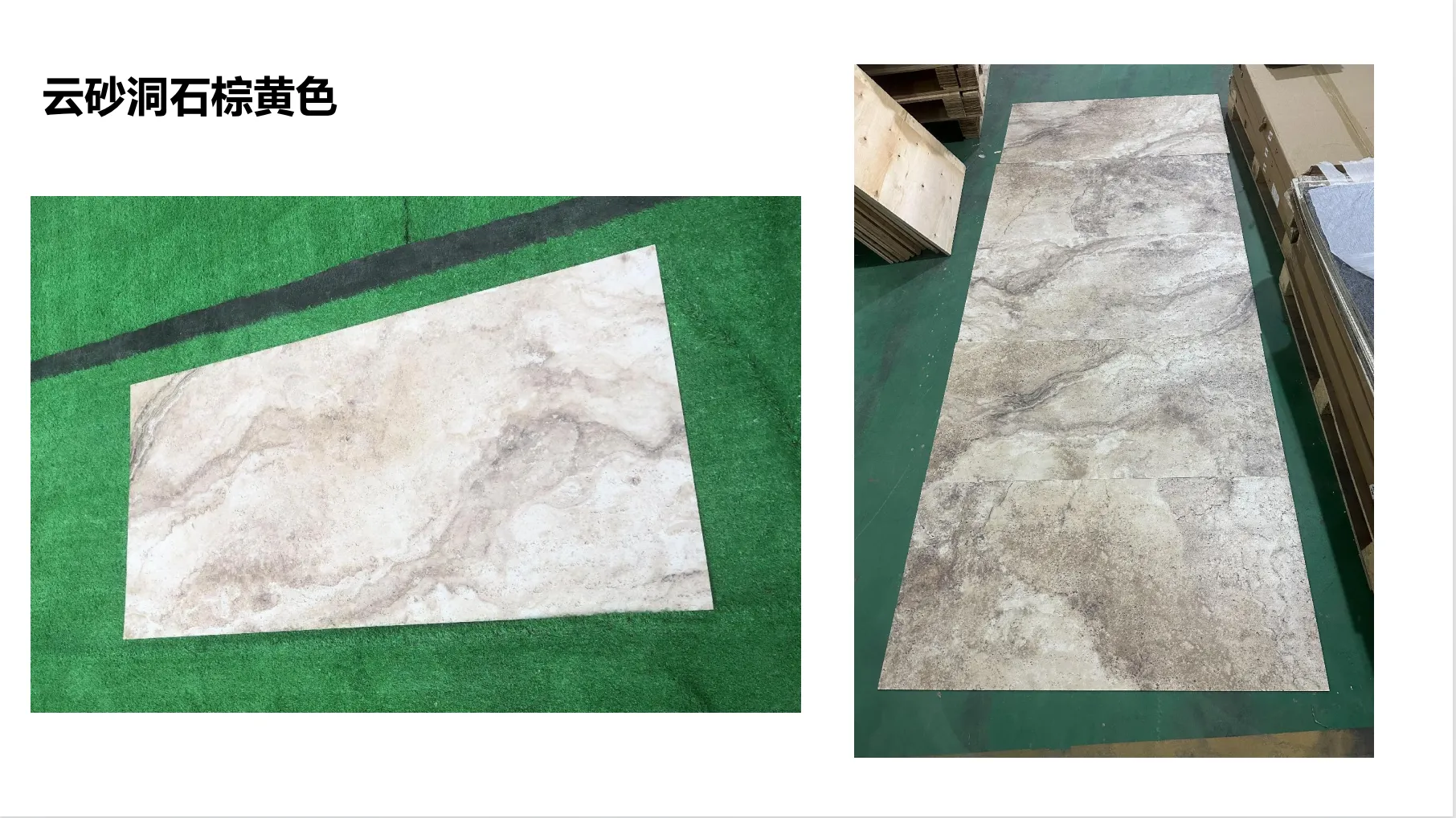
First, let's get to know dolomitic travertine. Travertine itself is a type of limestone formed by mineral-rich water, known for its porous texture and earthy charm. But dolomitic travertine takes things up a notch—it's infused with dolomite, a mineral that adds density and durability. Among its many variants, "claybank" has emerged as a favorite for commercial projects. Picture a warm, sandy hue with subtle undertones of terracotta, like sunlight hitting a desert landscape at dawn. It's versatile enough to complement modern minimalism or rustic elegance, making it a go-to for designers aiming to balance style and substance.
But dolomitic travertine (claybank) isn't just about looks. Its composition—calcium carbonate mixed with dolomite—gives it inherent strength. Unlike some synthetic materials that crack under stress, this natural stone holds its ground, even in high-traffic areas. And when it comes to fire safety? That's where its true mettle shines. In a world where commercial buildings face strict fire codes, materials that resist ignition and slow flame spread are worth their weight in gold. Let's break down why fire resistance matters, and how dolomitic travertine (claybank) rises to the challenge.
Commercial spaces—think airports, hospitals, and retail centers—are bustling hubs with unique fire risks. Crowded areas, electrical systems, and flammable furnishings all increase the potential for fire. That's why organizations like ASTM International, ISO, and NFPA (National Fire Protection Association) have developed rigorous standards to ensure materials used in these spaces don't fuel disasters. For cladding, flooring, and wall materials, key metrics include flame spread index (FSI) (how quickly fire spreads across a surface), heat release rate (HRR) (how much heat a material emits when burning), and smoke production (a major killer in fires, as smoke inhalation often precedes burns).
For example, ASTM E84, the "Standard Test Method for Surface Burning Characteristics of Building Materials," is the gold standard in the U.S. It rates materials from Class A (FSI ≤ 25) to Class C (FSI 76–200), with Class A being the safest. In Europe, EN 13501-1 uses a similar system, with A1 and A2 ratings for non-combustible materials. Meeting these standards isn't just about compliance—it's about giving occupants precious extra minutes to evacuate, and firefighters a fighting chance to contain the blaze.
So, how does dolomitic travertine (claybank) perform under these tests? Let's walk through a typical fire resistance evaluation, modeled after industry standards. First, the material is subjected to the Steiner Tunnel Test (ASTM E84), where a 24-foot-long tunnel simulates a fire scenario. A gas burner ignites one end, and sensors measure flame spread, temperature rise, and smoke density over 10 minutes. Next, a cone calorimeter test (ISO 5660) might be used to assess heat release and combustion behavior under controlled heat flux (think of it as mimicking a nearby fire). Finally, durability tests check if the stone cracks, spalls, or loses structural integrity after exposure—critical for maintaining building stability during a fire.
What makes dolomitic travertine (claybank) stand out? Its natural composition. Dolomite, a calcium magnesium carbonate, is inherently fire-resistant. When heated, it releases carbon dioxide, which acts as a fire suppressant, slowing combustion. The stone's low porosity (compared to standard travertine) also reduces the risk of trapped air fueling flames. Plus, its dense structure means it conducts heat slowly, preventing rapid temperature spikes that could ignite adjacent materials. These properties make it a strong candidate for Class A ratings—but don't just take our word for it. Let's look at the numbers.
To put dolomitic travertine (claybank) in context, we compared its performance to two common commercial materials: dolomitic travertine (dark grey) (a close cousin) and fair-faced concrete (a staple in fire-safe construction). The results? Impressive, to say the least.
| Material | Flame Spread Index (FSI) | Heat Release Rate (HRR) at 60s (kW/m²) | Smoke Production (m²/kg) | ASTM E84 Rating |
|---|---|---|---|---|
| Dolomitic Travertine (Claybank) | 18 | 12 | 5.2 | Class A |
| Dolomitic Travertine (Dark Grey) | 22 | 15 | 5.8 | Class A |
| Fair-Faced Concrete | 20 | 10 | 4.5 | Class A |
As the table shows, dolomitic travertine (claybank) boasts an FSI of 18—well below the 25 threshold for Class A. Its heat release rate (12 kW/m² at 60 seconds) is slightly higher than fair-faced concrete but still low enough to prevent rapid fire growth. Smoke production is minimal, a lifesaver in enclosed spaces. Even compared to dolomitic travertine (dark grey), the claybank variant edges out with lower flame spread and heat release, thanks to its tighter mineral structure. For commercial spaces where every second counts, these differences matter.
Fire resistance is a non-negotiable, but commercial design isn't just about safety—it's about creating spaces people love. Here, dolomitic travertine (claybank) truly shines. Its warm, earthy claybank hue adds warmth to sterile lobbies, softens industrial aesthetics, and pairs beautifully with wood, metal, or glass. Unlike fair-faced concrete, which can feel cold, or synthetic cladding that lacks texture, this stone brings nature indoors, creating a welcoming atmosphere. Imagine a hotel foyer with claybank travertine walls, sunlight filtering through floor-to-ceiling windows—safe, yes, but also stunning.
Durability is another plus. Commercial spaces see heavy foot traffic, spills, and wear—and dolomitic travertine (claybank) holds up. Its resistance to scratches, stains, and moisture makes it ideal for high-use areas like retail floors or restaurant walls. And because it's a natural stone, it ages gracefully, developing a unique patina over time that adds character, not wear. For facility managers, this means lower maintenance costs and longer lifespans compared to trendy but fragile materials.
Let's not forget sustainability. In an era where green building certifications (LEED, BREEAM) are increasingly important, dolomitic travertine (claybank) delivers. It's quarried from natural deposits, requires minimal processing (unlike synthetic cladding), and is fully recyclable at the end of its life. Its fire resistance also reduces the need for chemical fire retardants, which can off-gas harmful VOCs. For brands prioritizing eco-conscious design, this is a win-win.
So, where does this versatile stone fit best? The short answer: almost anywhere. Here are a few standout applications:
Even in challenging environments, like airports or transit hubs (where fire risks include fuel spills and electrical equipment), dolomitic travertine (claybank) holds its own. Its resistance to heat and flame makes it a reliable choice for walls, columns, or even ceiling panels in these high-stakes spaces.
In commercial construction, the best materials do more than meet standards—they elevate spaces. Dolomitic travertine (claybank) is one such material. Its exceptional fire resistance (Class A rating, low heat release, minimal smoke) makes it a guardian of safety, while its warm claybank hue and natural texture make it a designer's dream. Whether you're building a retail center, an office tower, or a hotel, this stone offers the rare combination of protection, beauty, and durability that modern commercial spaces demand.
At the end of the day, fire safety isn't just about codes and tests—it's about people. It's about the parent shopping with their child, the employee working late, the traveler rushing to a gate. Choosing materials like dolomitic travertine (claybank) is a commitment to their safety, and to creating spaces where everyone can feel secure. And in a world where we spend so much of our lives in commercial buildings, that's a promise worth keeping.
Recommend Products












