
Walk through any school, and you'll feel it immediately—the hum of energy, the scuffle of sneakers, the occasional spill of juice or crayon mark on the floor. These spaces aren't just buildings; they're living, breathing environments where young minds grow, friendships form, and memories are made. But with all that activity comes a hidden challenge: choosing materials that can keep up. Floors, walls, and surfaces in educational institutions face a daily onslaught—from backpacks dragging across corridors to art projects gone awry, from rainy boots tracking mud to the relentless buzz of cleaning crews working against the clock. That's where the right material choice becomes more than a design decision; it's an investment in creating spaces that are both beautiful and built to last. Today, we're diving into one material that's quietly revolutionizing school design: Dolomitic Travertine (Claybank). Let's explore why it's becoming the go-to choice for educators, architects, and facility managers who want durability without sacrificing warmth—and low maintenance without losing style.
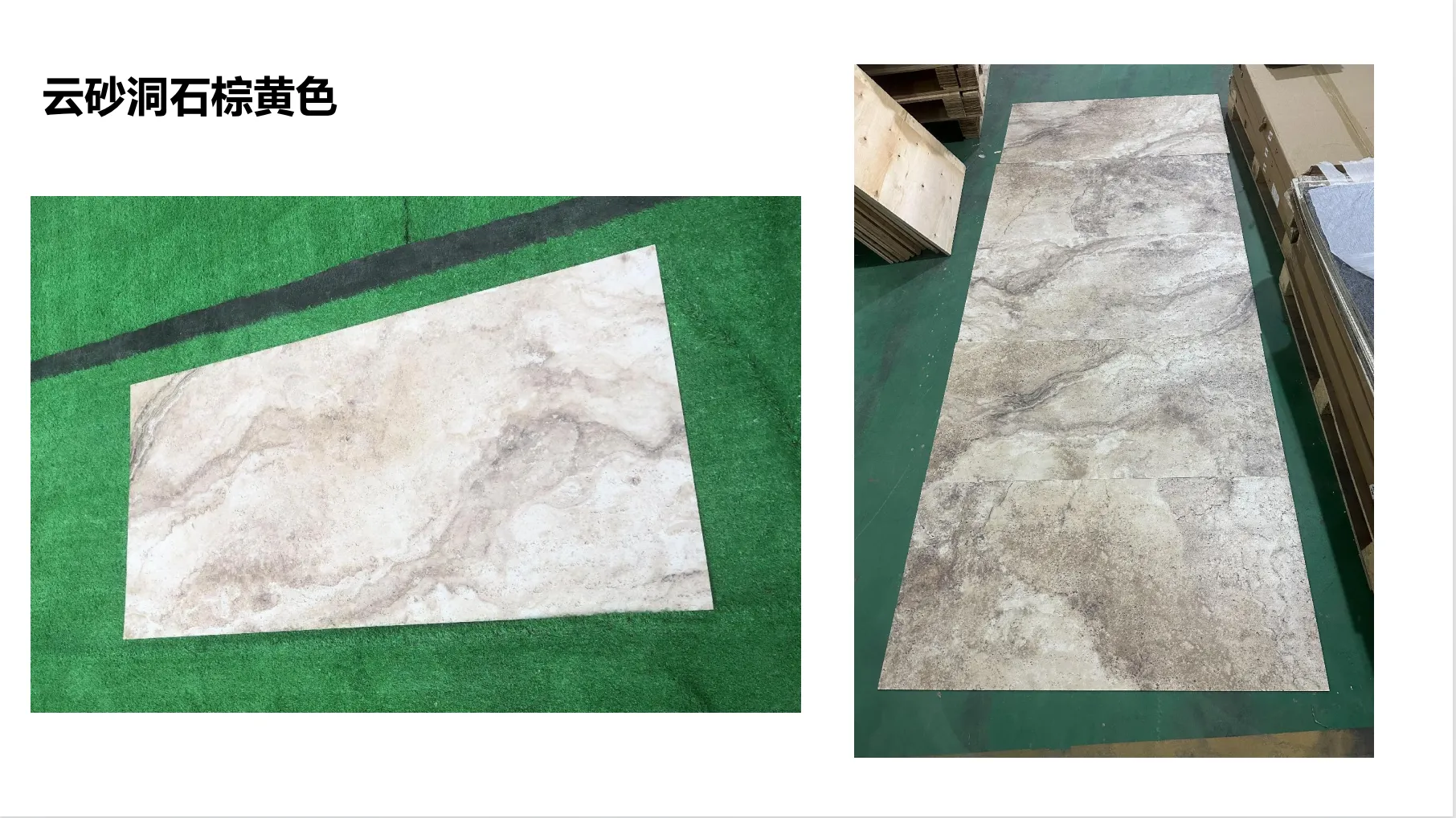
First, let's get to know this material. Dolomitic Travertine (Claybank) is a natural stone with a story as old as the earth itself. Formed over millennia through mineral-rich water flowing through limestone, it carries the unique texture of time—subtle veins, soft pits, and a warm, earthy hue that feels both grounded and inviting. Unlike the starkness of polished marble or the coldness of industrial concrete, its claybank tone (think soft terracotta meets warm sand) adds a touch of nature to indoor spaces, creating an atmosphere that's calm and nurturing. But don't let its gentle appearance fool you: beneath that warm exterior lies a core of surprising strength. Dolomitic Travertine is denser than traditional travertine, thanks to its dolomite content, making it more resistant to wear and tear. It's a material that bridges the gap between beauty and brawn—a rare combination that's especially valuable in schools, where "looking good" and "staying strong" are non-negotiable.
Let's talk about the real test: how does Dolomitic Travertine (Claybank) hold up when the bell rings and the halls flood with students? Imagine a typical high school hallway during passing period: hundreds of students, each carrying a backpack stuffed with textbooks, rushing to get to class. Backpack zippers scrape the floor, sneakers skid to a stop, and someone inevitably drops a water bottle, sending a stream of liquid across the surface. Now, multiply that by 180 days a year, year after year. That's the kind of traffic most school floors endure—and Dolomitic Travertine (Claybank) takes it in stride.
First, it's scratch-resistant. Unlike wood grain board (a popular alternative), which can show deep gashes from dragged chairs or dropped lunch trays, Dolomitic Travertine's dense structure resists surface scratches. Even with daily foot traffic, its surface remains smooth and unmarred, avoiding the "worn out" look that plagues softer materials after just a few years. Then there's impact resistance: think about elementary school classrooms, where a wayward basketball or a toppled bookshelf is par for the course. This stone doesn't chip or crack easily, even under sudden pressure, making it ideal for high-traffic areas like cafeterias, gymnasiums, and auditoriums.
Moisture is another enemy in schools—whether it's rainwater tracked in during spring, spills from science experiments, or the humidity of a crowded classroom. Dolomitic Travertine (Claybank) is naturally porous, but when properly sealed (a one-time treatment during installation), it becomes highly water-resistant. Unlike wood grain board, which can warp or rot with prolonged moisture, or even fair-faced concrete, which can absorb water and develop mold, sealed Dolomitic Travertine repels liquids, preventing damage and keeping spaces hygienic. And let's not forget about stains. From grape juice spills in the cafeteria to paint splatters in art class, schools are stain magnets. Dolomitic Travertine's sealed surface makes cleanup a breeze—most stains wipe away with a damp cloth and mild soap, leaving no trace. Compare that to porous materials like untreated concrete, which can absorb stains permanently, or wood grain board, which often requires harsh chemicals to remove marks, and the difference is clear: this stone is built to survive the messiness of real life.
Facility managers in schools have enough on their plates—managing budgets, coordinating repairs, and ensuring spaces are safe and clean, all while juggling a million little emergencies. The last thing they need is a material that demands constant attention. That's where Dolomitic Travertine (Claybank) truly shines: it's low maintenance by design.
Let's break it down. Unlike wood grain board, which needs regular sanding, staining, or sealing to prevent fading and warping, Dolomitic Travertine (Claybank) requires minimal upkeep. After the initial sealing (which can last 5–7 years with proper care), routine maintenance is simple: sweep or vacuum to remove dirt, mop with warm water and a pH-neutral cleaner, and spot-clean spills as they happen. No special equipment, no expensive treatments, no downtime. For schools with tight cleaning schedules, this translates to significant time and cost savings. Imagine a custodial team that can spend less time scrubbing stubborn stains and more time focusing on deep cleaning high-touch surfaces like doorknobs and desks—now that's efficiency.
Long-term durability also means fewer replacements. Wood grain board might need to be refinished every 2–3 years in high-traffic areas; fair-faced concrete can develop cracks over time, requiring patching and resealing. Dolomitic Travertine (Claybank), on the other hand, can last decades with proper care. It's a material that grows with the school, aging gracefully rather than deteriorating. Those subtle scratches or small chips that might occur over time? They add character, telling the story of the students who walked there, the games played, the projects presented. It's a living surface that becomes part of the school's history, rather than a liability that needs constant fixing.
Schools aren't just functional—they're also places that shape how students feel about learning. A cold, sterile environment can dampen creativity; a warm, inviting space can inspire it. Dolomitic Travertine (Claybank) brings that warmth in spades. Its claybank color is universally appealing, complementing everything from modern, minimalist classrooms with large windows to cozy, traditional libraries with wooden bookshelves. It pairs beautifully with other natural materials like wood and plants, creating a biophilic design that research shows can reduce stress and improve focus in students.
But its versatility doesn't stop there. Dolomitic Travertine (Claybank) works indoors and out, making it perfect for connecting spaces like covered walkways, outdoor classrooms, or courtyard patios. Unlike fair-faced concrete, which can feel harsh in outdoor settings, its natural texture and warm tone blend seamlessly with landscaping, turning concrete jungles into inviting oases. Imagine a school courtyard where students eat lunch, study, or play—surrounded by Dolomitic Travertine (Claybank) walls and floors that feel like an extension of the outdoors. It's a small detail, but one that can make a big difference in how students engage with their environment.
To truly understand why Dolomitic Travertine (Claybank) stands out, let's compare it to two other common materials in school design: fair-faced concrete and wood grain board. The table below breaks down key factors like durability, maintenance, aesthetics, and cost over time.
| Feature | Dolomitic Travertine (Claybank) | Fair-Faced Concrete | Wood Grain Board |
|---|---|---|---|
| Durability | High resistance to scratches, impacts, and moisture (when sealed); lasts 20+ years. | Strong but prone to cracking over time; stains easily without sealant. | Prone to warping, scratching, and water damage; needs replacement every 5–8 years in high traffic. |
| Maintenance | Low: Sweep, mop with mild cleaner, reseal every 5–7 years. | Moderate: Requires regular sealing; stains are hard to remove; may need patching for cracks. | High: Regular sanding, staining, and sealing; prone to mold in humid environments. |
| Aesthetics | Warm, natural claybank tone with unique texture; biophilic and calming. | Industrial, stark look; limited color options; can feel cold in indoor spaces. | Warm and inviting but fades over time; limited resistance to discoloration. |
| Long-Term Cost | Higher upfront cost, but low maintenance and long lifespan make it cost-effective over time. | Low upfront cost, but frequent repairs and replacements increase long-term expenses. | Moderate upfront cost, but high maintenance and short lifespan lead to higher total cost over 10+ years. |
| Best For | Hallways, cafeterias, classrooms, outdoor walkways, and high-traffic areas. | Industrial-style spaces, exterior walls, or low-traffic areas with minimal staining risk. | Accent walls, low-traffic classrooms, or areas with strict budget constraints (short-term). |
As the table shows, Dolomitic Travertine (Claybank) may have a higher initial cost, but its durability and low maintenance make it the most cost-effective choice over the long run—especially in high-traffic schools where replacement and repairs can quickly add up.
Talk is cheap—let's look at real examples. Take Lincoln Elementary School in Portland, Oregon, which renovated its main hallway and cafeteria floors with Dolomitic Travertine (Claybank) three years ago. "Before, we were replacing the wood grain board floors every six years," says Maria Gonzalez, the school's facility manager. "They'd warp from the rain, scratch from backpacks, and the stains—don't get me started. Now, with the travertine, we've had zero issues. Even after three winters of mud and snow, and countless lunch spills, the floors still look new. Our custodial team loves it because cleaning takes half the time. And the kids? They've even commented on how 'nice and calm' the hallway feels now. It's been a game-changer."
Over in Austin, Texas, Riverview Middle School used Dolomitic Travertine (Claybank) for its outdoor classroom and courtyard. "We wanted a material that could handle Texas heat, rain, and the chaos of 300 middle schoolers running around," explains architect James Chen, who designed the space. "Concrete felt too harsh, and wood would've rotted in our humidity. The travertine was perfect—it stays cool in the sun, drains well during storms, and the warm color makes the space feel welcoming. Parents even mention it during tours—they notice the difference."
At the end of the day, schools are about more than bricks and mortar—they're about nurturing the next generation. The materials we choose for these spaces send a message: Do we value durability, beauty, and practicality? Do we care about creating environments that support learning and well-being? Dolomitic Travertine (Claybank) answers these questions with a resounding "yes."
It's a material that doesn't just survive school life—it thrives alongside it. It's there when a kindergartener drops their juice box, when a high school senior drags their backpack down the hall for the last time, when a teacher hangs student artwork on its walls. It's a silent partner in the chaos and the joy of education—strong enough to keep up, gentle enough to feel like home, and easy enough to maintain that staff can focus on what really matters: the students.
So, if you're an architect designing a new school, a facility manager planning a renovation, or an educator advocating for better spaces—consider Dolomitic Travertine (Claybank). It's not just a material. It's an investment in spaces that grow with students, stand the test of time, and make every day a little warmer, a little stronger, and a little more beautiful. After all, our schools deserve nothing less.
Recommend Products












