
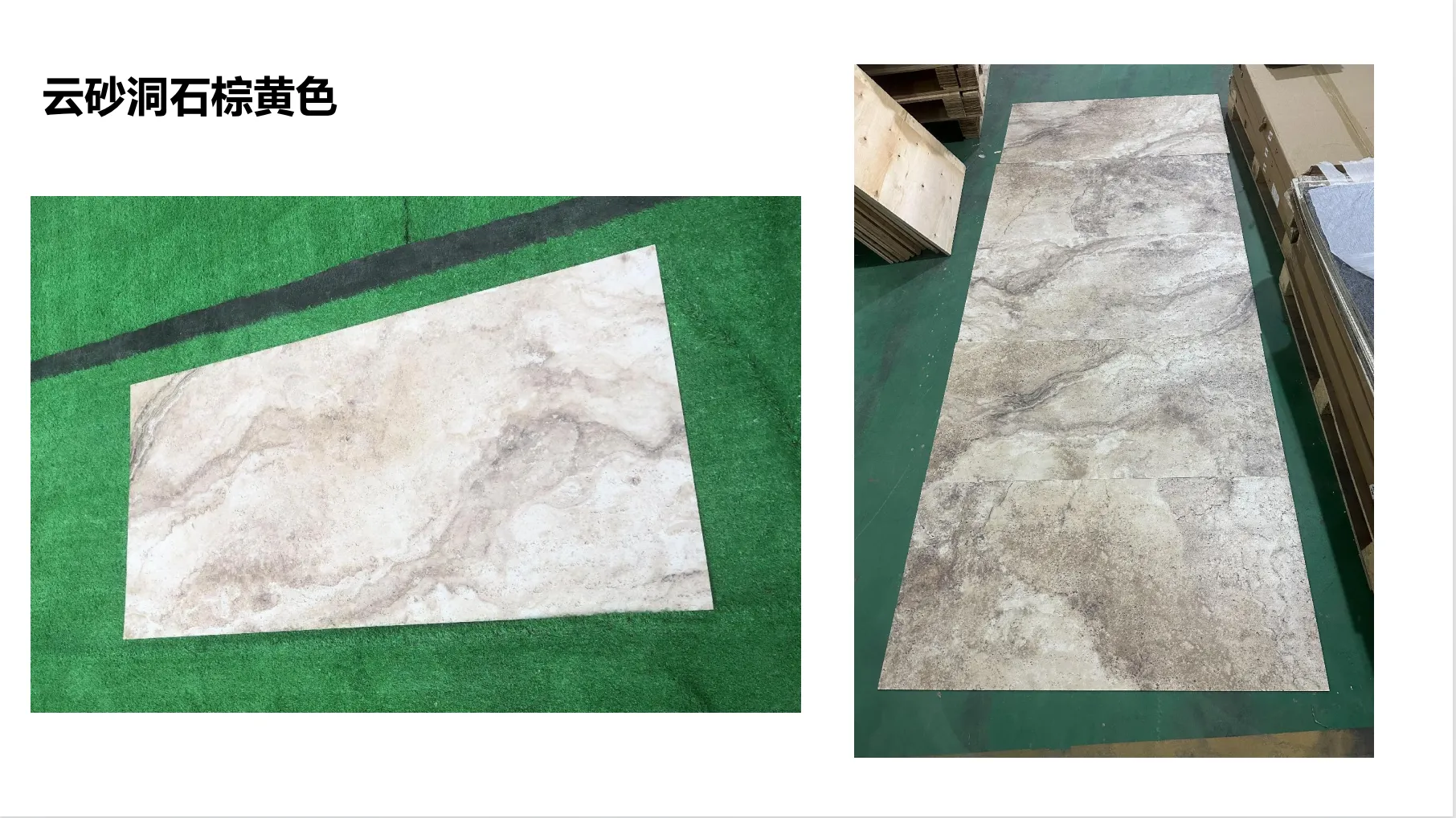
Walk into a healthcare facility, and what's the first thing that strikes you? Is it the crisp white walls that feel more like a lab than a place of healing? Or maybe the cold, glossy floors that echo with every step, making the space feel sterile and unwelcoming? For decades, healthcare design has prioritized function over feeling—prioritizing "clean" over "caring." But today, we know better: the spaces where we heal matter. They shouldn't just be sterile; they should be soothing . They shouldn't just be durable; they should feel human . That's where materials like dolomitic travertine (claybank) come in—a natural stone that bridges the gap between hygiene, durability, and the warm, earthy comfort that helps patients and staff alike breathe a little easier.
Let's start with the basics. Travertine is a type of sedimentary rock, formed over centuries by mineral-rich hot springs depositing layers of calcium carbonate. But dolomitic travertine? It's a variation that swaps some calcium for dolomite, a mineral that gives it a unique set of properties—think enhanced durability and a subtler, more muted palette. And "claybank"? That's the color that makes this stone special: a soft, warm blend of terracotta and sand, like sunlight hitting a quiet country road in autumn. It's not too bold, not too pale—just that perfect earthy hue that feels both grounded and gentle.
Unlike some natural stones that feel cold or brittle, dolomitic travertine (claybank) has a tactile quality that's inviting. Run your hand over it, and you'll notice a slight texture—subtle ridges and valleys that tell the story of its formation—without being rough or hard to clean. It's nature's artwork, but built to last.
In healthcare, "hygiene" isn't just a buzzword—it's a lifeline. Every surface, from floors to walls, can harbor bacteria, viruses, or mold, putting patients (especially those with weakened immune systems) at risk. So when we talk about materials for healthcare spaces, the first question is always: Can it be kept clean?
Dolomitic travertine (claybank) answers that with a resounding "yes." Here's why:
Compare that to, say, rough granite stone (beige)—a beautiful material, but its naturally pitted surface can trap dirt and bacteria if not sealed meticulously. Or even lime stone (beige), which is more porous and prone to etching from acidic cleaners. Dolomitic travertine (claybank) strikes that sweet spot: natural charm with the practicality healthcare demands.
Let's talk about how spaces make us feel. Walk into a room with cold, gray walls and shiny vinyl floors, and your body tenses up—even if you're just there for a checkup. But step into a space with warm, earthy tones and natural textures, and something shifts. Your shoulders relax. Your breath slows. That's not just a coincidence: studies show that natural materials reduce stress hormones like cortisol, which can speed up healing and improve patient outcomes.
Dolomitic travertine (claybank) is a master of this mood magic. Its claybank color—warm, sunlit, and grounded—feels like a hug from nature. It softens harsh hospital lighting, turning stark corridors into pathways that feel more like a stroll through a forest than a trip to the doctor. And its subtle texture adds depth without being distracting. Unlike the flat, lifeless look of some synthetic tiles, this stone has character—veins of lighter and darker clay that create a pattern as unique as a fingerprint, but never overwhelming.
Imagine a pediatric waiting room clad in dolomitic travertine (claybank) walls. The warm color calms anxious kids (and their parents), while the natural texture gives little hands something gentle to trace as they wait. Or a patient room with this stone as flooring: it's quiet underfoot (no echoing footsteps), and the earthy hue makes the space feel less like a "hospital room" and more like a cozy corner of home. Even staff benefit—nurses and doctors working long shifts in spaces filled with natural materials report lower burnout rates. It's simple: when a space feels human, the people in it feel human, too.
Wondering how dolomitic travertine (claybank) holds up against other common healthcare materials? Let's break it down:
| Material | Hygiene (Cleanability/Porosity) | Aesthetics (Warmth/Texture) | Durability |
|---|---|---|---|
| Dolomitic Travertine (Claybank) | Low porosity when sealed; easy to disinfect without staining | Warm claybank hue; subtle, inviting texture | High (resistant to chips/scratches with proper care) |
| Fair-Faced Concrete | Porous; requires frequent sealing to prevent stains | Industrial, cold; lacks warmth | Very high (but prone to cracking over time) |
| Travertine (Beige) | More porous than dolomitic; needs extra sealing | Light, neutral; smooth but less warm than claybank | Moderate (softer than dolomitic variety) |
| Lime Stone (Beige) | Highly porous; stains easily without sealing | Soft, creamy; but less depth than travertine | Low (prone to etching from acids) |
| Rough Granite Stone (Beige) | Pitted texture traps dirt; hard to deep-clean | Rustic, bold; but texture may overwhelm small spaces | Very high (scratch-resistant) |
Dolomitic travertine (claybank) isn't just a one-trick pony—it shines in almost every corner of a healthcare facility. Here are a few spots where it truly stands out:
Today's healthcare facilities aren't just about healing people—they're about healing the planet, too. Dolomitic travertine (claybank) aligns with that mission in a few key ways:
Like any natural stone, dolomitic travertine (claybank) needs a little TLC to stay looking its best. But don't worry—it's nothing complicated:
Healthcare design is about balance: function and feeling, science and soul. Dolomitic travertine (claybank) gets that balance right. It's tough enough to handle the rigors of a busy hospital, clean enough to meet the strictest hygiene standards, and warm enough to make even the most anxious patient feel at ease.
In a world where healthcare spaces are often designed around "what works" instead of "what feels good," this stone is a reminder that we don't have to choose. We can have materials that protect our health and nurture our spirits. And isn't that the point of healing, after all? To feel cared for—from the ground up.
Recommend Products












