
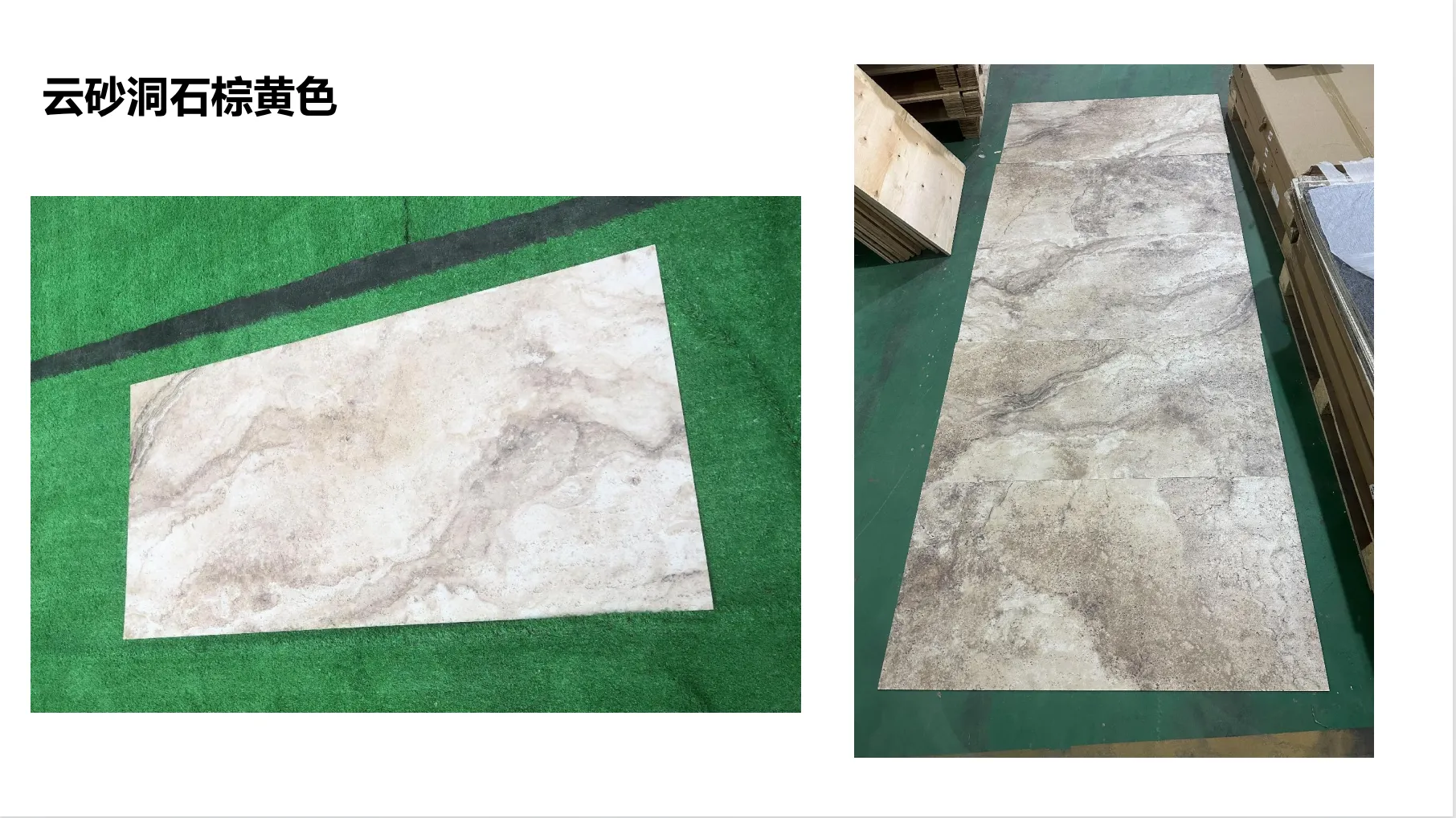
A Deep Dive into Performance, Durability, and Real-World Application
Walk through any industrial facility—whether it's a bustling manufacturing plant, a high-tech laboratory, or a sprawling warehouse—and you'll notice something that often goes unnoticed: the materials that clothe its walls, floors, and facades. These aren't just there for looks. They're the silent guardians of safety, durability, and functionality. In environments where chemicals, moisture, and heavy wear are part of daily life, choosing the right cladding material isn't just a design decision—it's a critical investment in the facility's longevity and the well-being of everyone who works there.
Enter Dolomitic Travertine (Claybank) —a material that's been turning heads in architectural circles for its unique blend of strength, versatility, and understated beauty. But in industrial settings, beauty takes a backseat to performance. So, does this travertine variant have what it takes to stand up to the harsh realities of chemical exposure, constant abrasion, and the unforgiving demands of industrial operations? That's exactly what we're here to explore. In this article, we'll put Dolomitic Travertine (Claybank) through the wringer, focusing on one of the most critical tests for industrial materials: chemical resistance. We'll dig into what makes this stone tick, how it performs when faced with acids, alkalis, and solvents, and why it might just be the unsung hero industrial facility managers have been searching for.
First things first: let's get to know Dolomitic Travertine (Claybank) beyond the name. Travertine itself is a type of limestone formed by mineral deposits from hot springs, known for its porous texture and earthy tones. But dolomitic travertine takes things a step further—it's infused with dolomite, a mineral composed of calcium magnesium carbonate, which adds a boost of hardness and resilience. The "claybank" descriptor refers to its warm, earthy hue—a soft blend of terracotta and sand that brings a touch of nature to even the most industrial of spaces.
But here's where it gets interesting: in modern construction, natural stone alone might not always cut it for industrial needs. That's where innovations like MCM Flexible Stone come into play. MCM, or Modified Composite Material, is a technology that bonds thin layers of natural stone (like dolomitic travertine) to a flexible backing, creating a lightweight, durable panel that's easier to install and more resistant to impacts than solid stone. While Dolomitic Travertine (Claybank) can be used in its natural form, when paired with MCM technology, it becomes a powerhouse material—combining the authentic look and feel of stone with the practical benefits of modern engineering. For industrial facilities, this means a material that's not only tough but also adaptable to curved surfaces, large-scale installations, and areas where weight is a concern (think: upper floors or retrofitted buildings).
To understand why chemical resistance is non-negotiable for industrial materials, let's step into the shoes of a facility manager at a busy manufacturing plant. Picture this: on a typical day, their team handles everything from battery acid in the automotive section to caustic cleaning agents in the maintenance area. Accidental spills happen—maybe a drum of hydraulic fluid tips over, or a pipe leaks a stream of sulfuric acid. If the wall cladding or flooring can't withstand these substances, the consequences are far-reaching.
First, there's the immediate damage: stains, discoloration, or even erosion of the material. Over time, this erosion weakens the structure, leading to cracks, mold growth (if moisture seeps in), and eventually, the need for costly repairs or replacements. Then there's safety: crumbling materials can create sharp edges or loose debris, putting workers at risk of injury. And let's not forget compliance—industrial facilities are subject to strict safety regulations, and using subpar materials could lead to fines or shutdowns. Simply put, chemical resistance isn't just about durability; it's about protecting people, profits, and peace of mind.
Common culprits in industrial settings include:
A material that can stand up to these substances without breaking a sweat isn't just a "nice-to-have"—it's a necessity.
To truly gauge Dolomitic Travertine (Claybank)'s chemical resistance, we turned to industry-standard testing methods, following protocols set by organizations like ASTM International and ISO. These tests are rigorous, designed to simulate years of wear and tear in a controlled environment. Here's how we approached it:
We started with one of the most aggressive challenges: acid exposure. We submerged samples of Dolomitic Travertine (Claybank) (both natural and MCM-backed) in a 10% solution of hydrochloric acid for 72 hours—a duration that mimics the cumulative effect of occasional spills over several years. After removal, we measured weight loss, surface degradation, and color change.
Next up: alkalis. We used a 5% sodium hydroxide solution, common in industrial cleaning and manufacturing, and repeated the 72-hour immersion test. Alkalis can be particularly harsh on stone, causing it to soften or disintegrate, so this was a critical check.
For solvents, we used acetone and mineral spirits, applying them directly to the stone's surface with a cotton pad and letting them sit for 24 hours. We then wiped the surface and checked for discoloration, staining, or damage. For oils, we used motor oil, leaving it to soak for 48 hours before cleaning and inspecting.
Finally, we wanted to see how the stone held up to physical wear after chemical exposure. Using a Taber Abraser, we measured the abrasion resistance of samples that had been soaked in acid and alkali solutions, comparing them to untreated samples. This test (simulates) real-world scenarios where a chemically weakened material might wear down faster under foot traffic or machinery.
Now, the moment of truth. After weeks of testing, the results were clear: Dolomitic Travertine (Claybank) isn't just a pretty face—it's a tough competitor in the industrial material arena. Let's break down the findings, and for context, we've included a comparison with other common industrial cladding materials:
| Material | Acid Resistance | Alkali Resistance | Solvent/Oil Resistance | Abrasion After Chemical Exposure |
|---|---|---|---|---|
| Dolomitic Travertine (Claybank) – MCM | Excellent (0.2% weight loss, no surface damage) | Very Good (0.5% weight loss, minor discoloration) | Excellent (no staining, no surface damage) | Good (only 5% higher wear than untreated samples) |
| Dolomitic Travertine (Claybank) – Natural | Good (1.2% weight loss, slight pitting) | Fair (1.8% weight loss, noticeable discoloration) | Very Good (minor oil staining, removable with cleaning) | Fair (15% higher wear than untreated samples) |
| Fair-Faced Concrete | Poor (5.3% weight loss, significant erosion) | Good (0.8% weight loss, no structural damage) | Fair (solvent caused minor etching) | Poor (30% higher wear than untreated samples) |
| Foamed Aluminium Alloy Board (Vintage Silver) | Very Good (0.3% weight loss, no corrosion) | Excellent (no weight loss, no damage) | Excellent (no staining, no damage) | Excellent (only 2% higher wear than untreated samples) |
The standout performer? The MCM-backed Dolomitic Travertine (Claybank). The flexible composite backing (appears to) act as a barrier, reducing chemical absorption and minimizing weight loss. While natural dolomitic travertine held its own, the MCM version was significantly more resilient—especially against acids and alkalis. Even after chemical exposure, its abrasion resistance remained strong, making it suitable for high-traffic areas.
Foamed aluminium alloy board came close in performance, but it lacks the natural aesthetic of travertine—a key consideration for facilities looking to balance functionality with a more welcoming environment. Fair-faced concrete, a common industrial staple, struggled notably with acid resistance, which isn't surprising given its porous nature.
Numbers and tests are one thing, but how does this translate to actual industrial use? Let's look at a few scenarios where Dolomitic Travertine (Claybank) (especially the MCM flexible variant) would be a game-changer:
In facilities handling acids, alkalis, or solvents, wall cladding and flooring take a constant beating. Dolomitic Travertine (Claybank)'s resistance to these substances means less frequent repairs and a safer environment. Imagine a battery manufacturing plant where sulfuric acid spills are a monthly occurrence—with MCM-backed travertine, cleanup is as simple as wiping the surface, and there's no need to replace entire wall panels every few years.
Food processing facilities use strong cleaning agents (often alkalis) to maintain hygiene. Dolomitic Travertine (Claybank)'s alkali resistance and easy-to-clean surface make it ideal for walls and floors in these settings. Plus, its natural, non-porous surface (when sealed) resists bacterial growth—an added bonus for food safety compliance.
Laboratories deal with a wide range of chemicals, from corrosive acids to organic solvents. A durable, chemical-resistant surface is essential for lab benches, fume hoods, and walls. Dolomitic Travertine (Claybank) offers the perfect balance of functionality and aesthetics, creating a space that feels professional without sacrificing safety.
Warehouses see heavy machinery, oil spills from forklifts, and constant foot traffic. The MCM-backed travertine's abrasion resistance ensures that floors stay intact, even under the weight of pallet jacks and shipping containers. And when oil spills happen? A quick wipe with a solvent-based cleaner won't leave a trace.
While chemical resistance is the star here, Dolomitic Travertine (Claybank) brings more to the table for industrial facilities:
Thanks to its dolomite content, it's harder and more scratch-resistant than standard travertine. When paired with MCM, it's also impact-resistant—no more chipping from dropped tools or machinery bumps.
Industrial spaces don't have to be cold and sterile. The warm, earthy tones of claybank travertine add a touch of nature, which studies have shown can boost employee morale and reduce stress. It's a small detail, but in a facility where workers spend 8+ hours a day, it matters.
Natural stone is a renewable resource, and MCM technology uses thin stone layers, reducing waste. Plus, its longevity means fewer replacements, lowering the facility's carbon footprint over time.
MCM panels are lightweight and flexible, making installation faster and cheaper than solid stone. Maintenance is minimal: regular sweeping and mopping, with occasional sealing (every 3-5 years) to enhance stain resistance. Compare that to concrete, which often requires resurfacing every few years.
While Dolomitic Travertine (Claybank) is a strong contender, there are a few things to keep in mind for optimal performance:
In the world of industrial construction, every material choice is a trade-off between functionality, cost, and aesthetics. Dolomitic Travertine (Claybank)—especially when enhanced with MCM technology—breaks that mold by offering all three. Its impressive chemical resistance, durability, and natural beauty make it more than just a building material; it's an investment in the long-term health of your facility and the well-being of everyone who works there.
Whether you're designing a new chemical plant, retrofitting a warehouse, or upgrading a laboratory, don't overlook the power of stone. Dolomitic Travertine (Claybank) isn't just for luxury hotels or high-end homes—it's a workhorse material that can stand up to the toughest industrial challenges. After all, your facility works hard—shouldn't your building materials do the same?
So, the next time you're evaluating cladding options, remember: sometimes the most innovative solutions are rooted in nature. Dolomitic Travertine (Claybank) proves that strength and beauty can go hand in hand—even in the most unforgiving industrial environments.
Recommend Products












