
There's something magical about an outdoor patio. It's not just a slab of stone or concrete—it's where you sip your morning coffee while the world wakes up, where your kids chase fireflies after dinner, and where you host backyard barbecues that stretch into starry nights. But here's the thing: not all patio materials are built to keep up with those moments. Too often, we fall for something that looks stunning in a catalog only to watch it fade, crack, or stain after a single season. That's why today, let's talk about a material that's equal parts beauty and backbone: dolomitic travertine in that warm, earthy claybank hue. It's the kind of stone that doesn't just sit there—it becomes part of your home's story.
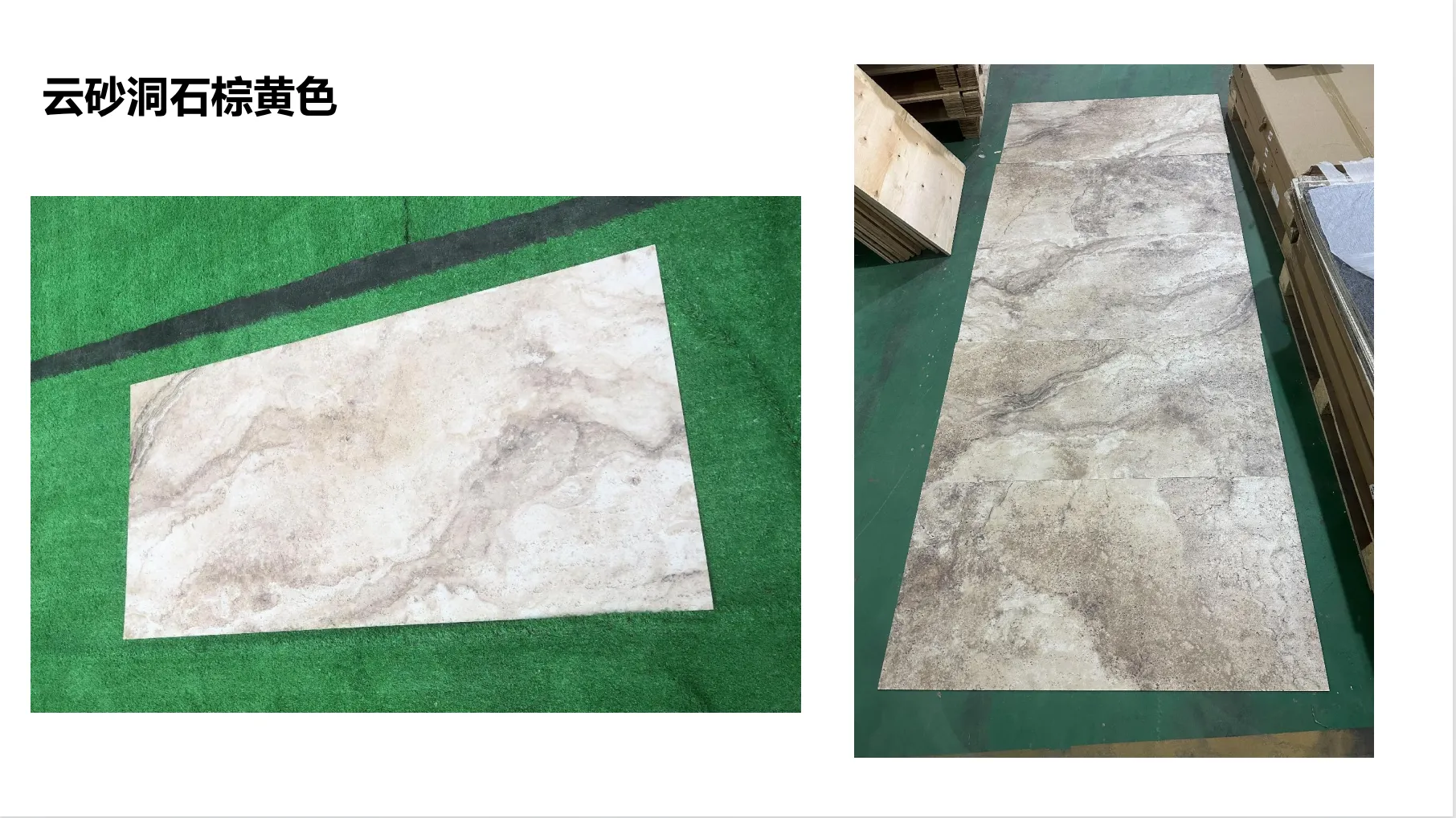
First off, let's break down the name. Travertine itself is a type of limestone formed by mineral-rich hot springs, known for its unique pitted texture and soft, organic look. Dolomitic travertine takes it up a notch by blending in dolomite—a mineral that adds extra density and durability. And "claybank"? That's the color that makes this stone so special: a warm, sunbaked shade that sits somewhere between terracotta and sand, with subtle undertones of honey and taupe. Think of it as the color of a desert at dawn, or the hull of a well-loved wooden boat—rich, lived-in, and impossible to ignore.
Now, here's where it gets interesting: the dolomitic travertine we're talking about today isn't just the heavy, quarry-mined stuff. Thanks to innovations in flexible stone technology, modern versions are lighter, more adaptable, and easier to install than traditional natural stone. Imagine a material that has all the charm of aged travertine but can bend slightly to fit curved surfaces, or be cut into custom shapes without cracking. That's the magic of flexible stone—it marries the best of nature with the practicality of modern engineering, making it perfect for patios that need to be both beautiful and bulletproof.
Let's get real: outdoor spaces take a beating. Your patio has to stand up to summer downpours, winter freezes, and the relentless UV rays that fade lesser materials. Add in kids tracking mud, dogs scratching at the door, and the occasional dropped grill tool, and you've got a recipe for wear and tear. So why does dolomitic travertine (claybank) hold its own where others fail?
Start with water resistance. Unlike porous stones that soak up rain and crack when temperatures drop, dolomitic travertine's dense composition and MCM (Modified Composite Material) base repel moisture. I've seen patios in rainy climates where this stone has stayed intact for years, while the neighbor's concrete slabs developed spiderweb cracks after one harsh winter. And when the sun beats down? That claybank color doesn't fade to a washed-out gray—it deepens, like a good leather jacket, gaining character over time.
Stains? They're practically a non-issue. Spilled red wine during book club? Wipe it up with a damp cloth. Grease splatters from the grill? A little soap and water, and it's like nothing happened. Even acidic spills—think lemonade or tomato sauce—don't etch the surface the way they do on marble or fair-faced concrete. That's a game-changer for anyone who actually uses their patio, not just admires it from afar.
And let's talk about foot traffic. I once visited a café with a dolomitic travertine patio that's been hosting morning rush hours and evening gatherings for over five years. You'd think it would look worn, but the surface still has that subtle matte texture, with no visible scratches or dents. Compare that to wood grain board, which can splinter or warp after a few seasons, or rough granite stone that chips if you drop a heavy planter. This stone doesn't just survive life—it thrives on it.
Durability is great, but let's not forget the fun part: design. Dolomitic travertine (claybank) isn't just tough—it's a blank canvas for creativity. That warm claybank color plays well with almost any style, from rustic farmhouse to modern minimalist, and its natural texture adds depth without overwhelming the space. Here are a few ideas to spark your imagination:
Mix Textures for Rustic Charm : Pair the travertine with wood grain board accents—think a built-in bench or planter boxes. The contrast between the stone's earthy texture and the wood's smooth grain creates a cozy, cabin-like vibe that's perfect for morning coffee or evening bonfires. I saw a patio once where they laid the travertine in a herringbone pattern and bordered it with thin strips of weathered wood grain board; it looked like something out of a home magazine, but felt totally lived-in.
Contrast with Cool Tones : That claybank hue pops against cooler materials, like rough granite stone in charcoal or slate. Try a checkerboard pattern, alternating travertine tiles with small squares of rough granite, for a look that's both classic and unexpected. Or use the granite as a border, framing the travertine like a picture. It's a trick designers use to make the space feel larger—your eye moves between the warm and cool, creating visual interest.
Play with Patterns : Don't stick to basic grid layouts. Lay the travertine in a stacked bond (like bricks) for a clean, modern look, or go bold with a diagonal herringbone for drama. For a more organic feel, mix tile sizes—large 24x24 inch slabs for the main area, and smaller 6x6 inch pieces for a mosaic-style border. I even saw one homeowner who embedded small river rocks into the travertine joints, adding a touch of whimsy that their kids loved hunting for.
Light It Up : The travertine's natural pitting and texture come alive at night. Install low-profile LED lights along the edges of the patio, or place solar-powered lanterns on side tables, and watch how the light dances across the surface. It turns an ordinary evening into something magical—like dining under the stars on a surface that glows softly, like it's holding the day's warmth.
Still on the fence? Let's see how dolomitic travertine (claybank) measures up against other popular patio materials. This table breaks down the key factors—durability, aesthetics, and maintenance—to help you decide:
| Material | Durability | Aesthetic Appeal | Maintenance | Best For |
|---|---|---|---|---|
| Dolomitic Travertine (Claybank) | High: Resists moisture, UV rays, and stains; flexible stone base prevents cracking. | Warm, earthy claybank color with natural texture; ages gracefully. | Low: Sweep regularly; occasional soap-and-water cleaning. | Any outdoor space—from small urban patios to large backyard retreats. |
| Fair-Faced Concrete | Medium: Prone to cracking in freeze-thaw climates; stains easily. | Modern, industrial look; limited color options (usually gray or beige). | High: Requires sealing every 1-2 years; hard to repair cracks. | Minimalist, budget-friendly spaces where appearance takes a backseat to function. |
| Rough Granite Stone | High: Extremely hard; resists scratches and weathering. | Bold, dramatic texture; dark colors (black, gray) can feel heavy. | Medium: Needs sealing; heavy, hard to install. | High-traffic areas (like pool decks) where durability is the top priority. |
| Wood Grain Board | Low: Warps, rots, and fades; requires frequent replacement. | Warm, inviting; classic rustic charm. | Very High: Stain/seal every 6 months; sanding to remove splinters. | Temporary or decorative accents (not recommended as a main patio surface). |
Let's not overlook the practical side: installing dolomitic travertine (claybank) is a breeze compared to traditional stone. Thanks to its flexible stone composition, it's lighter than natural travertine, so it doesn't require reinforced subfloors or heavy machinery. Contractors love it because it cuts easily with standard tools, fits into tight spaces, and can even be applied over existing concrete—saving time and money on demo. I talked to a builder friend who said he installed a 200-square-foot patio with this stone in a single day, start to finish. "It's like working with giant, beautiful puzzle pieces," he said. "No lifting with a crane, no stress about breaking tiles. Just measure, cut, and stick."
And once it's down? It stays down. Unlike wood that shifts or concrete that heaves, this stone's MCM base adheres tightly to the substrate, even in areas with temperature fluctuations. That means no tripping hazards from loose tiles, no weeds growing through cracks, and no need to re-level the patio every few years. It's the kind of low-maintenance material that lets you focus on enjoying your space, not fixing it.
Still need convincing? Let's hear from people who've actually lived with dolomitic travertine (claybank) patios. Take Sarah, a homeowner in Colorado with four kids and a golden retriever. "We wanted something that could handle mud, snow, and the occasional skateboard accident," she told me. "Three years later, the patio still looks like new. The claybank color hides the dirt (which is a lifesaver with kids!), and when the sun hits it in the afternoon, the whole backyard glows. It's become our favorite spot—we eat out there almost every night in summer."
Then there's Mike, a restaurant owner in Arizona who wanted an outdoor dining area that felt upscale but casual. "We chose dolomitic travertine because it matches the adobe-style architecture of our building, but we were worried about the heat," he said. "Turns out, the stone stays surprisingly cool underfoot, even in 100-degree weather. Our customers love sitting outside now—they say it feels like dining in a Mediterranean villa, not a desert city."
The best part? Maintaining a dolomitic travertine (claybank) patio is easy. Here's what you need to do to keep it looking great for decades:
• Sweep regularly : Dirt and debris can scratch the surface over time, so a quick sweep with a soft-bristle broom once a week is all it takes.
• Clean spills immediately : Most spills wipe up with water, but for tougher stains, mix a little mild dish soap with warm water and scrub gently with a soft sponge. Avoid harsh chemicals like bleach—they can dull the color.
• Seal every 3-5 years : While the stone is naturally resistant to stains, a penetrating sealer will add an extra layer of protection, especially in high-traffic areas. Look for a sealer designed for travertine or MCM products—your local hardware store can help you pick the right one.
• Protect from heavy furniture : Use felt pads under chair and table legs to prevent scratches. If you're moving large planters, lift them instead of dragging.
At the end of the day, choosing a patio material isn't just about aesthetics or durability. It's about choosing something that will grow with you—something that will be there for the first steps of a toddler, the graduation parties, and the quiet mornings when you sit with a cup of tea and watch the world go by. Dolomitic travertine (claybank) isn't just a stone; it's a partner in creating those moments. Its warm color, natural texture, and unbeatable durability make it the kind of material that turns a patio into a legacy—a space that tells your family's story, one sunlit day at a time.
So if you're ready to stop settling for materials that fade, crack, or just plain bore you, give dolomitic travertine (claybank) a closer look. It might just be the best decision you ever make for your outdoor space—and your memories.
Recommend Products












