
Sports facilities are more than just buildings with courts and fields. They're spaces where athletes chase personal bests, kids learn teamwork, and communities come together to cheer. Every detail, from the lighting to the flooring, shapes these moments. But if there's one element that often flies under the radar yet holds everything together, it's the material beneath our feet. Imagine a sprinter exploding off the starting blocks – the surface they push against needs to be tough enough to handle the force, yet gentle enough to protect their joints. A gymnasium floor where basketball players pivot and slide? It must grip without tripping, absorb shock without feeling unstable. That's where choosing the right material becomes critical – not just for longevity, but for the safety and performance of everyone who steps into that space. Today, we're diving into a material that's been turning heads in the world of sports architecture: Dolomitic Travertine (Claybank). Let's explore why it's becoming a go-to choice for facilities that refuse to compromise on durability, safety, or style.
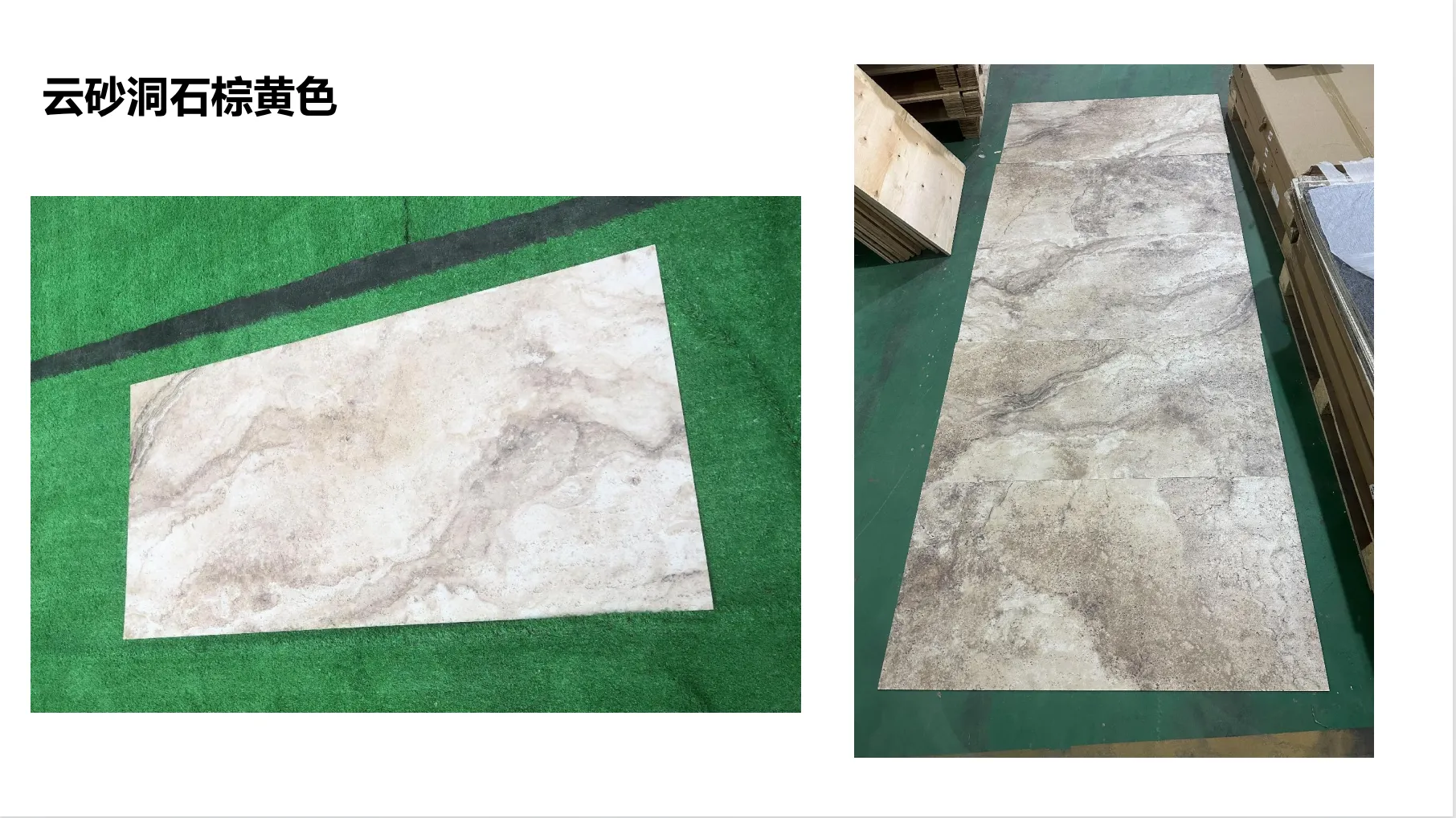
First things first – what exactly is Dolomitic Travertine (Claybank)? Let's break it down. Travertine itself is a form of limestone, formed by mineral-rich water flowing through geological deposits over thousands of years. What makes the "dolomitic" variety unique is its high magnesium content, which adds an extra layer of hardness and resilience. The "Claybank" descriptor refers to its warm, earthy hue – think soft terracotta with subtle hints of cream and taupe, like sunlight hitting a desert landscape at dawn. It's not just a color, though; that clay-like undertone comes from natural mineral deposits, giving each slab a one-of-a-kind pattern of veins and textures. Unlike generic concrete or synthetic tiles, Dolomitic Travertine (Claybank) carries the story of the earth in its grains – a connection to nature that feels grounding, even in the most high-energy sports environments.
Sports facilities don't have to be cold or industrial. In fact, the best ones feel inviting, like an extension of the community they serve. Dolomitic Travertine (Claybank) brings warmth to these spaces in a way few materials can. Its natural color palette complements both modern designs – think sleek glass and steel stadiums – and traditional settings, like neighborhood recreation centers with wooden beams. The subtle variations in texture mean no two surfaces are identical, adding visual interest without overwhelming the eye. Imagine a tennis court surrounded by greenery, with Claybank-colored pathways winding through it – it blends seamlessly, as if the facility grew out of the landscape rather than being built on it. For indoor spaces, that earthy tone softens harsh lighting, making gyms feel less like sterile training grounds and more like places where athletes can relax, focus, and perform their best.
Let's talk toughness. A sports facility floor takes a beating – daily. From the rubber soles of running shoes scuffing across it to heavy weightlifting equipment being dragged into place, the material needs to stand up to constant friction without showing signs of wear. Dolomitic Travertine (Claybank) excels here. Thanks to its dense, crystalline structure (a result of that dolomite content), it resists abrasion better than many common alternatives. Think about a high-school gym that hosts basketball practice, dance classes, and assemblies all in one week. With Claybank Travertine, the surface stays smooth and intact, avoiding the pitting or chipping that can create trip hazards. Even in outdoor settings, like track and field facilities, where spikes dig into the ground during sprints, this stone holds its own. Facility managers often report that after years of use, the only "damage" is a gentle patina that actually enhances its character – a far cry from synthetic surfaces that fade or crack under the same stress.
Outdoor sports facilities face a different kind of challenge: the elements. Rain, snow, extreme heat, freezing temperatures – they all test a material's mettle. Dolomitic Travertine (Claybank) is like the seasoned athlete of building materials, adapting to whatever Mother Nature throws its way. Its low porosity means it doesn't absorb water easily, so even during heavy rain, puddles don't seep in and cause cracks when temperatures drop. In hot climates, it reflects sunlight rather than absorbing it, staying cooler underfoot than dark-colored concrete – a big plus for athletes training in the summer. And unlike wood, which warps with humidity, or asphalt, which softens in the heat, Claybank Travertine maintains its shape and integrity year-round. One community in the Pacific Northwest, known for its rainy winters, installed Claybank Travertine on their outdoor tennis courts five years ago. Today, the surfaces still look new, with no signs of water damage or mold growth – a testament to its weatherproof nature.
Athlete safety isn't just about slip resistance – it's about how the surface handles impact. When a volleyball player dives for a ball or a gymnast lands a vault, their body sends a shockwave into the ground. A brittle material might crack, but a flexible one could feel unstable. Dolomitic Travertine (Claybank) strikes the perfect balance. Its natural composition allows it to absorb and disperse impact energy, reducing the stress on joints and muscles. Think of it like a well-cushioned mattress – firm enough to support, but with enough give to protect. This is especially important for younger athletes whose bodies are still developing, or for older adults using facilities for low-impact exercise. Coaches at a local youth soccer academy noted a decrease in ankle and knee injuries after switching their training area to Claybank Travertine, attributing it to the stone's ability to "give a little" without compromising stability. It's durability with a human touch – tough when it needs to be, gentle when it counts.
Slips and falls are among the most common sports injuries, and they're often preventable with the right flooring. Dolomitic Travertine (Claybank) addresses this head-on with its naturally textured surface. Unlike polished marble, which can be slippery when wet, Claybank Travertine has a slightly rough finish that provides excellent traction. Even when damp – say, after a rainstorm on an outdoor basketball court or a spilled water bottle in a gym – the stone's micro-grooves grip shoes, reducing the risk of slides. Facility managers love it for poolside areas, too, where water is unavoidable. One aquatic center in Arizona replaced their old concrete deck with Claybank Travertine and saw a 60% drop in slip-related incidents. For athletes making quick cuts or sudden stops – like a soccer player changing direction to chase a ball – that extra grip can mean the difference between a game-saving play and a painful fall.
We've touched on impact toughness, but let's dive deeper into how Dolomitic Travertine (Claybank) protects athletes from overuse injuries. Every time a runner's foot strikes the ground, the force is equal to 2-3 times their body weight. Over time, that repetitive stress can lead to shin splints, stress fractures, or joint pain. Claybank Travertine's natural density and slight flexibility help absorb some of that shock, acting as a buffer between the athlete and the hard ground. It's not as soft as a synthetic track, but it's far more forgiving than concrete or asphalt. Physical therapists often recommend training surfaces with moderate shock absorption for athletes recovering from injuries, and many facilities are now choosing Claybank Travertine for their rehabilitation areas. It's a small detail, but one that adds up to healthier, happier athletes who can train longer and perform better.
A safe sports surface is a clean sports surface. Dirt, debris, and algae can all create hazards, but keeping a facility spotless shouldn't require constant upkeep. Dolomitic Travertine (Claybank) is a low-maintenance champion in this regard. Its smooth, non-porous surface (when properly sealed) resists stains, so spilled sports drinks or mud from cleats wipe away easily with a hose or mild detergent. Unlike wood, which needs regular sanding and refinishing, or carpet, which traps allergens, Claybank Travertine just needs an occasional deep clean to stay in top shape. For busy facilities with back-to-back events, this is a game-changer. Janitors can focus on sanitizing high-touch areas instead of spending hours scrubbing floors, and athletes can trust that the surface is free of gunk that could cause slips or infections. It's safety through simplicity – a material that works as hard as the people using it, without the fuss.
To truly understand why Dolomitic Travertine (Claybank) is making waves, let's pit it against two popular alternatives: Fair-Faced Concrete and MCM Flexible Stone. Each has its strengths, but when it comes to sports facilities, the devil is in the details.
| Material | Durability (1-10) | Key Safety Features | Aesthetic Versatility | Maintenance Needs | Sustainability |
|---|---|---|---|---|---|
| Dolomitic Travertine (Claybank) | 9 | High slip resistance, natural shock absorption, non-porous surface | Warm, earthy tones; unique veining; indoor/outdoor adaptability | Low: occasional sealing and cleaning | High: natural stone, long lifespan, minimal waste |
| Fair-Faced Concrete | 8 | Hard, stable surface; customizable texture for slip resistance | Industrial, minimalist look; limited color options | Moderate: prone to staining, may require resurfacing over time | Moderate: energy-intensive production, but recyclable |
| MCM Flexible Stone | 7 | Lightweight, impact-resistant; good for curved surfaces | Wide range of colors/patterns; mimics natural stone | Moderate: can scratch easily; requires careful cleaning | Moderate: synthetic components, but durable |
Take the Rivertown Community Sports Center, a bustling hub in a mid-sized city. Five years ago, they were struggling with their outdoor basketball and tennis courts – the old asphalt was cracked, slippery when wet, and fading fast. After researching options, they chose Dolomitic Travertine (Claybank) for the new surfaces. Today, Director Maria Gonzalez raves about the results: "We host tournaments every weekend, and the courts still look brand new. Kids love playing on them because they're not too hot in the summer, and parents appreciate how safe they feel. We've even had other centers asking for our supplier info!" The center now uses Claybank Travertine for their walking paths and playground surrounds, too – proof that its versatility extends beyond sports courts.
It's not just community centers, either. The Apex Training Institute, which works with Olympic hopefuls in track and field, recently renovated their outdoor sprinting track with Dolomitic Travertine (Claybank). Coach James Carter explains the decision: "Our athletes need surfaces that mimic real competition conditions but protect their bodies during intense training. Claybank Travertine gives us the best of both worlds – it's tough enough for sprint drills but gentle on their joints. Plus, the natural color keeps the track cool, even in the Florida sun, so we can train safely year-round." Since the renovation, the institute has seen a decrease in minor injuries and an increase in athletes hitting personal bests – a win-win.
In an era where sustainability is top of mind, Dolomitic Travertine (Claybank) checks the boxes for environmentally conscious facilities. As a natural stone, it's sourced from quarries with strict environmental regulations, minimizing habitat disruption. Unlike synthetic materials, which rely on fossil fuels for production, Claybank Travertine requires minimal processing – just cutting and polishing, which uses far less energy. Many suppliers also offer reclaimed or recycled options, repurposing stone from old buildings to reduce waste. For facilities aiming for LEED certification or green building awards, this is a significant advantage. Even better, its natural composition means it doesn't off-gas harmful chemicals, improving indoor air quality for athletes and staff.
Sustainability isn't just about what a material is made of – it's about how long it lasts. A surface that needs to be replaced every 5-10 years creates more waste and uses more resources in the long run. Dolomitic Travertine (Claybank) has a lifespan of 50+ years with proper care, outlasting synthetic materials by decades. That means fewer truckloads of old flooring ending up in landfills and fewer raw materials needed for replacements. It's a "buy once, buy well" approach that aligns with the circular economy model. Facilities that choose Claybank Travertine aren't just investing in their athletes – they're investing in a healthier planet, too.
Dolomitic Travertine (Claybank) isn't just a building material – it's a partner in creating spaces where athletes thrive, communities connect, and memories are made. Its durability ensures facilities stand the test of time, while its safety features protect the people who use them daily. Its warm, natural beauty transforms sterile gyms and courts into inviting environments that inspire performance. And its sustainability credentials make it a choice we can feel good about, today and for future generations.
Whether you're designing a neighborhood park, a professional stadium, or a school gym, the surface beneath your feet matters. It's the foundation of every jump, sprint, and cheer. Dolomitic Travertine (Claybank) rises to that challenge, blending strength, safety, and soul in a way few materials can. So the next time you step into a sports facility, take a moment to look down – if it's Claybank Travertine, you're standing on something special: a stone built for the game, and the people who love it.
Recommend Products












