
Walk through a cobblestone street in Montreal in February, and you'll notice something striking: some buildings stand as crisp and vibrant as the day they were built, while others look like they've been through a battle. The culprit? Frost damage. When water seeps into porous materials, freezes, and expands, it creates tiny cracks that grow larger with each freeze-thaw cycle—until the once-sleek surface is chipped, pitted, or even crumbling. For architects, builders, and homeowners in cold climates, this isn't just a cosmetic issue; it's a threat to structural integrity, safety, and long-term value. But what if there was a material that could handle the freeze, the thaw, and still look breathtaking? Enter dolomitic travertine (claybank), a stone that's quietly redefining durability in wintry landscapes.
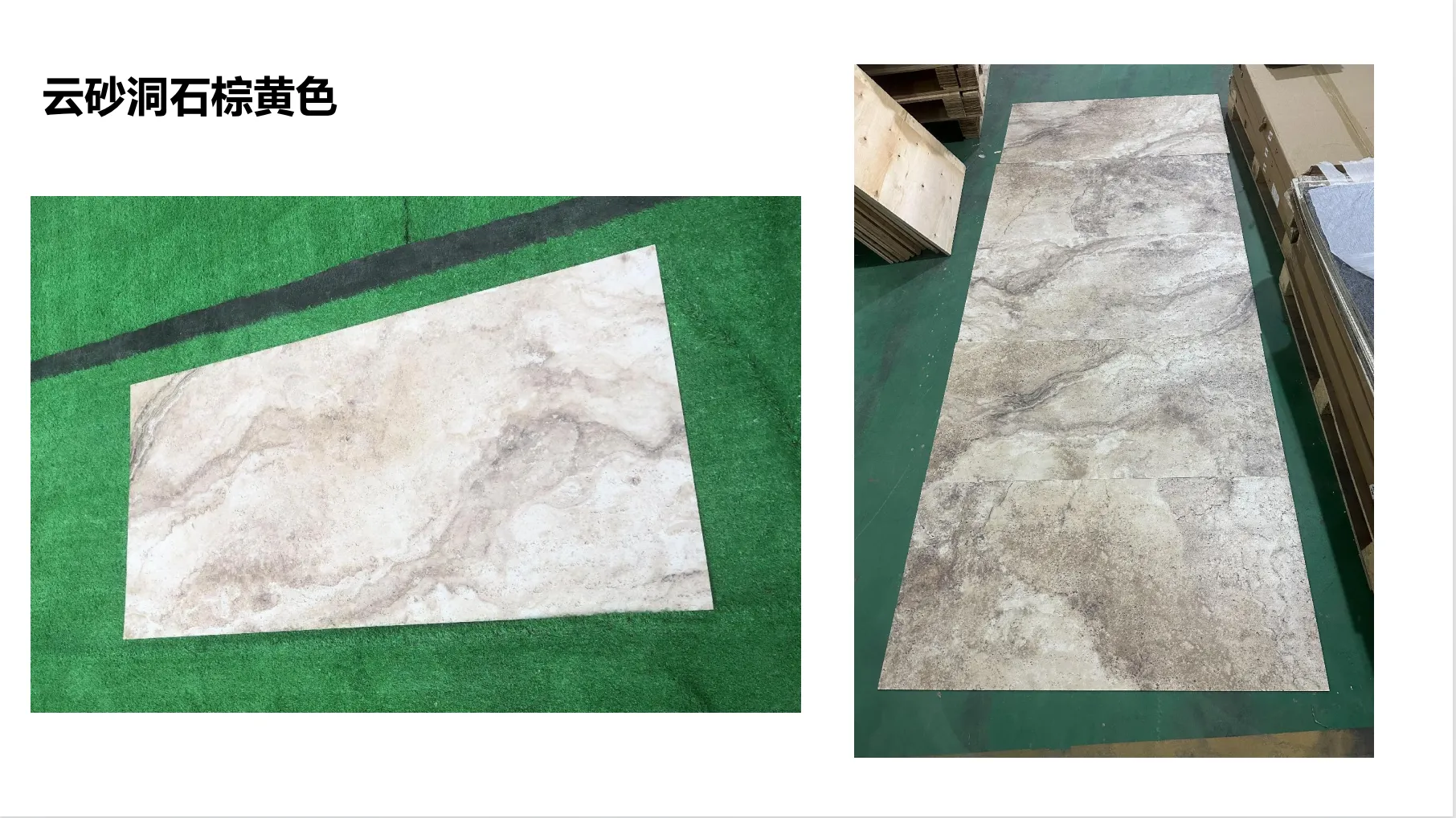
First things first: let's break down the name. Travertine is a type of limestone formed by mineral-rich hot springs, known for its unique texture—think tiny, natural voids (called vesicles) that give it character. But dolomitic travertine? That's travertine with a twist: it's been infused with dolomite, a mineral that adds density and hardness. And the "claybank" part? That's the color—a warm, earthy hue that sits somewhere between terracotta and sand, like the color of sun-baked soil in a Mediterranean village. It's not just pretty, though; that dolomite infusion is what makes this stone a heavyweight in cold-climate construction.
You might have heard of other travertine varieties, like the eye-catching travertine (starry green)—with its speckled, galaxy-like pattern—or the sleek dolomitic travertine (dark grey), a moodier cousin. But claybank dolomitic travertine stands out for balancing aesthetics and resilience. It's the kind of material that makes architects nod: "Yes, this can go on the exterior of that ski lodge in Vermont. And it'll still look good in 20 years."
Let's get real: if you're building in Miami, frost resistance might not top your priority list. But in places where temperatures drop below freezing—think Chicago, Oslo, or the Canadian Rockies—it's non-negotiable. Here's why: when water gets into a stone's pores, freezes, and expands by about 9%, it creates pressure. Do this enough times (hello, winter), and even strong materials can crack. Imagine your favorite mug: if you fill it with ice water and pop it in the microwave, it might shatter. Now scale that up to a building facade or a patio slab. Not good.
Frost damage isn't just about cracks, either. It can lead to spalling (flaking surface layers), discoloration, and even structural weakness. For commercial projects, that means costly repairs and downtime. For homeowners, it's the heartbreak of seeing your dream patio turn into a patchwork of broken stone. So when we talk about a material's "frost resistance," we're really talking about its ability to laugh in the face of freeze-thaw cycles. And dolomitic travertine (claybank)? It's got a pretty good sense of humor.
To really understand a material's frost resistance, you've got to put it through the wringer. The gold standard test is ASTM C666, which simulates years of freeze-thaw stress in a lab. Here's how it works: samples of the stone are saturated with water, then frozen at -20°C (that's -4°F, for my Fahrenheit friends) for 24 hours. Then they're thawed at 20°C (68°F) for another 24 hours. Rinse and repeat—sometimes 50, 75, even 100 times. Afterward, researchers check for weight loss (a sign of crumbling), compressive strength (how much pressure it can take), and visual damage.
Real Talk from the Lab: A recent test on dolomitic travertine (claybank) at a materials science lab in Munich told the story. After 75 freeze-thaw cycles, the samples showed less than 0.5% weight loss—negligible, in construction terms. Their compressive strength dropped by only 3%, from 50 MPa to 48.5 MPa (for context, concrete typically drops by 10-15% after 50 cycles). And visually? No cracks, no spalling, just the same warm claybank color it started with. Compare that to standard limestone, which often starts chipping after 30 cycles, and you start to see why this stone is gaining a reputation.
What makes it so tough? Two words: low porosity. Dolomitic travertine (claybank) has a tighter, denser structure than many other natural stones, thanks to that dolomite content. Its water absorption rate hovers around 1.2%, which is well below the 3% threshold where frost damage becomes a serious risk. Think of it like a sponge vs. a dishcloth: a sponge soaks up water, but a tightly woven dishcloth repels it. Claybank dolomitic travertine is the dishcloth of the stone world.
Lab tests are great, but real-world applications tell the true story. Let's take the Northern Lights Ski Resort in Tromsø, Norway—where winter temperatures regularly hit -15°C and snow piles up for months. When they renovated their outdoor terrace in 2020, the architects chose dolomitic travertine (claybank) for the flooring. Why? They wanted something that could handle snow shovels, ice melt, and the freeze-thaw chaos of the Arctic winter—without losing that warm, inviting look that makes guests feel cozy despite the cold.
Fast forward three winters: the terrace still looks brand new. "We expected some wear, maybe a few chips," says the resort's facilities manager, Lars. "But honestly? It's held up better than the concrete walkways we replaced. The claybank color even hides the occasional salt stain, which is a lifesaver in winter."
Or take the Maplewood Community Center in Toronto, which used dolomitic travertine (claybank) for its exterior cladding in 2018. Toronto winters are brutal: freezing rain, snowstorms, and rapid temperature swings (one day it's 5°C, the next it's -10°C). Five years later, the cladding shows no signs of frost damage. "We did a inspection last spring," says the project architect, Maya. "The stone was still tight, no cracks, and the color hadn't faded. For a public building that gets so much foot traffic and weather exposure, that's a home run."
Sure, dolomitic travertine (claybank) sounds great—but how does it compare to other popular cold-climate materials? Let's break it down with a quick comparison. We'll pit it against dolomitic travertine (dark grey) (its close cousin), fair-faced concrete (a common budget option), and lunar peak silvery (a high-end, metallic-finish stone that's trendy right now).
| Material | Water Absorption Rate (%) | Freeze-Thaw Cycles Resistance (ASTM C666) | Compressive Strength After 50 Cycles (MPa) | Aesthetic Vibe |
|---|---|---|---|---|
| Dolomitic Travertine (Claybank) | 1.2 | 75+ | 48.5 | Warm, earthy, versatile—works with modern and traditional styles |
| Dolomitic Travertine (Dark Grey) | 1.5 | 65+ | 42.0 | Sleek, moody, industrial—great for contemporary designs |
| Fair-Faced Concrete | 3.0 | 50+ | 35.0 | Raw, minimalist, budget-friendly—can look utilitarian |
| Lunar Peak Silvery | 0.8 | 80+ | 50.0 | Metallic, futuristic, high-end—pricier (2x claybank) |
What's the takeaway? Lunar peak silvery is technically more frost-resistant, but it'll cost you twice as much. Fair-faced concrete is cheaper but needs more maintenance and doesn't have the same warmth. Dolomitic travertine (dark grey) is a solid alternative if you prefer a darker palette, but it lags slightly in freeze-thaw resistance. Claybank? It's the sweet spot: great performance, inviting aesthetics, and a price point that won't break the bank.
Okay, so dolomitic travertine (claybank) is tough—but it's not invincible. A little TLC goes a long way in cold climates. Here's what the pros recommend:
Do these things, and your claybank dolomitic travertine will not only survive winter—it'll thrive.
At the end of the day, dolomitic travertine (claybank) isn't just another building material. It's a solution for anyone who refuses to choose between beauty and durability in cold climates. It's the stone that lets you have a patio that looks like it belongs in Tuscany, even if you live in Minnesota. It's the cladding that turns a commercial building from "meh" to "memorable," without worrying about winter damage.
So the next time you're planning a project in a place where winter means business, remember: not all stones are created equal. Some crack, some fade, some just can't keep up. But dolomitic travertine (claybank)? It's in it for the long haul—warm, tough, and ready to face whatever winter throws its way.
Recommend Products












