
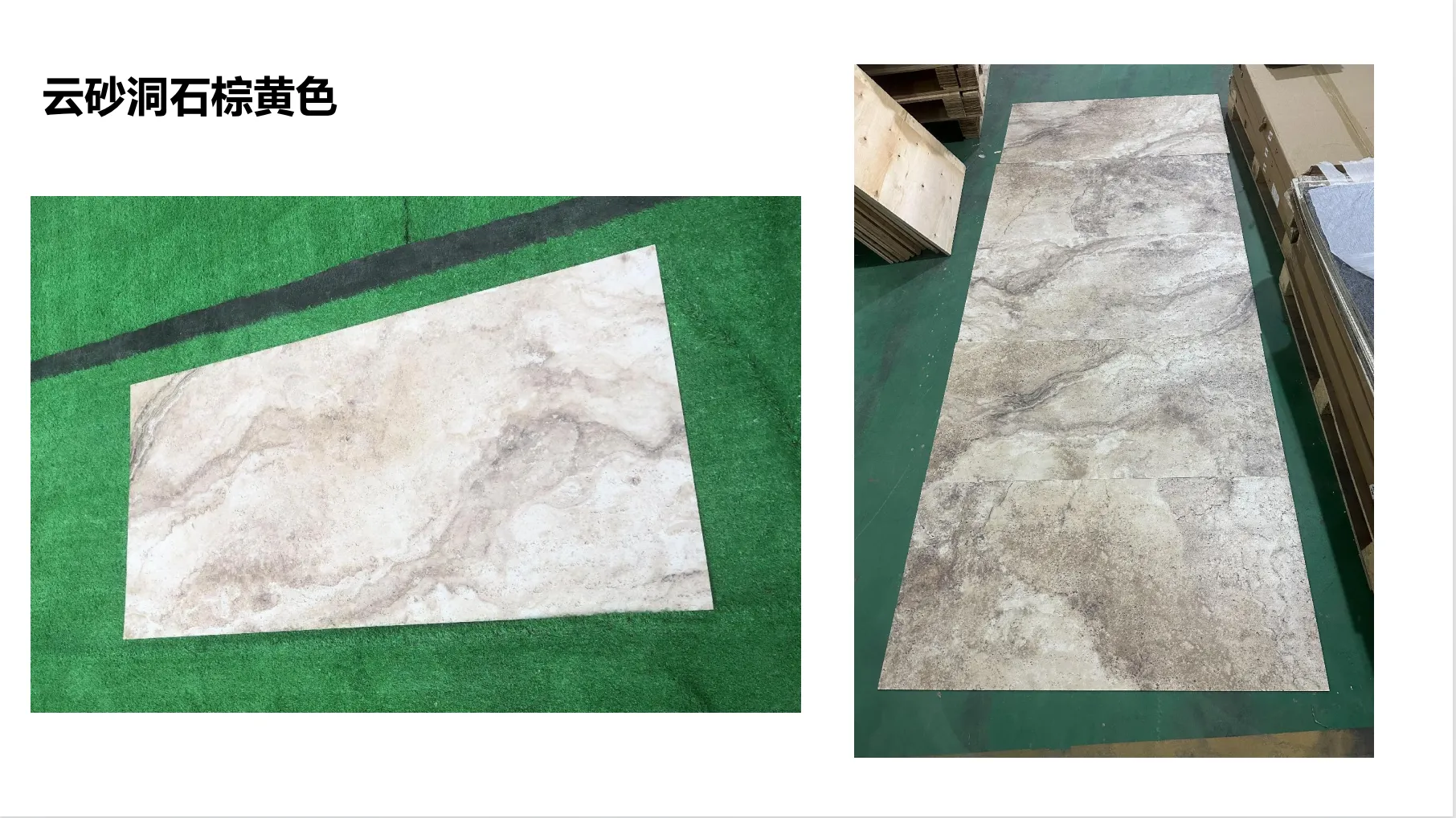
Bathrooms have evolved far beyond mere functional spaces—they're now our daily sanctuaries, where we start and end our days, seek quiet moments, and even find inspiration. The materials we choose here matter deeply; they shape the mood, durability, and personality of the room. If you're dreaming of a bathroom that feels both timeless and uniquely yours, let's talk about a material that's been turning heads in design circles: dolomitic travertine (claybank). Warm, earthy, and surprisingly resilient, this stone isn't just a surface—it's a storyteller. Today, we'll dive into why it's a standout choice for bathrooms, how to keep it looking stunning through years of splashes and steam, and how to style it with complementary textures and colors to create a space that feels like a personal retreat.
First things first: what exactly is dolomitic travertine (claybank)? Imagine a stone that carries the soft, sunbaked hue of desert clay, with subtle veins that look like brushstrokes of time—pale golds, warm beiges, and hints of taupe winding through its surface. Unlike the starkness of marble or the coolness of granite, dolomitic travertine (claybank) feels alive . It's a type of travertine, formed over millennia by mineral-rich hot springs, but with a higher dolomite content that gives it a denser, more durable structure. This isn't just any stone; it's a piece of the earth's history, polished into a surface that brings the outdoors in without sacrificing sophistication.
What makes it so special for bathrooms? For starters, that claybank color. It's neutral enough to serve as a blank canvas, but warm enough to add coziness—no more sterile, hospital-like vibes. Run your hand over it, and you'll notice a gently textured surface, not perfectly smooth but not rough either. It's the kind of texture that feels grounding, like stepping onto a sun-warmed stone path in a mountain retreat. And here's a little secret: its natural porosity, when properly sealed, becomes part of its charm, creating tiny, subtle pits that catch light and add depth. It's not about being flawless; it's about being authentic.
Let's address the elephant in the room: "But isn't travertine porous? Can it really handle a bathroom's moisture?" It's a fair question—and the answer is a resounding yes, with a little care. Dolomitic travertine (claybank) is denser than traditional travertine, thanks to that dolomite boost, which means it's less prone to absorbing water than you might think. But make no mistake: all natural stones need a little TLC to stay resilient, especially in high-moisture areas like showers or around sinks.
Think of sealing dolomitic travertine (claybank) like applying sunscreen to your skin—it's a protective barrier that lets the stone breathe while keeping moisture out. A good quality penetrating sealer (look for one labeled "impregnating") will sink into the stone's pores, creating a hydrophobic layer that repels water. When you seal it properly, you'll notice water beads up on the surface, like rain on a newly waxed car, instead of soaking in. Pro tip: seal it before installation, then again 24–48 hours after grouting, and reapply every 1–2 years (or as needed, if water starts to absorb instead of beading). It's a small step, but it's the key to making this stone last decades.
Maintenance doesn't have to be a chore. Wipe up spills promptly (though with sealing, a little delay won't ruin it), and avoid harsh cleaners with acids or abrasives—stick to mild, pH-neutral soaps instead. For showers, squeegee the walls after use to prevent mineral buildup, and open a window or run the fan to reduce steam (travertine loves fresh air!). Here's a reassuring thought: even with the best care, your dolomitic travertine (claybank) might develop a patina over time—subtle changes in color, tiny etchings from water droplets. This isn't damage; it's character. It's the stone adapting to your life, telling the story of your mornings, your relaxing baths, your hurried getaways. That's the beauty of natural materials—they age with grace.
Now for the fun part: styling. Dolomitic travertine (claybank) is a team player, but it also shines on its own. Whether you're going for a minimalist spa, a rustic retreat, or a modern boho vibe, this stone can adapt. Let's break down how to pair it with other materials, colors, and textures to create a bathroom that feels curated, not chaotic.
Claybank is a master of versatility, but it truly sings when paired with colors that complement its earthy roots. For a serene, spa-like feel, layer it with soft whites and pale grays—think fair-faced concrete walls or a white freestanding tub. The contrast between the claybank's warmth and the concrete's cool, raw texture creates a balanced, calming space. Add a few potted plants, and suddenly you're in a mountain lodge, minus the commute.
If you crave a pop of color, look to nature for inspiration. Travertine (starry blue) is a stunning accent—imagine a small backsplash behind the vanity, its deep blue surface dotted with tiny, glittering mineral inclusions that catch the light like a night sky. The claybank acts as a warm canvas, making the blue feel vibrant but not overwhelming. Or, for a more subtle contrast, try rammed earth board (khaki) on the lower half of the walls. Its matte, textured finish in a soft, olive-khaki shade echoes the claybank's earthiness while adding depth—like pairing a cozy sweater with a linen shirt.
Bathrooms are sensory spaces—we touch the walls, step on the floors, run our hands along countertops. That's why texture matters. Dolomitic travertine (claybank) has a naturally slightly porous texture, so balance it with smoother or more structured materials. Wood grain board is a match made in design heaven here. Imagine a floating vanity with a wood grain top in a medium walnut finish; the warmth of the wood plays off the claybank floor, creating a space that feels both organic and grounded. The straight lines of the wood grain also add a subtle structure, preventing the room from feeling too "soft."
For a touch of industrial edge, pair claybank travertine with fair-faced concrete. Use the concrete for a shower bench or a niche, and let the travertine take over the floors and walls. The concrete's cool, gray tone and smooth (but not glossy) finish contrast beautifully with the travertine's warmth and texture, creating a space that feels modern but not cold. Add black metal fixtures—think a sleek faucet or a matte black mirror frame—and suddenly you've got a bathroom that's equal parts rugged and refined.
| Element | Complementary Material | Effect |
|---|---|---|
| Accent Wall | Travertine (starry blue) | Adds a dreamy, celestial contrast; turns a plain wall into a focal point |
| Vanity Top | Wood grain board | Warms up the space; brings in natural wood tones for a homey feel |
| Shower Bench | Fair-faced concrete | Adds industrial edge; creates a sleek, functional focal point |
| Backsplash | Rammed earth board (khaki) | Echoes the claybank's earthiness; adds matte texture for depth |
Even the most beautiful materials need the right lighting to truly glow, and dolomitic travertine (claybank) is no exception. Soft, warm lighting is key here—think recessed LED lights with a warm white bulb (2700K–3000K) or wall sconces with fabric shades that diffuse light gently. Avoid harsh, cool-toned lights; they'll wash out the travertine's warmth and make the space feel sterile. Instead, aim for lighting that mimics natural sunlight, highlighting the stone's veining and texture.
For fixtures, less is often more. A simple, matte black faucet or a brass showerhead in an aged finish adds elegance without stealing the spotlight from the travertine. If you're feeling bold, a vintage-inspired mirror with an ornate frame (in gold or brass) can add a touch of glamour, but keep the rest of the fixtures understated. Remember: the stone is the star here; everything else should support it, not compete.
Trends come and go, but some materials stick around because they work. Dolomitic travertine (claybank) is one of those. It's been used in architecture for centuries—think of ancient Roman baths, where travertine floors stood up to crowds and moisture for millennia. There's a reason for that longevity: it's durable, adaptable, and deeply connected to nature, which means it never feels dated. In a world of quick fixes and disposable design, choosing a material with history feels like an act of intention.
But beyond its practicality, dolomitic travertine (claybank) adds something intangible to a bathroom: soul. It's a material that invites you to slow down, to appreciate the beauty of imperfection, and to create a space that feels like you . Whether you're pairing it with starry blue accents for a touch of whimsy, wood grain for warmth, or concrete for edge, it adapts to your style, not the other way around. It's a stone that grows with you—developing a patina, telling your story, and turning your bathroom from a room into a retreat.
So, if you're ready to transform your bathroom into a space that's equal parts beautiful and functional, consider dolomitic travertine (claybank). It's not just a surface; it's a partner in creating moments of calm, joy, and everyday luxury. With a little care, it will stand by you through morning rushes, lazy Sundays, and everything in between—proving that the best design choices are the ones that feel like home.
Recommend Products












