
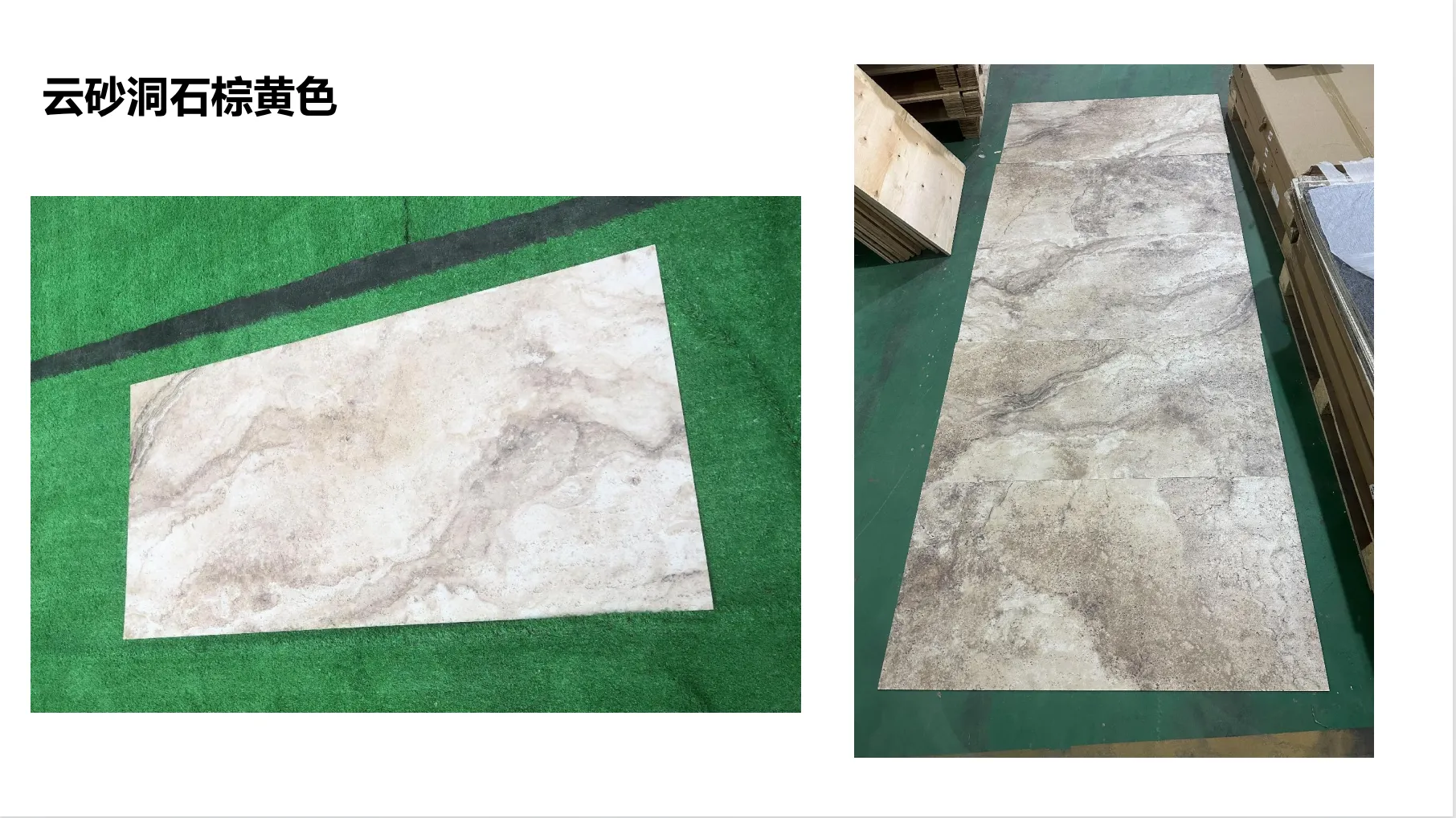
Step into a bustling city street, and you'll pass dozens of storefronts vying for attention. But every so often, one stops you in your tracks—not because of flashy signage or loud music, but because of something quieter, more intentional: the materials that shape its space. Imagine running a hand along a wall that feels both rough and refined, its earthy tones grounding you in a moment of calm amid the chaos. That's the magic of dolomitic travertine (claybank) —a material that doesn't just decorate retail spaces, but tells a brand's story. In an era where shoppers crave authenticity and connection, the choice of building materials has become as crucial as the products on the shelves. Let's explore how this unassuming stone is redefining retail aesthetics, one claybank-hued surface at a time.
Dolomitic travertine isn't new to the design world, but its claybank variant has emerged as a quiet favorite among retail visionaries. What sets it apart? Start with its color: a warm, sun-baked clay that evokes images of sunlit meadows or ancient terracotta villages. Unlike stark whites or cold grays, this hue feels lived-in—like a material that's been part of human stories for centuries. Run your fingers over its surface, and you'll notice the subtle pitting and veining, each imperfection a testament to its natural origins. It's not smooth or uniform; it's real , and in a world of mass-produced perfection, that realism is irresistible.
For brands aiming to craft a narrative of timelessness or approachability, dolomitic travertine (claybank) is a secret weapon. A boutique selling artisanal ceramics might use it for flooring, letting the stone's texture mirror the handmade quality of its products. A café targeting cozy, community-focused shoppers could line its walls with the material, turning a quick coffee run into a moment of sensory comfort. Even high-end fashion brands are embracing it—pairing the stone's earthiness with sleek glass and metal to balance luxury with warmth, proving that elegance doesn't have to feel cold.
But its appeal isn't just aesthetic. Retail spaces take a beating: scuff marks from shoes, spills from hurried shoppers, the wear and tear of daily life. Dolomitic travertine (claybank) holds up, thanks to its dense composition and resistance to scratches. Unlike porous marble, it's less prone to staining, making it practical for high-traffic areas. And when sealed properly, it ages gracefully—developing a soft patina over time that only deepens its character. For brands that want their spaces to feel "lived-in" rather than "brand-new," this longevity is a gift; it means the store evolves with the customers, becoming a part of their routines.
Great retail design isn't about a single "star" material—it's about how materials dance together, creating a symphony of textures and tones. Dolomitic travertine (claybank) is a natural collaborator, playing well with others to amplify a brand's unique voice. Let's explore how it pairs with five standout materials, each bringing its own personality to the mix.
MCM flexible stone is a modern marvel—lightweight, bendable, and available in endless patterns. When paired with dolomitic travertine (claybank), it's like pairing a classic novel with a contemporary illustration: the stone provides the timeless foundation, while MCM adds creative flair. Imagine a children's clothing store where claybank travertine floors set a warm, durable base, and MCM flexible stone walls curve gently, printed with playful animal motifs. The contrast of rigid stone and soft, flexible panels creates a space that feels both sturdy and whimsical—perfect for a brand that wants to feel approachable yet imaginative.
Fair-faced concrete—with its industrial, no-frills vibe—might seem like an odd match for dolomitic travertine's earthiness, but together, they strike a balance between rugged and refined. A men's lifestyle store could use fair-faced concrete for ceiling beams, adding a raw, urban edge, while dolomitic travertine (claybank) lines the display shelves. The concrete's cool gray tones make the claybank hue pop, creating visual interest without overwhelming the space. It's a combination that says, "We're modern, but we respect tradition"—ideal for brands targeting customers who value both innovation and heritage.
Nothing feels more inviting than wood, and wood grain board —with its warm knots and flowing lines—complements dolomitic travertine (claybank) like a well-worn pair of jeans and a favorite sweater. A home decor store might use claybank travertine for the checkout counter, its texture grounding the space, while wood grain board lines the walls, displaying textiles and candles. The combination evokes a cozy cabin or a sunlit workshop, making shoppers feel at ease. It's a material story that speaks to sustainability and craftsmanship—two values modern consumers hold dear.
For brands aiming for a touch of luxury or futurism, lunar peak silvery adds a celestial shimmer to dolomitic travertine's earthy base. Picture a high-end jewelry store: claybank travertine floors guide customers through the space, their warm tones softening the room, while lunar peak silvery accents—think display cases or ceiling details—catch the light like moonlight. The silvery sheen adds a sense of drama without overshadowing the stone's natural beauty. It's a pairing that feels both grounded and aspirational, perfect for brands that want to say, "You deserve the extraordinary."
| Material | Aesthetic Appeal | Durability | Emotional Impact | Best For Brand Personalities |
|---|---|---|---|---|
| Dolomitic Travertine (Claybank) | Warm, earthy clay tones with organic veining | High (resistant to scratches, ages gracefully) | Timeless, authentic, grounded | Heritage, artisanal, cozy |
| MCM Flexible Stone | Customizable patterns, lightweight, curved designs | Medium-High (flexible, impact-resistant) | Playful, innovative, dynamic | Youthful, creative, bold |
| Fair-Faced Concrete | Raw, industrial gray with subtle texture | Very High (durable, low maintenance) | Modern, honest, unpretentious | Minimalist, urban, forward-thinking |
| Wood Grain Board | Warm, natural knots and grain patterns | Medium (prone to scratches, requires sealing) | Inviting, homey, sustainable | Cozy, eco-friendly, artisanal |
| Lunar Peak Silvery | Metallic silver with a subtle iridescent finish | High (resistant to tarnishing, easy to clean) | Luxurious, futuristic, elegant | Luxury, high-end, innovative |
Retail design isn't just about making spaces look pretty—it's about guiding how customers feel and behave. Dolomitic travertine (claybank), with its tactile texture and warm color, has a subtle but powerful effect on the shopping experience. Studies show that textured surfaces trigger positive emotions; running a hand along a rough stone wall can reduce stress, making shoppers more likely to linger. In a world where online shopping is convenient, brick-and-mortar stores must offer something digital can't: sensory immersion. Dolomitic travertine delivers that, turning a quick errand into a moment of mindfulness.
Then there's the matter of brand recall. Shoppers might forget a sale or a promotional sign, but they'll remember how a space felt . A clothing store with claybank travertine floors and wood grain board fixtures feels "cozy" and "authentic"—associations that stick in the mind. When customers associate a brand with positive emotions, they're more likely to return and recommend it to others. It's why luxury brands invest millions in flagship stores: the materials aren't just backdrops; they're part of the product.
Practicality matters too. Retailers know that time is money, and materials that require constant upkeep eat into profits. Dolomitic travertine (claybank) is low-maintenance—no need for daily polishing or harsh chemicals. Its durability means fewer repairs, and its flexibility (when paired with MCM flexible stone) allows for easy updates. A store can refresh its look by swapping out MCM panels or adding lunar peak silvery accents without overhauling the entire space. In an industry where trends shift quickly, that adaptability is a game-changer.
Let's step into "Terra & Thread," a hypothetical boutique selling sustainable clothing and accessories. The brand's mission? To celebrate slow fashion and connection to the earth. When designing their first store, founder Mia knew the materials had to reflect that ethos. "I didn't want anything shiny or fake," she says. "I wanted customers to feel like they were stepping into a space that valued the same things they do: quality, nature, and stories."
Mia chose dolomitic travertine (claybank) for the floors and accent walls. "The color reminded me of the clay soil in my grandmother's garden," she explains. "It's warm, not perfect, and it feels alive." To complement the stone, she added wood grain board for display racks, its knots echoing the imperfections in the travertine. For the checkout area, she opted for fair-faced concrete countertops, their raw texture balancing the softness of the wood and stone. "We wanted to show that sustainability doesn't mean sacrificing style," Mia says.
The result? A space that feels less like a store and more like a community hub. Customers linger, running their hands over the travertine walls, commenting on the "homey" vibe. Sales have exceeded expectations, and Mia attributes much of that success to the materials. "People don't just buy our clothes—they buy into the feeling of the store," she says. "The dolomitic travertine isn't just a surface; it's a conversation starter. Shoppers ask about it, and that lets us talk about our values. It's become part of our brand identity."
As retail continues to evolve, one thing is clear: materials will play an even bigger role in shaping how brands connect with customers. Shoppers are no longer satisfied with transactional experiences; they want to engage with brands that align with their values and make them feel seen. Dolomitic travertine (claybank), with its blend of authenticity, durability, and warmth, is perfectly positioned to lead this shift. Whether paired with MCM flexible stone for creativity, wood grain board for coziness, or lunar peak silvery for luxury, it's a material that adapts to a brand's unique story.
In the end, retail design is about more than selling products—it's about creating moments that matter. A shopper might forget the price of a sweater, but they'll remember the way the light hit the dolomitic travertine wall as they tried it on, or how the texture of the stone made them feel grounded. That's the power of materials done right: they don't just decorate spaces—they create memories. And in a world that's always rushing, memories are the most valuable currency of all.
Recommend Products












