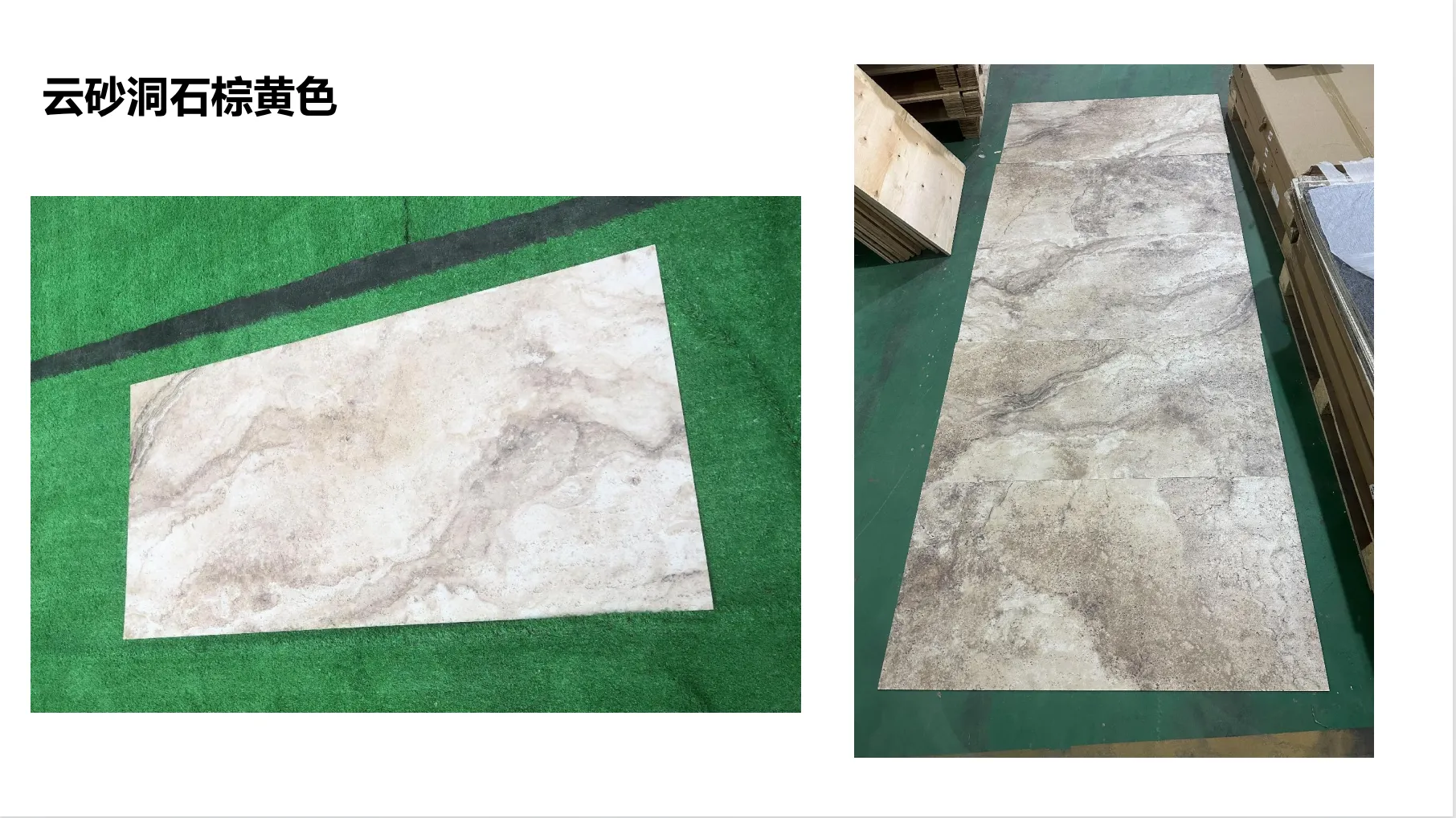
Now, let's zoom out to public spaces—plazas, town squares, park pavilions. These are the heartbeats of cities, where people meet for farmers' markets, kids chase pigeons, and friends sit on benches to chat. The materials here need to work hard: they must handle foot traffic, resist stains, and look good doing it. Dolomitic travertine (claybank) checks all these boxes, but it does something more—it creates atmosphere.
Take a downtown plaza, for example. Picture a central fountain, surrounded by benches, with dolomitic travertine (claybank) tiles forming the main surface. The stone's warm color softens the harsh lines of surrounding buildings, making the space feel welcoming, not imposing. On a hot day, it stays surprisingly cool underfoot, thanks to its natural ability to absorb and release heat slowly. Parents let their kids run around without worrying about burns, and seniors sit on the benches (maybe made with
wood grain board
—a perfect pairing, the travertine's earthiness complementing the wood's warmth) and enjoy the shade.
Parks use it too. Think of a picnic area with travertine tabletops, or a amphitheater with travertine steps. The claybank hue blends with the surrounding greenery, so the space feels like an extension of nature, not a separate "built" area. Even in busy public transit hubs, where chaos can reign, this stone brings a sense of calm. Its neutral color doesn't clash with signage or announcements, but its texture adds visual interest, turning a utilitarian space into something a little more human.