
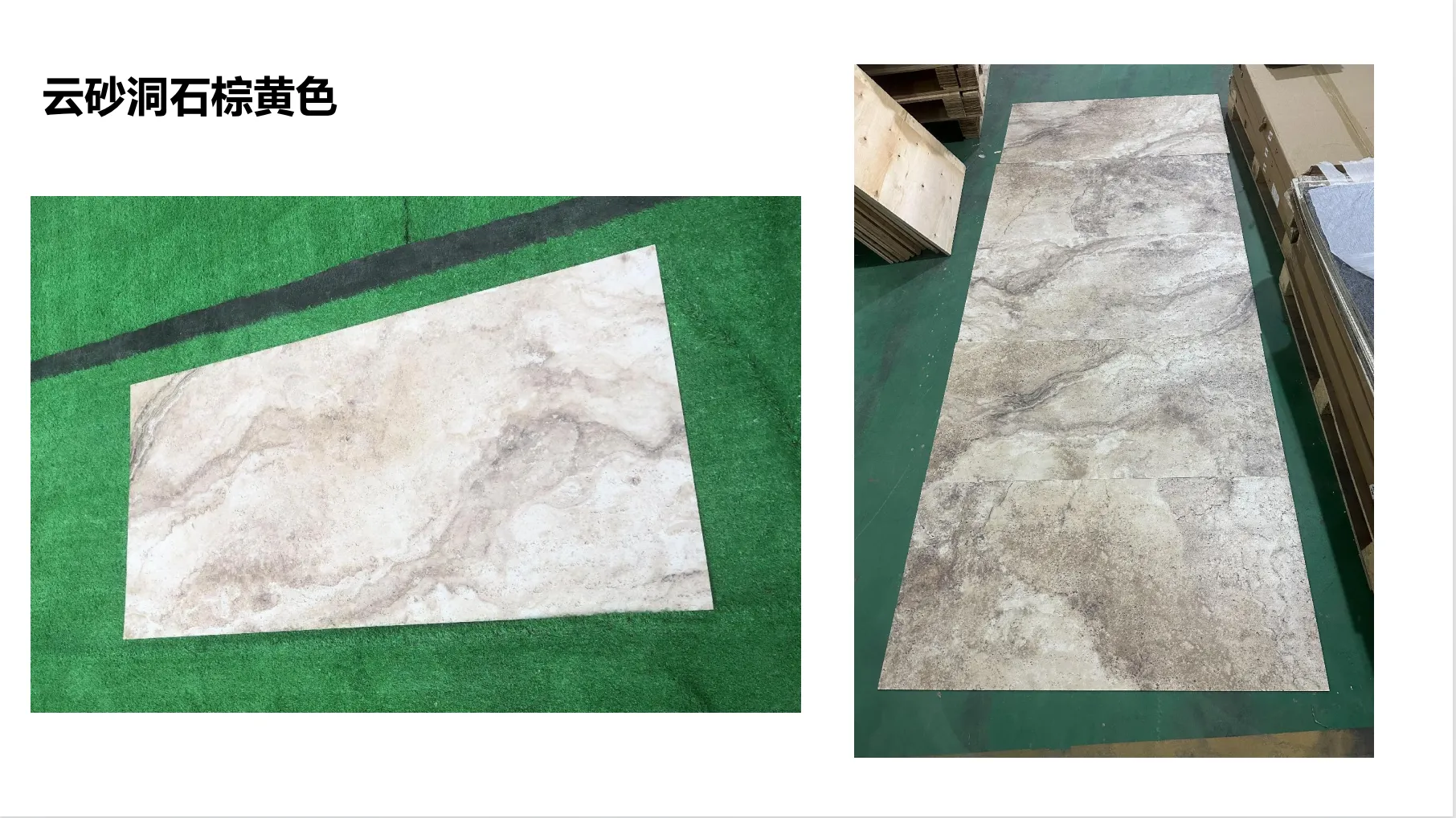
So, you've fallen for the warm, earthy charm of dolomitic travertine (claybank) – and who could blame you? Its soft, sandy hue with subtle veining adds a touch of rustic elegance to any space, whether it's gracing your kitchen countertops, lining your bathroom walls, or laying the foundation of your living room floor. But here's the thing about natural stone: it's stunning, but it needs a little TLC to stay that way. Unlike the more industrial look of fair-faced concrete or the sleek uniformity of wood grain board, dolomitic travertine (claybank) has a porous, organic texture that makes it prone to stains, scratches, and dullness if neglected. Don't worry, though – with the right maintenance routine, you can keep this stone looking as fresh as the day it was installed. Let's dive in.
Before we get into the "how," let's quickly cover the "what." Dolomitic travertine is a type of sedimentary rock, similar to regular travertine but with a higher dolomite content – that's what gives it that unique claybank color, a warm blend of taupe and soft brown that feels both timeless and modern. Unlike the bold veining of marble veil white or the dark drama of granite portoro, dolomitic travertine (claybank) has a more understated beauty, with tiny pits and subtle color variations that tell the story of its formation over millennia. It's popular for both indoor and outdoor use, but that versatility means it faces different challenges – rain and pollen outdoors, coffee spills and muddy shoes indoors. The key? Understanding its porous nature. Those small pits aren't just for show; they're tiny traps for dirt, liquids, and grime. But with a little care, they'll never become eyesores.
You don't need fancy gadgets or industrial cleaners to keep your dolomitic travertine (claybank) looking great day-to-day. In fact, overcomplicating things is often the first mistake people make. Let's start with the basics:
Compare this to cleaning something like wood grain board, which might tolerate a bit more moisture but can warp if over-wetted, or polish concrete, which is more durable but still benefits from gentle care. Dolomitic travertine (claybank) is a bit like a delicate plant – it thrives with consistent, gentle attention, not harsh treatment.
Even with daily cleaning, accidents happen. A spilled glass of red wine at dinner, a drippy ice cream cone on a hot day, or a forgotten oil bottle in the kitchen – stains are inevitable, but they don't have to be permanent. The golden rule? Act immediately. The longer a stain sits, the deeper it seeps into the pores, and the harder it is to remove. Here's how to tackle common culprits:
| Stain Type | Removal Method | Pro Tip |
|---|---|---|
| Oil-based (grease, butter, makeup) | Blot up excess with a paper towel, then apply a poultice of baking soda and water (make a thick paste). Cover with plastic wrap, let sit overnight, then wipe clean. | Avoid using dish soap directly – it can spread the oil. |
| Wine, coffee, juice (organic stains) | Blot immediately, then mix hydrogen peroxide (3%) with a drop of ammonia (test in an inconspicuous area first!). Apply with a cloth, let sit 5-10 minutes, rinse. | For stubborn stains, repeat – but don't leave peroxide on too long; it can lighten the stone. |
| Rust (from metal objects, furniture legs) | Use a commercial rust remover specifically for natural stone (check the label!). Apply as directed, rinse thoroughly. | Avoid DIY rust removers with oxalic acid – they can damage dolomite. |
Remember, always test any cleaner or method on a hidden spot first – like under a cabinet or in a corner – to make sure it doesn't discolor the stone. And if you're dealing with something really tough, don't panic – we'll talk about when to call in the pros later.
They say prevention is better than cure, and that's never truer than with dolomitic travertine (claybank). While it's durable enough for daily use, it's not impervious to scratches or etching (that dull, cloudy look caused by acidic substances). Here's how to keep your stone scratch-free and shiny:
Compare this to something like rough granite stone (medium grey), which is much harder and more scratch-resistant, or wood line, which can be refinished if scratched. Dolomitic travertine (claybank) doesn't have that luxury – once it's scratched or etched, fixing it requires professional help. So take those extra steps to protect it!
If daily cleaning is the "brushing your teeth" of stone maintenance, sealing is the "flossing" – maybe not as fun, but absolutely essential. Sealing creates a protective barrier on the surface of the dolomitic travertine (claybank), filling in the pores and preventing liquids from seeping in and causing stains. But how often should you do it, and what kind of sealer should you use?
First, check if your stone needs sealing. The "water test" is simple: pour a small amount of water (about ¼ cup) on the surface and let it sit for 10-15 minutes. If the water beads up, the sealer is still working. If it soaks in and darkens the stone, it's time to reseal. For most indoor areas, sealing every 1-3 years is enough; outdoor areas (exposed to rain, sun, and dirt) might need it every 6-12 months.
When choosing a sealer, look for one labeled "impregnating" or "penetrating" – these seep into the pores rather than sitting on top (which can leave a glossy, unnatural finish). Avoid "topical" sealers, which can peel or yellow over time. For dolomitic travertine (claybank), a water-based sealer is usually best – it's easier to apply, dries clear, and won't alter the stone's natural color. Oil-based sealers can darken the stone, which might be a look you want, but test it first!
Application is straightforward: clean the stone thoroughly (no dirt or residue!), let it dry completely (24 hours is ideal), then apply the sealer with a soft cloth or sponge, working in small sections. Let it sit for the time recommended on the label (usually 5-15 minutes), then wipe off any excess with a clean cloth. Avoid walking on or using the surface for 24-48 hours to let the sealer cure fully.
Compare this to sealing something like travertine (beige) – the process is similar, but dolomitic travertine (claybank) might absorb sealer a bit differently due to its dolomite content, so always follow the manufacturer's instructions. And unlike foamed aluminium alloy board (vintage silver), which doesn't need sealing at all, your travertine relies on this step to stay protected.
Your dolomitic travertine (claybank) doesn't exist in a bubble – seasonal changes can affect its condition, especially if it's used outdoors or in areas with extreme temperature or humidity swings. Let's break down how to adapt your routine:
Even with the best care, there might come a time when DIY methods aren't enough. Here are signs it's time to call a professional stone restoration expert:
Think of it like taking your car to a detailer – you can wash it at home, but sometimes it needs a professional touch to look brand new. And just like you'd hire a specialist for restoring something unique like historical pathfinders stone, dolomitic travertine (claybank) deserves an expert who knows its quirks.
Still wondering how dolomitic travertine (claybank) stacks up against other popular materials? Let's take a look at a few common options and their maintenance needs:
| Material | Maintenance Difficulty | Key Care Tips | Best For |
|---|---|---|---|
| Dolomitic Travertine (Claybank) | Moderate | Seal every 1-3 years, avoid acids, blot stains immediately | Indoor floors, countertops, accent walls |
| Marble Veil White | High | Seal every 6-12 months, extremely acid-sensitive, professional polishing needed often | Low-traffic areas, decorative accents |
| Wood Grain Board | Moderate | Avoid water, refinish every 5-10 years, use furniture polish | Walls, backsplashes, low-moisture floors |
| Fair-Faced Concrete | Low | Seal every 2-5 years, resistant to stains and scratches | Industrial-chic spaces, outdoor patios |
As you can see, dolomitic travertine (claybank) hits a sweet spot – it's more durable than marble veil white but has more character than fair-faced concrete. With a little effort, it's a material that can last decades.
At the end of the day, maintaining dolomitic travertine (claybank) isn't about perfection – it's about consistency. A quick sweep here, a timely blot there, and regular sealing will go a long way in keeping that warm, claybank glow alive. Remember, this stone has been around for millions of years; with your care, it'll look just as beautiful for decades to come in your home.
So go ahead – host that dinner party, let the kids play on the floor, enjoy your morning coffee on the countertop. Just keep these tips in mind, and your dolomitic travertine (claybank) will reward you with timeless beauty, day in and day out. After all, the best spaces aren't just designed – they're loved, and a little maintenance is just part of that love story.
Recommend Products












