
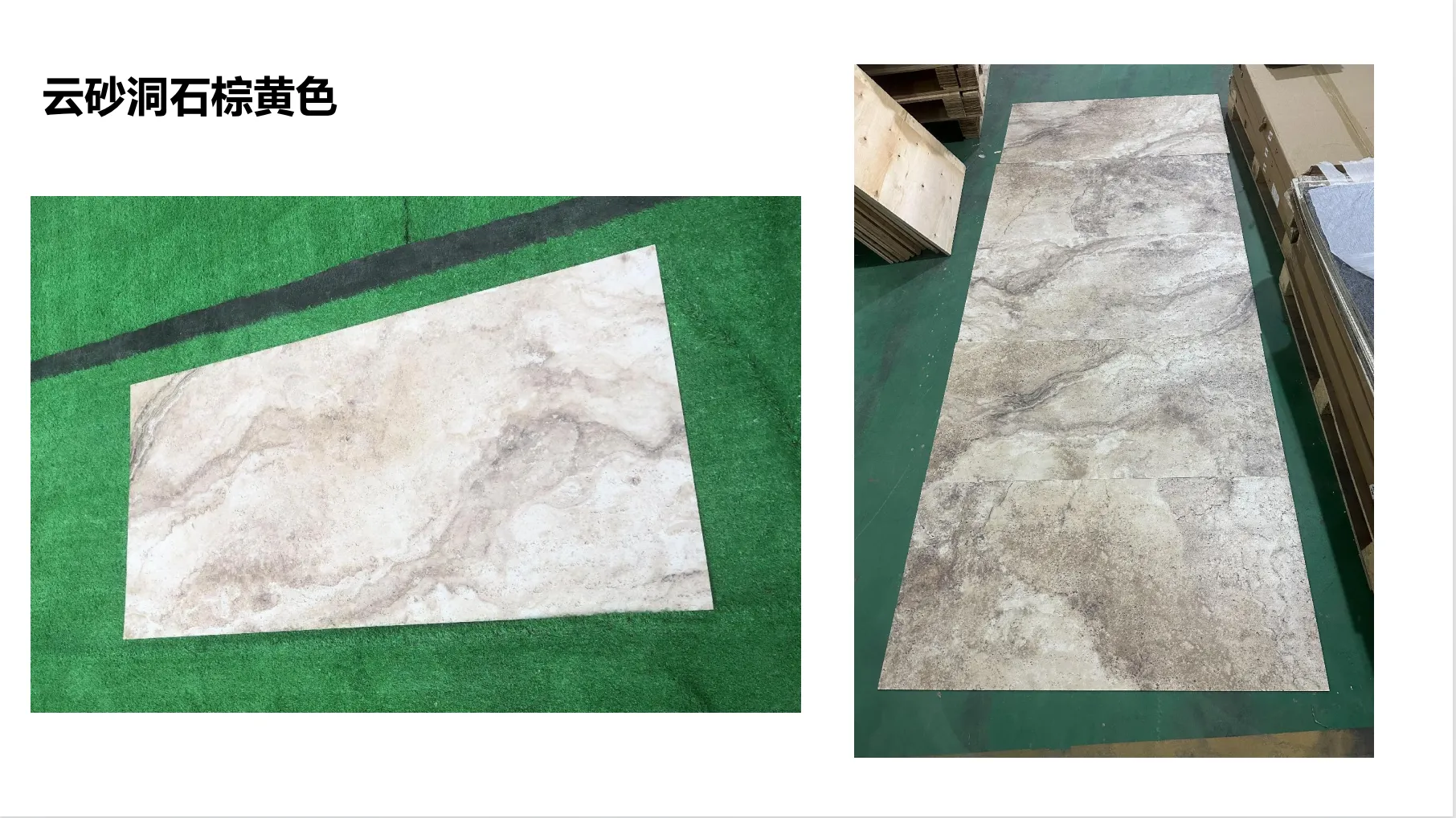
For architects, contractors and property owners who want the quiet elegance of natural travertine without the weight, cost and maintenance of quarried stone, Dolomitic Travertine in the claybank finish has become a regular name on modern facade and interior board lists. This review looks at what the material really is, how it performs on the wall, where it shines, and where it deserves a closer check before you commit.
Dolomitic travertine starts from dolomitic limestone, giving it a cooler, more mineral character than the warm creams of classic Italian travertine. In claybank colour, that geology translates into soft sandy-caramel tones flecked with subtle veining that reads as gently aged stone rather than a flat print. What sets this board apart is that it is produced as a flexible modified-clay material: a thin, lightweight layer blends modified clay with natural stone powder, so the finished panel bends around curves and corners where a rigid slab cannot go. Because it belongs to the MCM flexible stone family, it keeps a genuine stone surface appearance while staying far easier to transport and fix than a traditional tile or slab.
Measured by how it behaves in real use, the claybank board earns strong marks in several areas. It is light, which reduces the load on the supporting wall and makes handling on site straightforward even at larger sizes. The flexible core absorbs a little movement, so hairline cracking is far less of a worry than with rigid stone. The surface is naturally anti-static and dust does not cling easily, so exterior panels stay noticeably cleaner and are largely washed by rainfall. The material is breathable yet resistant to moisture, and its fire-resistant, waterproof profile makes it suitable for both interior accent walls and exposed exteriors.
Installation is where the material surprises first-time users. A sharp knife is all that is needed to trim the panel to fit, and a suitable flexible adhesive fixes it to a clean, prepared substrate. Corners, arches and curved columns are handled without elaborate cutting machinery, which shortens project time and keeps labour costs in check. For renovation work on existing buildings, that flexibility is exactly what a retrofit wall needs.
The claybank tone sits comfortably in hotel lobbies, villas, restaurants and premium residential interiors, where a warm natural stone look helps a space feel calm and considered. It is equally at home on commercial facades and entrance features, where its low maintenance and weather tolerance pay off over years of exposure. Because dolomitic travertine in claybank can be produced in continuous flexible sheets, it also suits feature walls that run across several metres without obvious repeating joints.
No material is perfect, and the dolomitic travertine board is no exception when reviewed critically. Its finish reads as natural stone, but it is not quarried stone, so projects that demand genuine carved masonry should look elsewhere. Surface durability, while solid for wall cladding, is not a substitute for a heavy-duty floor designed to take continuous foot traffic; most specifiers keep it on vertical surfaces. Finally, as with any flexible cladding, the result depends on the crew doing the substrate preparation and finishing correctly, so the choice of applicator matters as much as the board itself.
Weighed up across appearance, weight, durability, ease of installation and running cost, the Dolomitic Travertine Claybank board earns a strong rating for facade and interior wall cladding projects, and a slightly more cautious one for flooring. It delivers the look of aged travertine in a form that is practical to install and easy to maintain, with the quiet versatility that flexible stone cladding brings to modern buildings. For a project that wants natural warmth without structural complication, it is a genuinely sensible choice.
If you are comparing options for an upcoming build or renovation, speaking directly with the manufacturer remains the fastest way to confirm colour consistency, sheet sizes and project-specific guidance.
Recommend Products












