
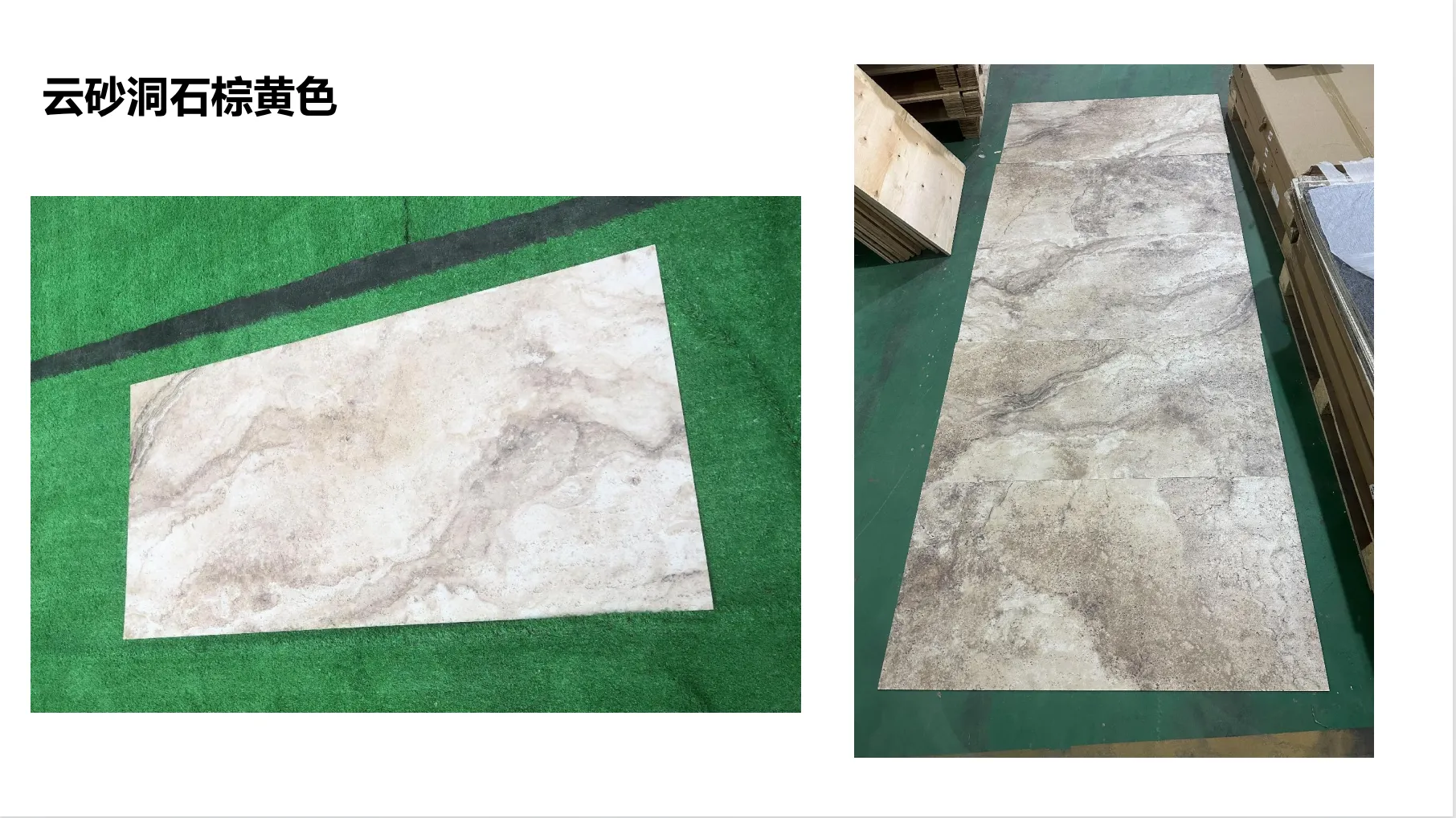
There's something about the warmth of natural stone that turns a house into a home. For many homeowners and designers, dolomitic travertine (claybank) is more than just a building material—it's a storyteller. Its soft, earthy hues, subtle veining, and tactile texture bring a sense of timelessness to kitchens, bathrooms, and living spaces alike. But like any cherished piece of art, it needs care. Scratches from dragging chairs, stains from a spilled glass of red wine, or cracks from years of foot traffic can dim its beauty. So when damage strikes, the big question arises: Do you roll up your sleeves and tackle it yourself, or call in the experts? Let's explore the heart of this dilemma, weighing the pros, cons, and real-life realities of DIY vs. professional repair for your beloved dolomitic travertine (claybank).
Before diving into repairs, let's pause to appreciate what makes dolomitic travertine (claybank) so special. Unlike its cooler cousin, dolomitic travertine (dark grey) , or the classic travertine (beige) , claybank dolomitic travertine boasts warm, terracotta-tinged tones that mimic sunbaked earth. Its surface is gently pitted with tiny pores—nature's fingerprint—adding depth and character. It's no wonder it's a favorite for fireplaces, backsplashes, and even outdoor patios; it bridges rustic charm with understated elegance.
But here's the catch: those same pores that make it beautiful also make it porous. Liquids, dirt, and even oils can seep in if not sealed properly, leading to stains. And while it's durable, it's not indestructible—heavy impacts, acidic spills (think lemon juice or vinegar), or constant foot traffic can take a toll. Understanding these quirks is key to deciding how to repair it.
Imagine walking into your kitchen and noticing a dark, splotchy stain on your claybank travertine countertop—the result of last night's olive oil spill you forgot to wipe. Or spotting a hairline crack in your foyer floor, growing wider each time you move the couch. These aren't just cosmetic annoyances; they're threats to your stone's longevity. A small stain can become permanent if left untreated. A tiny crack can expand, compromising the stone's structural integrity. And let's not forget the emotional toll: that travertine wall in your living room? It's where your kids traced their heights over the years. Letting it deteriorate feels like letting go of a piece of your home's story.
Dolomitic travertine (claybank) faces a handful of usual suspects when it comes to damage. Here's what to watch for:
Now, the moment of truth: to DIY or not to DIY? Let's break it down, not just with facts and figures, but with the real feelings and risks involved.
| Aspect | DIY Approach | Professional Approach |
|---|---|---|
| Best For | Small stains, minor scratches, routine sealing, tiny chips (less than 1/4 inch) | Deep cracks, extensive staining, etching, structural damage, color-matching repairs, large-scale restoration |
| Cost | Low ($20–$100 for cleaners, sealers, or repair kits) | Higher ($150–$500+ depending on damage size; sometimes $2–$10 per square foot for refinishing) |
| Skill Required | Basic: ability to follow instructions, patience, gentle hand | Expert: knowledge of stone chemistry, color mixing, specialized tools, years of experience |
| Tools Needed | Soft cloths, mild detergent (pH-neutral), stone sealer, DIY repair paste, plastic scraper | Diamond grinders, commercial-grade poultices, color-matching pigments, professional sealers, polishing pads |
| Time Investment | 1–3 hours per small project (plus drying time for sealers/repairs) | Half a day to several days (depending on damage; includes assessment, repair, curing, and finishing) |
| Risk of Making It Worse | High if you overestimate your skills: using acidic cleaners (etches), mismatched repair paste (visible patch), under-sealing (more stains) | Low: pros have seen it all; they test repairs first and guarantee results (often with warranties) |
| Emotional Payoff | Satisfaction of "fixing it yourself"—but frustration if it fails | Peace of mind: knowing the job is done right, with a seamless finish that honors your stone |
DIY repair has a special allure—it's empowering, budget-friendly, and lets you take ownership of your home's care. For small, straightforward issues, it can work beautifully. Let's walk through a common scenario: removing a fresh coffee stain from your dolomitic travertine (claybank) countertop.
Step 1: Act fast. Blot the stain with a dry cloth—don't rub, which pushes the liquid deeper. If it's already dried, mix a paste of baking soda and water (or a pH-neutral stone cleaner) and apply it to the stain. Cover with plastic wrap and let sit overnight (the paste draws out the stain like a sponge).
Step 2: Gently scrape off the paste. Use a plastic scraper (metal can scratch!) and wipe with a damp cloth. If the stain fades but isn't gone, repeat. Avoid harsh chemicals like bleach or ammonia—they'll etch the stone, leaving permanent marks.
Step 3: Seal the area. Once clean, apply a stone sealer (look for one labeled "for travertine") with a soft cloth, following the product instructions. Sealing fills those pores, making future stains easier to wipe away.
But beware the limits of DIY. Take it from Mark, a homeowner in Denver, who tried to fix a 2-inch crack in his claybank travertine floor with a $15 "all-purpose stone repair kit." "I mixed the paste, filled the crack, and thought it looked great—until it dried. The color was off by a mile, and the repair shrank, leaving a sunken line. Now I have to hire a pro to fix my fix, and it'll cost twice as much."
Professionals aren't just "expensive DIYers"—they're stone whisperers. They understand that dolomitic travertine (claybank) isn't uniform; its color and porosity vary from slab to slab. A pro can color-match a repair to blend seamlessly, use commercial-grade products that penetrate deeper than store-bought sealers, and tackle structural issues without compromising the stone's integrity.
Consider Elena, who inherited a 1920s home with a dolomitic travertine (claybank) fireplace surround. Years of neglect left it covered in soot stains and a large crack down one side. "I was terrified of ruining it," she says. "The pro spent an hour just examining the stone, testing cleaners on hidden spots, and explaining how the crack formed (a previous owner had used mortar that expanded with moisture). Two days later, the stains were gone, the crack was invisible, and the fireplace looked like it had been loved, not just repaired."
Professionals also bring tools you'd never find in a hardware store. Diamond-tipped grinders smooth out uneven surfaces without scratching. Commercial poultices (stronger than baking soda paste) lift deep, set-in stains. And their sealing process? It's often multiple coats of industrial sealant that lasts 3–5 years, compared to 1–2 years for DIY versions.
Repairs are reactive; maintenance is proactive. The best way to avoid costly fixes is to care for your dolomitic travertine (claybank) like the living, breathing material it is. Here's how:
Dolomitic travertine (claybank) isn't just a surface—it's a companion in your home's journey. It bears witness to birthday parties, quiet mornings, and everything in between. When it needs repair, the choice between DIY and professional help isn't just about money or time; it's about honoring that relationship.
For small stains or scratches, DIY can be a labor of love—just go in with realistic expectations and gentle hands. But for the big stuff? Trust the pros. They don't just fix stone; they preserve memories. And in the end, isn't that what home is all about?
*Note: Always test any cleaning or repair method on an inconspicuous area of your stone first to avoid unintended damage. When in doubt, consult a certified stone restoration specialist.
Recommend Products












