
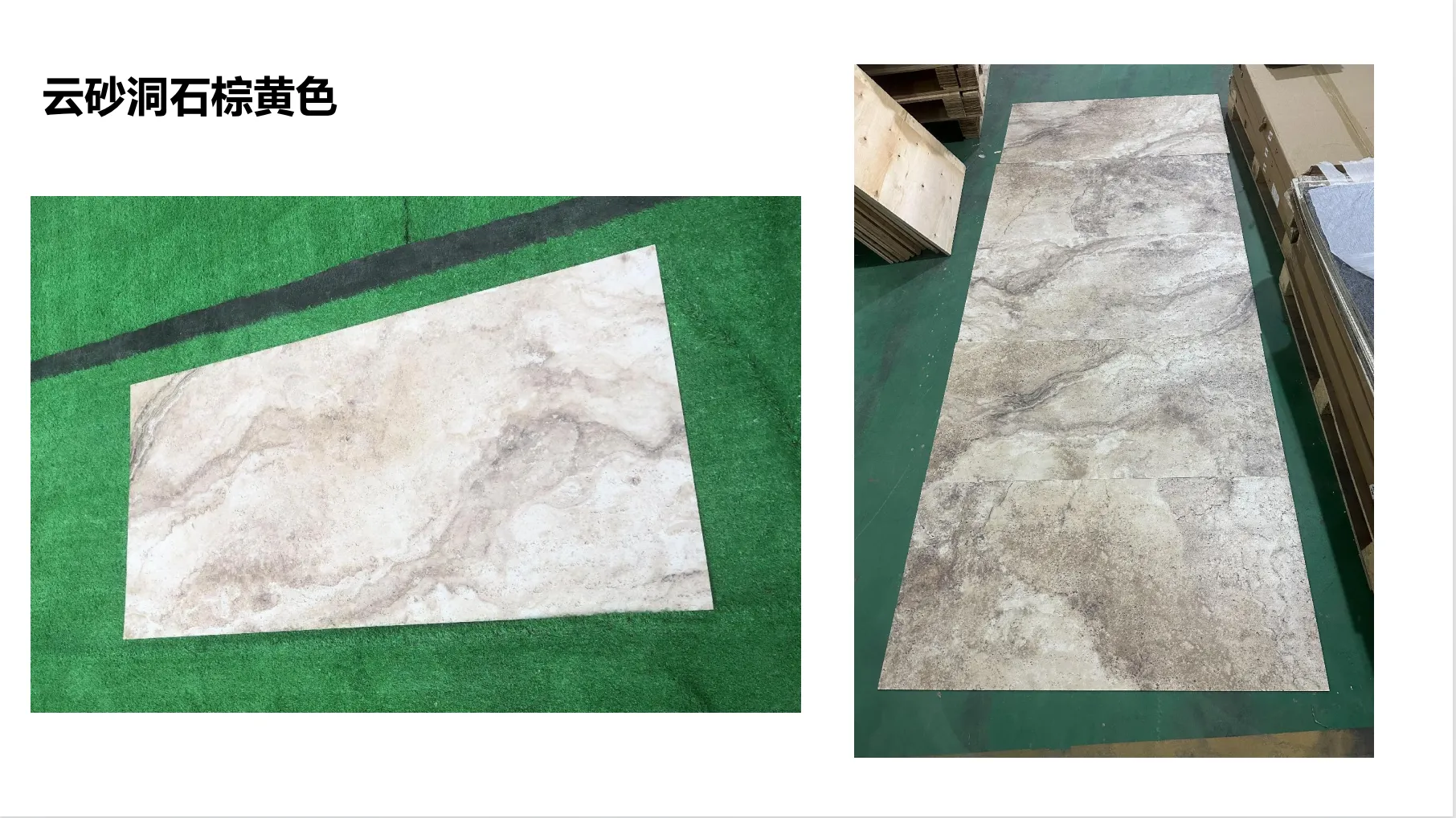
Preserving the warmth and character of your claybank dolomitic travertine—because some stones deserve to shine for decades, not just years.
If you've ever stepped into a space with dolomitic travertine (claybank) floors or walls, you know its magic. Unlike the stark whites of marble or the bold grays of granite, this stone carries a soft, earthy warmth—think sun-baked terracotta mixed with hints of sand and honey, swirled with delicate veins that look like brushstrokes from nature itself. It's the kind of material that turns a room from "nice" to "unforgettable," whether it's in a cozy living room, a spa-like bathroom, or an outdoor patio that feels like an extension of the landscape.
But what exactly is dolomitic travertine? Let's break it down simply: travertine forms when mineral-rich hot springs cool and deposit calcium carbonate, creating those signature porous, pitted surfaces. Dolomitic travertine takes it a step further, with a higher concentration of dolomite (a mineral similar to calcium carbonate but with magnesium). This gives it a bit more (hardness) than regular travertine, but it's still far from indestructible—especially the claybank variety, whose lighter color makes stains and wear more noticeable.
Claybank dolomitic travertine, in particular, is prized for its versatility. It pairs beautifully with modern minimalism (softening sharp edges) and rustic charm (enhancing natural textures alike). But here's the catch: those same pores that give it character are also its Achilles' heel. Without proper protection, spills, dirt, and even water can seep in, leaving behind unsightly stains or weakening the stone over time. That's where sealing comes in—not just as a "nice-to-have," but as a must if you want your investment to last.
Let's get real: no one buys a stone like dolomitic travertine (claybank) to hide it under rugs or avoid using the space. You want to live on it, love it, and show it off. But without sealing, that dream can fade fast. Here's why sealing is non-negotiable:
Don't assume a sealer that works for dolomitic travertine (dark grey) (a darker, more forgiving cousin) will work for claybank. Darker stones hide stains better, so their sealers might prioritize shine over stain resistance. Claybank needs a sealer that's tough on spills but gentle on its natural color.
Choosing a sealer isn't just about grabbing the first bottle labeled "stone sealer" at the hardware store. For dolomitic travertine (claybank), you need to balance protection with preservation—keeping the stone safe without masking its unique texture or color. Here are the key factors to consider:
After testing dozens of sealers (and consulting with stone restoration pros), we've narrowed down the best options for preserving your claybank dolomitic travertine. These products balance protection, ease of use, and respect for the stone's natural beauty:
| Product Name | Type | Finish | Key Benefits | Best For |
|---|---|---|---|---|
| StoneTech BulletProof Sealer | Penetrating (Solvent-Based) | Natural/Matte | Deep-penetrating, resists oil and water-based stains, lasts 5+ years indoors | High-traffic indoor areas (kitchens, hallways) |
| Black Diamond Stoneworks Wet Look Sealer | Penetrating (Water-Based) | Satin/Enhancing | Enhances claybank tones without darkening, low odor, easy to apply | Bathrooms, accent walls (adds subtle depth) |
| Tenax Proseal Impregnator | Penetrating (Solvent-Based) | Natural | Industrial-strength, resists mold/mildew, ideal for outdoor use | Outdoor patios, pool surrounds (claybank travertine) |
| Miracle Sealants 511 Porous Plus | Penetrating (Solvent-Based) | Natural | Budget-friendly, water-repellent, works on multiple stone types | DIYers, low-traffic areas (bedrooms, home offices) |
| DuPont StoneTech Enhancer Pro | Penetrating (Solvent-Based) | Enhancing/Deepening | Intensifies claybank veins and warmth, UV-resistant, long-lasting | Feature walls, fireplaces (showcasing the stone's character) |
Honorable mention: For those who prefer eco-friendly options, Earthstone Sealer & Restorer (water-based, plant-derived) is a great choice for low-traffic indoor areas. It's not as durable as the above picks, but it's gentle on the environment and easy to reapply.
Even the best sealer won't work if applied incorrectly. Follow these steps to ensure your claybank travertine gets the protection it deserves:
Not sure if your travertine needs resealing? drop a few drops of water on the surface. If it beads up, the sealer is still working. If it soaks in within 5–10 minutes, it's time for a fresh coat.
Sealing is the foundation, but ongoing care will keep your travertine looking its best for decades. Here's how to treat it like the treasure it is:
Dolomitic travertine (claybank) isn't just a building material—it's a piece of Earth's history, polished and placed in your home. Sealing it isn't about hiding its character; it's about preserving it. With the right sealer, a little elbow grease, and consistent care, your claybank travertine will continue to warm your space, spark conversations, and stand up to the chaos of daily life.
So go ahead—host that dinner party, let the kids play on the floor, or curl up with a book by your travertine fireplace. Your stone's got this. And so do you.
Recommend Products












