
Choosing between two timeless giants of natural stone
Picture this: You're standing in the middle of a sunlit room, sketching out the perfect design for your dream home. The walls are bare, the floors are a blank canvas, and the air hums with possibility. Then comes the big question: What material will bring this space to life? For many designers, architects, and homeowners, the debate often boils down to two heavyweights: Dolomitic Travertine (Claybank) and Granite . Both are born from the earth, shaped by time, and beloved for their unique charm—but they couldn't be more different. Let's dive in, explore their stories, and help you decide which one deserves a spot in your next project.
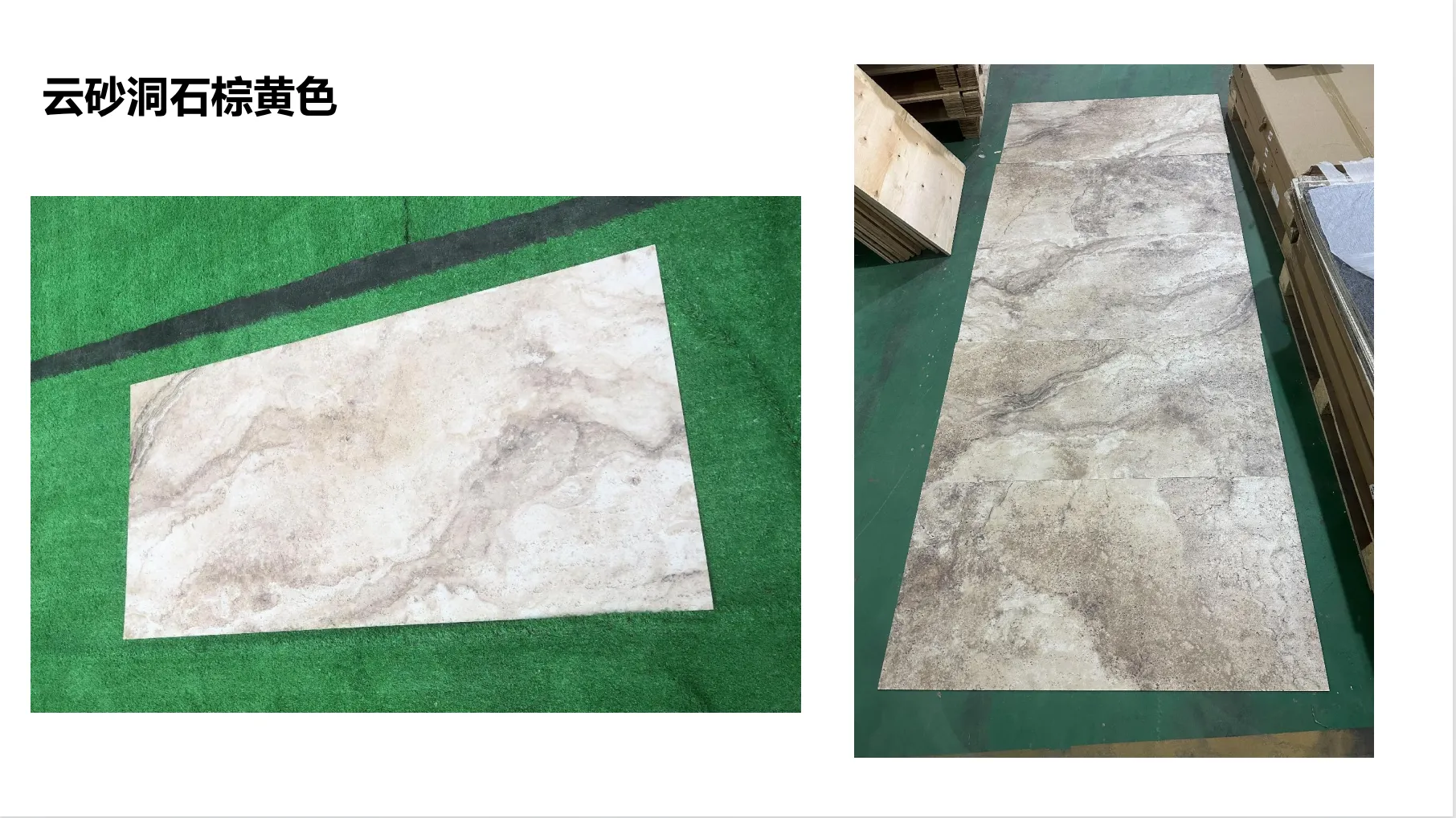
Dolomitic Travertine (Claybank) isn't just a stone—it's a story written in mineral deposits and slow-moving water. Unlike its more common cousin, standard travertine, dolomitic travertine gets its name from dolomite, a mineral that replaces some of the calcium carbonate in its composition. This gives it a unique density and a warm, earthy hue that leans toward soft clay or sandstone tones—hence the "Claybank" label. Think of it as travertine with a cozy, sun-baked personality.
Most dolomitic travertine forms in hot springs or limestone caves, where mineral-rich water trickles down, leaving behind layers of sediment over centuries. It's a process that feels almost poetic: each pore, each subtle veining, is a fingerprint of the environment that created it. Run your hand over a slab, and you might feel tiny indentations—those are the "eyes" of the stone, formed by gas bubbles trapped as the travertine solidified. They're not flaws; they're character marks, like freckles on a loved one's face.
Let's talk numbers, but keep it real: Dolomitic Travertine (Claybank) has a Mohs hardness rating of around 3.5 to 4. That's softer than granite, sure, but don't let that fool you. In low-traffic areas—think a bedroom floor, a bathroom backsplash, or a cozy reading nook—it holds up beautifully. Its dolomite content adds a bit more density than standard travertine, making it slightly more resistant to scratches and chips than you might expect.
Here's the catch: It's porous. Those charming pores we mentioned? They can absorb liquids if left unchecked. A spilled glass of red wine or a drippy ice cream cone could stain if not wiped up quickly. But with a good sealant (applied once a year or so), it becomes a reliable companion. Think of it like a wool sweater—needs a little care, but worth it for the warmth it brings.
If granite is a bold statement, Dolomitic Travertine (Claybank) is a quiet hug. Its color palette is soft and inviting: think warm beiges, sandy taupes, and hints of pale gold. The veining is subtle—more like gentle brushstrokes than bold streaks—creating a sense of calm. When sunlight hits it, the stone seems to glow from within, as if it's storing the warmth of a summer day.
Designers love it for spaces that aim for "organic luxury." Imagine a kitchen backsplash in Claybank dolomitic travertine, paired with light wood cabinets and brass fixtures—it feels timeless, not trendy. Or a bathroom floor where each step feels like walking on a sun-warmed beach, minus the sand between your toes. It's versatile enough to fit modern minimalism or rustic charm, but it truly shines in spaces that prioritize comfort over flash.
Granite is the rockstar of the stone world—and for good reason. Formed deep within the Earth's crust, it's the result of molten magma cooling and solidifying over millions of years. This slow crystallization process creates a dense, interlocking structure of quartz, feldspar, and mica, making it one of the hardest natural stones around. If dolomitic travertine is a poet, granite is a blacksmith—forged in heat, built to last.
Its name comes from the Latin "granum," meaning "grain," a nod to its speckled, granular texture. From the pinks of Brazilian Rosa Beta to the deep blacks of Indian Absolute Black, granite comes in a riot of colors and patterns, each quarried from different corners of the globe. It's a stone with a passport, carrying the stories of mountains, volcanoes, and tectonic shifts in every slab.
Let's cut to the chase: Granite is tough. With a Mohs hardness rating of 6 to 7, it's resistant to scratches, heat, and stains (when sealed). You could place a hot pan directly on it, spill coffee, or even chop vegetables on it (though we don't recommend the latter—save your knives!). It's the kind of stone that laughs at daily wear and tear, making it a favorite for high-traffic areas like kitchen countertops, entryways, and commercial lobbies.
But here's the trade-off: Its density makes it heavy. Installing a granite countertop isn't a one-person job, and it may require extra support in some cases. It's also less forgiving than travertine—if it does chip (a rare occurrence), the repair is more noticeable because of its tight grain. Think of it as a reliable truck versus a vintage car: the truck won't turn heads, but it'll never let you down.
Granite doesn't do subtle. Its patterns are bold, its colors are vibrant, and it demands attention. From the swirling whites and grays of White Ice to the deep reds and blacks of Ubatuba, each slab is a one-of-a-kind masterpiece. The flecks of mica catch the light, adding a subtle shimmer, while larger mineral grains create depth and texture.
It's a stone for statement-makers. A granite island in a modern kitchen becomes the focal point, drawing the eye and anchoring the space. In a commercial setting, like a hotel lobby, a polished granite floor exudes luxury and permanence. But it's not all about drama—neutral granites like Baltic Brown or Giallo Ornamental offer a more understated elegance, proving granite can play well with others too.
| Feature | Dolomitic Travertine (Claybank) | Granite |
|---|---|---|
| Mohs Hardness | 3.5–4 (softer, needs care) | 6–7 (hard, highly durable) |
| Porosity | Porous (requires sealing yearly) | Low porosity (seal every 2–3 years) |
| Aesthetic Vibe | Warm, earthy, soft veining (cozy, organic) | Bold, speckled, vibrant (dramatic, luxurious) |
| Best For | Bedrooms, bathrooms, low-traffic living areas | Kitchens, entryways, commercial spaces |
| Maintenance | Moderate (wipe spills quickly, seal yearly) | Low (wipe spills, occasional sealing) |
| Weight | Lighter (easier to install) | Heavier (may need extra support) |
Take Maria, a designer who renovated a 1920s cottage in upstate New York. She wanted the space to feel like a "hug from the past," so she chose Dolomitic Travertine (Claybank) for the living room floor. "The stone's warm clay color matched the original wooden beams perfectly," she says. "And those little pores? They actually help with traction in the winter, when the floor gets damp. It's not just beautiful—it's practical." She sealed it once a year and even embraced the occasional stain as "character." Now, when guests walk in, they don't just see a floor—they feel like they've stepped into a story.
Then there's Raj, who owns a trendy coffee shop in downtown Chicago. His goal? A space that felt "edgy yet inviting." He went with a Black Galaxy granite countertop for the bar. "It's sleek, it's dark, and the gold flecks catch the café lights—customers can't stop taking photos of their lattes on it," he laughs. "And with 500+ customers a day, spills are inevitable. But the granite? It just wipes clean. No stains, no scratches. It's the hardest worker in the shop."
At the end of the day, choosing between Dolomitic Travertine (Claybank) and Granite isn't about which is "better"—it's about which aligns with your space, your lifestyle, and the feeling you want to evoke. Do you crave warmth and history, even if it means a little extra care? Go with travertine. Need something tough, bold, and ready for anything? Granite is your stone.
And here's a secret: They can even play well together. Imagine a kitchen with a Claybank travertine backsplash and a granite countertop—the softness of the travertine balancing the drama of the granite. It's all about harmony, not hierarchy.
So, as you stand in that sunlit room, sketch in hand, remember: The best stone is the one that feels like *you*. Whether it's the quiet poetry of Dolomitic Travertine (Claybank) or the bold strength of Granite, both have the power to turn a house into a home—and a space into a story.
Recommend Products












