


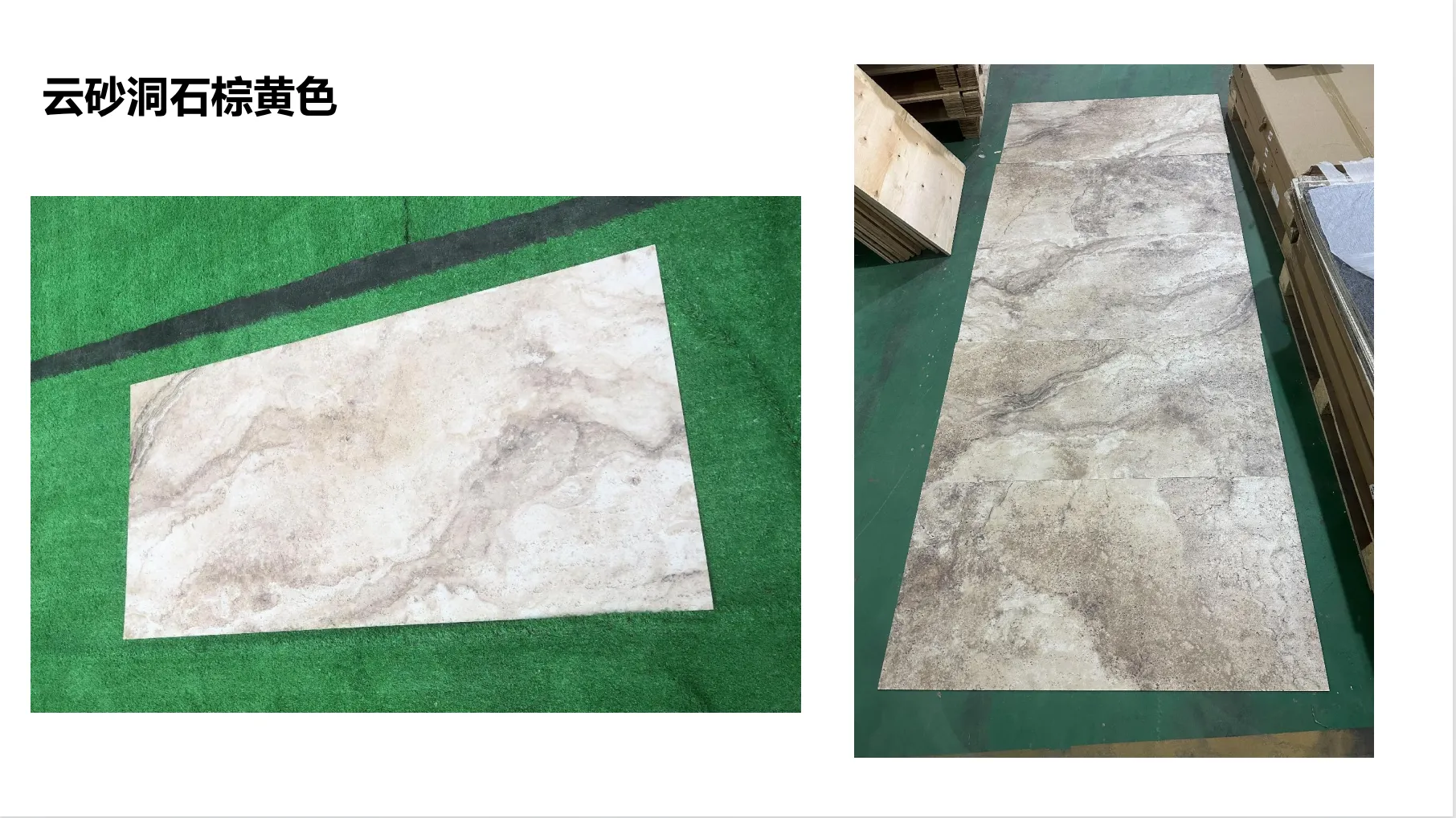
Choosing the right natural stone for your project is like picking the perfect brushstroke for a masterpiece—it shapes the mood, durability, and legacy of the space. Whether you're designing a cozy home kitchen, a bustling commercial lobby, or an outdoor patio that braves the elements, travertine often emerges as a top contender. Its earthy warmth, timeless appeal, and organic texture make it a favorite among designers and homeowners alike. But not all travertine is created equal. Walk into any stone showroom, and you'll likely encounter two heavyweights: the classic regular travertine (think soft beiges and ivories) and the lesser-known but increasingly popular dolomitic travertine (claybank). At first glance, they might seem similar—both are sedimentary stones with that signature "bubble" texture—but dig deeper, and you'll find critical differences that can make or break your project. Let's dive in.
First Things First: What Even Is Travertine?
Before we pit these two against each other, let's get back to basics. Travertine is a form of limestone that forms in hot springs and limestone caves, where mineral-rich water cools and deposits calcium carbonate. Over time, these deposits build up, creating layers of stone filled with tiny holes (left by gas bubbles) and subtle veining. It's this unique formation that gives travertine its character—those "imperfections" are actually part of its charm, telling a story of millions of years of geological activity. Historically, travertine has adorned iconic structures like the Colosseum in Rome and the Getty Center in Los Angeles, proving its staying power in both ancient and modern design.
But within the world of travertine, there's a split: regular travertine, which is primarily calcium carbonate, and dolomitic travertine, which has a higher concentration of dolomite—a mineral made of calcium magnesium carbonate. This seemingly small chemical difference leads to big variations in how these stones look, perform, and behave in real-world settings. And when it comes to dolomitic travertine, one of the most sought-after varieties is the claybank hue—a rich, earthy tone that feels both rustic and refined.
Meet the Contenders: Regular Travertine (Beige) vs. Dolomitic Travertine (Claybank)
Regular Travertine: The Timeless Classic
Regular travertine is the stone most people picture when they hear the word "travertine." It's the soft, warm beige slab in your friend's bathroom, the ivory floor in a boutique hotel lobby, or the golden-hued patio tiles that glow at sunset. Its color palette leans toward neutral territory—think cream, sand, honey, and light brown—with subtle variations that add depth without overwhelming a space. Travertine (beige), for example, is a crowd favorite for its versatility; it pairs effortlessly with almost any decor style, from modern minimalist to traditional Tuscan.
What sets regular travertine apart is its porous nature. Those tiny holes we mentioned? They're a result of carbon dioxide bubbles escaping during formation, and while they're often filled with resin or cement during processing, they still give the stone a slightly textured, matte finish. This porosity also means regular travertine has a warm, tactile quality—run your hand over it, and you'll feel the gentle ridges and valleys, like the surface of a river stone smoothed by time.
Commonly used in indoor spaces like bathrooms, living rooms, and bedrooms, regular travertine thrives in low-to-moderate traffic areas. Its soft color and subtle veining create a calming atmosphere, making it ideal for spaces where relaxation is key. Imagine stepping out of a hot shower onto a floor of travertine (beige)—it's cool underfoot, yet somehow feels cozy, like walking on warm sand at dawn.
Dolomitic Travertine (Claybank): The Hardier, Richer Cousin
Dolomitic travertine, on the other hand, is the newer kid on the block—but it's quickly gaining a reputation for being a workhorse with style. What makes it "dolomitic" is its higher dolomite content, which forms when magnesium-rich water interacts with calcium carbonate during formation. This extra magnesium gives the stone a denser, more compact structure, making it harder and less porous than regular travertine. And when we talk about dolomitic travertine (claybank), we're referring to a specific color variant that's become a darling of designers: a deep, earthy clay tone with hints of terracotta, amber, and warm brown. Picture the color of adobe bricks baked by the sun, or the rich, red-brown soil of a countryside field in late summer—that's claybank.
Unlike the soft uniformity of regular travertine, dolomitic travertine (claybank) often has more pronounced color variation. Some slabs might lean toward a warm terracotta, others toward a deeper, almost chocolatey brown, with veins of cream or gold running through them. This variation makes each slab unique—no two are exactly alike—which adds a sense of organic luxury to any space. It's the kind of stone that becomes a focal point, whether it's used as a kitchen backsplash, a fireplace surround, or an outdoor patio.
Thanks to its dolomite content, dolomitic travertine is also denser and less porous than its regular counterpart. That means fewer holes, a smoother surface, and better resistance to scratches, stains, and water. It's like nature's upgrade—same beautiful travertine aesthetic, but with a sturdier backbone.
The Key Differences: Breaking Down the Basics
Now that we've met both stones, let's dive into the nitty-gritty: how do they stack up when it comes to composition, appearance, durability, and more? Let's break it down.
1. Composition & Formation: The Science Behind the Stone
At the heart of the difference between regular and dolomitic travertine is their mineral makeup. Regular travertine is primarily calcium carbonate (CaCO3), formed when calcium-rich water (like that from hot springs) evaporates and leaves behind mineral deposits. Dolomitic travertine, on the other hand, is a mix of calcium carbonate and dolomite (CaMg(CO3)2), a mineral that forms when magnesium ions replace some of the calcium ions in the stone's structure. This happens when the water that forms the travertine is high in magnesium, leading to a slower, more compact crystallization process.
Why does this matter? Dolomite is harder and more resistant to chemical weathering than calcium carbonate. So, while both stones are formed in similar environments (hot springs, caves), the addition of magnesium in dolomitic travertine gives it a denser, more robust structure. Think of it like comparing a sponge (regular travertine) to a loofah (dolomitic travertine)—both are porous, but the loofah is firmer and holds its shape better.
2. Appearance: Color, Texture, and Character
When it comes to aesthetics, the differences between regular travertine (beige) and dolomitic travertine (claybank) are striking—yet subtle enough that you might not notice them at first glance. Let's start with color:
- Regular Travertine (Beige): Soft, warm, and neutral. Think "beige" in its most flattering form—never flat or boring, but rather a spectrum of creamy whites, light sands, and honeyed golds. Veining is typically subtle, with thin, wispy lines in shades of tan or light brown. The overall effect is calm and timeless, like a quiet morning on the beach.
- Dolomitic Travertine (Claybank): Rich, earthy, and dynamic. Claybank is all about depth—warm terracotta, amber, and deep brown tones with undertones that shift depending on the light. Some slabs might have patches of cream or gold that pop against the clay base, while others lean toward a more uniform, rustic look. Veining here is often more pronounced, with thicker, bolder lines that add drama without overpowering.
Texture is another key differentiator. Regular travertine, with its higher porosity, tends to have a more tactile, matte surface. Even when polished, it retains a soft sheen rather than a high gloss, which helps hide scratches and wear. Dolomitic travertine (claybank), being denser, has a smoother, more consistent surface. It can still be honed for a matte finish or polished for a subtle glow, but the overall texture feels more "solid" underfoot—less like walking on sand, more like walking on a well-worn leather boot.
To put it in context: Imagine two kitchens. One has regular travertine (beige) countertops paired with white cabinetry and slate veil white backsplash tiles—the space feels bright, airy, and timeless. The other has dolomitic travertine (claybank) floors with wood grain board cabinetry—the space feels warm, grounded, and full of character, like a cabin in the woods that's been updated for modern living. Both are beautiful, but they set entirely different moods.
3. Durability: How They Stand Up to the Test of Time
When it comes to durability, dolomitic travertine (claybank) has a clear edge—and it all comes back to that dolomite content. Let's talk numbers: the Mohs Hardness Scale, which measures a mineral's resistance to scratching, rates regular travertine at around 3-4 (softer than marble, harder than talc). Dolomitic travertine, thanks to its dolomite, clocks in at 4-5, making it closer in hardness to granite (which is 6-7). What does that mean for your project?
- Scratch Resistance: Regular travertine is prone to scratches from heavy furniture, pet claws, or sharp objects. Dolomitic travertine (claybank) is more scratch-resistant, making it better for high-traffic areas like entryways, kitchens, or commercial lobbies.
- Stain Resistance: Regular travertine's porosity means it absorbs liquids quickly—spill a glass of red wine, and you'll need to blot immediately to avoid a stain. Dolomitic travertine, being less porous, gives you a little more time—those same wine spills are less likely to seep in, though you still shouldn't leave them unattended.
- Weather Resistance: Regular travertine can handle outdoor use, but it's more susceptible to freeze-thaw damage in cold climates (water seeps into pores, freezes, expands, and cracks the stone). Dolomitic travertine (claybank), with its lower porosity, is more resilient in harsh weather, making it a better choice for outdoor patios, pool decks, or walkways in areas with fluctuating temperatures.
That said, neither stone is indestructible. Both require sealing to protect against stains and moisture, and both can chip if hit with heavy objects. But if you're looking for a stone that can handle the chaos of family life, pets, or commercial foot traffic, dolomitic travertine (claybank) is the more durable option.
4. Porosity & Water Resistance: The Battle Against Moisture
Porosity is the Achilles' heel of many natural stones, and travertine is no exception. Regular travertine is highly porous—imagine a sponge with tiny holes that absorb water, oil, and dirt. Without proper sealing, it can stain easily and even harbor mold or mildew in damp environments like bathrooms or basements. That's why regular travertine in wet areas needs to be sealed every 6-12 months, depending on use.
Dolomitic travertine (claybank), thanks to its denser structure, is less porous. It still has some porosity—after all, it's travertine—but the holes are smaller and fewer, which means less water absorption. This makes it more water-resistant, which is a game-changer for spaces like kitchens (where spills are inevitable), outdoor patios (rain, snow), or bathrooms (steam, standing water). While it still needs sealing, dolomitic travertine can go 1-2 years between treatments, saving you time and money in the long run.
5. Applications: Where Each Stone Shines
Now that we've covered the "what" and "why," let's talk about the "where." Both regular and dolomitic travertine have their sweet spots when it comes to applications, and choosing the right one depends on your project's needs.
Regular Travertine (Beige): Best for Low-to-Moderate Traffic, Indoor Spaces
Regular travertine's softness and warmth make it ideal for indoor spaces where comfort and aesthetics take priority over heavy durability. Think:
- Bathrooms: Its natural slip resistance (when honed) and warm color make it perfect for shower floors, vanity tops, or wall cladding. Pair it with slate veil white tiles for a fresh, spa-like vibe.
- Bedrooms: A regular travertine (beige) floor adds warmth underfoot, making early mornings a little cozier. It pairs beautifully with wood grain board furniture for a natural, earthy look.
- Living Rooms: As a fireplace surround or accent wall, regular travertine adds texture and warmth without overwhelming the space. Its neutral color lets your furniture and decor take center stage.
Outdoor use is possible, but regular travertine is best suited for covered patios or shaded areas in mild climates. Avoid using it in areas with heavy rain, snow, or freeze-thaw cycles, as the porosity can lead to damage over time.
Dolomitic Travertine (Claybank): Best for High-Traffic, Indoor/Outdoor Spaces
Dolomitic travertine (claybank) is the workhorse of the two, thanks to its durability and water resistance. It shines in:
- Kitchens: As countertops or backsplashes, it stands up to spills, heat, and daily wear. Its rich color hides stains better than regular travertine, and its density means it won't scratch easily from pots, pans, or utensils.
- Outdoor Patios & Walkways: Rain, snow, foot traffic—dolomitic travertine (claybank) handles it all. Its earthy color complements gardens and landscaping, and its density resists cracking from freeze-thaw cycles.
- Commercial Spaces: Lobbies, restaurants, retail stores—areas with heavy foot traffic benefit from dolomitic travertine's scratch resistance and durability. It maintains its beauty even with hundreds of people walking on it daily.
Indoors, it's also a great choice for entryways (where shoes track in dirt and moisture) or family rooms (where kids and pets run wild). Its rich color adds warmth and personality, making it a focal point rather than a background player.
6. Maintenance: What You'll Need to Keep Them Looking Great
Neither travertine is "no-maintenance," but dolomitic travertine (claybank) is definitely the easier of the two to care for. Here's how they stack up:
Regular Travertine (Beige) Maintenance
- Cleaning: Sweep or vacuum regularly to remove dirt and debris (which can scratch the surface). Mop with a pH-neutral stone cleaner—avoid harsh chemicals like bleach or vinegar, which can etch the stone.
- Sealing: Seal every 6-12 months, depending on use. High-traffic or wet areas (like bathrooms) may need sealing every 6 months, while low-traffic areas can go a year.
- Stain Removal: Blot spills immediately with a clean cloth. For oil-based stains (like cooking oil), use a poultice of baking soda and water to draw out the stain. For organic stains (like wine), hydrogen peroxide (diluted) can help—test in an inconspicuous area first.
Dolomitic Travertine (Claybank) Maintenance
- Cleaning: Same as regular travertine—sweep, vacuum, and mop with a pH-neutral cleaner. The denser surface means dirt and grime are less likely to stick, so cleaning is often faster and easier.
- Sealing: Seal every 1-2 years. Its lower porosity means the sealant lasts longer, saving you time and money.
- Stain Removal: Spills still need to be blotted, but the denser surface gives you a little more time before stains set. Most stains can be removed with a simple wipe and mild cleaner—no need for harsh poultices unless the spill is left unattended for hours.
In short: If you're willing to put in a little extra effort (more frequent sealing, careful cleaning), regular travertine (beige) is a dream. If you want a stone that's more "set it and forget it," dolomitic travertine (claybank) is the way to go.
Side-by-Side: The Comparison Table
| Factor | Regular Travertine (Beige) | Dolomitic Travertine (Claybank) |
|---|---|---|
| Primary Mineral | Calcium carbonate | Calcium magnesium carbonate (dolomite) |
| Color Palette | Soft beige, cream, sand, honey (neutral, warm) | Deep clay, terracotta, amber, brown (earthy, rich) |
| Mohs Hardness | 3-4 (softer) | 4-5 (harder) |
| Porosity | High (more holes, absorbs liquids easily) | Low (denser, fewer holes, better water resistance) |
| Best For | Low-traffic indoor spaces (bedrooms, bathrooms, living rooms); covered outdoor areas in mild climates | High-traffic indoor/outdoor spaces (kitchens, patios, commercial areas); wet or harsh climates |
| Sealing Frequency | Every 6-12 months | Every 1-2 years |
| Stain Resistance | Low (needs immediate blotting) | Moderate (more forgiving with spills) |
When to Choose Which: A Quick Guide
Still on the fence? Here's a cheat sheet to help you decide:
Choose Regular Travertine (Beige) If:
• You want a soft, neutral, timeless look.
• Your project is indoors with low-to-moderate traffic (bedroom, bathroom, living room).
• You're on a budget (regular travertine is often more affordable than dolomitic).
• You don't mind more frequent maintenance (sealing every 6-12 months).
• You love the classic travertine aesthetic and want to pair it with other neutral stones like slate veil white.
Choose Dolomitic Travertine (Claybank) If:
• You want a rich, earthy, statement-making color.
• Your project is high-traffic (kitchen, entryway, commercial space) or outdoor (patio, walkway).
• You need better durability, water resistance, or scratch resistance.
• You prefer lower maintenance (sealing every 1-2 years).
• You want a stone that ages beautifully, developing a unique patina over time.
Final Thoughts: It's All About Your Project's Personality
At the end of the day, both regular travertine (beige) and dolomitic travertine (claybank) are stunning, natural stones with their own unique personalities. Regular travertine is the quiet, reliable friend—the one who fits in anywhere and makes every space feel like home. Dolomitic travertine (claybank) is the bold, adventurous cousin—the one who turns heads and adds character to even the most ordinary room.
When choosing between them, ask yourself: What's the vibe of my space? How much traffic will it get? Am I willing to put in the maintenance? And most importantly, which color speaks to me? Whether you go with the classic warmth of regular travertine or the rich depth of dolomitic travertine (claybank), you're choosing a stone with history, beauty, and the ability to transform any project into something extraordinary.
So go ahead—touch the samples, imagine them in your space, and trust your gut. After all, the best stone is the one that feels like "you."










