
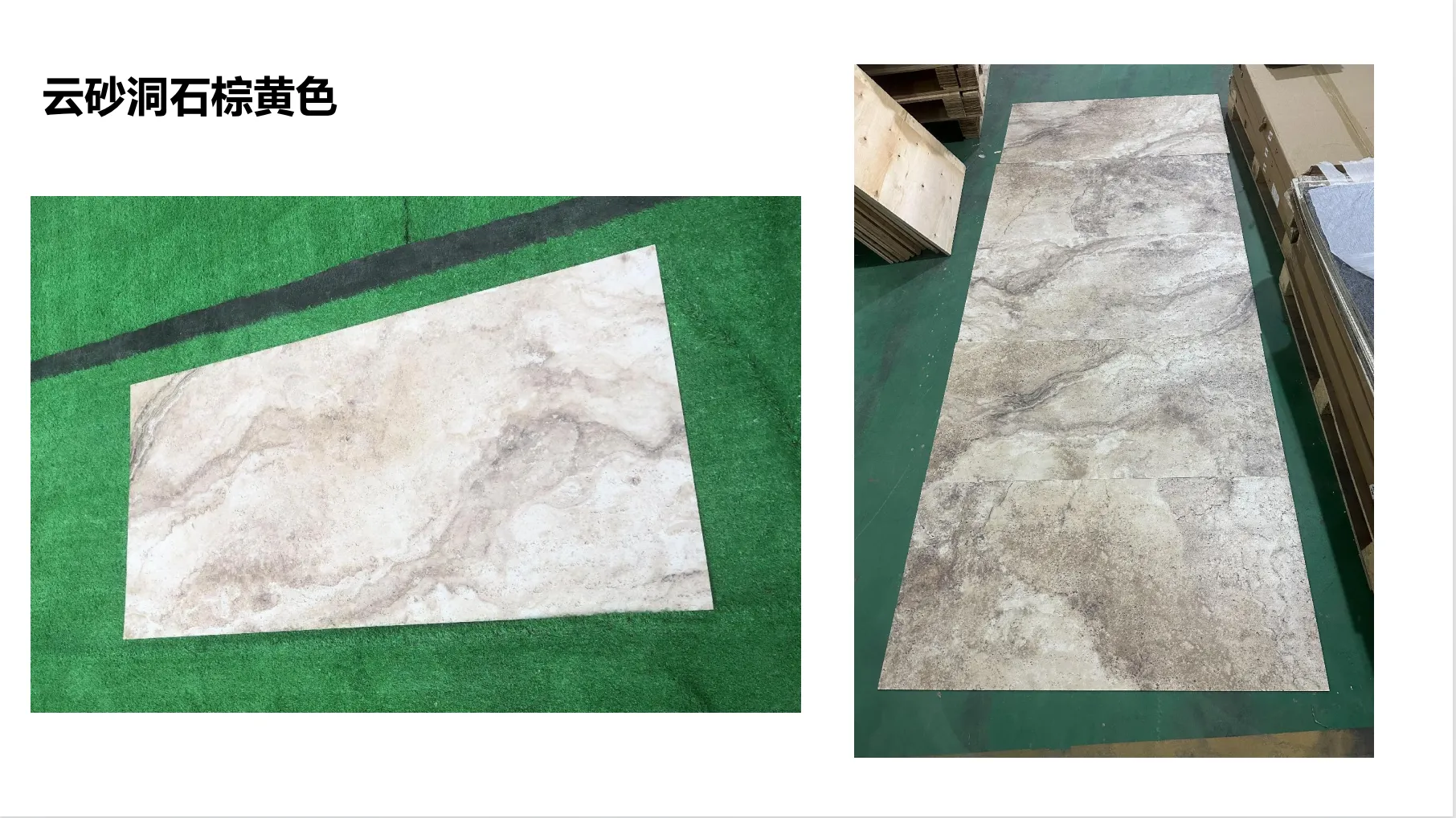
When it comes to building or renovating the exterior of a home, office, or commercial space, one question always looms large: which material can stand up to the elements year after year? Whether you're dealing with scorching sun, freezing winters, heavy rain, or coastal salt spray, the right choice can mean the difference between a facade that looks fresh for decades and one that starts showing wear within a few seasons. Today, we're diving into two popular contenders: Dolomitic Travertine (Claybank) and Sandstone . Both have their fans, but when it comes to weather resistance—the ultimate test for outdoor materials—there's a clear front-runner. Let's break it down, step by step.
Before we pit them against each other, let's make sure we're all on the same page about what these materials actually are. After all, not everyone spends their weekends geeking out over stone compositions (no judgment if you do—we're right there with you).
Dolomitic Travertine (Claybank) is a specific type of travertine, a natural stone formed from mineral-rich spring water. What sets it apart? Its high dolomite content—a mineral that gives it a denser, more durable structure than traditional travertine. Picture a stone with a warm, earthy claybank hue (hence the name) and subtle, organic textures—think tiny fossilized bubbles or soft veining—that add character without feeling overwhelming. It's not just pretty, though; this stone is often part of innovative product lines like the mcm big slab board series , which means it's engineered for large-scale applications. Those big slabs? They minimize grout lines, reducing nooks where water, dirt, and mold can hide—smart design for weather resilience right out of the gate.
Another bonus? Many Dolomitic Travertine (Claybank) products fall under the umbrella of flexible stone technology. That doesn't mean it bends like rubber, but it does have a slight give—enough to absorb minor impacts or temperature-related expansion without cracking. Think of it as a stone with a "buffer zone" against the stresses of harsh weather.
Sandstone, on the other hand, is the old soul of building materials. A sedimentary rock formed over millions of years from compressed sand-sized grains (quartz, feldspar, and other minerals), it's known for its warm, rustic look—think cozy cottages, historic courthouses, or that charming bed-and-breakfast with a stone facade. It comes in a range of earthy tones, from soft beiges to rich reds, and its surface often has a granular, textured feel that screams "natural." But here's the catch: that texture and porosity are double-edged swords. Those tiny pores that give sandstone its character? They're also entry points for water, salt, and pollutants—all enemies of weather resistance.
Let's cut to the chase: how do these two stack up when Mother Nature turns up the heat (or the rain, or the snow)? We'll break it down by the key threats to outdoor stone: water, temperature swings, UV rays, and chemicals. Spoiler: one handles them all better than the other.
Water is public enemy number one for outdoor stone. When a stone absorbs water, it's not just about staining—it's about freeze-thaw cycles. Imagine a cold winter: water seeps into pores, freezes overnight, expands by 9%, and cracks the stone from the inside out. Repeat this a few times, and even the sturdiest-looking facade starts to crumble.
Sandstone is notoriously porous. Depending on the type, it can absorb 5-15% of its weight in water—yikes. That's like leaving a sponge out in the rain. Even with sealing, it needs reapplication every 1-2 years to stay protected, and if you miss a spot? Water finds it. Dolomitic Travertine (Claybank), thanks to its dolomite content, is much denser. Its absorption rate? Typically 1-3%—less than a third of sandstone's. That dolomite acts like a natural sealant, tightening up the stone's structure and keeping water out. Pair that with the mcm big slab board series design (fewer grout lines = fewer weak spots), and you've got a stone that laughs in the face of rainstorms.
Whether you live in the desert (120°F summers) or the mountains (-20°F winters), temperature extremes test a stone's mettle. All materials expand when hot and contract when cold, but too much movement leads to spalling (flaking) or cracking.
Sandstone has a higher thermal expansion coefficient, meaning it moves more with temperature changes. In the desert, that can lead to warping or "pop-outs" where grains loosen and fall off. In cold climates, the freeze-thaw damage we mentioned earlier is amplified by that movement. Dolomitic Travertine (Claybank) is more stable. Its dense, crystalline structure resists expansion and contraction, and that flexible stone quality adds a little forgiveness. Think of it as a stone that "breathes" with temperature changes instead of fighting them—less stress, fewer cracks.
Ever noticed how old red sandstone buildings sometimes look pink or washed out? That's UV damage. Sunlight breaks down the iron oxides and other pigments that give sandstone its color, leaving it looking dull and aged before its time. Even darker sandstones fade over 5-10 years in direct sunlight.
Dolomitic Travertine (Claybank) is a different story. Its color comes from stable minerals like dolomite and calcite, which are far less susceptible to UV breakdown. The claybank hue stays rich and warm, even after years of baking in the sun. Architects love it for south-facing facades or pool decks, where other stones would start to look tired.
Cities have acid rain; coastal areas have salt spray; sidewalks get de-icer in winter. All of these are chemical attackers that can eat away at stone.
Sandstone, especially varieties high in calcite, reacts badly to acids. Acid rain dissolves the stone's surface, leaving pockmarks or a "sugary" texture (where grains loosen and fall off). Salt spray is just as bad—it crystallizes in pores, expanding and causing spalling. Dolomitic Travertine (Claybank), with its dolomite (calcium magnesium carbonate) composition, is more resistant. It's less reactive to acids and salts, so it holds up better in urban or coastal environments. Think of it as the stone equivalent of a raincoat vs. a cotton shirt—one repels the muck, the other soaks it up.
| Factor | Dolomitic Travertine (Claybank) | Sandstone |
|---|---|---|
| Water Absorption Rate | 1-3% (low porosity) | 5-15% (high porosity) |
| Freeze-Thaw Resistance | Excellent (minimal cracking) | Poor (prone to cracking without frequent sealing) |
| UV Color Retention | 8-10 years (stable minerals) | 5-7 years (fades in direct sunlight) |
| Chemical Resistance | High (resists acid rain, salt) | Low (vulnerable to acids, salts) |
| Maintenance Frequency | Seal every 3-5 years | Seal every 1-2 years |
Let's ground this in real life. Take a coastal home in Miami, where salt spray and humidity are constant. The homeowner chose Dolomitic Travertine (Claybank) for their pool deck and facade. Five years later, it still looks brand new—no cracks, no discoloration, just that same warm claybank tone. Now, contrast that with a sandstone patio in Seattle, where rain is a weekly occurrence. After three winters, the edges are starting to chip, and there are dark water stains that won't come out, even with power washing. The difference? That porosity and freeze-thaw damage we talked about.
Or consider a commercial project: a restaurant in Phoenix with a south-facing facade. They went with the mcm big slab board series featuring Dolomitic Travertine (Claybank). Even in 110°F summers, the slabs haven't warped, and the color hasn't faded. A neighboring building with sandstone? Its red hue has turned pink, and there are visible gaps between stones from thermal expansion.
Let's talk dollars and sense. Sandstone might cost less upfront, but it's a high-maintenance relationship. You'll need to seal it every 1-2 years (at $1-3 per square foot), clean it regularly to prevent staining, and repair chips or cracks as they appear. Over 10 years, that adds up—easily doubling the initial cost.
Dolomitic Travertine (Claybank) is the low-maintenance partner. Seal it once every 3-5 years, hose it down occasionally, and you're good to go. Those big slabs mean fewer seams to clean, and the dense surface resists stains. Over time, it's actually the more cost-effective choice—you're paying a bit more upfront, but saving on labor and repairs later.
We're not saying sandstone is all bad. If you live in a mild climate—think Southern California with little rain and no freeze-thaw cycles—and you love that rustic, historic look, sandstone can work. It's perfect for accent walls, garden paths, or indoor-outdoor fireplaces where weather exposure is minimal. Just be prepared to baby it with regular sealing.
At the end of the day, when weather resistance is your top priority, Dolomitic Travertine (Claybank) is the clear winner. Its low porosity, UV stability, chemical resistance, and flexible stone technology make it tough enough to handle rain, snow, salt, and sun—all while looking great for decades. Add in the benefits of the mcm big slab board series (seamless, low-maintenance installations), and it's hard to beat.
Sandstone has charm, no doubt, but it's best saved for mild climates or indoor use. When you're investing in an outdoor space, you want a material that can keep up with whatever Mother Nature throws at it. Dolomitic Travertine (Claybank) doesn't just keep up—it thrives.
So, if you're ready to build something that lasts—something that looks as good in 10 years as it does today—Dolomitic Travertine (Claybank) is the way to go. Your future self (and your wallet) will thank you.
Recommend Products












