
Choosing the right material for your space—whether it's a cozy home renovation or a sprawling commercial project—feels a bit like picking a partner. You want something that looks good, lasts long, and fits your lifestyle (or in this case, your project's needs). Today, we're diving into two heavyweights in the world of design: Dolomitic Travertine (Claybank) and Terrazzo. Both have their fans, but they're as different as a handcrafted leather journal and a sleek digital tablet. Let's break down their personalities, strengths, and quirks to help you decide which one deserves a spot in your next project.
Before we start geeking out over textures and durability, let's make sure we're all on the same page about what these materials even are. It's easy to mix up stone names, but trust me—knowing the basics will make the rest of this conversation way clearer.
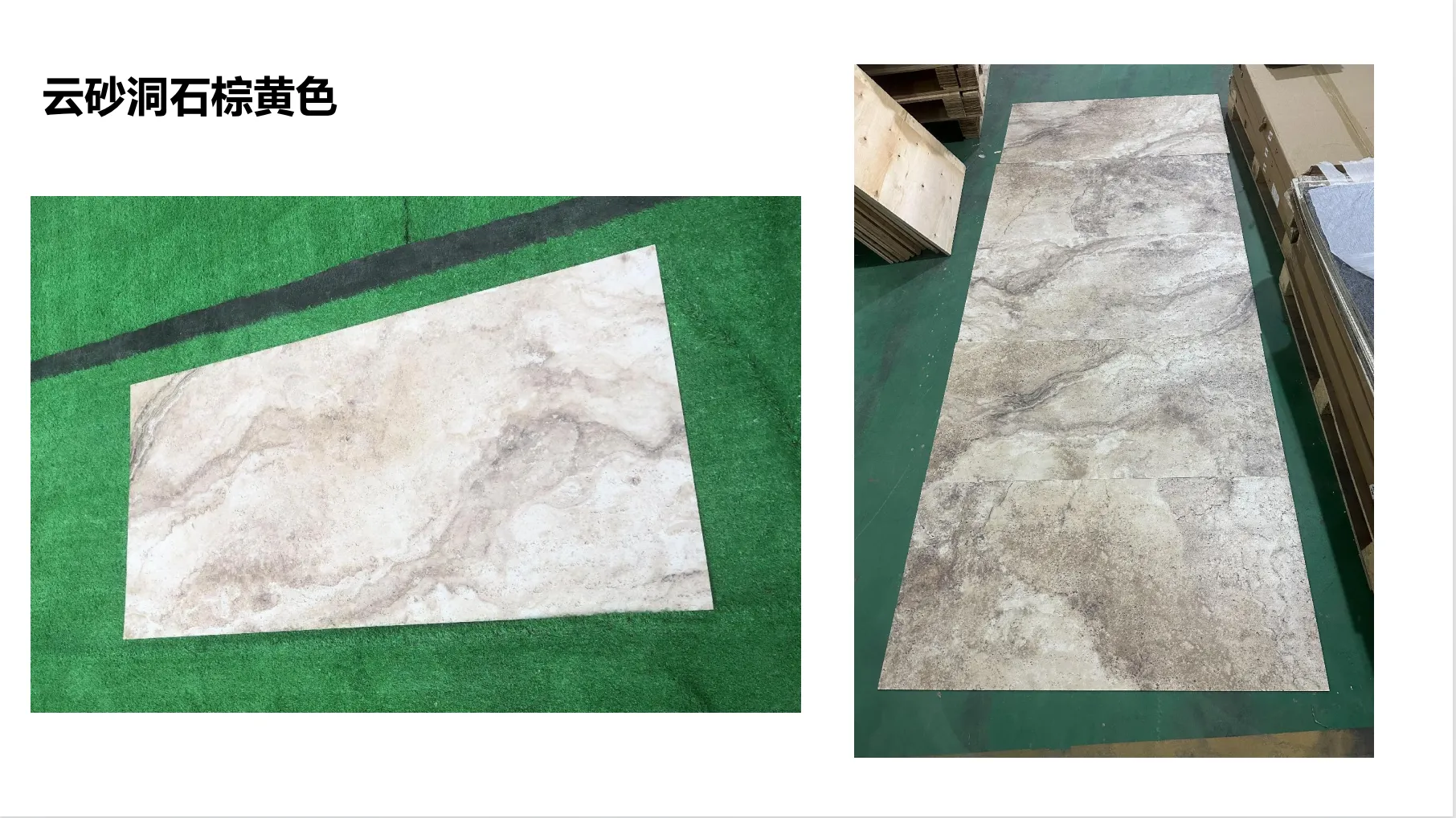
Let's start with Dolomitic Travertine (Claybank). Travertine itself is a type of limestone formed by mineral deposits from hot springs, and it's been used in architecture for centuries—think ancient Roman baths or the Colosseum. But Dolomitic Travertine is a specific variety that gets its name from dolomite, a mineral that adds extra hardness compared to regular travertine. The "Claybank" descriptor? That's all about color. Imagine the soft, warm hue of sun-baked clay—earthy, slightly muted, with hints of beige and terracotta. It's the kind of shade that feels both grounded and timeless, like a well-loved sweater you never want to take off.
What makes Dolomitic Travertine (Claybank) stand out is its natural texture. It's porous, with tiny holes and grooves that tell the story of how it formed—slowly, over time, as mineral-rich water evaporated and left behind layers of sediment. Those pores aren't just for show, though; they give the stone a unique tactile quality, like running your hand over a smooth river rock that's been polished by nature. And because it's a natural stone, no two slabs are exactly alike. You might get subtle veining, little flecks of other minerals, or slight variations in color—details that make your space feel one-of-a-kind, not mass-produced.
Terrazzo, on the other hand, is a bit of a rebel in the material world. It's not mined from the earth like travertine; it's made by humans, mixing chips of stone, glass, marble, or even metal into a binder (traditionally cement, though modern versions might use epoxy). The mixture is poured, polished, and sealed, resulting in a smooth, glossy surface that's equal parts art and function. Think of it as the mosaic's more sophisticated cousin—less about tiny tiles and more about creating a seamless, bold statement.
Terrazzo has been around for centuries too, believe it or not. Its roots trace back to 16th-century Italy, where Venetian workers would collect leftover stone chips from wealthy homes, mix them with clay, and use the material to pave their own courtyards. Over time, it evolved from a "poor man's marble" to a high-end choice, thanks to its versatility and ability to be customized. These days, you can find terrazzo in all sorts of styles: classic (think small, neutral chips in a white binder), bold (large, colorful glass chips), or even minimalist (monochromatic chips for a subtle, textured look).
What really sets terrazzo apart is its flexibility. Want a floor that looks like a starry night? Mix black epoxy with iridescent glass chips. Prefer something understated? Go for small marble chips in a soft gray binder. The color combinations are endless, and because it's poured in place (or precast into tiles), it can fit any shape or size—no awkward grout lines to break up the pattern. Plus, modern terrazzo uses epoxy binders, which are more durable and stain-resistant than the old cement versions, making it a practical choice for high-traffic areas.
At the end of the day, a lot of material choices come down to aesthetics. Does the look of the material align with the vibe you're trying to create? Let's put Dolomitic Travertine (Claybank) and terrazzo head-to-head in the style department.
Dolomitic Travertine (Claybank) is all about warm, earthy neutrals. Its base color is that soft claybank hue—think of a desert at dawn, or the color of a terracotta pot that's been baked in the sun for years. It pairs beautifully with other natural materials: wood tones, jute rugs, woven textiles. If your style is "Scandinavian minimalism with a boho twist" or "rustic farmhouse chic," this stone will fit right in. It's not a color that demands attention, but rather one that creates a calm, inviting backdrop for the rest of your decor. And because it's a neutral, it's easy to layer in pops of color—think vibrant throw pillows, a bold piece of art, or a bright area rug—without overwhelming the space.
Terrazzo, though? It's a color chameleon. The binder can be any shade under the sun, and the chips can be mixed and matched to create everything from soft pastels to bold neons. Want a terrazzo countertop in millennial pink with gold flecks? Done. Dreaming of a floor that looks like a stormy sea, with shades of blue and gray glass chips? Absolutely. This flexibility makes terrazzo a favorite for designers who want to make a statement. It's perfect for modern, eclectic, or even retro spaces—think mid-century modern living rooms, quirky coffee shops, or sleek office lobbies. That said, terrazzo can also do subtle: a white binder with tiny white marble chips looks fresh and minimalist, almost like a polished concrete but with more depth.
Texture is where these two materials really diverge. Dolomitic Travertine (Claybank) has an organic, tactile texture that feels alive. Those natural pores and grooves add depth—when light hits the stone, it catches in the crevices, creating subtle shadows that make the surface feel dynamic, not flat. Run your hand over it, and you'll notice the slight unevenness, a reminder that this stone was formed by nature, not a machine. It's the kind of texture that makes a space feel warm and lived-in, like a cabin in the woods or a beach house by the ocean.
Terrazzo, by contrast, is all about sleekness. After it's poured, it's ground down and polished to a smooth, glossy finish (though you can also get honed or matte versions if you prefer). The chips add texture, but in a controlled way—think of them as tiny bursts of visual interest within a smooth, continuous surface. Run your hand over terrazzo, and it feels cool and glassy, like a polished marble countertop. This sleekness makes it a great choice for modern spaces where clean lines and a minimalist aesthetic are key. It reflects light beautifully, too, which can make a small room feel larger and brighter—a bonus for apartments or tight hallways.
How a material interacts with light can make or break a space. Dolomitic Travertine (Claybank) has a soft, diffused glow. Because of its porous texture, it doesn't reflect light as strongly as a polished stone like marble or granite. Instead, it absorbs light gently, creating a warm, inviting ambiance. Picture a kitchen with claybank travertine countertops bathed in morning sunlight—the light would filter through the windows, bounce softly off the stone, and make the whole room feel cozy and bright, without the harsh glare of a super-shiny surface. It's the kind of material that works well in rooms with lots of natural light, as it won't overpower the space, but it also holds its own in dimmer areas, adding subtle warmth where needed.
Terrazzo, with its polished finish, is a light reflector. The smooth surface and the chips (especially glass or metallic ones) catch and bounce light around the room, creating a sense of energy and vibrancy. A terrazzo floor in a hallway with recessed lighting? It would sparkle and shine, making the space feel lively and modern. But this can be a double-edged sword: in rooms with lots of direct sunlight, terrazzo might feel too bright or reflective, especially if you opt for a white binder with light-colored chips. On the flip side, in a room with limited natural light, that reflectivity can be a lifesaver, making the space feel more open and airy.
Looks are important, but let's be real—you also need a material that can handle the chaos of everyday life. Whether you're dealing with kids, pets, spilled coffee, or heavy foot traffic, durability and practicality matter. Let's see how Dolomitic Travertine (Claybank) and terrazzo stack up in the functionality department.
Dolomitic Travertine (Claybank) is no pushover when it comes to durability. Remember, it's a dolomitic variety, which means it's harder and more resistant to scratches than regular travertine. That makes it a solid choice for high-traffic areas like entryways, hallways, or kitchen floors. But here's the catch: it's still a porous stone. Those tiny pores we talked about earlier? They can absorb liquids if the stone isn't sealed properly, which means spilled wine, juice, or oil could stain if left unattended. And while it's scratch-resistant, it's not scratch-proof—dragging a heavy piece of furniture across it or dropping a sharp object could leave a mark. It's also sensitive to acidic substances, like vinegar or lemon juice, which can etch the surface if not wiped up quickly.
Terrazzo, especially modern epoxy-based terrazzo, is engineered for durability. The epoxy binder is strong and resistant to stains, scratches, and impact—far more so than the old cement-based terrazzo of the past. It's also non-porous, which means liquids sit on top of the surface instead of soaking in, making cleanup a breeze. I've seen terrazzo floors in busy airports or school hallways that still look brand new after years of heavy use. That said, terrazzo isn't indestructible. While it's scratch-resistant, very heavy objects (like a piano) could still chip the surface if dropped, and the polished finish can show scratches over time, especially in high-traffic areas. And if a chip does happen, repairing it can be tricky—you'd need to match the binder color and the chips exactly to make it blend in, which might require a professional.
Installing Dolomitic Travertine (Claybank) is a job for professionals. Natural stone slabs are heavy—much heavier than ceramic tiles or laminate flooring—so you'll need to make sure your subfloor or wall can support the weight, especially for second-story installations. The installation process involves cutting the slabs to size, laying them with mortar, grouting the seams, and then sealing the surface to protect against stains. It's time-consuming, too—depending on the size of the project, it could take a few days to a week to complete. And because each slab is unique, the installer has to carefully arrange them to ensure the color and pattern flow well together, which adds another layer of complexity.
Terrazzo installation is also labor-intensive, but for different reasons. Traditional poured-in-place terrazzo involves creating a base layer (usually concrete), then pouring the terrazzo mixture (binder + chips) on top, letting it cure, and then grinding and polishing it to a smooth finish. This process can take weeks, as each layer needs time to dry and cure properly. Precast terrazzo tiles are a faster alternative—they're made in a factory, then shipped and installed like regular tiles—but they still require careful alignment to avoid uneven seams. And because terrazzo is a custom material, the color and chip mix have to be ordered in advance, which can add lead time to your project. On the plus side, terrazzo is lighter than natural stone, so it's easier to handle and doesn't require as much structural support, making it a good option for older buildings where weight is a concern.
Let's talk about upkeep—because no one wants a material that turns into a high-maintenance diva. Dolomitic Travertine (Claybank) requires regular sealing to keep it looking its best. How often? It depends on how much use it gets. For a kitchen countertop or a floor in a busy home, you'll probably need to seal it every 6–12 months; for a less-trafficked area like a bathroom wall, maybe every 2–3 years. Sealing is a simple process (you can do it yourself with a stone sealer from the hardware store), but it's an extra step you can't skip. Cleaning-wise, stick to mild, pH-neutral cleaners—avoid anything with vinegar, bleach, or ammonia, as these can damage the stone. A soft cloth or mop with warm water and a little dish soap is usually all you need. And if you do get a stain, there are stone-specific stain removers that can help lift it, but it's best to act fast.
Terrazzo is much lower-maintenance. Because it's non-porous and stain-resistant, you don't need to seal it—ever. Cleaning is a breeze: just sweep or vacuum regularly to remove dirt and debris, then mop with warm water and a mild detergent. No special cleaners required. The only real maintenance it needs is occasional polishing to restore its shine, especially in high-traffic areas where the finish might dull over time. This is usually done by a professional with a floor buffer, and how often you need it depends on use—maybe every 2–3 years for a home, more often for a commercial space. And because it's so durable, you won't have to worry about replacing it anytime soon; a well-installed terrazzo floor can last 50 years or more, which is longer than most flooring materials on the market.
Not every material works in every space. Let's break down where Dolomitic Travertine (Claybank) and terrazzo thrive, so you can figure out which one is right for your project.
Dolomitic Travertine (Claybank) is a natural fit for spaces where you want to bring the outdoors in. Think kitchens with wooden cabinets, exposed beam ceilings, and lots of natural light—the claybank hue will complement the wood tones and add warmth to the room. It's also stunning in bathrooms, especially as a shower wall or floor, where its porous texture (when sealed!) adds a spa-like, earthy vibe. Imagine stepping into a shower with claybank travertine walls, steam rising, and soft lighting—it feels like a retreat in the middle of your home.
Outdoor spaces are another sweet spot for this stone. Because it's durable and slip-resistant (when honed, not polished), it works well for patios, pool decks, or walkways. The claybank color blends beautifully with greenery, flowers, and natural landscaping, creating a seamless transition from indoor to outdoor living. Just make sure to seal it regularly if it's exposed to the elements, as rain and snow can wear down the sealer over time.
Where does it struggle? High-moisture areas like laundry rooms or mudrooms, where constant water exposure could lead to staining or mold growth (even with sealing). And super modern, minimalist spaces might feel a bit at odds with its organic texture—unless you're going for a "warm minimalism" look, which is totally a thing these days.
Terrazzo is a star in commercial spaces. Think hotel lobbies, restaurant floors, retail stores, or office buildings—places where you want to make a statement and need something durable enough to handle lots of foot traffic. Its customizable nature means you can brand the space with company colors or create a unique design that sets it apart from the competition. I once visited a boutique hotel in Barcelona with a terrazzo lobby floor that had tiny seashells mixed in with the stone chips—it was playful, unexpected, and totally on-brand for a beachfront property.
In homes, terrazzo works well in entryways, kitchens, and bathrooms. An entryway with a bold terrazzo floor sets the tone for the rest of the house, while a terrazzo countertop in the kitchen adds a modern, artistic touch. It's also great for backsplashes—imagine a kitchen with white cabinets, a claybank terrazzo backsplash (wait, now we're blending the two!), and gold hardware. Stunning. And because it's non-porous, it's a hygienic choice for bathrooms, where moisture and bacteria can be a concern.
Terrazzo does have its limits, though. It's not ideal for outdoor use in freeze-thaw climates—the expansion and contraction of water in the pores (yes, even epoxy terrazzo has tiny pores in the chips) can cause cracking over time. And while it's durable, it's not as heat-resistant as natural stone, so you wouldn't want to place a hot pan directly on a terrazzo countertop without a trivet.
Let's get real about money. Both Dolomitic Travertine (Claybank) and terrazzo are premium materials, but their costs can vary widely depending on factors like quality, installation, and customization. Here's what you need to know.
Dolomitic Travertine (Claybank) typically costs between $10–$20 per square foot for the material alone, depending on the quality and where you source it. Installation adds another $5–$10 per square foot, so you're looking at a total of $15–$30 per square foot. That's more expensive than ceramic tiles or laminate, but less than high-end marble or granite. The upside? Natural stone has a timeless appeal that can increase the value of your home. Potential buyers often see natural stone as a luxury feature, so you might recoup some of that cost when you sell.
Terrazzo is pricier upfront. Precast terrazzo tiles start at around $20–$30 per square foot for material, plus $5–$10 per square foot for installation, totaling $25–$40 per square foot. Poured-in-place terrazzo is even more expensive—$50–$100+ per square foot—because it's custom-made and labor-intensive. The high cost is a turnoff for some, but remember: terrazzo is incredibly durable and low-maintenance, so you won't have to replace it for decades. It's a "pay now, save later" situation. And in commercial spaces, where durability and aesthetics are key, the long-term value often justifies the initial investment.
| Feature | Dolomitic Travertine (Claybank) | Terrazzo |
|---|---|---|
| Aesthetic | Warm, earthy claybank hue; natural porous texture; unique veining and variations. | Customizable colors and chip mixes; smooth, polished finish; bold or subtle patterns. |
| Durability | Durable but porous; stains easily without sealing; scratch-resistant but not proof. | Highly durable; epoxy-based is stain and scratch-resistant; non-porous. |
| Maintenance | Requires regular sealing (6–12 months); mild cleaners only. | No sealing needed; easy to clean with soap and water; occasional polishing. |
| Installation | Heavy slabs; requires professional installation; time-consuming (days). | Precast tiles: moderate difficulty; poured-in-place: labor-intensive (weeks). |
| Cost | $15–$30 per square foot (material + installation). | $25–$100+ per square foot (material + installation, depending on type). |
| Best For | Warm, natural spaces; indoor/outdoor use; rustic or boho styles. | Modern, bold spaces; commercial areas; high-traffic zones; custom designs. |
At the end of the day, the choice between Dolomitic Travertine (Claybank) and terrazzo comes down to your personal style, project needs, and budget. If you love natural materials, warm earthy tones, and don't mind a little extra maintenance, Dolomitic Travertine (Claybank) is a beautiful, timeless option. It's perfect for creating cozy, inviting spaces that feel connected to nature.
If you want something bold, customizable, and low-maintenance—something that makes a statement and can handle whatever life throws at it—terrazzo is the way to go. It's a modern, artistic choice that works equally well in homes and commercial spaces, and its durability means it will look great for years to come.
And hey, who says you have to choose just one? I've seen designers mix natural stone and terrazzo in the same space—like a claybank travertine floor with a bold terrazzo accent wall—to create a look that's both warm and modern. The key is to pick materials that speak to you and fit how you live. After all, your space should tell your story—and both Dolomitic Travertine (Claybank) and terrazzo are great storytellers.
Recommend Products












