
Walk into any high-end home, boutique hotel, or trendy restaurant, and chances are you'll spot natural stone somewhere—maybe a sleek countertop, a textured wall, or a warm flooring surface. There's something about the raw, earthy beauty of stone that makes spaces feel timeless and grounded. But here's the thing: not all stones are created equal. If you've ever shopped for natural stone, you've probably stumbled into a maze of terms: travertine, limestone, dolomite… and then there's "dolomitic travertine." It sounds like a mouthful, right? You might be wondering, Is dolomitic travertine just a fancy name for regular travertine? How is it different from limestone? And does any of this actually matter when I'm picking materials for my project?
Spoiler: It does matter. A lot. The type of stone you choose affects everything from durability to maintenance to how it looks years down the line. So today, let's cut through the confusion. We're diving deep into dolomitic travertine—what it is, how it's made, and why it stands apart from its more famous cousins, standard travertine and limestone. By the end, you'll be able to walk into a stone yard (or scroll through a catalog) with confidence, knowing exactly what you're looking at.
Let's start with the basics. Travertine itself is a type of sedimentary rock, formed from mineral-rich water (think hot springs or geysers) cooling and depositing calcium carbonate. It's known for its porous texture—those little holes and pits that give it so much character—and warm, earthy tones. But dolomitic travertine? It's a bit of a special case. The "dolomitic" part comes from dolomite, a mineral that's similar to calcite (the main mineral in standard travertine) but with a key difference: dolomite has magnesium in its chemical structure, while calcite is mostly calcium. So instead of just calcium carbonate (CaCO₃), dolomitic travertine is made up of calcium magnesium carbonate (CaMg(CO₃)₂). That extra magnesium? It changes everything.
To visualize how it forms, imagine a hot spring bubbling up from the earth. As the water cools, it releases carbon dioxide, and minerals start to crystallize. If the water is rich in magnesium, those crystals will include dolomite alongside (or instead of) calcite. Over time, these layers build up, creating the stone we call dolomitic travertine. It's a slow process—we're talking thousands of years—but the result is a rock with a unique set of properties.
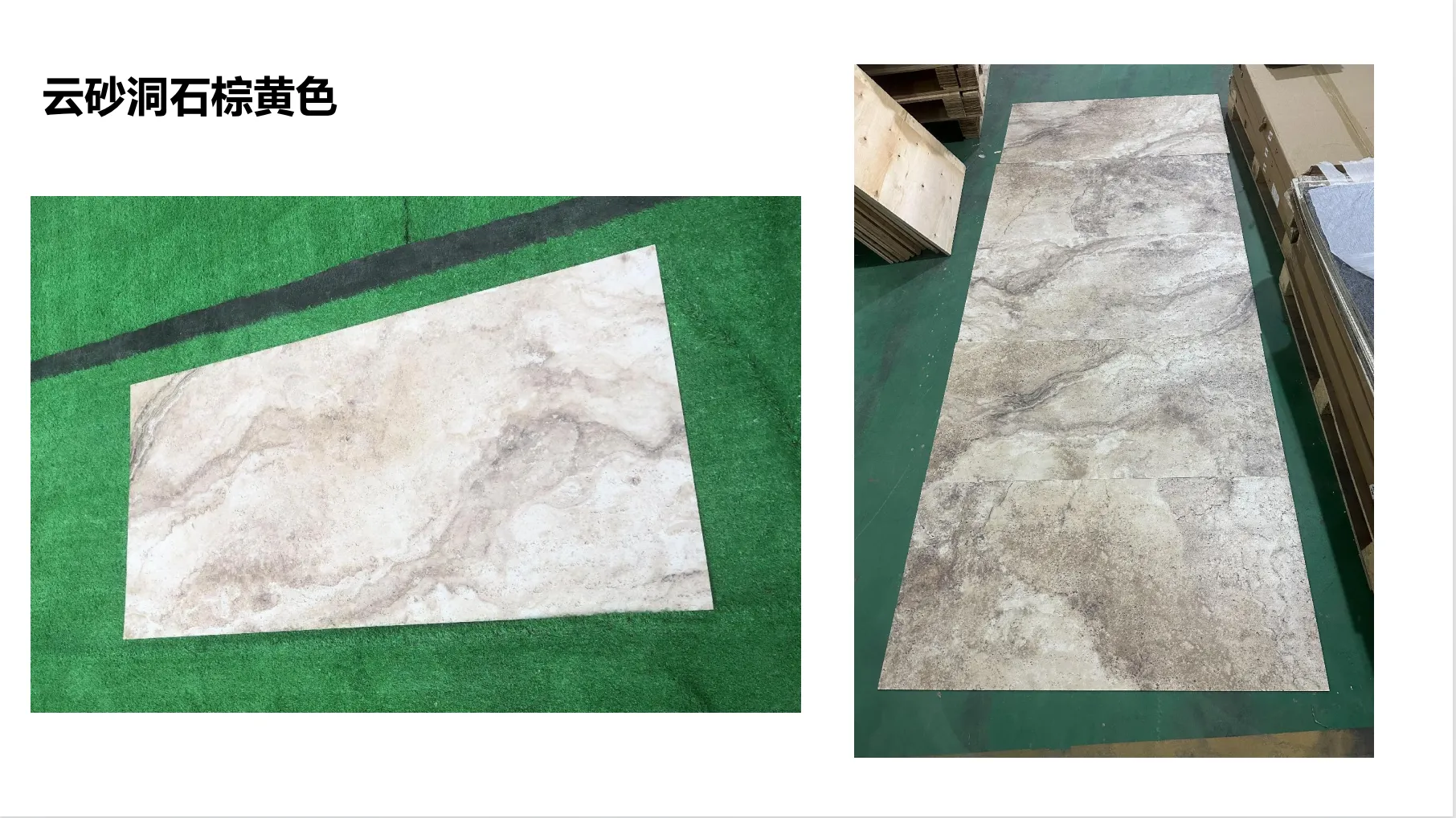
Now, let's talk looks. Dolomitic travertine isn't a one-size-fits-all stone. It comes in a range of shades, but two of the most popular are dolomitic travertine(dark grey) and dolomitic travertine(claybank) . The dark grey variety is moody and modern, with deep, stormy hues that add drama to walls or floors. Claybank, on the other hand, is softer—think warm terracotta or sandy beige—with subtle undertones that feel cozy and inviting. Both have that classic travertine texture, but the dolomite content can make the pores a bit smaller and the surface slightly denser than standard travertine. Run your hand over a slab, and you'll notice it's still tactile, but maybe a touch smoother in some spots.
Okay, so dolomitic travertine has magnesium. But how does that separate it from regular, run-of-the-mill travertine? Let's break it down.
Standard travertine is all about calcite. Its chemical makeup is primarily calcium carbonate, with very little magnesium. This starts with the water source: standard travertine forms in environments where the water is rich in calcium but low in magnesium—like the hot springs in Tuscany, Italy, which are famous for producing classic travertine. As the calcium carbonate deposits build up, they form the porous, layered stone we know. Standard travertine is often lighter in color, with shades like travertine (beige) being the most iconic—think creamy whites, soft ivories, and warm tans. Those pores? They're more pronounced here, giving the stone a more "rustic" vibe.
Dolomitic travertine, by contrast, forms in waters that have both calcium and magnesium. The magnesium ions sneak into the crystal structure of the calcite, replacing some of the calcium atoms. This substitution is why dolomitic travertine is sometimes called "magnesian travertine"—it's literally infused with magnesium. The result? A stone that's denser and harder than standard travertine. On the Mohs hardness scale (which measures how resistant a mineral is to scratching), calcite scores a 3, while dolomite scores a 3.5 to 4. That half-point might not sound like much, but in real life, it means dolomitic travertine is less likely to scratch or chip, especially in high-traffic areas.
Another key difference is porosity. Standard travertine's pores are larger and more interconnected, which means it can absorb liquids more easily. That's why you'll often see it sealed to prevent stains (red wine, anyone?). Dolomitic travertine, thanks to that dolomite, has smaller, less connected pores. It's still porous—don't get me wrong—but it's more resistant to water and stains. If you're installing stone in a kitchen or bathroom, that's a big win. Less sealing, less worry, and more time enjoying the stone instead of maintaining it.
And let's not forget color. While standard travertine leans toward beiges, creams, and soft golds, dolomitic travertine can veer into deeper, more dramatic territory. The dark grey and claybank varieties I mentioned earlier? Those are dolomitic. The magnesium can interact with other minerals in the water (like iron or manganese) to create richer, more varied tones. So if you're craving a stone that makes a statement—say, a feature wall in a modern living room—dolomitic travertine might be right up your alley.
If dolomitic travertine and standard travertine are siblings, limestone is their cousin. It's also a sedimentary rock, but it forms in a totally different environment: marine settings. Think ancient oceans, where tiny marine organisms (like coral or shellfish) die and their calcium-rich remains settle on the ocean floor. Over millions of years, pressure and heat compress these remains into limestone. Unlike travertine, which forms from flowing water, limestone forms from stagnant or slow-moving water, which gives it a denser, more uniform texture.
The main mineral in limestone is calcite—just like standard travertine. So you might be thinking, Wait, if they're both calcite-based, how are they different? Great question. The answer lies in how they're structured. Travertine (both standard and dolomitic) has a more porous, layered structure because it forms from mineral deposits building up over time in flowing water. Limestone, on the other hand, is often denser and more compact, with fewer visible pores. It's also smoother to the touch, with a more consistent color. Take limestone(beige) , for example—it's a solid, creamy beige with minimal variation, making it a popular choice for classic, understated designs.
But here's where it gets tricky: some limestones can look a lot like travertine, especially if they have fossils or shell fragments (called "fossiliferous limestone"). And some travertines, especially denser ones, can be mistaken for limestone. The key giveaway? Travertine's signature pores. Limestone might have small pits or fossils, but it won't have the same interconnected, sponge-like texture as travertine. Also, limestone is generally softer than dolomitic travertine (and even standard travertine in some cases). On the Mohs scale, limestone clocks in at 3 to 3.5, which means it's more prone to scratching than dolomitic travertine.
Another big difference is acid resistance. Remember how dolomitic travertine has magnesium? That makes it more resistant to acids (like vinegar, citrus, or rainwater) than calcite-based stones. Limestone, being pure calcite, is highly susceptible to acid erosion. If you've ever seen an old limestone building with pitted or worn surfaces, that's acid rain (or even just regular rain with dissolved CO₂) eating away at the calcite. Dolomitic travertine, with its dolomite, holds up better in acidic environments—making it a smarter choice for outdoor use, like a patio or pool deck.
Let's use color as a final clue. Limestone often comes in softer, more muted tones—think limestone(beige) , light grey, or even white (like the famous Portland limestone used in British architecture). Dolomitic travertine, as we've seen, can have deeper, more varied colors, thanks to those magnesium-mineral interactions. So if you're torn between a light, uniform stone and a darker, more textured one, that could be your deciding factor.
I know, that's a lot of info. So let's boil it down into a quick, easy-to-read table. This will help you see at a glance how dolomitic travertine stacks up against standard travertine and limestone:
| Feature | Dolomitic Travertine (e.g., Dark Grey, Claybank) | Standard Travertine (e.g., Beige) | Limestone (e.g., Beige) |
|---|---|---|---|
| Primary Mineral | Calcium magnesium carbonate (dolomite) | Calcium carbonate (calcite) | Calcium carbonate (calcite) |
| Formation Environment | Hot springs/geysers (flowing, mineral-rich water) | Hot springs/geysers (flowing, mineral-rich water) | Ancient oceans (marine sediment) |
| Hardness (Mohs Scale) | 3.5–4 | 3 | 3–3.5 |
| Porosity | Low to moderate (small, less connected pores) | High (large, interconnected pores) | Low to moderate (dense, compact texture) |
| Color Range | Dark grey, claybank, and other rich, varied tones | Beiges, creams, soft golds, light browns | Beiges, whites, light greys (uniform) |
| Best For | High-traffic areas, outdoor use, statement walls | Low-traffic indoor areas (e.g., bedrooms), classic designs | Indoor flooring, countertops (with sealing), traditional spaces |
| Acid Resistance | Good (magnesium helps resist acids) | Poor (calcite dissolves in acid) | Poor (calcite dissolves in acid) |
Now that you know the differences, let's talk about applications. Dolomitic travertine isn't a one-trick pony—it's versatile, but it really shines in specific scenarios. Here are a few cases where it might be the perfect pick:
Think entryways, hallways, or living rooms where people are constantly walking, kids are running, and pets are… being pets. Thanks to its higher hardness, dolomitic travertine can stand up to the wear and tear of daily life better than standard travertine. Those dark grey or claybank tones also hide dust and scuffs better than lighter stones, which means less time cleaning and more time relaxing.
Patios, pool decks, or outdoor kitchens—these spots take a beating from the elements. Rain, snow, UV rays, even the occasional barbecue spill. Dolomitic travertine's lower porosity and acid resistance make it a great outdoor stone. It won't absorb water as easily (reducing the risk of cracking in freezing temperatures), and it's less likely to etch or discolor from rain or pool chemicals.
If your style leans modern, industrial, or minimalist, dolomitic travertine's rich, dramatic colors (like dark grey) can add depth and texture without feeling "old-fashioned." Pair it with concrete floors, black metal fixtures, or large windows for a space that feels sleek but warm.
Let's be real: no one wants to spend weekends sealing stone. Dolomitic travertine's lower porosity means you can seal it less often (maybe once every 2–3 years, compared to once a year for standard travertine). And because it's harder, you won't have to worry as much about scratches from furniture or dropped keys. It's natural stone with a side of convenience—what's not to love?
Oh, and here's a bonus: modern building materials like mcm flexible stone are even incorporating dolomitic travertine aesthetics. MCM (Modified Composite Material) flexible stone is a lightweight, easy-to-install alternative to traditional stone, often designed to mimic the look of natural stones like dolomitic travertine. So if you love the look but need something more flexible (for curved walls, say), you might not have to sacrifice style for functionality.
At the end of the day, choosing stone is about more than just picking a pretty color. It's about understanding how the stone will perform in your space, how much work it will take to maintain, and whether it will still look great 10 or 20 years from now. Dolomitic travertine isn't better than standard travertine or limestone—it's just different. It's a stone for people who want the best of both worlds: the natural beauty of travertine, with a little extra durability and versatility.
So the next time you're perusing stone samples, take a closer look. Feel the texture, check the color, and don't be afraid to ask questions. Is it dolomitic? What's the mineral content? Where was it formed? Armed with this knowledge, you'll be able to choose a stone that not only looks amazing but works for your life, not against it.
And who knows? Maybe dolomitic travertine—with its rich, moody hues and tough-as-nails personality—will be the star of your next project. After all, great design is about more than trends; it's about choosing materials that stand the test of time. And with dolomitic travertine, you're not just building a space—you're building a legacy.
Recommend Products












