
Crafting Spaces That Speak—One Custom-Cut Stone at a Time
Architecture is more than steel beams and concrete foundations. It's a language, a way to tell stories of place, purpose, and personality. And if architecture is storytelling, then materials are the words—each one carrying its own texture, color, and character. Among these, Dolomitic Travertine (dark grey) stands out as a material that doesn't just fill space, but shapes it. With its muted depth, subtle veining, and natural resilience, it's a favorite for architects aiming to balance modern minimalism with organic warmth. But what truly elevates this stone from "material" to "masterpiece" is the art of custom cutting—precision that turns slabs into statements, and spaces into experiences.
In a world of mass-produced building supplies, custom cuts are where innovation meets intention. They allow designers to push beyond standard sizes, curve where others straighten, and align patterns that feel less like construction and more like composition. For dolomitic travertine (dark grey), a stone already rich in natural variation, custom cutting isn't just a service—it's a collaboration between human vision and geological history. Let's dive into why this material, paired with precision cutting, is redefining what's possible in architectural design.
To appreciate the allure of Dolomitic Travertine (dark grey) , let's start with the basics. Travertine itself is a form of limestone, born from mineral-rich water that cools and deposits layers of calcium carbonate over centuries. But dolomitic travertine adds a twist: it's infused with dolomite, a mineral that gives the stone extra density and a more muted color palette. Think of it as travertine's sophisticated cousin—still rooted in nature, but with a tighter grain and subtler personality.
Formed in mineral springs and hot pools, dolomitic travertine grows slowly, layer by layer, as water evaporates and leaves behind crystals of calcium and magnesium. This slow formation is what creates its unique texture: tiny pores (called "vugs") that trap light, giving the stone a soft, diffused glow, and irregular veining that looks like brushstrokes frozen in time. For the dark grey variant, the magic lies in its color—deep enough to feel grounding, but not so dark that it overwhelms. It's a hue that shifts with light: cool and moody on overcast days, warm and velvety under golden hour sun.
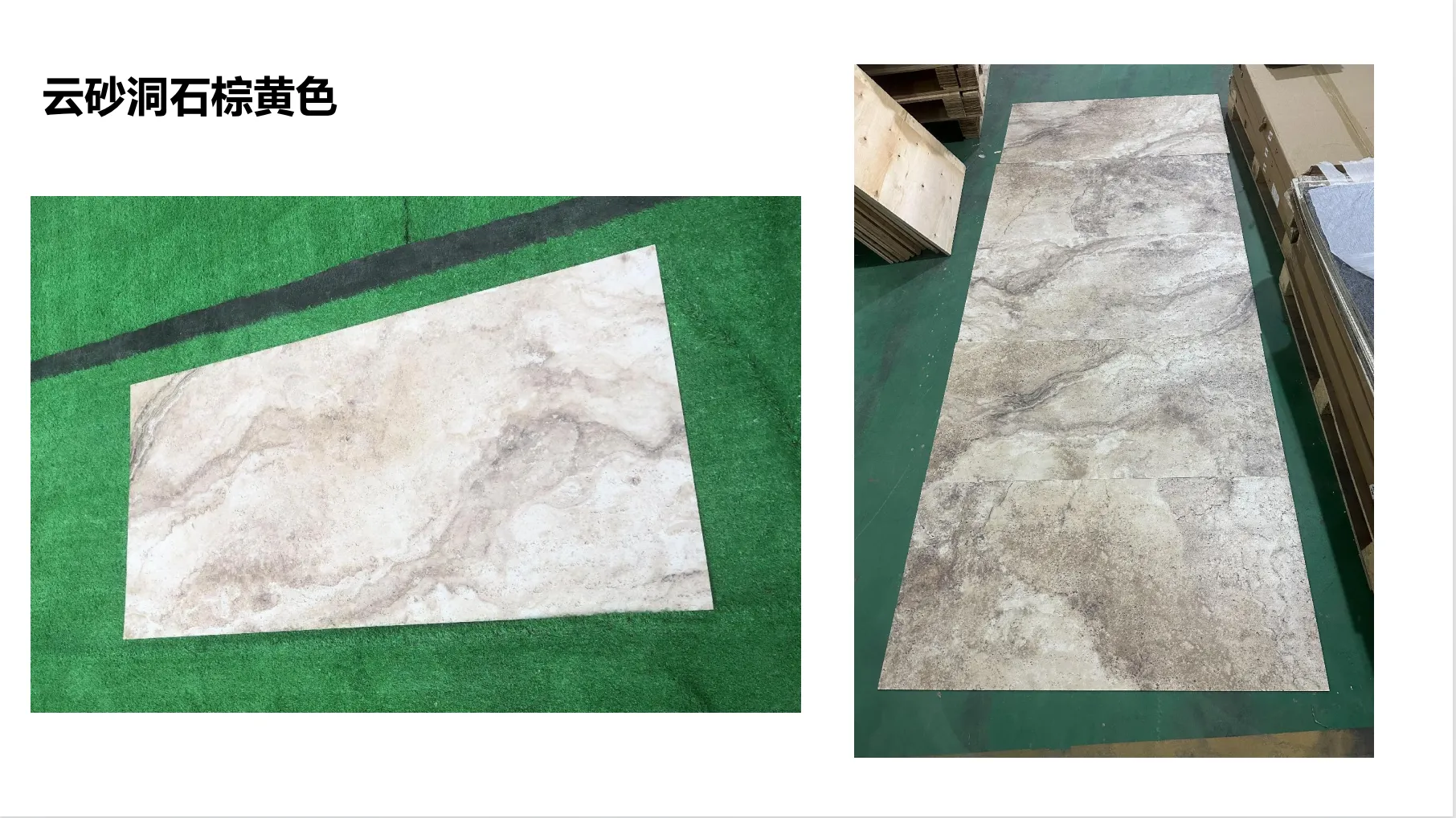
Dolomitic travertine isn't a one-note material. Its color varies based on mineral content and environmental conditions during formation. For example, Dolomitic Travertine (claybank) leans into warmer, earthier tones—think terracotta meets sandstone—making it ideal for spaces that aim for a cozy, rustic vibe. In contrast, dark grey dolomitic travertine is the introvert of the family: understated, versatile, and surprisingly chameleon-like. It pairs seamlessly with metals (brass, steel), woods (walnut, oak), and even bold accents (emerald green, burnt orange), making it a go-to for designers who want a neutral base with hidden depth.
What truly sets dolomitic travertine apart, though, is its durability. Thanks to that dolomite infusion, it's harder and more resistant to scratches, stains, and weathering than standard travertine. This makes it suitable for both interior and exterior use—from high-traffic lobby floors to exposed building facades. And when you add custom cuts into the mix? Suddenly, its potential expands: curved walls that mimic natural rock formations, geometric panels that play with light and shadow, and even 3D-textured surfaces that invite touch.
Walk into any hardware store, and you'll find stone slabs in standard sizes: 24x48 inches, 36x72 inches, maybe a few larger "jumbo" options. These work for cookie-cutter projects, but architecture that aspires to be memorable? It demands more. Imagine a boutique hotel with a facade that curves gently, like a wave frozen mid-motion. Or a museum wall designed to mimic the layered strata of a canyon. Standard slabs would force seams, break the flow, and turn a vision into a compromise. That's where custom cuts come in.
Custom cutting isn't just about trimming a slab to fit a weirdly shaped corner (though it does that, too). It's about intentionality . It's about an architect saying, "I want this wall to feel like it was carved by wind, not a machine," and a stone craftsman responding, "Let's make the cuts so precise, the stone itself seems to bend to your will." For dark grey dolomitic travertine, which already has a natural, organic look, custom cuts amplify that authenticity—turning a man-made process into something that feels almost geological.
Precision here isn't just about measurements (though those matter—we're talking fractions of a millimeter). It's about preserving the stone's inherent beauty. For example, dolomitic travertine (dark grey) often has delicate veining that runs like rivers through the slab. A skilled cutter will map these veins first, then plan cuts that follow their flow—so when the stone is installed, the pattern continues seamlessly across panels, like a mural painted by nature. Mess up the cut, and you break that flow, turning a masterpiece into a patchwork.
Modern technology has revolutionized this process. Today, CNC machines (computer numerical control) and laser scanners map slabs in 3D, identifying flaws (like small cracks or uneven density) and optimizing cuts to avoid them. Water jet cutting—using high-pressure streams of water mixed with abrasive particles—lets craftsmen carve intricate shapes without overheating or damaging the stone. The result? Cuts so clean, the edges feel almost polished; angles so sharp, they look like they were chiseled by a master sculptor.
So, where does this precision-cut stone actually end up? Everywhere from skyscraper lobbies to private residences, from commercial plazas to cultural centers. Let's explore a few standout applications:
Modern architecture is moving away from rigid rectangles, and dark grey dolomitic travertine is along for the ride. Custom-cut curved panels allow buildings to "hug" their surroundings, softening the transition between structure and landscape. Take, for example, a recent arts center in Berlin, where the exterior features 12-foot-tall, custom-curved dolomitic travertine slabs. The dark grey hue absorbs light in the morning, making the building feel (calm), then reflects golden hour sun in the evening, turning it into a glowing beacon. The cuts here had to be precise: each panel's curve radius matches the next, so there are no gaps, no misalignments—just a smooth, continuous wave of stone.
Inside, custom-cut dolomitic travertine (dark grey) becomes a canvas for storytelling. A restaurant in Tokyo, for instance, used the stone to recreate the look of a mountain range: custom-cut triangular slabs of varying heights, arranged in a staggered pattern, with veining that mimics snowmelt streams. The precision here was key—each triangle's angle was calculated to catch light from overhead fixtures, casting shadows that shift throughout the day, making the wall feel alive. Paired with Travertine (starry blue) accents (small, iridescent tiles embedded between the triangles), the wall now serves as the restaurant's focal point, sparking conversation and setting the mood.
For spaces that aim for "effortless luxury"—think high-end boutiques or luxury hotels—large-format custom-cut dolomitic travertine (dark grey) flooring is a game-changer. Standard tiles have grout lines that can clutter the eye; custom-cut slabs (sometimes up to 10 feet long) minimize seams, creating a floor that feels like a single, continuous expanse of stone. In a recent project in Milan, a fashion store used 8x4-foot custom-cut slabs with honed (matte) finishes, paired with brass inlays that follow the stone's natural veining. The result? A floor that's both durable (resistant to scuffs from high heels and rolling racks) and visually stunning—like walking on a dark grey cloud with threads of gold.
When a project demands presence—like a corporate headquarters or a cultural landmark—size matters. Architectural big slab solutions often turn to custom-cut dolomitic travertine (dark grey) for its ability to make a bold statement without feeling heavy. For example, a tech company's new campus in Silicon Valley features a 50-foot-tall entrance wall made from 16 custom-cut big slabs of dark grey dolomitic travertine. Each slab weighs over 2,000 pounds, but the cuts are so precise, they fit together with gaps smaller than a credit card. The effect? A wall that feels both monumental and refined—perfect for a brand that prides itself on innovation and strength.
Of course, dark grey dolomitic travertine isn't the only player in the architectural materials game. Let's see how it compares to two popular alternatives:
| Material | Durability | Aesthetic | Custom-Cut Flexibility |
|---|---|---|---|
| Dolomitic Travertine (dark grey) | High (resistant to scratches, weathering) | Organic, subtle veining, muted dark grey | Excellent (can be curved, angled, or shaped to follow veining) |
| MCM Flexible Stone | Medium (lightweight, but less impact-resistant) | Uniform, synthetic textures, wide color range | Good (flexible, but limited by material thickness) |
| Travertine (starry blue) | Medium-High (similar to dolomitic, but softer veining) | Vibrant, iridescent "starry" flecks, bold blue hue | Very Good (but flecks require careful cutting to avoid chipping) |
What stands out here? MCM flexible stone is great for lightweight, budget-friendly projects, but it lacks the organic depth of dolomitic travertine. Travertine (starry blue) is a stunner for accent pieces, but its bold color can overpower large spaces. Dark grey dolomitic travertine, with its balance of durability, versatility, and custom-cut potential, is the workhorse that doesn't compromise on beauty.
In an era where "green building" is more than a trend, dolomitic travertine (dark grey) has another trick up its sleeve: sustainability. Unlike synthetic materials, it's a natural stone, quarried from the earth and requiring minimal processing. But custom cuts take that eco-friendliness a step further. By mapping slabs digitally and optimizing cuts before ever touching the stone, craftsmen minimize waste—using more of each slab and reducing the need for additional quarries. It's a small detail, but it adds up: a single custom-cut project can reduce stone waste by up to 30% compared to using standard sizes.
Plus, dolomitic travertine's longevity means fewer replacements over time. A well-installed, custom-cut dark grey dolomitic travertine facade can last 50+ years, outliving many synthetic alternatives that need replacement every 10–15 years. Less replacement means less material, less energy, and a smaller carbon footprint. It's sustainability that doesn't just look good on paper—it stands the test of time.
At the end of the day, dolomitic travertine (dark grey) custom cuts are about more than precision. They're about respect—for the stone, for the architect's vision, and for the spaces we inhabit. When you run your hand over a custom-cut slab, you're not just touching stone; you're touching millions of years of geological history, shaped by human hands into something new. It's a reminder that the best architecture doesn't just build on the past—it partners with it.
So whether you're designing a towering skyscraper or a cozy café, consider the story your materials tell. Dark grey dolomitic travertine, with its custom cuts, tells a story of balance: between nature and technology, tradition and innovation, strength and subtlety. It's a story that doesn't shout—but lingers, inviting us to look closer, touch softer, and appreciate the beauty of precision in a world that often rushes for "good enough."
In the end, the most unique architectural designs aren't just built—they're crafted . And with dolomitic travertine (dark grey) custom cuts, that craft has never been more precise, more intentional, or more beautiful.
Recommend Products












