


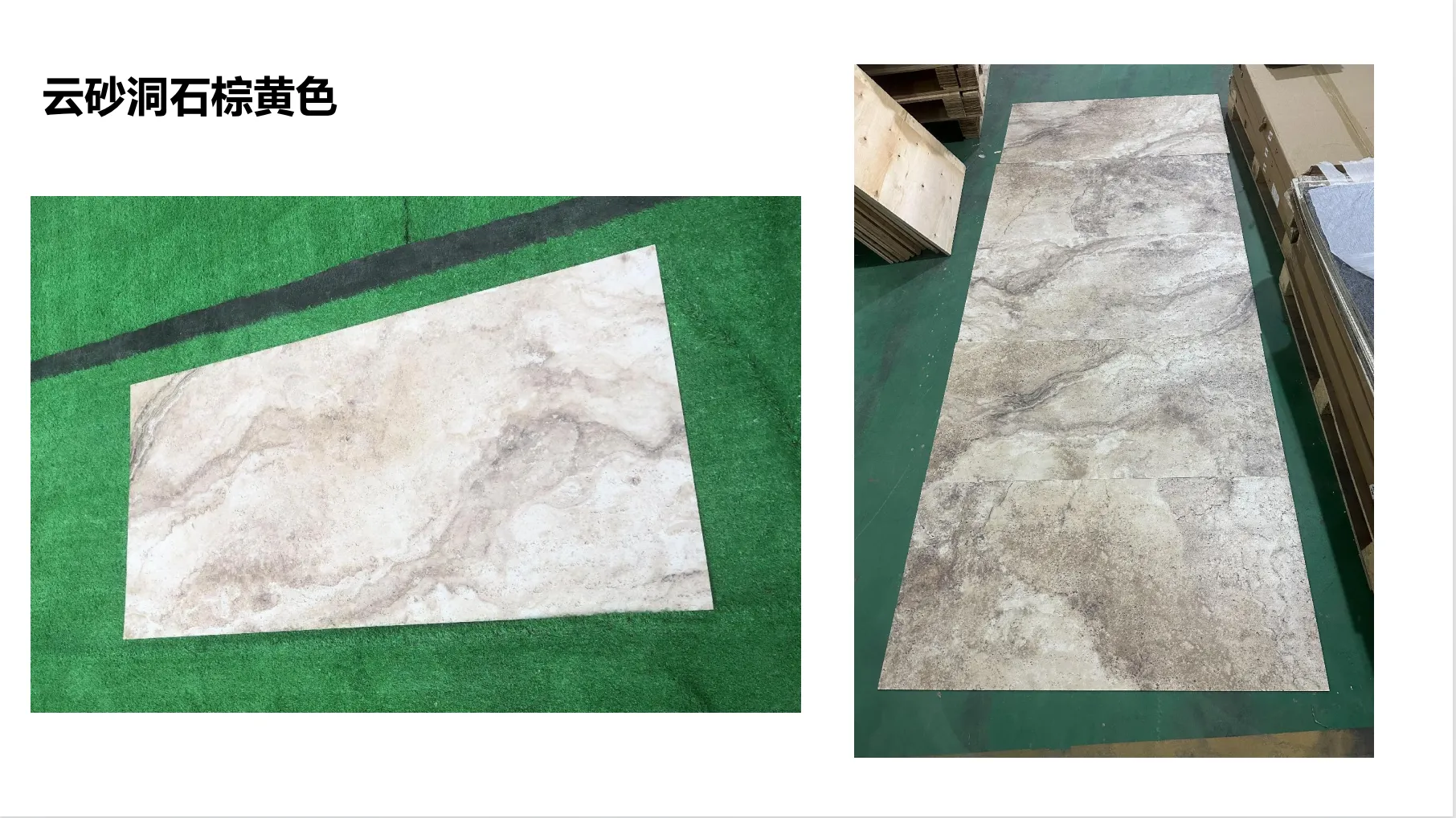
Step into any high-end boutique hotel lobby or modern home with a design-forward aesthetic, and you might find yourself drawn to a wall or countertop that feels both ancient and contemporary. Chances are, you're looking at dolomitic travertine—specifically, the dolomitic travertine(dark grey) variant that's been captivating architects and designers alike. Unlike the starkness of pure black or the softness of beige, dark grey dolomitic travertine carries a quiet charisma: its surface is dotted with subtle, natural pits and veins, like a stone that's whispered secrets of the earth for millennia. Run your hand over it, and you'll feel the texture—a gentle roughness that contrasts beautifully with sleek, modern interiors, adding depth without overwhelming the space.
What makes this stone special? Dolomitic travertine forms in mineral-rich hot springs, where layers of calcium carbonate and dolomite crystallize over time. The dark grey hue comes from natural mineral deposits, giving each slab a unique pattern—no two pieces are exactly alike. For designers, this means endless possibilities to infuse spaces with organic, one-of-a-kind character. But here's the catch: traditional methods of cutting and shaping this stone have long limited its potential. Intricate curves, custom textures, or large-scale, seamless installations? Historically, they were either too costly, too time-consuming, or outright impossible. That's where 3D printing steps in.










